
Ever wondered if a few quick bursts of hard work could really boost your fitness? Interval cardio blends short, fast moves with moments to catch your breath. Picture yourself sprinting like you're racing the clock and then easing off so your heart can recover. This workout not only builds your strength and endurance but also adds a fun twist to your routine. Keep reading to see how these bursts of energy can give your workouts a fresh kick.
Mastering Interval Cardio Workouts: What They Are and How They Work
Interval cardio workouts mix short bursts of really hard exercise with periods of easier recovery. You might run as fast as you can for a set time and then slow down to catch your breath. Think of it like doing a sprint for 20 seconds and then taking it easy for 40 seconds. This pattern gives your metabolism a jump start and really challenges your heart and lungs.
This training also kicks in the afterburn effect. In plain language, after your workout, your body keeps burning calories as it works to get back to normal. A study from 1996, often called the Tabata study, showed that these intense bursts can help your body burn calories long after the workout is done.
Back in 2018, a big sports medicine group named high-intensity training the top fitness trend. That’s because interval workouts help you build both your endurance during long activities (aerobic) and your strength for short, powerful moves (anaerobic). When you push hard without enough oxygen, your muscles use stored energy for those quick bursts.
Interval training is a smart, time-saving way to get fitter. It’s flexible, so you can start with a few short bursts and longer rests, then slowly increase the challenge as you get stronger. Whether you’re running, cycling, or doing bodyweight exercises, switching to an interval style can give your fitness a big boost.
Beginner-Friendly Interval Cardio Routines

If you're looking for a simple workout you can do right in your living room, these interval routines are a great start. You don't need any fancy equipment, just yourself and a bit of space. Begin with a cycle of 30 seconds of active work followed by 30 seconds of rest. For example, try doing jumping jacks for 30 seconds and then take a short break to catch your breath. It’s a smooth way to get your heart pumping and help build your endurance.
As you get more comfortable, you can switch things up. If one movement feels too easy, try lengthening the work period or even adding a new exercise into the mix. These routines are ideal for beginners looking for a simple, bodyweight workout at home that gets results.
Below is a table with five easy routines. They include clear details about work intervals and rest times, so you can choose one that fits your level, even if you’re not a runner or need low-impact options.
| Routine Name | Work Interval | Rest Interval | Equipment |
|---|---|---|---|
| Jumping Jacks | 30 seconds | 30 seconds | None |
| High Knees | 30 seconds | 30 seconds | None |
| Bodyweight Squats | 30 seconds | 30 seconds | None |
| Modified Burpees | 30 seconds | 30 seconds | None |
| Marching in Place | 30 seconds | 30 seconds | None |
Give one of these routines a try today. Adjust the intervals as needed, and soon you'll notice a boost in your fitness.
Advanced Interval Cardio Sessions for Peak Performance
Try a hill sprint drill to give your body a fun, challenging boost. Find a hill or a slight outdoor slope and sprint up at full effort for 20 seconds. Then, take a slow walk back down or simply rest for 40 seconds. Do this for 10 to 12 rounds. It’s a great way to build stamina and strengthen your heart using quick bursts of energy, much like facing natural resistance during everyday activities.
You might also enjoy sprint burst training. In this routine, you push yourself to run or cycle as fast as you can for 20 seconds. Follow that with 40 seconds of active recovery, perhaps a brisk walk or some easy pedaling. This cycle helps your muscles get used to working hard and builds your endurance bit by bit. As you gain strength, you can tweak the recovery time or even shorten it slightly to keep your heart working in a fun new way.
Another option is to try a periodized speed workout for a boost in oxygen use and overall fitness. Start by matching your work and rest times: go hard for 30 seconds, then recover for 30 seconds. This steady pattern helps your body learn to take in more oxygen and keeps your heart rate in check. Over time, you can push yourself by extending the work phase or increasing your speed as you become more comfortable with the routine.
Each of these workouts is designed to test your limits, build endurance, and burn calories. Feel free to try them out and adjust the intensity as you grow stronger. Enjoy the challenge and watch your fitness improve step by step.
Machine-Based Interval Cardio Workouts
Treadmill Sprint Drills
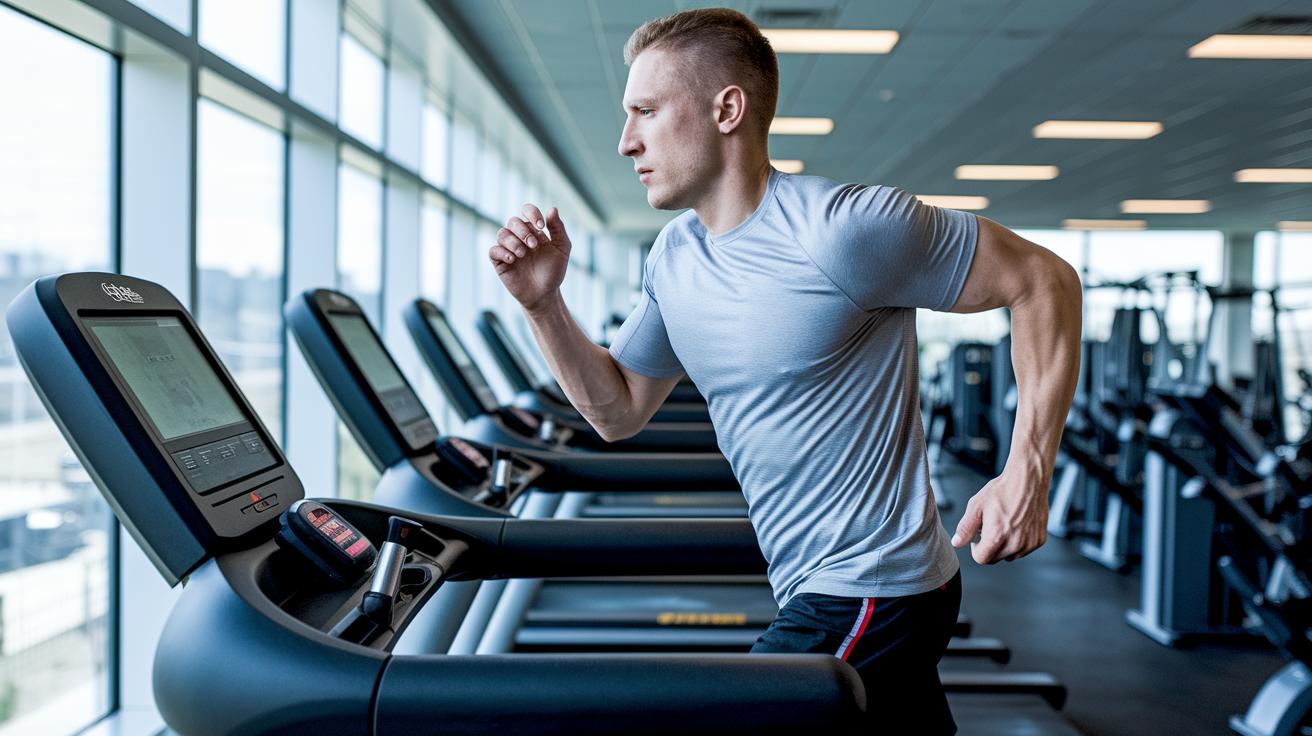
Start by setting your treadmill to a gentle 2% incline so it feels like a mild hill. Then, give a hard sprint for about 30 to 60 seconds, enough to feel challenged. After that, slow down to a walk or a light jog for 1 to 2 minutes so your legs can recover. Picture it like this: set the incline at 2%, push yourself in a fast run for 45 seconds, then take a relaxed 90-second stroll. This routine boosts your heartbeat while giving your muscles a break.
Elliptical Speed Change Workouts
On the elliptical, mix things up by switching the resistance. Begin with an easier resistance level (0 to 2) for 2 minutes, then turn up the challenge with a higher level (8 to 10) for 1 minute. Repeat this cycle 12 times during a 20-minute session. You might think of it as: "Give it your all on high resistance for a minute, then ease up on the low setting for two minutes." This approach increases your endurance without the impact of running.
Stationary Bike Burst Intervals
If you’re using a stationary bike, try burst intervals to feel the burn. Pedal fast at a high intensity for 30 seconds, aiming for a pace that really pushes you. Following that, dial back and pedal slowly for another 30 to 60 seconds to catch your breath. This alternating pattern helps train your legs to work hard while still giving them time to rest. It's a great way to ease into intense cycling, even if you're new to it.
Rowing Machine Intensity Bursts
With the rowing machine, break your workout into clear segments. Row quickly for 500 meters and then slow down to recover for another 500 meters. Repeat these 500-meter bursts several times during your session. Think of it like this: "Row hard for 500 meters, then row at an easier pace to recover, and keep repeating." This method builds strength and endurance, ensuring you get the most out of each rowing burst.
Key Benefits of Interval Cardio Workouts
-
When you do interval training, you burn calories both during your workout and even after you finish. Your body keeps working hard, which means you keep burning calories long after you're done.
-
These workouts really challenge your heart and lungs. By switching between bursts of high effort and recovery periods, your cardiovascular system gets stronger, making everyday activities feel easier.
-
Many weight loss plans can make you lose muscle, but interval cardio helps you lose fat while keeping your muscles strong and toned. This way, you get lean without sacrificing strength.
-
Quick, intense bursts of exercise can give your metabolism a lift. Even when you're resting, your body keeps burning more calories, which helps you use up more energy throughout the day.
-
If you're always in a hurry, interval workouts are perfect. They deliver major fat-burning benefits in a short amount of time, making it easy to fit in exercise no matter how busy your day is.
Safety and Best Practices for Interval Cardio Workouts

Before you jump into your workout, spend about 5 to 10 minutes warming up. A brisk walk or light bodyweight exercises can slowly wake up your muscles and raise your heart rate safely. For example, try a 5-minute gentle walk to ease into the session. Using an interval timer can help you keep track of exercise and rest periods so you don’t push too hard.
It’s really important to watch your intensity. A heart-rate monitor can let you know if you’re staying in your safe zone during low-impact burst sessions. Listen to your body; if you feel any discomfort, adjust your intervals. After your workout, take time to cool down slowly and do some foam rolling to lower your heart rate and ease muscle stiffness.
Remember these key steps to work out safely and effectively:
| Step | Description |
|---|---|
| Warm-Up | Spend 5-10 minutes on light activities like brisk walking to prepare your muscles. |
| Interval Timer | Use a timer to manage work and rest periods. |
| Heart-Rate Monitor | Keep track of your heart rate to stay in a safe training zone. |
| Cool-Down | Finish with a slow-paced recovery and foam rolling to reduce stiffness. |
Don’t skip these steps, they help keep you safe and boost your performance every time you train.
Final Words
In the action, we explored the basics of interval cardio workouts, shown how they work, and laid out step-by-step routines for beginners, advanced trainers, and those using cardio machines. We touched on key benefits like boosted calorie burn, muscle preservation, and better heart health along with safety tips to keep you on track. This guide makes it easy to fit these workouts into your daily routine. Keep moving forward and enjoy the rewards of interval cardio workouts.
FAQ
What is a cardio interval workout?
A cardio interval workout means alternating intense bursts of exercise with lower-intensity recovery periods. This method improves metabolic rate and heart health while burning calories during and after the workout.
How do interval cardio workouts assist with weight loss?
Interval cardio workouts assist with weight loss by boosting calorie burn during workouts and sparking an afterburn effect that increases metabolism after exercise. This approach preserves muscle mass while reducing fat.
How can I perform interval cardio workouts at home without equipment?
You can perform interval cardio workouts at home without equipment by using bodyweight exercises like jumping jacks, high knees, or burpees. Adjust intensity and recovery periods based on your fitness level.
What are some HIIT exercises for beginners?
HIIT exercises for beginners can include exercises such as modified burpees, mountain climbers, and jogging in place. These moves can be done at home and adjusted to be less intense while building stamina.
What does HIIT stand for?
HIIT stands for high intensity interval training. It involves short bursts of vigorous exercise alternated with lower-intensity recovery periods to boost fitness and calorie burn.
What are the 40/20 and 3-2-1 cardio methods?
The 40/20 method involves 40 seconds of high effort followed by 20 seconds of rest, while the 3-2-1 method features three phases: a warm-up, a two-minute high-intensity burst, and a one-minute cool-down.
Where can I find a HIIT workout plan in PDF format?
You can find a HIIT workout plan in PDF format by checking health websites, fitness blogs, or online fitness communities that offer free, easy-to-follow plans with exercise examples and interval guidance.

