
Have you ever wondered if a few small changes could help you avoid diabetes? Even losing a little weight or swapping sugary drinks for water can have a big impact on your health.
Everyday habits like these help boost your heart health and keep diabetes from taking hold. In this post, we share simple tips and real-life advice that show how even tiny changes can lower your risk.
So, get ready to discover easy steps to live a healthier life without feeling tied down by disease.
Achieving Effective Diabetes Disease Prevention Strategies
Type 2 diabetes isn’t something you have to live with. With a few smart changes to your everyday life, you can lower your risk while giving your heart a boost, too. Even a little weight loss, say 5 to 10 pounds, can help your body handle sugar better and cut down your chances of getting diabetes or heart disease. Really. Imagine just shedding five pounds making it easier for your body to control blood sugar and protect your heart.
Here are five simple lifestyle changes to think about:
- Keep your weight in check: Even a small drop in weight reduces your risk of diabetes.
- Enjoy alcohol in moderation: For many, one drink a day (two for men) can help your body use insulin more efficiently.
- Quit smoking: Giving up cigarettes lessens risks for both your heart and overall metabolism.
- Switch to water: Replace sugary drinks with water to cut down on extra sugars.
- Improve your diet: Focus on the quality and amount of carbohydrates by choosing high-fiber foods and reducing processed treats.
Later on, we’ll explore how a balanced diet, regular exercise, careful monitoring, and strong community support work together to fend off prediabetes. You’ll find easy tips and real-life examples, like step-by-step meal planning or simple routines to keep you moving, showing that you can thrive with just a few smart choices.
Managing Risk Factors for Diabetes Disease Prevention
Some diabetes risk factors just can’t be changed, like your age, family history, or ethnic background. When your blood sugar is a bit high, even if it’s not high enough for a full diabetes diagnosis, it’s called prediabetes and means you might be at a higher risk. Knowing these unchangeable factors helps you understand your own health story better. That’s why regular checkups and preventive care screenings (like those mentioned at https://healthlystats.com?p=202) are so important; they can catch early signs when small changes can go a long way.
Your weight and daily habits are key to managing diabetes risk, especially if you’ve had gestational diabetes before. Even losing five to 10 pounds can make a big difference in keeping type 2 diabetes at bay. Simple choices, such as staying active and eating balanced meals, can help control your blood sugar levels. Regular screenings and early detection are a great starting point to take control of these risks, setting you on the path to a healthier, more energetic life.
Healthy Eating Habits and Nutritional Approaches for Diabetes Disease Prevention
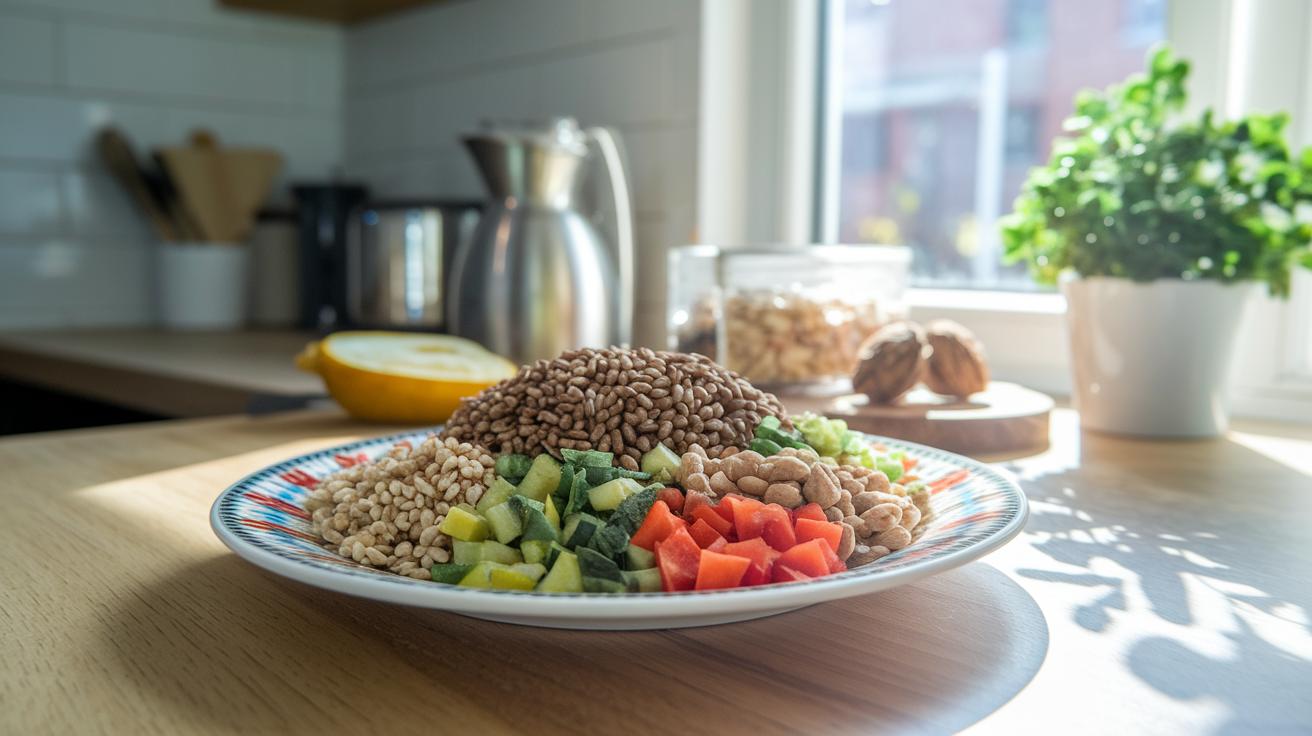
A smart diet goes a long way in keeping your blood sugar steady and lowering your risk of diabetes. When you choose the right foods, you not only help balance your glucose levels but also support weight control and improve how your body uses insulin. Switching to whole grains and legumes gives you slow-digesting, quality carbohydrates that your body appreciates. Fiber-rich foods like vegetables, fruits, and whole grains help you feel full, support smooth digestion, and may even lower the chance of diabetes. A Mediterranean-style diet that features plenty of veggies, olive oil, and nuts is also linked to reduced diabetes rates. Even simple swaps, such as choosing water or unsweetened tea instead of sugary drinks, can boost your overall health.
Here are five quick tips for better nutrition:
- Pick low-glycemic carbohydrates like whole grains and legumes.
- Boost your meals with plenty of vegetables and fruits for extra fiber.
- Replace soda with water to cut down on sugar.
- Embrace Mediterranean favorites by adding olive oil, nuts, and fresh produce.
- Keep processed foods to a minimum and enjoy antioxidant-packed fruits and whole foods (learn more about what is a superfood at https://healthyfax.com?p=590).
Planning meals can be both fun and practical. Imagine starting your day with a warm bowl of oatmeal mixed with berries and a sprinkle of nuts, it sets a balanced tone right from the start. For lunch, consider a fresh salad paired with lean protein and whole grain bread. Preparing ingredients on the weekend can make busy weekdays feel like a breeze. As you try new recipes and control your portions, you naturally steer towards healthier choices. In truth, these small changes at each meal can add up to a strong defense against diabetes, all while keeping your meals exciting and full of flavor.
Physical Activity and Exercise Routines for Diabetes Disease Prevention

Regular exercise can really lower your risk of diabetes. Mixing moderate aerobic activities, like a brisk walk, with simple resistance moves, such as body-weight squats, helps your body use sugar better. Even quick activities matter. Keeping active also means you break up long sitting spells, which can help reduce your risk even more. Many people find that a brief stand or stretch every 30 minutes boosts their energy throughout the day.
| Activity Type | Frequency (per week) | Duration |
|---|---|---|
| Aerobic (e.g., brisk walking) | 5 days | 30 min each |
| Resistance training (e.g., body-weight squats) | 2 days | 20–30 min |
| Flexibility/balance (e.g., yoga, tai chi) | 2 days | 15 min |
Mixing aerobic and strength workouts gives you a balanced plan that helps your heart and muscles. For example, pairing a quick walk with a couple of days of resistance training can boost your daily strength, making everyday tasks easier. Consistency is key, so you might try setting fixed workout days or joining a community activity group for extra support. Even if you're exercising at home, switching up your routine not only keeps things fun but also covers all the bases for diabetes prevention. Building these habits can empower you to take charge of your health and enjoy a more active, energetic life every day.
Weight Management and Metabolic Health in Diabetes Disease Prevention
Losing even a small amount, say 5 to 10 pounds, can help your body use insulin more effectively. This means your blood sugar stays steadier and your body deals with fat buildup in a gentler way. Fun fact: shedding just 5 pounds could be like giving your insulin system a tune-up, similar to adjusting a car engine for smoother performance.
But sometimes, when changes in daily diet and exercise aren’t enough, doctors might suggest other options. Treatments like bariatric surgery or anti-obesity medications can help shift your body’s metabolism, making insulin work better for those battling more serious weight issues.
Keeping weight off in the long run is all about a balanced diet, regular activity, and good habits. Filling your plate with whole foods, staying active, and practicing mindful eating can make a lasting difference for your metabolism.
- Sustain healthy eating habits
- Keep an active schedule
- Seek behavioral support when needed
Monitoring, Early Intervention, and Preventive Care for Diabetes Disease Prevention

Getting regular check-ups is really important if you're at risk for diabetes. Experts recommend that high-risk adults take an HbA1c test, which checks your average blood sugar over a few months, and a fasting-glucose test, which measures your blood sugar after a period of not eating, every 6 to 12 months. This helps you catch any early signs of high blood sugar.
Using simple tools like home blood sugar monitors and easy-to-use calculators can give you quick answers about your health. Imagine doing regular checks at home and spotting small changes in your blood sugar; these minor shifts might lead you to adjust your eating or activity habits sooner.
Joining programs like the CDC’s Diabetes Prevention Program offers extra support. These classes blend lifestyle coaching with hands-on activities meant to lower your risk of getting diabetes. And by scheduling a preventive care visit with your doctor, you get personalized advice and steady follow-ups.
When you combine self-checks with professional guidance, you're setting up a strong safety net that encourages catching changes early and taking quick action.
Community Support and Public Health Initiatives for Diabetes Disease Prevention
Public health agencies like the CDC’s National DPP model set simple guidelines to help keep type 2 diabetes at bay. They recommend lifestyle classes, regular check-ups, and healthy habits, all based on solid research and advice from healthcare experts. Local health departments often use these guidelines to run community classes that break down complex ideas into easy, everyday steps.
Local groups also work together with these agencies to create hands-on projects in the community. Think of neighborhood exercise programs, local workshops, or even monthly fairs where experts share easy tips on meal planning and staying active. These efforts give everyone practical ways to make small changes that can add up to a big impact when it comes to preventing diabetes.
Final Words
In the action, our guide highlighted simple shifts that add up quickly. We've explored smart eating, regular workouts, and careful weight control as key steps in diabetes disease prevention. It also showed the value of routine health checks and the support of community and public programs to catch early warnings. Every tip builds a stronger plan for better health. Keep these ideas in mind as you make everyday choices that boost your overall well-being. Small, steady changes really make a difference.
FAQ
6 foods that prevent diabetes
The six foods that help lower diabetes risk include leafy greens, whole grains, legumes, nuts, fruits, and non-starchy vegetables. They supply fiber and nutrients that support balanced blood sugar.
How to stop diabetes before it starts
The approach to stopping diabetes before it begins centers on a lifestyle with balanced eating, regular exercise, and weight control. These habits improve insulin efficiency and help maintain steady blood sugar.
What are 5 ways to prevent diabetes?
The five ways to lower diabetes risk include eating a well-rounded diet, staying physically active, managing weight, cutting back on sugary drinks, and quitting tobacco. Each change supports better blood sugar balance.
How to prevent diabetes type 1
The means to prevent type 1 diabetes differ since it is an autoimmune condition. Currently, there is no proven method to prevent it, so early diagnosis and proper management are essential.
How to prevent diabetes with family history
The strategy for reducing diabetes risk with a family history involves adopting a nutritious diet, engaging in regular physical activity, and maintaining a healthy weight. These habits help counter genetic risk factors.
What foods prevent diabetes immediately
The foods that quickly support blood sugar control include high-fiber vegetables, lean proteins, and whole grains. Incorporating these items in meals can help stabilize blood sugar levels effectively.
How much exercise to prevent diabetes
The exercise recommendation to lower diabetes risk is about 150 minutes of moderate physical activity weekly, plus at least two strength-training sessions. This routine enhances insulin sensitivity and aids blood sugar stability.
How to prevent diabetes type 2
The method to lower type 2 diabetes risk involves regular physical activity, balanced eating choices, and maintaining a healthy weight. These lifestyle habits boost insulin function and help keep blood sugar in check.
How can you prevent diabetes?
The overall prevention of diabetes relies on balanced nutrition, consistent exercise, and effective weight management. Adopting these everyday habits supports insulin function and helps stabilize blood sugar levels.
What is the #1 cause of diabetes?
The primary cause of type 2 diabetes is insulin resistance, which is often linked with excess weight and low physical activity. A poor diet and sedentary lifestyle contribute significantly to this risk.
Which diabetes can be prevented?
Type 2 diabetes is the form that can be prevented through lifestyle adjustments such as exercise, improved diet, and weight control, while type 1 diabetes generally cannot be prevented.
What is the primary prevention of diabetes?
The core idea of primary diabetes prevention involves maintaining a balanced diet, participating in regular exercise, and managing body weight. These actions help improve insulin response and keep blood sugar balanced.

