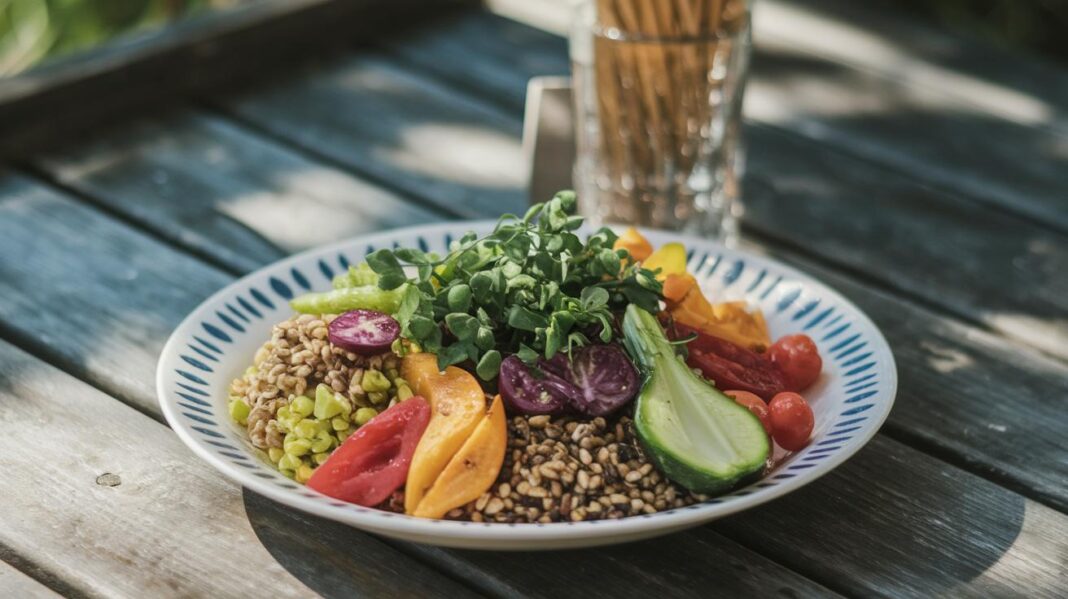
Ever think that a few simple food choices might help you feel better and more energetic?
When you choose foods that keep your cholesterol balanced, you help lower the bad cholesterol and boost the good. Everyday options like oats, nuts, and whole grains work wonders.
Imagine your heart as a well-tuned engine. It needs the right fuel to run at its best.
Even small tweaks in your meals can lead to more energy and make it easier to manage your weight.
This guide is filled with easy diet tips that can make you feel better each day.
cholesterol balanced diet boosts radiant wellness
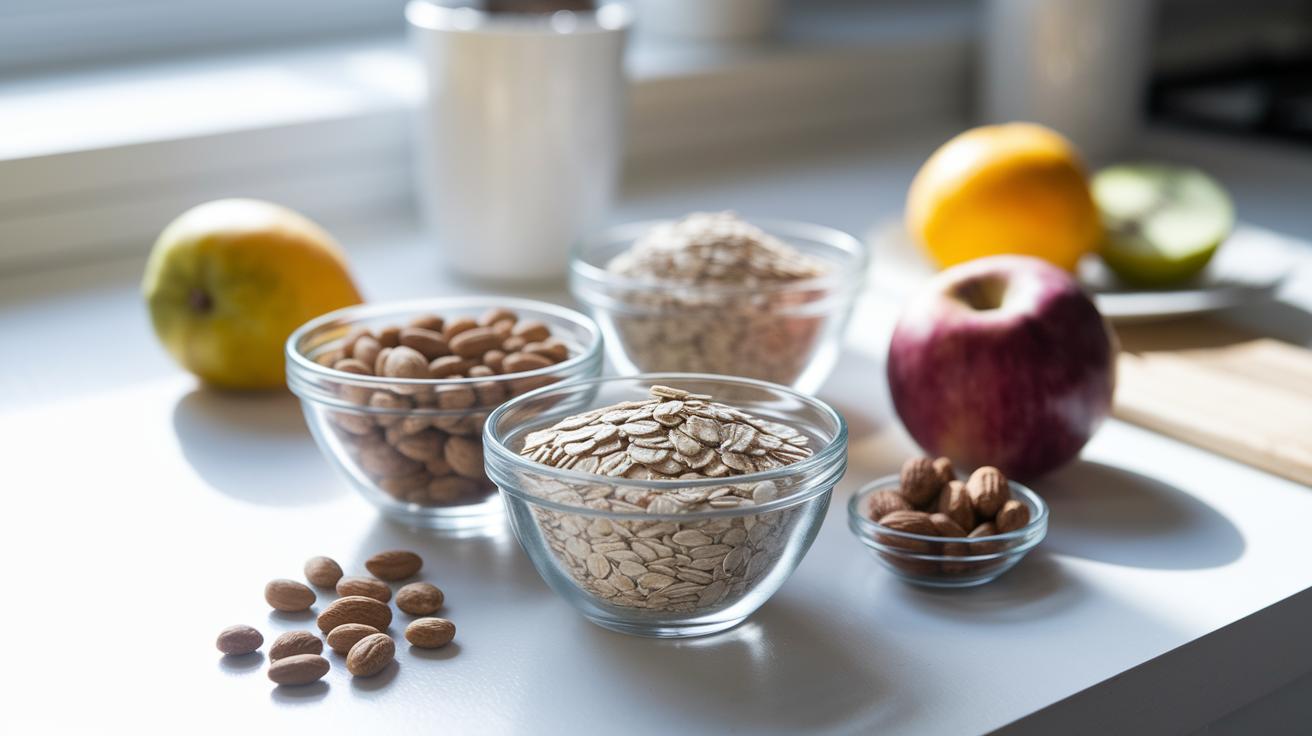
Keeping your cholesterol in check begins with a simple tweak in your diet. By choosing the right mix of foods, you can lower your LDL (the "bad" cholesterol) while boosting your HDL (the "good" cholesterol). It’s all about enjoying plenty of foods rich in soluble fiber, healthy fats, and whole grains, all while keeping an eye on your calories to help you shed a few pounds gradually. Even small changes, like cutting saturated fat to under 7% of your daily calories, can make a real difference for your heart and even help reduce your weight by 3–5%.
- Choose foods like oats and barley for a good dose of soluble fiber that can help lower LDL.
- Opt for unsaturated fats, such as those found in olive oil and nuts, to keep your cells happy.
- Try to keep saturated fat below 7% of your total calories to support your blood vessels.
- Enjoy whole grains every day to give your body a steady flow of fiber and essential nutrients.
- Watch your calorie intake to make steady weight loss part of your overall strategy for balanced cholesterol.
Stick with these simple habits every day, and you’ll notice that both your LDL and HDL levels can start to look better. Foods loaded with soluble fiber work by blocking some of the cholesterol you absorb, while unsaturated fats and whole grains add the nutrients your heart really needs. By keeping your calorie goals in check, you pave the way for gentle, consistent weight loss, helping you feel more energetic and vibrant overall.
Key Foods for a Cholesterol Balanced Diet
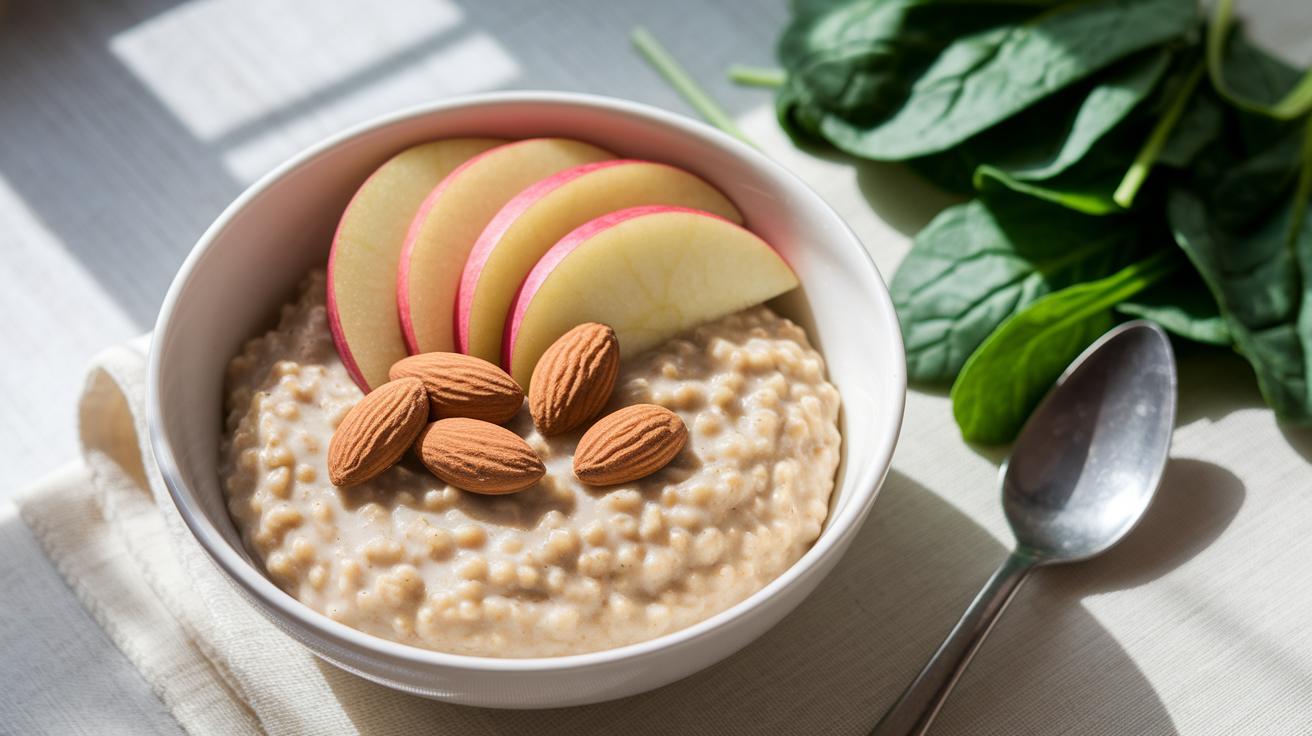
Eating foods filled with soluble fiber and good nutrients can really help lower your LDL cholesterol. They work by stopping cholesterol from being absorbed and add antioxidants and healthy fats that care for your heart. When you pick foods like oats, beans, and leafy greens, you’re not only treating yourself to tasty meals but also giving your heart some extra love.
| Food | Key Benefit | Example Serving |
|---|---|---|
| Oats | 3 g soluble fiber per ½ cup | 1 cup cooked |
| Barley | 2 g beta‐glucan per ½ cup | ½ cup cooked |
| Brown Rice | Fiber plus whole‐grain nutrients | 1 cup cooked |
| Beans | 6 g fiber per ½ cup | ½ cup cooked |
| Lentils | 8 g fiber per ½ cup | ½ cup cooked |
| Apple | 5.3 g soluble fiber | 1 medium |
| Almonds | Plant sterols + healthy fat | 1 oz (23 nuts) |
| Spinach | Antioxidants + nitrates | 1 cup raw |
Try adding these foods to your daily routine by mixing them into your breakfast bowls, snacks, or side salads. For instance, enjoy a warm bowl of oats with sliced apple in the morning or grab a small handful of almonds with a leafy salad at lunch. And why not stir in some beans or lentils into your soups or stews? This helps you boost your fiber in a fun and tasty way while keeping meals interesting and good for your heart.
Sample 7-Day Cholesterol Balanced Diet Meal Plan
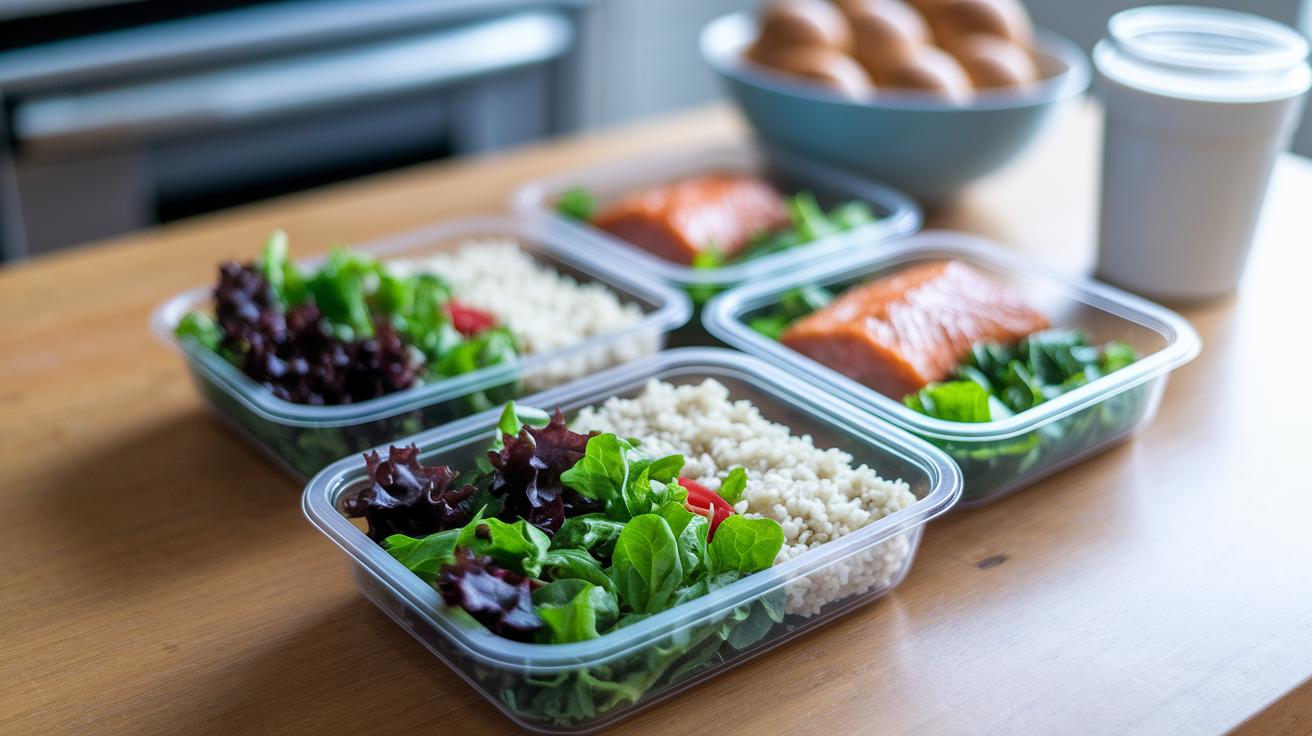
This seven-day meal plan gives you roughly 1,500 calories each day. Registered dietitians created it with the ESHA Food Processor, making sure you get the right mix of protein, carbs, fiber, fats, and controlled saturated fat. For instance, on Day 1 you enjoy about 1,521 calories, 67 grams of protein, 153 grams of carbs, 37 grams of fiber, 76 grams of fat, and 12 grams of saturated fat, all carefully chosen to help your heart thrive while keeping you energized.
Meals are spread throughout the day with breakfast, a morning snack, lunch, an afternoon snack, and dinner. This steady pace supports balanced energy levels and easy portion control.
| Meal Time | Menu Item | Calories | Key Nutrient |
|---|---|---|---|
| Breakfast | Apple & Peanut Butter Toast | 293 | 6 g fiber |
| Snack AM | Cinnamon-Roll Overnight Oats | 280 | 8 g fiber |
| Lunch | Mixed Greens Salad | 387 | 5 g protein |
| Snack PM | Berry Yogurt Parfait | 206 | 12 g protein |
| Dinner | Grilled Salmon + Rice | 504 | 18 g omega-3 |
If your weekdays are busy, try prepping some parts of your meals ahead of time. For example, you might make a big batch of Sweet Potato, Kale & Chicken Salad with Peanut Dressing to have for lunch on Days 2 through 5. This smart shortcut not only saves you time but also keeps you on track with a heart-healthy, nutrient-packed plan.
Culinary Ideas and Recipes for a Cholesterol Balanced Diet
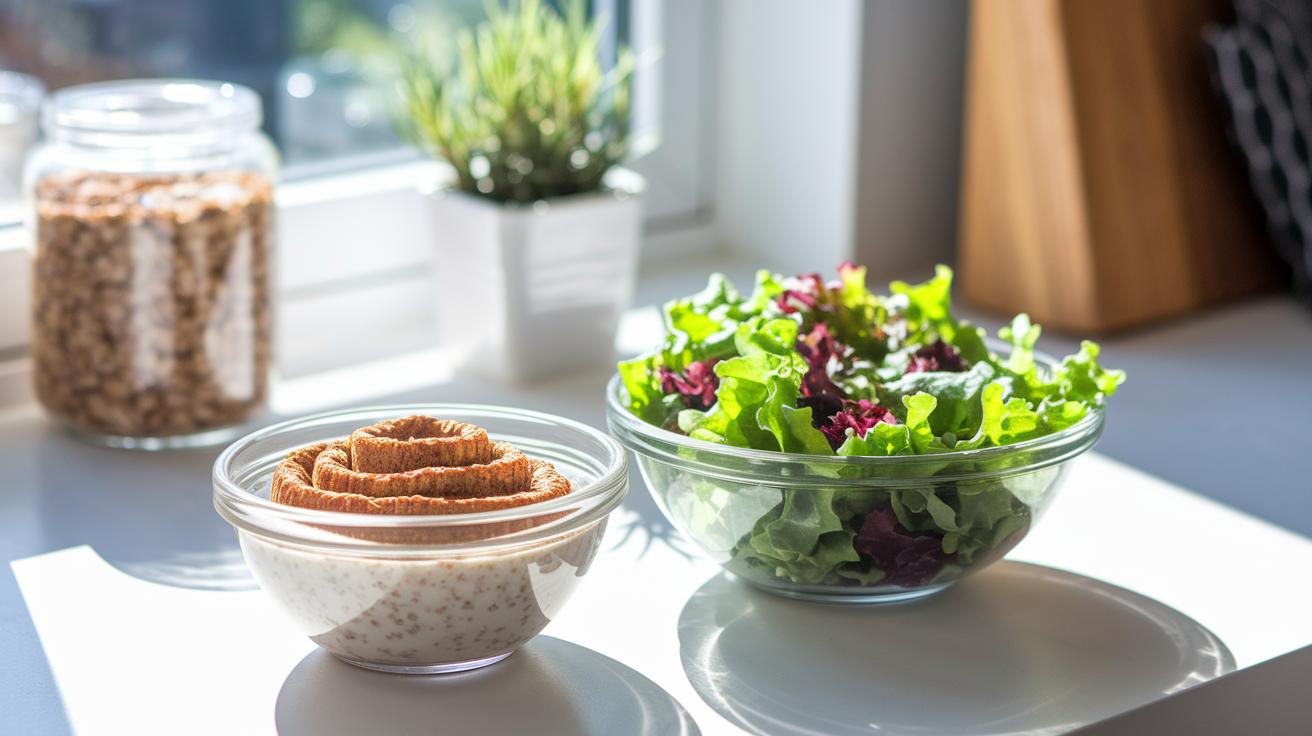
Cooking at home gives you total control over what you eat, making it easy to build meals that help keep your cholesterol in check. When you prepare your own dishes, you can pack in plenty of fiber, healthy fats, and vital nutrients. Plus, experimenting in the kitchen can be a lot of fun while you care for your heart.
- Cinnamon-Roll Overnight Oats: Enjoy a bowl of oats with a hint of cinnamon. This breakfast dish has about 280 calories and 6 grams of fiber, making it both tasty and filling.
- Sweet Potato, Kale & Chicken Salad: This meal, serving two people, mixes tender chicken, sweet potato, and crisp kale. It’s loaded with fiber and healthy fats that help your heart.
- Apple Slices with Peanut Butter: Sometimes simple is best. Crunchy apple slices paired with a bit of peanut butter provide around 160 calories and 5 grams of fiber.
- Banana Boost Smoothie: Blend a banana with some low-fat yogurt to make a creamy, energizing drink. Bananas add fiber and a natural sweetness that’s hard to beat.
- Herb-Infused Sautéed Veggies: Sauté your favorite vegetables with garlic and turmeric in extra-virgin olive oil instead of butter. This swap lowers your intake of saturated fat and adds natural anti-inflammatory benefits.
Changing simple things like replacing butter with extra-virgin olive oil can go a long way in cutting down on saturated fat. These small tweaks in how you cook turn everyday recipes into heart-friendly treats that make a balanced cholesterol diet easier and more enjoyable.
Dietary Modifications and Lifestyle Tips for Cholesterol Balance

Changing your daily habits is just as important as choosing healthy foods to balance your cholesterol. Even little, mindful adjustments can help keep your LDL (the “bad” cholesterol) in check and boost your overall well-being. Here are five simple tips to try:
- Drink at least 8 cups of water every day.
- Have a banana with your snacks.
- Swap out butter for olive oil.
- Keep track of what you eat, especially your fiber intake.
- Fit in a daily walk or little activity breaks to keep moving.
It might take about 3 to 6 months to notice these benefits, and even a small weight loss of 3% to 5% of your body weight can make a big difference in your cholesterol numbers. By keeping an eye on your daily habits and making these small changes, you'll be setting up a solid plan for a healthier heart over time. Remember, it's all about staying consistent, tiny daily efforts can add up to a livelier and more balanced life.
Monitoring and Adjusting a Cholesterol Balanced Diet Over Time

Regular lab tests and weekly weigh-ins are key to keeping your cholesterol balanced over time. Getting a lipid panel every three months lets you see how your heart is doing and shows when it’s time to adjust your diet. Weighing yourself each week can help you catch even small changes and keep you on track for a steady 3% to 5% weight loss. These routine check-ups give you a clear picture of how your food choices support your heart (see preventive care for heart disease).
- Review your newest lipid results
- Increase your soluble-fiber goals if needed
- Try a fresh heart-healthy recipe each month
- Adjust calorie goals based on your progress
- Consult a dietitian for a plan made just for you
Designing a menu that lasts means mixing up your meals to keep things interesting and heart-smart every day. Rotating your menu helps prevent hitting a plateau and keeps you motivated to stick with your plan. Dietitians often recommend adding extra fiber if your LDL stays high, and they use simple guidelines to adjust both your calorie intake and nutrients. Regular check-ins allow you to tweak portions and ingredients, making sure your meals support your heart over the long haul. Even small, creative changes can help build a strong plan that looks after your cardiovascular health for years to come.
Final Words
In the action, we explored core nutrition targets, smart food choices, and practical meal plans that work together to support a cholesterol balanced diet. We highlighted the role of nutrient ratios, highlighted healthy recipes, and shared lifestyle tips for heart health. Small, daily modifications like swapping fats and tracking progress can create measurable improvements. Stick with techniques that suit your routine and embrace these shifts as steps toward better well-being and a vibrant life.
FAQ
How to reduce cholesterol quickly naturally in 7-30 days?
Reducing cholesterol quickly naturally involves switching to a heart-smart diet rich in soluble fiber and low in saturated fats, paired with regular physical activity and proper hydration to help lower LDL levels.
What is a good diet plan and best foods for lowering cholesterol?
A cholesterol-balanced plan focuses on foods high in soluble fiber—like oats, fruits, and vegetables—and includes lean proteins with unsaturated fats, which help bind and remove excess cholesterol from your body.
What foods should be avoided with high cholesterol?
Avoid fatty meats, full-fat dairy, processed snacks, and fried items loaded with saturated and trans fats, as these can raise harmful cholesterol levels and negatively impact heart health.

