
Ever noticed how some men always seem to have endless energy? It starts with what you eat. A balanced diet filled with the right mix of carbs, proteins, and healthy fats can keep you strong all day.
When you aim for about 2,500 calories a day, you're giving your body just what it needs to power through daily tasks without slowing down. Follow along as we share simple tips that can help boost your energy and keep you feeling great every day.
Core Nutrient and Calorie Targets for a Balanced Diet for Men
For a moderately active man, the goal is to eat about 2,500 calories a day. These calories should come from foods that meet everyday guidelines: no more than 70 grams of total fat (and less than 20 grams of saturated fat), under 90 grams of sugar, and a maximum of 6 grams of salt. Think of these numbers as a quick way to check if your food choices fit your nutritional needs.
Carbs should make up 45% to 65% of your daily calories. In simple terms, that means choosing whole grains and veggies will keep your energy steady throughout the day. Protein should account for 10% to 35% of your calories and comes best from lean options like eggs, fish, or beans. And for fats, aim for 20% to 35% of your calories from healthy sources such as oily fish, nuts, and seeds.
Experts also suggest getting about 30 grams of fiber daily. A fiber boost can improve digestion and keep your energy levels on track, which is key for overall wellness. By following these guidelines, you're not just fueling your body, you’re setting up a solid plan for better health every day.
Macronutrient Breakdown in a Balanced Diet for Men
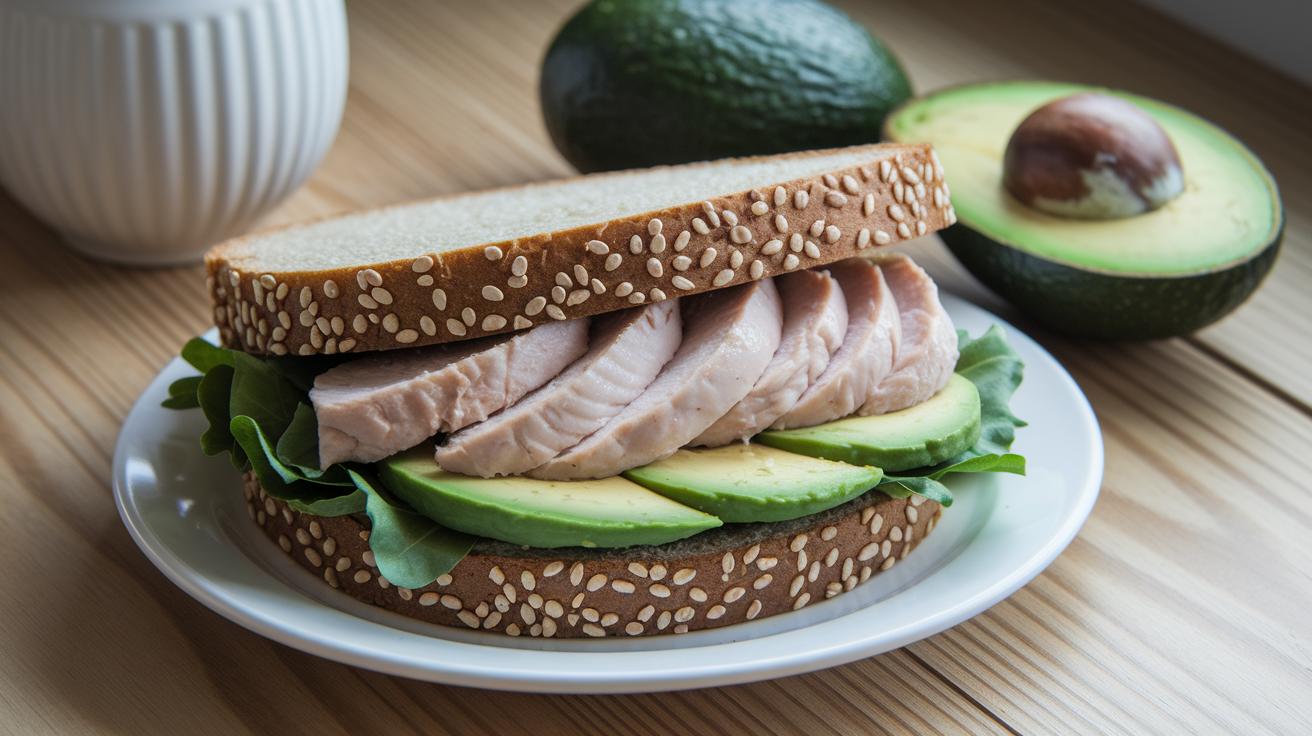
Try to balance your calories by making sure that about 45–65% come from carbohydrates, 10–35% from proteins, and 20–35% from fats. Choose wholegrains like rye, wholewheat, or barley to fuel your body. Lean proteins such as eggs, lean ham, or fish like salmon and haddock help keep you strong, while healthy fats from oily fish, nuts, and seeds round out your diet.
Below is a simple table that sums up these guidelines:
| Macronutrient | % of Daily Calories | Example Sources |
|---|---|---|
| Carbohydrates | 45–65% | Rye, wholewheat, barley |
| Protein | 10–35% | Eggs, lean ham, salmon, haddock |
| Fats | 20–35% | Trout, mackerel, nuts, seeds |
Imagine a meal that includes wholegrain bread, lean chicken, and avocado. Each part of the meal helps you hit your daily nutrition targets while keeping things tasty and satisfying.
Balanced Meal Schedule: Breakfast, Snacks, Lunch, and Dinner for Men
Balanced Breakfast Solutions: key components and examples
Starting your day with a hearty breakfast sets you up for success. It wakes up your metabolism and helps your muscles recover from the night’s rest. Try dishes loaded with protein like eggs, lean ham, or fish such as salmon and haddock. You can even add dairy or dairy-free options for an extra boost. For instance, a veggie omelet with a slice of wholegrain toast is a great way to get energy flowing in the morning.
Mid-Morning and Afternoon Snack Ideas: nutrient targets and options
Snacks between meals can really help keep your energy steady. They even count towards your daily fruits and veggies goal. Choose snacks that pack a nutritional punch, like spiced nuts, seeds, or a small serving of savory popcorn. Imagine grabbing a handful of roasted seeds for that satisfying crunch and quick energy boost when you need it most.
Wholesome Lunch Options: lean protein and fiber-rich carb combinations
Lunch is your chance to refuel with lean proteins and fiber-rich carbohydrates. Consider a plate of grilled chicken or fish on a bed of mixed greens, or a hearty sandwich on rye bread. Rye bread, for example, helps keep your blood sugar balanced well into the afternoon. Picture a turkey sandwich on rye loaded with fresh veggies, it’s both filling and energizing for the rest of your day.
Revitalizing Dinner Choices: carbs and healthy fats for recovery
Dinner gives you the opportunity to mix healthy carbohydrates with good fats, which help repair your body overnight and even support skin and hair health. Think about a plate of baked salmon paired with a serving of sweet potato and steamed broccoli. The oily fish offers important fats while a handful of nuts or seeds can add even more nutrition as you wind down for a good night’s sleep.
Portion Control and Hydration Tips in a Balanced Diet for Men
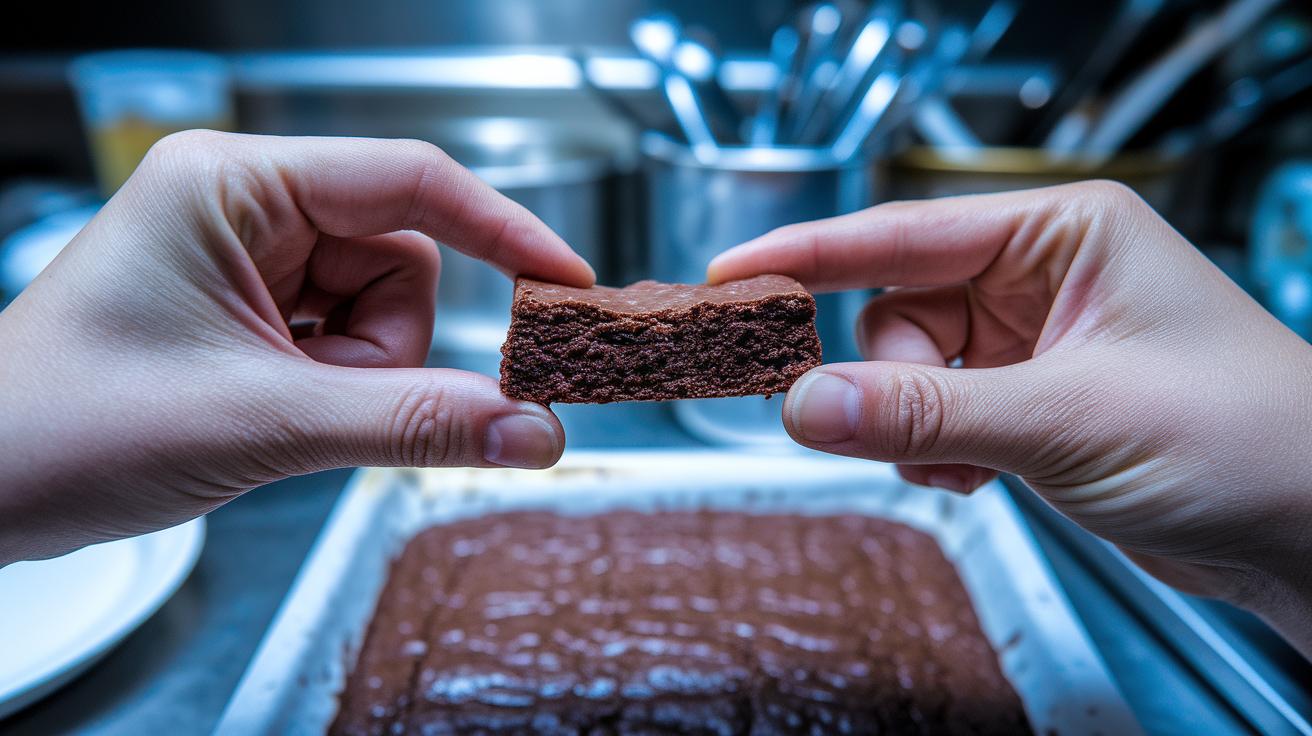
Getting the right portion size doesn’t have to be hard. Instead of stressing over every calorie, try using everyday items to measure your food. Imagine your favorite baked brownie or flapjack fitting nicely between two fingers. This simple trick can help you enjoy your meal without overeating.
Staying hydrated is just as important. Aim to drink about 3.7 liters of fluids each day, and let water be your top pick. Water helps move nutrients around your body and keeps key body processes running smoothly. It’s also a good idea to cut back on sugary drinks, which can make balancing your diet a challenge.
Sometimes, planning your meals means a bit of grocery shopping, too. You might find it useful to make a healthy eating list before your weekly market run. This way, you stick to smart portion choices and keep your meals balanced.
Remember, watching your portions and drinking enough water go hand in hand to keep you energized all day. Using friendly visual cues and regular water breaks can set you up for a sustainable diet that supports both your health and daily activities.
Customizing a Balanced Diet for Muscle, Weight Goals, and Preventive Health in Men
Tweaking your daily meals can really help you build muscle, manage your weight, and stay well. After a workout, try having a protein-packed meal, think grilled chicken with quinoa and veggies, to help your muscles repair and get the energy they need.
If you're working on lean muscle, keep your protein intake steady throughout the day. A few carbs will give you the boost you need without piling on extra calories, while healthy fats from foods like avocados, nuts, or seeds can aid hormone balance. Here’s one way to plan your meals:
- Enjoy a breakfast loaded with protein to start your day right.
- Have a lunch that mixes lean proteins with whole grains for steady energy.
- Add a colorful mix of fruits and vegetables to support your immune system and lower inflammation.
Fruits and veggies rich in antioxidants help fight inflammation and keep your immune system sharp. Even a small switch, like choosing whole grains over refined ones, can make a big difference. And if you’re watching your weight, paying attention to portion sizes and meal timing can keep your energy steady.
This personalized approach to nutrition not only fuels your daily routine but also supports your muscle-building, weight control, and long-term health goals.
Final Words
In the action, we broke down essential ways to plan your daily food routine. We touched on core nutrient targets, macronutrient breakdowns with real food examples, practical meal scheduling, and smart portion control with hydration. We also showed how to adjust these tips to support muscle maintenance, weight goals, and preventive health. This clear guide helps transform daily routines into personal health wins. A mindful approach to a balanced diet for men sets the stage for feeling better every day. Keep moving forward with positivity.
FAQ
What is a balanced diet for men or the perfect diet for a male?
A balanced diet for men means eating the right mix of carbohydrates, proteins, and fats along with fiber and vitamins. This plan usually targets about 2,500 calories for moderately active men.
What are the 7 things you need in a balanced diet for men?
The seven essentials include wholegrains, lean proteins, healthy fats, fruits, vegetables, dairy or alternatives, and fiber-rich foods. This blend offers the vital nutrients to support energy and health.
What is the healthiest food for a man to eat?
The healthiest food for a man typically involves nutrient-dense options like oily fish, leafy greens, and colorful fruits, providing essential vitamins, healthy fats, and antioxidants.
What does a 40-year-old male diet plan or men’s health diet plan involve?
A diet plan for a 40-year-old man focuses on balanced nutrition with lean proteins, wholegrains, healthy fats, and plenty of fruits and vegetables to fuel daily activities and support overall well-being.
How do I calculate the daily nutrition requirement for a male?
Calculating daily nutrition involves using tools that factor in age, activity level, and health goals to arrive at about 2,500 calories and the proper balance of carbs, proteins, fats, and fiber.
What is the best diet for men over 50?
For men over 50, the best diet emphasizes lean proteins, wholegrains, fruits, vegetables, and fiber while keeping saturated fats low, supporting heart health and steady energy levels.
How can I create a balanced diet chart or food list?
Creating a balanced diet chart means listing portions of carbs, proteins, fats, fruits, and vegetables according to recommended calorie and nutrient guidelines, making meal planning simpler and healthier.
What is a 7-day healthy eating plan for men?
A 7-day healthy eating plan offers a variety of meals that meet daily energy needs and nutrient guidelines. It includes balanced breakfast, snacks, lunch, and dinner options to keep you fueled throughout the week.
What are the male nutrition requirements?
Male nutrition requirements typically call for around 2,500 calories daily with a mix of 45–65% carbohydrates, 10–35% protein, 20–35% fat, and about 30g of fiber, supporting energy and muscle maintenance.

