
Ever notice how some meals leave you buzzing with energy while others just make you feel slow? A balanced diet is a smart way to give your body the fuel it needs. It means enjoying a mix of fruits, veggies, proteins, and grains, kind of like putting together a great recipe. In this post, we’ll explore how carbohydrates, proteins, and fats work together to keep you feeling strong and lively. We’ve even put together a simple guide to help you build meals that boost your well-being, one delicious plate at a time.
Balanced Diet Fundamentals and Macronutrient Ratios
Eating a balanced diet means mixing different foods to give your body what it needs to work its best. This includes not only the usual fruits, vegetables, proteins, and grains but also natural compounds like bioactive phytochemicals. These are things such as fiber and antioxidants (think of them as friendly helpers that fight off cell damage, check out what is a superfood here) and they help protect your body from everyday stress.
Keeping things balanced is really about the right mix. Experts say that about 60-70% of your daily calories should come from carbohydrates, the energy boosters that help you get through your day. Around 10-12% should come from protein, which helps build and fix your muscles. Then, 20-25% should come from fats that support important jobs like cell repair and hormone production. A helpful way to think about this is to imagine your plate divided into parts, half for fruits and veggies, one quarter for proteins, and one quarter for grains. This way, no single food group is overdone.
| Nutrient | Recommended % of Calories |
|---|---|
| Carbohydrates | 60-70% |
| Protein | 10-12% |
| Fat | 20-25% |
In everyday life, these ratios can guide your meal choices. Imagine starting your day with a bowl of whole-grain cereal topped with fruit, having a hearty salad with enough protein at lunchtime, and finishing off with a dinner that mixes colorful vegetables with grains. This approach not only fuels your body steadily but also makes eating both fun and easy.
Key Food Groups for a Balanced Diet
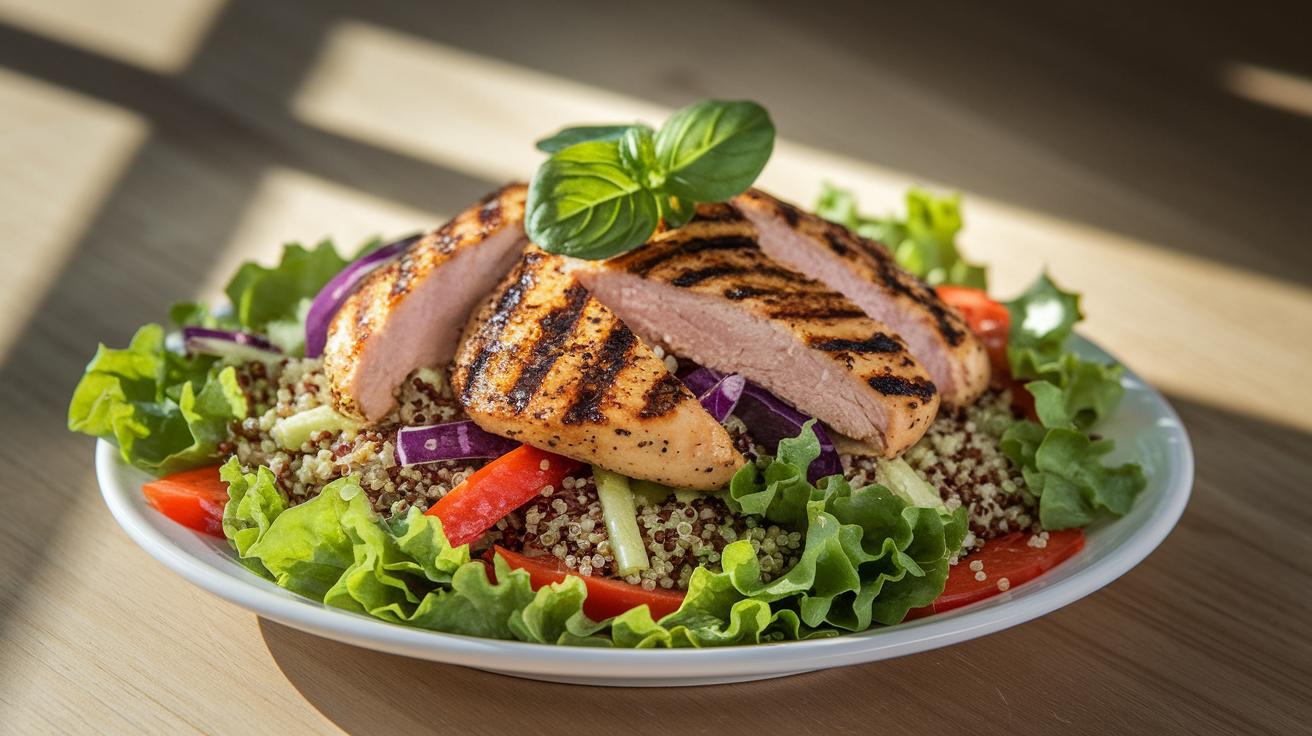
A balanced diet means you get a mix of foods that work together to keep you healthy. Every meal is like a small plan, so try to add lean proteins, whole grains, fruits and vegetables, dairy, and healthy fats. Fruits and veggies bring vitamins, minerals, and fiber to the table. Proteins from meat, beans, or fish help build and repair your muscles, while whole grains give you long-lasting energy. Dairy is important for strong bones because it provides calcium and vitamin D. Healthy fats keep your cells running smoothly. Think of your plate as an artist’s palette, mixing these groups makes everyday living feel a bit more vibrant. For example, you might enjoy a colorful salad with grilled chicken and a side of quinoa.
Meal planning doesn’t have to be a chore. A simple trick is to jot down your meals the night before; spend just a few minutes each evening planning tomorrow’s healthy dishes. This little routine can make grocery shopping easier and helps clear up the idea that balanced meals have to be complicated. Check out our grocery list for healthy eating (https://healthlystats.com?p=207) for more tips.
Balanced Plate and Portion Recommendations
The balanced plate idea is a handy visual, but you might want to include some seasonal produce to boost the nutrients in your meals. In the fall, for instance, try roasting squash and root veggies for extra flavor, while in the spring, fresh greens can add a crisp, refreshing touch. Different cultures even tweak their portions based on local habits. In Japan, for example, a meal might feature a small bowl of rice, a light soup, and a few side dishes, showing that adjusting portions to suit local lifestyles really works. Fun fact: researchers once found that changing portions with the seasons helped keep more nutrients in meals.
Some folks believe that skipping meals can help with weight loss, but newer research tells a different story. Experts now say that eating regular, well-timed meals can keep your energy steady throughout the day. They suggest, "Plan your meals around your daily routine so your body stays fueled all day." This means that having well-timed snacks along with your main meals can help prevent overeating and stabilize your blood sugar. For those with active or busy days, adding small, nutrient-rich snacks helps you stay balanced while keeping your portions flexible.
Health Advantages of a Balanced Diet
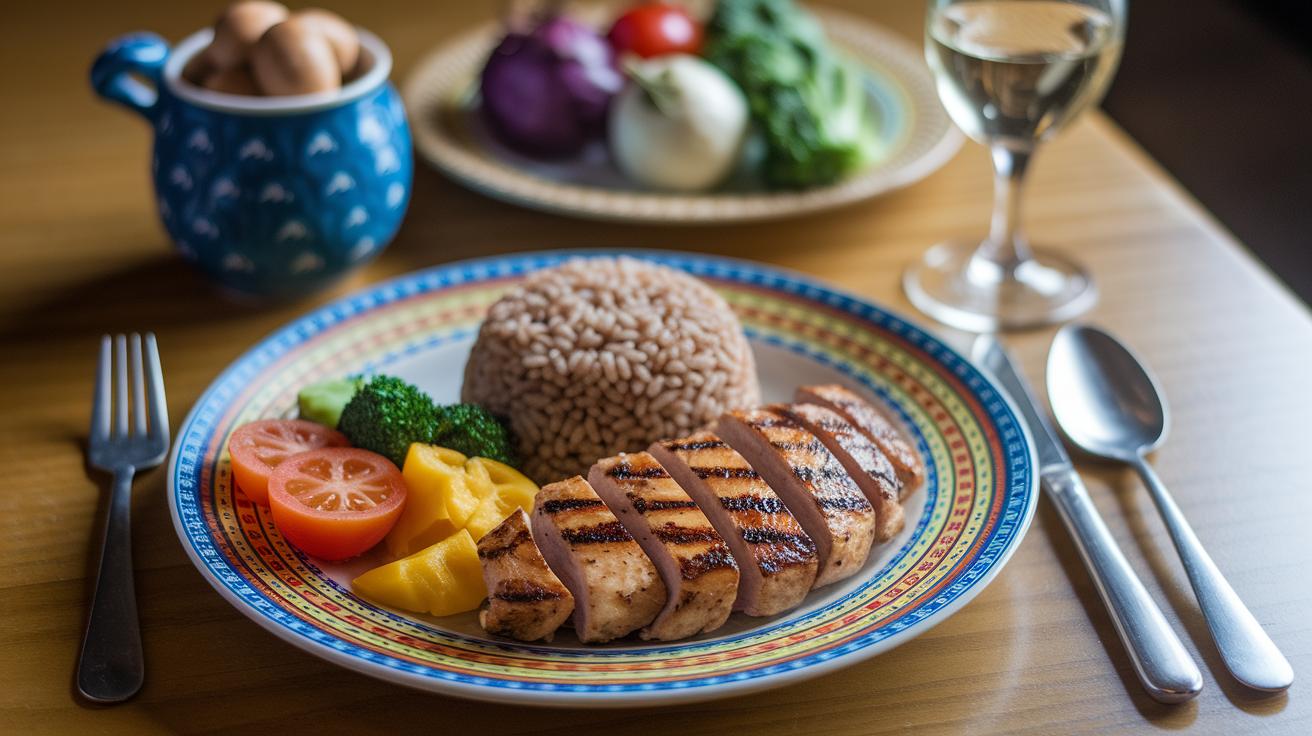
Eating a balanced diet fills you with enough energy and helps your body work the way it should. When you enjoy a mix of fruits, veggies, proteins, and grains, your muscles, brain, and heart can perform their jobs smoothly. It’s like fueling up your car with the best gas to make sure it runs all day long.
Good eating habits also boost your immune system and help you maintain a healthy weight. With the right nutrients, your body builds up its defenses against common bugs, keeping you feeling stronger. Plus, enjoying balanced meals made up of whole foods can keep your metabolism steady, so you avoid those energy dips that slow you down.
Over time, sticking with a balanced diet pays off by lowering the risk of long-term health problems. A diet that includes all food groups can mean fewer health issues, better sleep, a brighter mood, and more focus on your everyday tasks. In short, treating your body right is one of the best ways to keep feeling good and stay active.
what is a balanced diet: Smart, healthy life
Meal planning works best when you keep it simple and realistic. Think of your meal plan like a map that guides you to choose fresh, whole foods over processed ones. For instance, if you need a quick snack, go for a health bar that isn’t too processed. And if you spend a few minutes each evening jotting down ideas for the next day, you’ll be less likely to stray from your healthy eating choices at the last minute. You might even try a meal planner for healthy eating (https://healthlystats.com?p=28) to get extra help keeping your week on track.
For breakfast and lunch, aim for meals that are both tasty and balanced. Imagine starting your day with a warm bowl of oatmeal, fresh fruit, and a sprinkle of nuts for extra protein and fiber. If you’re on the go, a simple health bar can fuel you up without any extra fuss. Then at lunchtime, a sandwich or wrap on whole-grain bread filled with lean proteins like turkey or beans, along with crisp lettuce, tomatoes, and some raw veggies, can help keep your energy steady through a busy morning and early afternoon.
Dinner should be equally satisfying and nourishing. Picture a dinner plate with lean grilled chicken or your favorite plant-based protein, paired with whole grains such as brown rice and a heap of steamed vegetables for the vitamins and fiber your body needs. And when you have a little sweet craving, let yourself enjoy a small dessert made with wholesome ingredients. This way, you bring both fun and health into your balanced diet every day.
What is a balanced diet: Smart, healthy life

When we talk about a balanced diet, it means enjoying a mix of food groups like fruits, veggies, whole grains, lean proteins, dairy, and healthy fats. Sometimes swapping in seasonal favorites, like juicy summer berries or warm winter squash, can naturally boost your nutrition.
Paying attention to portion sizes helps you get the best out of every meal. You can use your hand as a simple guide, a palm for protein and a fist for veggies. It might surprise you that before these easy hand measurements were popular, many people had no idea they could naturally balance their meals this way.
Keeping a regular meal schedule also makes a big difference. Studies show that those who eat at set times are less likely to grab quick, less nutritious options. So, why not try planning a mid-morning snack or setting a fixed dinner time? Research even finds that sticking to regular meal times helps keep your energy steady and your metabolism on track.
Final Words
In the action, this post walked through the basics of a balanced diet by breaking down essential macronutrients, key food groups, and practical portion standards. It unraveled how a meal should balance fruits, proteins, grains, and fats while also sharing ideas for smart meal plans and daily eating rhythms.
The insights here simplify how to track your progress and support overall wellness. All these tips answer what is a balanced diet and guide you toward a healthier, more energetic lifestyle.
FAQ
What is a balanced diet in Class 6 and Biology?
A balanced diet means eating different food groups in proper portions—like fruits, vegetables, proteins, grains, and dairy—to supply our energy and nutrients.
What is a simple definition of a balanced diet and a short answer explanation?
A balanced diet is one that includes the right mix of carbohydrates, proteins, and fats, along with fruits and vegetables, ensuring your body gets what it needs.
Define balanced diet with an example.
A balanced diet example might be a plate with half fruits and vegetables, one quarter lean protein, and one quarter whole grains, meeting your energy and nutrient requirements.
What is included in a balanced diet food list or chart?
A balanced diet food list features colorful fruits and vegetables, lean proteins, whole grains, low-fat dairy, and healthy fats, presented in a chart to guide daily meal portions.
Why is a balanced diet important?
A balanced diet is important because it supplies energy, supports organ functions, boosts the immune system, and helps prevent diseases through a steady supply of vital nutrients.
What does a balanced meal consist of?
A balanced meal consists of a mix: mostly fruits and vegetables, a portion of protein, and a serving of grains, ensuring you get vitamins, fiber, and energy.
What are the 7 things you need in a balanced diet?
In a balanced diet you need fruits, vegetables, grains, proteins, dairy, healthy fats, and water to cover a full range of nutrients for body support.
What are 5 balanced diets?
Five balanced diets include models like Mediterranean, DASH, plant-based, low-carb balanced, and traditional food pyramid plans, each offering varied nutritional benefits.

