Have you ever thought that a few small steps could keep you and your family safe from tuberculosis? TB travels through tiny droplets in the air that can catch anyone off guard. Each simple action, like keeping your distance or using proper protection, is like adding an ingredient to a trusted recipe. Together, they create a strong shield against the disease.
In this post, we'll share easy, clear tips to help you fight TB and protect your community. Stick with us for straightforward advice that can make a big difference.
tuberculosis disease prevention: Simple Steps for Safety
Tuberculosis is an illness that spreads when someone with active TB coughs, sneezes, or even talks. Tiny droplets filled with TB bacteria can travel through the air, so it’s a smart idea to keep some space between you and someone who might be sick, especially in crowded spots.
If you have active TB, it’s important to stay home until your doctor confirms you’re no longer contagious. Think of it like following a step-by-step recipe, if you skip a step, the final dish might not come out right. Taking your medication exactly as prescribed for 6 to 12 months is key to stopping the infection from coming back or spreading.
There are also other ways to keep TB under control. For example, if you have latent TB (where the bacteria are present but not active), taking preventive medicine can stop it from becoming active. Wearing masks and ensuring good airflow indoors help clear the air of harmful particles. Even though a vaccine called BCG exists, it isn’t usually recommended in the United States.
When you combine these methods, keeping a safe distance, following a treatment plan, and creating a healthier environment, you create a strong defense for yourself and your community. Remember, just like sticking to your daily routine can lead to great results, following these steps can make a big difference in preventing TB.
Infection Control Measures in Tuberculosis Disease Prevention

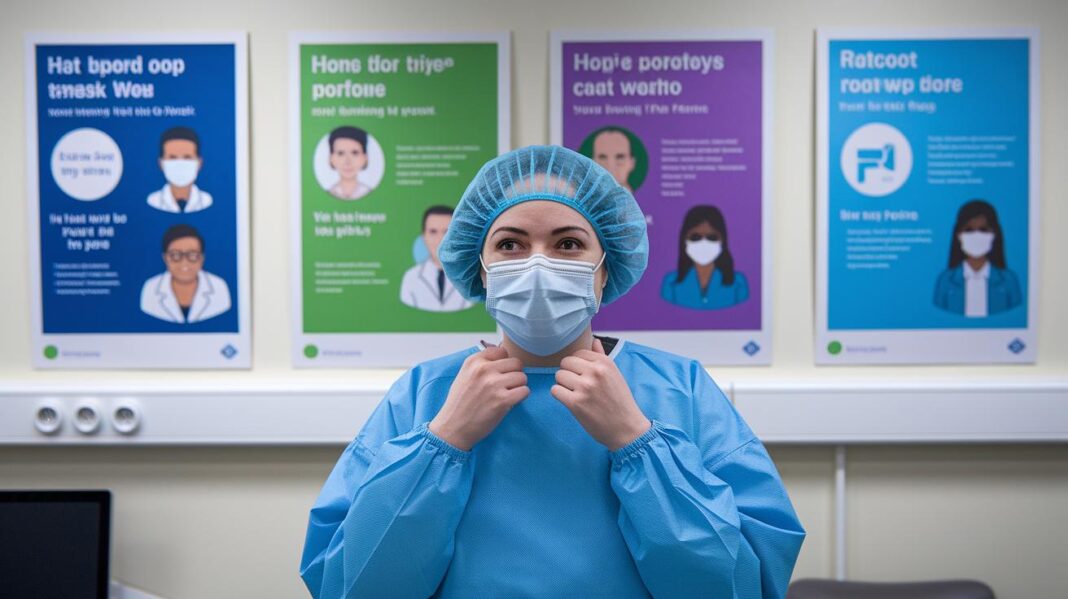
Airborne controls are essential for keeping TB from spreading. TB bacteria float in the air when someone coughs or sneezes, so using good ventilation, maintaining a safe distance, and wearing proper protective gear all work together to create a strong barrier against infection.
- Keep a distance of at least 6 feet from people with active TB.
- Wear N95 or higher-grade respirators in high-risk areas.
- Boost airflow by using both natural and mechanical ventilation.
- Use UV germicidal irradiation in small or confined spaces.
- Regularly train everyone on droplet precaution methods to ensure proper safety practices.
In everyday situations, these steps make a big difference. For instance, staying at least 6 feet away from someone with active TB and wearing an N95 in busy or clinical areas are simple yet powerful ways to stop the spread. Even minor changes, like opening a window to improve air quality, can clear out harmful particles much like airing out a stuffy room.
In places where the risk is higher, like hospitals, keeping up with staff training and following droplet precautions means everyone is ready and knows what to do. Consistently using these safety measures adds up, providing strong protection for both individuals and communities.
Vaccination and Prophylactic Therapy in Tuberculosis Prevention
Many countries with high TB rates use the BCG vaccine. This vaccine uses a live, weakened strain of the bacterium Mycobacterium bovis to give your immune system a little heads-up, helping it stay alert. In the United States, however, the vaccine isn’t part of the regular immunization schedule because TB cases are low and the health guidelines are different.
Doctors often suggest taking antibiotics as a preventative measure for latent TB, which means the TB bacteria are in your body but not yet making you sick. Most times, this means taking medications like isoniazid or rifampin for a period of three to nine months. It’s really important to stick to the schedule because doing so not only stops the hidden bacteria from becoming active but also cuts down the chance of them becoming resistant to drugs. Health experts, including those at the CDC, recommend keeping a close eye on how you’re doing and following the treatment exactly as prescribed.
For those at higher risk, this method acts as a practical shield to stop latent infections from turning into active cases. Staying consistent with your daily treatment truly builds a strong layer of protection for you and everyone around you.
Screening and Early Detection for Tuberculosis Prevention
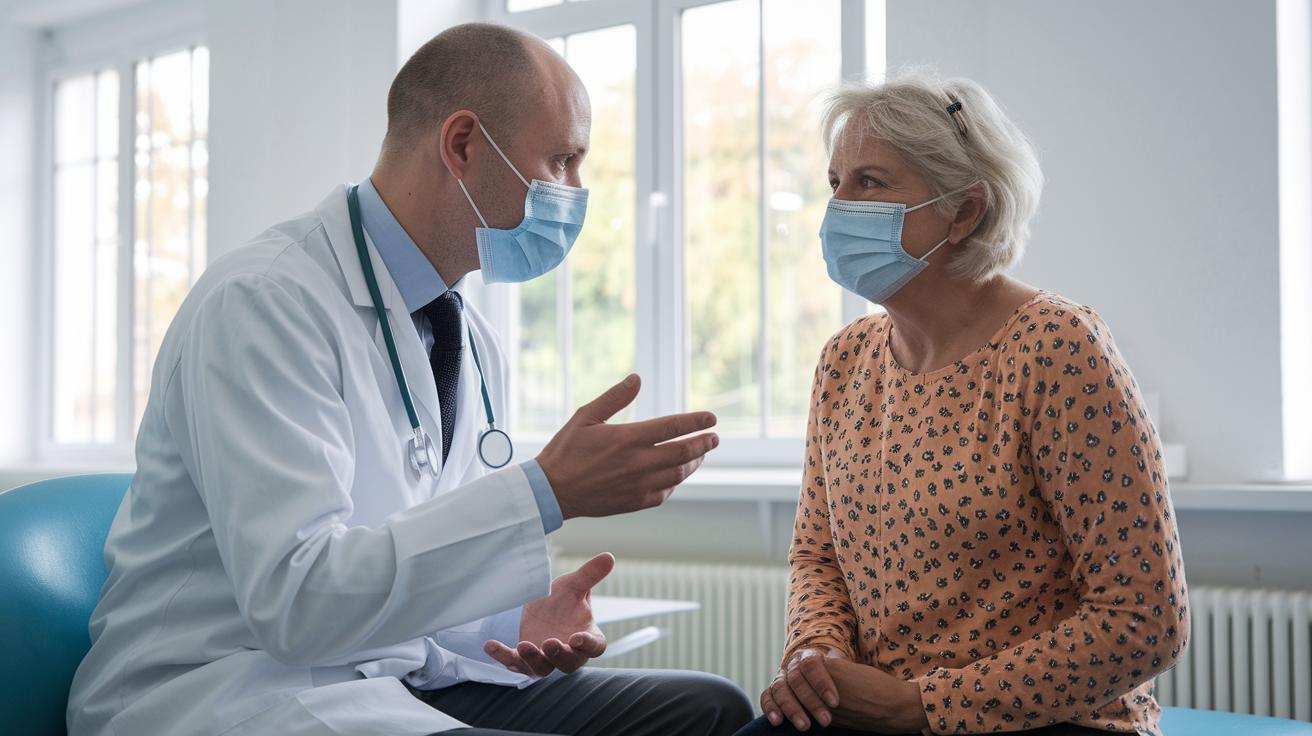
Detecting TB early is really important. When we catch both hidden and active TB before symptoms get severe, we can start treatment right away and stop the bacteria from spreading to others. Regular tests for people at risk help doctors begin treatments that protect our families, workplaces, and communities.
Doctors and clinics are required by law to report cases of TB as soon as they spot them, usually within 24 hours. This quick action means experts can check patients quickly, isolate them if needed, and prevent the bacteria from infecting more people. Plus, health professionals talk with patients about TB, explaining the risks, making sure they remember their check-ups, and sharing simple tips to stay safe.
| Method | Purpose | Suggested Frequency |
|---|---|---|
| Tuberculin Skin Test (TST) | Finds hidden TB | Every year for those at high risk |
| IGRA Blood Test | Checks your immune response to TB | One-time, unless re-exposed |
| Chest X-Ray | Looks for lung problems | When symptoms appear |
Community and Household Approaches to Tuberculosis Disease Prevention
When someone around you has active TB, it increases the chances of others getting sick. Keeping our homes and communities safe means taking simple, clear steps to lower the risk of spreading TB. We can do this by quickly identifying those who might have been exposed and then reducing close contact until the risk is gone.
- Open windows for fresh air
- Set up a separate resting spot for the person with TB
- Wear face masks when you're sharing spaces
- Check everyone at home for symptoms
- Work with local health teams for contact tracing
- Join community sessions to learn more
Community programs and local meetings are very important. They help fight the stigma around TB and make it easier for everyone to understand the signs to look for. By following easy guidelines like creating separate spaces and using masks, people can feel safer at home. Health departments also help by tracking contacts and offering quick testing and advice. As more people join these programs, the whole community benefits from a clearer, safer way to manage TB, showing that simple actions can really make a big difference.
Immune Support Strategies to Prevent Tuberculosis Progression

Keeping your immune system strong is one of the best ways to lower your risk of TB becoming active, especially if your immunity isn’t at its best, like for people living with HIV. Eating a balanced diet full of vitamins and minerals, like vitamin D, can give your body a helping hand. Vitamin D works by keeping your lungs strong and your body’s natural defenses in check. Fun fact: did you know that a little extra vitamin D might lower your chance of getting respiratory infections?
Simple lifestyle changes can also make a big difference. For example, quitting smoking and keeping your blood sugar levels in check if you have diabetes can reduce the chance of TB becoming active. Besides eating healthy, try fitting in some daily exercise. Small swaps, like trading sugary drinks for water, can help boost your overall wellness and natural ability to fight off TB bacteria. Keeping a steady sleep routine and managing stress every day are also key steps to maintaining a strong immune system.
Healthcare Environmental Controls for Tuberculosis Disease Prevention
Hospitals and clinics face a higher chance of being exposed to TB, so it’s really important to have good controls in place. They use special rooms with negative-pressure isolation that push out dirty air to stop it from drifting to other parts of the building. They also use HEPA filters to catch tiny particles in the air, and they keep their HVAC systems well maintained, kind of like making sure your bike is always in tip-top shape. Another smart tool is ultraviolet light in ceiling fixtures, which can weaken TB germs floating around.
These safeguards work even better when combined with strong team practices. Staff get regular training on how to handle airborne germs, including how to quickly move anyone showing TB signs into an isolation room. This fast action helps cut down the chance of spreading the illness to others.
Altogether, these steps make up the core of keeping infections at bay in healthcare places. By mixing the right room airflow, smart air filters, and UV light strategies with well-prepared staff, hospitals build a safer space for everyone. It’s a setup that works smoothly, ensuring that every part does its bit to keep TB from spreading.
Final Words
In the action, clear strategies, from airborne controls and early detection to immunization, daily routines, and environment upgrades, stand out in our fight for tuberculosis disease prevention. Each method contributes to a safer community and healthier individuals.
Every step, from proper screening to bolstering immune support, shows how small changes lead to big improvements. Keep applying these practical approaches to rise above health challenges and boost everyday vitality.
FAQ
How can I prevent tuberculosis transmission?
The prevention of tuberculosis transmission involves early screening, proper treatment adherence for both active and latent infections, physical distancing, respiratory hygiene, and well-ventilated environments to reduce bacterial spread.
What methods help reduce TB spread in community and healthcare settings?
The control of TB spread combines using face masks, maintaining good airflow, isolating infectious individuals, applying droplet precautions, and following strict treatment protocols in both community and clinical environments.
How does tuberculosis harm the body?
The harm from TB comes from its infection of lung tissues that causes inflammation and damage; if the bacteria spread, they can affect other organs, potentially leading to severe respiratory failure and complications.
Can tuberculosis be permanently cured, or can it stay with you?
The treatment for TB can permanently cure active disease when completed fully, though in some cases latent bacteria may persist, making ongoing monitoring and possible preventive care advisable.
What precautions should a TB patient take?
TB patients should isolate during active infection, strictly follow their medication schedule, practice good respiratory hygiene by wearing masks, and stay in regular contact with healthcare professionals to manage their condition.

