
Ever wonder if lifting weights can do more than just build muscle? Strength training jumps your metabolism into gear, turning every rep into extra calorie burn even after you leave the gym.
Your muscles work like little engines, keeping your body busy for up to 48 hours post-workout. In simple terms, they keep firing on all cylinders long after your session ends.
In this article, we show you how these exercises help build lean muscle while also giving your metabolism a steady boost. Imagine feeling energized throughout your day, knowing your workout is working for you even when you're not at the gym.
How Strength Training Boosts Metabolism: Feel Energized
Strength training isn’t just about bulking up; it gives your metabolism a steady boost too. When you lift weights, your muscles grow stronger and start working like tiny engines that keep burning calories, even when you’re just relaxing.
After a workout, your body doesn’t simply wind down. Instead, it enters a phase called EPOC, which stands for excess post-exercise oxygen consumption. In simple terms, this means your body keeps using extra energy to repair muscles and restore balance for up to 48 hours. It’s like your body is tidying up after a big celebration, slowly working away to keep you feeling energized.
Many people worry that lifting weights might make them look bulky, but that’s just not true. Strength training builds lean muscle, which burns more calories than fat does. The more lean muscle you have, the higher your daily calorie burn, even when you’re not working out. With this approach, you not only work hard during your workout but also keep your metabolism firing throughout the day.
Hormonal and Physiological Mechanisms in Resistance Training Metabolism
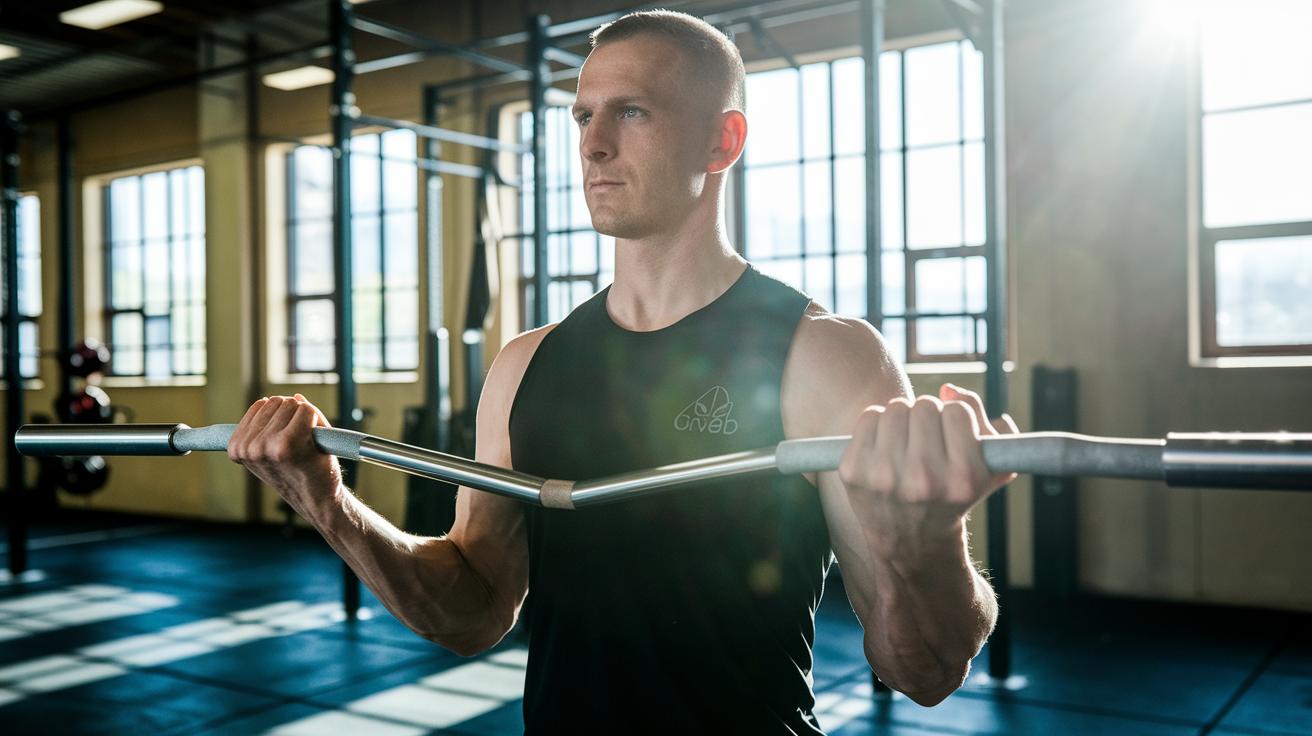
When you do resistance exercises, your body sends out a message to release growth hormone and testosterone. These two key chemicals kick-start the process where your muscles repair and grow stronger, kind of like adding more bricks to a wall. Different workout techniques target your muscle fibers in their own way, which shows that your body can react in many different ways.
Resistance training also helps your body handle sugar better by boosting insulin sensitivity. In simple terms, when your body becomes more sensitive to insulin, it uses and stores energy more efficiently, which keeps your blood sugar levels steady throughout the day. This not only helps balance your energy but also keeps your overall metabolism calm and steady.
Regular workouts make small changes to the way your muscles and nerves work together. This means you can burn more calories even when you’re just relaxing. There’s also an afterburn effect, when your body keeps burning extra calories long after you finish exercising, which helps keep your metabolism active and on fire.
Metabolic Effects: Weightlifting Versus Cardio
Cardio workouts, like running or cycling, help you burn lots of calories while you’re doing them. But strength training does something special, it builds muscle that keeps your body burning extra calories even when you’re just chilling. This boost in calorie burn after your workout is called the afterburn effect (or EPOC), and it’s much stronger with weightlifting. In other words, cardio gives you an instant calorie burn, but strength training helps raise your resting metabolism for long-lasting benefits.
| Exercise Type | Calorie Burn During | Afterburn (EPOC) | Long-Term Metabolic Change |
|---|---|---|---|
| Cardio | High during exercise | Low to moderate effect | Limited muscle growth |
| Strength Training | Moderate during exercise | High and sustained | Increased muscle mass raises resting metabolism |
Mixing both aerobic and resistance exercises can shake up your routine and help melt away fat more effectively. When you add strength training to your workouts, your body gets used to burning more energy even after you’re done exercising. Ever wonder what strength training really means? Think of it as doing exercises that build lean muscle, which in turn keeps your metabolism revved up all day long.
Designing Strength Workouts for Optimal Metabolic Boost

When planning your strength workouts, keep your routine consistent and full of energy to give your metabolism a real boost. Aim for 3–5 sessions per week because even one extra workout can help your body burn more calories, even when you're at rest. Adding resistance training not only builds muscle but also keeps your calorie burn going strong for hours after you've finished.
- Frequency – Plan for 3–5 workouts weekly to keep your metabolism in gear.
- Volume – Adjust your sets and reps so they match your fitness level and goals.
- Progressive Overload – Gradually increase weights, add more reps, or include extra sets to keep challenging your muscles.
- Rest Intervals – Keep your breaks short to maintain a higher heart rate and support the afterburn effect.
- Circuit Training – Mix various exercises together in a circuit to ramp up the intensity and overall calorie burn.
- Variation – Switch up exercises and equipment often to challenge different muscles and avoid hitting a plateau.
Staying on track is key. Keep tweaking your intensity and mix up your workouts to keep things fresh. For an example of a balanced plan that builds consistency and boosts your metabolism long term, check out this sample weekly routine in our strength training program for weight loss (https://healthlystats.com?p=166).
Sustained Metabolic Changes from Long-Term Strength Training
When you stick with strength training, your muscles and nerves team up to keep your metabolism firing even when you're taking it easy. Over time, your muscles learn to work smarter, so your body burns calories faster throughout the day.
Building muscle, also known as hypertrophy, means your body uses more energy just by being alive. Studies show that more muscle can boost your resting metabolism by as much as 15%. This extra muscle keeps your calorie burn steady, even when you're not working out.
Regular resistance workouts help stop the slow-down that often comes with dieting. By keeping your muscles strong, you avoid that drop in metabolism that many people face when they lose weight. Instead of holding back, your body keeps on burning calories thanks to your extra muscle.
After months of training, your body gets really good at turning stored fat into energy. With more lean muscle, these benefits stick around and keep your metabolism working hard, even when you're at rest. This steady burn of fat is key to maintaining an active metabolism and improving your overall body shape over time.
Nutrition Strategies to Amplify Strength Training Metabolic Benefits
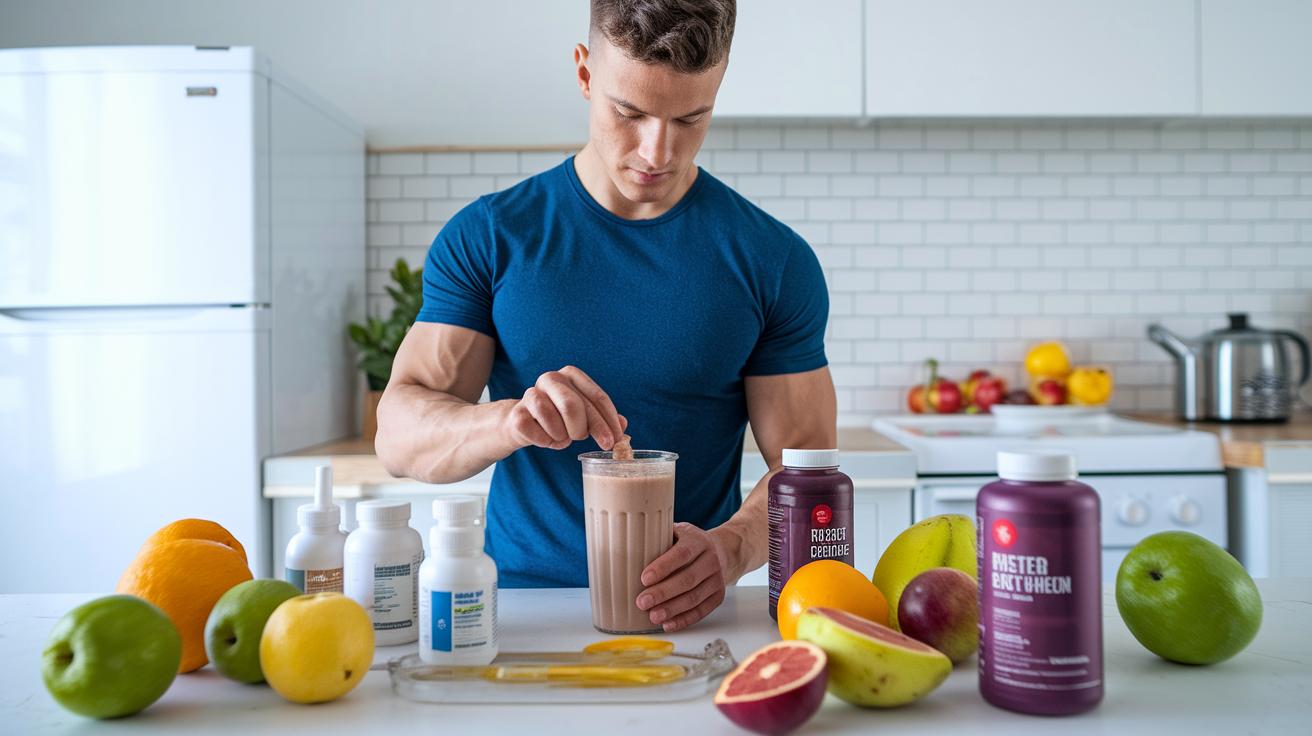
Protein is key when it comes to building muscle and boosting calorie burn. Studies show that eating about 1.6 to 2.2 grams of protein per kilogram of body weight helps support muscle repair and growth. Pair your protein with some carbs right after a workout to give your body quick fuel for recovery and keep your metabolism working strong.
It's important to match your daily calorie intake with your fitness goals. Think of it like cooking your favorite dish, a mix of proteins, fats, and carbs gives you the energy you need to lift while also helping your body burn calories all day long. Adjusting your calories can make a big difference in reaching your muscle-building or fat-loss targets.
Don't overlook small but mighty details, like key vitamins and staying hydrated. Micronutrients such as iron, vitamin D, and magnesium help your muscles work smoothly. And water? It's essential. Drinking plenty of water along with a variety of nutrient-rich foods keeps your muscles at their best during workouts and throughout your day.
Final Words
In the action, strength training builds lean muscle that elevates your resting metabolic rate, turning your body into a steady calorie burner. It sparks an afterburn effect, keeping you energized long after your workout.
Combining smart lifting routines with balanced nutrition shows exactly how does strength training boost metabolism. Every session contributes to improved muscle tone and higher energy, helping you make positive daily choices for better health.
Keep moving forward with confidence, and enjoy the boost in vitality that comes from a proactive lifestyle.
FAQ
Q: How does strength training boost metabolism for weight loss and fat loss?
A: Strength training boosts metabolism by building muscle that burns more calories at rest. Increased muscle mass raises basal metabolic rate and triggers an afterburn effect, promoting ongoing calorie burn to aid weight loss and fat loss.
Q: How much does strength training increase metabolism?
A: Strength training increases metabolism by building lean muscle, which typically raises resting calorie burn by around 7–15%. The exact boost varies with individual fitness levels and workout intensity.
Q: What are some common strength training exercises?
A: Common strength training exercises include weight lifting with free weights or machines, bodyweight movements like push-ups and squats, and resistance band routines. These exercises build muscle and support a higher metabolic rate.
Q: What are the drawbacks of weight training?
A: Weight training drawbacks include a risk of injury without proper form, muscle soreness, and the need for gradual progression to avoid overtraining. Using correct technique and a balanced regimen helps reduce these issues.
Q: What benefits does weight training offer, especially for women?
A: Weight training offers benefits such as building lean muscle, increasing metabolism, improving bone density, and enhancing mood. For women, it also helps tone the body, boost strength, and support overall health without adding unwanted bulk.
Q: What exercise boosts metabolism the most?
A: Heavy resistance workouts boost metabolism the most by building muscle and triggering the afterburn effect. This sustained calorie burn continues as the body recovers, making strength training especially effective for long-term metabolic health.
Q: How long does metabolism stay elevated after lifting weights?
A: After lifting weights, your metabolism can remain elevated for up to 48 hours as the afterburn effect keeps calorie burn high while your body repairs and strengthens muscle tissue.

