
Ever feel like your day is too busy for a proper workout? HIIT workouts give you a burst of energy in just a few minutes. They make your heart pump hard, which boosts your metabolism long after you're finished.
Even a quick five-minute session can leave you feeling strong and refreshed. Whether you're new to working out or already active, HIIT is an easy way to build strength and stamina without spending hours at the gym.
HIIT Workouts for Every Fitness Level: Time-Efficient Routines
HIIT workouts give you quick bursts of intense exercise at about 80-95% of your max heart rate with short breaks in between. Even a 5-minute session can boost your metabolism, thanks to extra oxygen use after you finish. These routines are great if you want a full body sweat without a long gym session. Picture doing eight different moves, each for 30 seconds followed by 10 seconds of rest, it’s short, intense, and gets your heart racing.
This plan offers workout options no matter where you are in your fitness journey. If you’re just starting out, you might try a 5-minute bodyweight circuit to build the basics. If you’re a bit more experienced, a 12-minute Dumbbell AMRAP with 45 seconds of work and 15 seconds rest adds strength training. And if you’re up for a challenge, a 20-minute EMOM routine with 10 rounds of 60 seconds on and 60 seconds off will test both your endurance and muscle strength. Each plan is built to save time while giving you both muscle work and a cardio boost.
| Level | Routine | Duration | Key Exercises |
|---|---|---|---|
| Beginner | Plyometric Bodyweight Circuit | 5 Minutes | Jump squats, push-ups, lunges |
| Intermediate | Dumbbell AMRAP | 12 Minutes | Dumbbell swings, presses, rows |
| Advanced | EMOM Challenge | 20 Minutes | Burpees, mountain climbers, box jumps |
Each HIIT routine is all about getting a full body workout in a short time. You can easily adjust the intensity depending on how fit you are, making these sessions both powerful and time-saving. Enjoy the challenge and feel the rush as you work towards a healthier you!
HIIT Workout Benefits and the Science Behind Interval Training
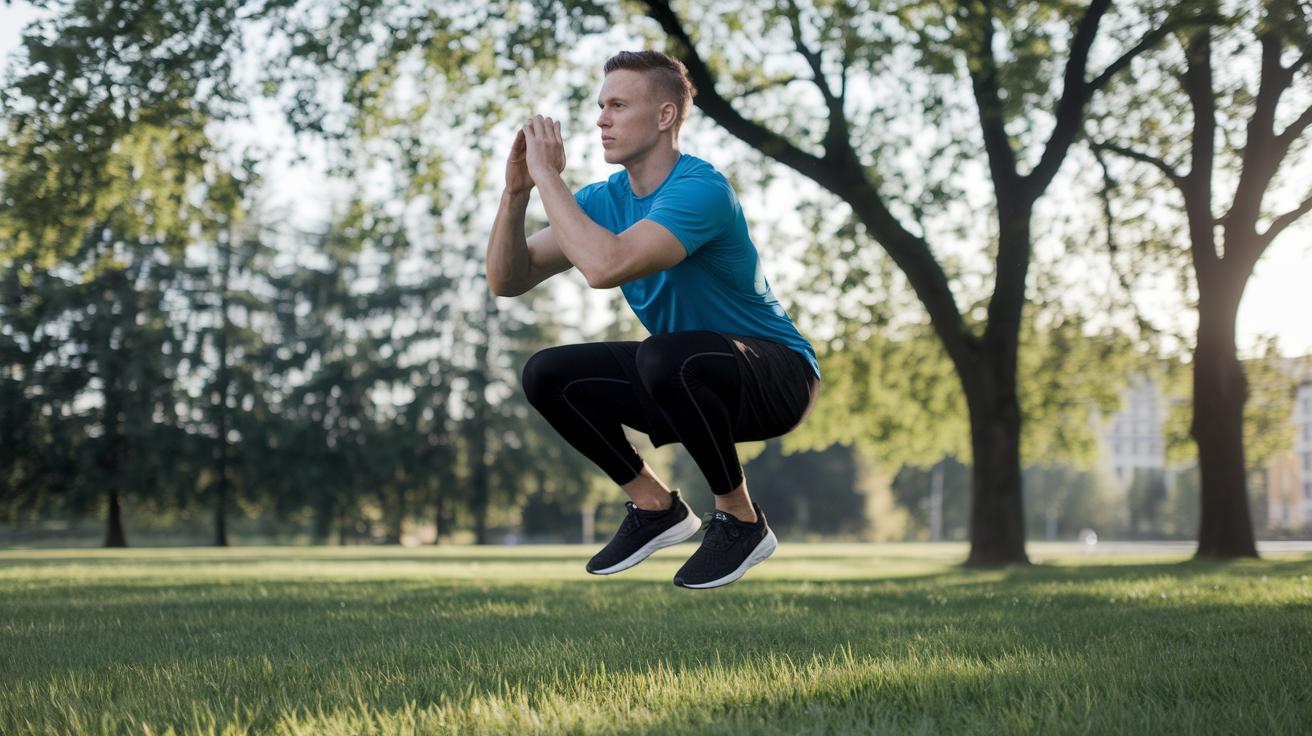
HIIT workouts mix short, intense bursts of exercise, hitting about 80-95% of your peak heart rate, with gentle periods of recovery. Research shows that this approach not only helps reduce body fat but also lowers your resting heart rate and blood pressure, especially in those who are overweight. One study, for instance, found that just a few weeks of HIIT led to noticeable drops in blood pressure. Plus, these workouts boost insulin sensitivity and help lower blood sugar levels, promoting a healthier overall balance.
The metabolic perks of HIIT are pretty impressive. You might have heard of something called excess post-exercise oxygen consumption, or EPOC. It simply means that even after you finish your workout, your body continues burning calories at a higher rate. This extra boost can keep your metabolism revved up for hours, giving you more energy throughout the day. In many cases, the increase in oxygen use (what we call VO₂ max, the max amount of oxygen your body uses during exercise) is similar to what you'd see from traditional endurance training, making even a quick HIIT session very effective.
And there’s more good news for your heart. As HIIT helps lower both heart rate and blood pressure while improving insulin sensitivity, your body becomes more efficient at handling everyday activities. It’s like getting your internal engine finely tuned. Overall, these combined benefits contribute to a stronger cardiovascular system and better overall fitness.
HIIT Workouts with Minimal Equipment: Dumbbell and Bodyweight Circuits
When you work out with just a few tools like dumbbells or your own body weight, you get to control how hard you push yourself. You can change your speed or adjust your form, which helps you work your muscles better and keeps things safe. It’s a bit like slowly enjoying each bite of your favorite treat.
Exercises such as burpees, jump squats, and mountain climbers rely on clear, deliberate moves as much as quick bursts. By changing how fast you go, you can shift your focus between building strength and getting your heart pumping. For example, try slowing down during the pushup part of a burpee to really feel each muscle working, then pick up the pace for the jump.
Adding dumbbell intervals into your routine gives you extra resistance and builds strength over time. Using light weights between 5 to 15 pounds, you can try a short burst routine like a 12-minute Dumbbell AMRAP. A smart tip if you’re just starting out is to allow a few extra seconds of rest, then slowly cut back as your endurance improves.
Outdoor HIIT Workouts and Calisthenics Interval Training

Outdoor HIIT sessions add a refreshing twist to your fitness routine. Picture yourself sprinting and doing bodyweight exercises on different surfaces like grass, hills, or pavement. This mix not only gets your heart pumping but also strengthens the smaller muscles that help you balance. For instance, trying 10 sets of 20-second sprints with a 40-second break works wonders, especially when you’re in a park enjoying nature.
Start small by doing shorter bursts, and as you get fitter, gradually extend your work intervals. It’s fun to switch things up with moves like push-ups, walking lunges, or squat jumps. Just make sure you adjust the intensity based on the terrain so you can push yourself safely.
- Sprint intervals (10×20-second all-out sprints with 40-second rest)
- A push-up and high-knee combo on a flat track
- Walking lunges on a grassy field
- Squat jumps on a gentle slope
- A calisthenics circuit mixing push-ups, lunges, and planks
Mixing these drills into your routine helps you enjoy the benefits of open-air exercise while keeping every workout exciting and new.
Structuring HIIT Workouts: Warm-Up, Intervals, and Cool-Down
Start your workout with a quick 5-minute warm-up. Try leg swings, arm circles, and high knees to stir up your muscles. This routine gently lifts your heart rate and gets you ready for the harder parts ahead. Think of it like starting your engine before hitting the track, it helps lower your chance of injury.
Next, during the main workout, mix short bursts of full effort with planned rest periods. You might work and rest for equal times, or add a bit more recovery if you’re pushing hard. Taking a 15–30 second break lets you catch your breath without losing your momentum.
Finally, wrap up with a 5–10 minute cool-down. Do some light cardio and static stretches to slowly bring down your heart rate while easing your muscles. This cool-down step not only cuts the risk of injury but also gets you set for your next session.
HIIT Workouts: Energizing, Quick Fitness Routines
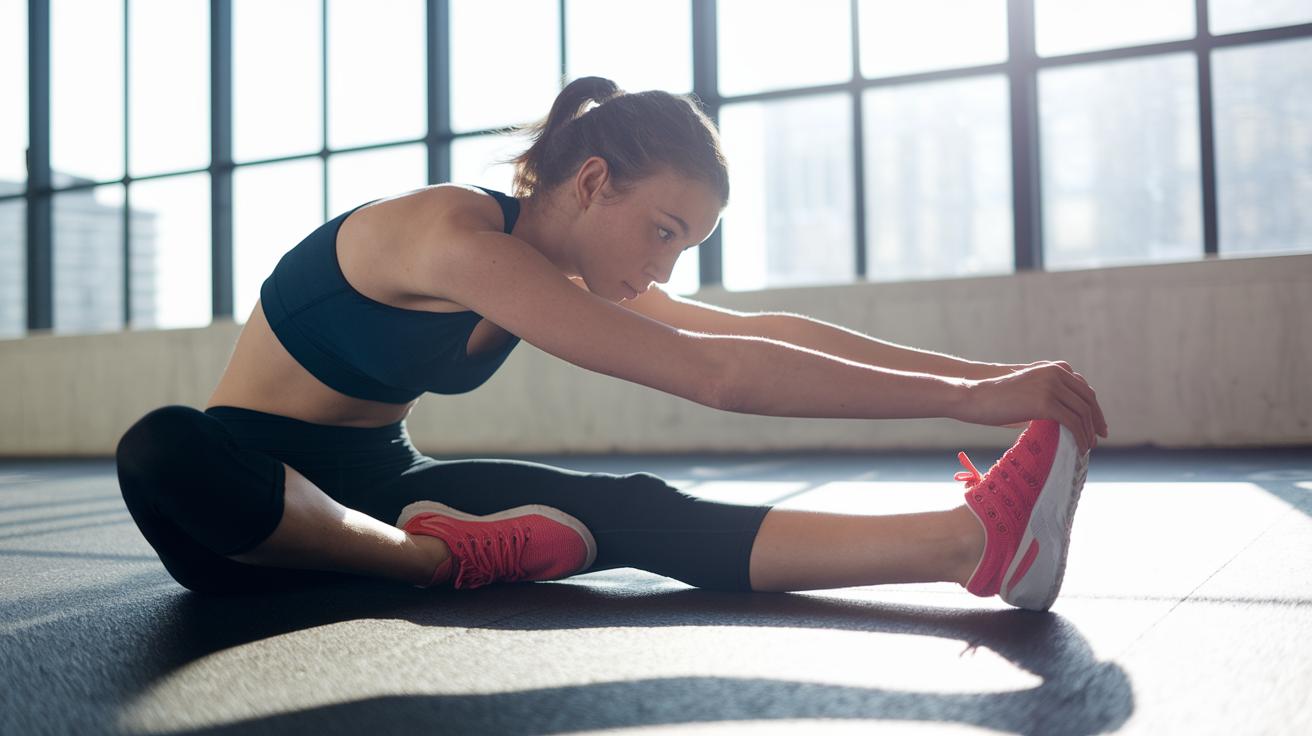
If you're just starting out, try a simple six-week plan that helps you build strength and confidence. Begin with 15-minute sessions twice a week and add five more minutes each week or add another round when you feel ready. This gradual increase lets your body learn the pace of short bursts of high energy with breaks in between, all while keeping the workouts fun and doable.
As you get the hang of it, experiment a bit with your intervals. For example, you might boost your work time by five seconds each week or shorten your rest breaks. This gradual shift helps push your heart and lungs a little more, without overloading your body. The steady change means you can safely take on new challenges while keeping your workouts balanced.
Once you feel ready for something a bit tougher, try formats like EMOM, ladder circuits, or AMRAP challenges. These routines might add extra repetitions or include easier moves such as step-ups, glute bridges, or modified mountain climbers to keep your joints safe. This way, you keep the energy high while moving smoothly into more challenging workouts over time.
HIIT Recovery Strategies and Safety Guidelines
After a HIIT session, give your muscles a break so they can rebuild. Try to leave at least 48 hours between tough workouts. This pause lets your body fix itself, so you get better results with fewer strains. For example, if you exercise on Monday, take Tuesday and Wednesday off before your next session. Regular rest days really help you build strength over time.
Keep your body happy by drinking enough water before, during, and after your workout. Aim to drink 16 to 20 ounces about two hours before you start. If your session lasts more than 15 minutes, enjoy an extra 8 ounces in the middle, and finish up with 16 ounces after you're done. Staying hydrated helps your muscles recover and keeps your overall performance strong.
Once your workout is over, support your recovery with a good snack and proper technique. Try eating something with a 3:1 ratio of carbohydrates to protein within 30 minutes after exercising. Also, focus on keeping good form during your moves rather than just going fast. This simple tip lowers your risk of strains and overuse injuries.
Tracking HIIT Workouts: Metrics, Apps, and Wearable Tech
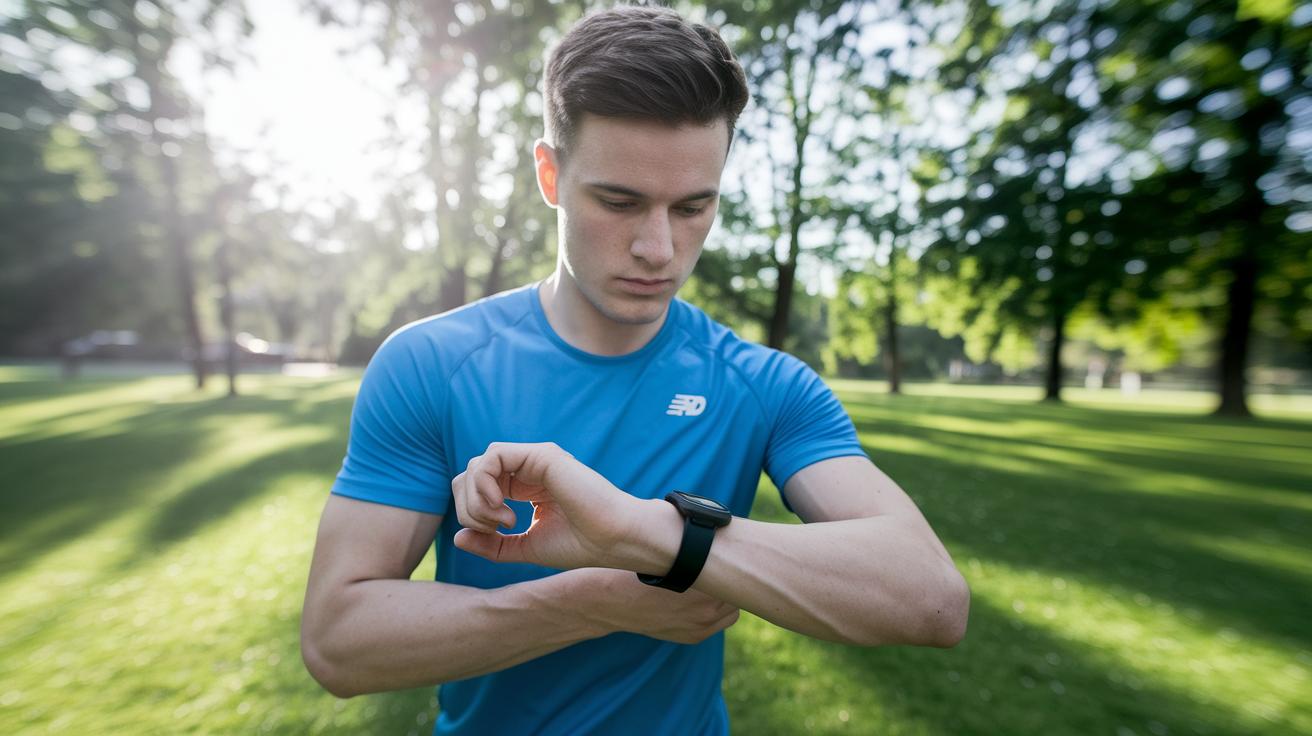
Heart rate monitors are super handy for keeping an eye on your effort during HIIT workouts. They make sure you're hitting about 80–95% of your maximum heart rate during exercise bursts and dropping to around 50–60% when you rest. This clear, easy-to-read data lets you adjust how often you work out, how hard you push, and how long each session lasts, so you get the most out of every minute.
HIIT training apps take the guesswork out of tracking your workout while you focus on getting stronger. They come with built-in timers, interval alarms, progress logs, and even video guides that show you the right way to perform each move. This all-in-one support means you can follow your routine closely and see your improvements over time, without any extra hassle.
Wearable tech adds another smart layer to your training by tracking calories burned, timing each interval in real time, and monitoring recovery metrics like heart rate variability (the natural time gap between heartbeats). This detailed insight helps you understand how well you're bouncing back after each burst of effort, allowing you to adjust your workouts safely. With this kind of honest, real-time feedback, wearable devices play a key role in fine-tuning your HIIT sessions and building your confidence on the journey to better fitness.
Final Words
in the action, this article covered everything from time-efficient hiit workouts for all levels to smart techniques for warm-up, recovery, and tracking progress. It walked through routines that boost metabolism, strengthen the heart, and improve energy, offering practical advice for workouts with minimal equipment and outdoor settings. The piece also touched on safe progressions and the benefits of monitoring your progress with tech. Stay active, keep challenging yourself, and enjoy every high-intensity hiit workout for a healthier, happier life.
FAQ
Frequently Asked Questions
- What options do I have for HIIT workouts near me, at home, or at the gym?
- HIIT workouts near you include routines you can do at home, in a gym, or outdoors. They feature short, intense efforts followed by recovery periods that fit your environment and schedule.
<dt>How do HIIT workouts support weight loss and burn fat effectively?</dt>
<dd>HIIT workouts support weight loss by boosting your heart rate and metabolism. They trigger post-exercise oxygen consumption, which helps burn calories and fat long after your session ends.</dd>

<dt>What HIIT routines are ideal for beginners and women?</dt>
<dd>HIIT routines for beginners and women should balance intensity with recovery. Simple circuits using bodyweight exercises offer a safe, approachable start while building strength and endurance.</dd>

<dt>What HIIT workout plan resources are available, like PDFs or community input from Reddit?</dt>
<dd>Various HIIT resources exist, including downloadable PDF workout plans and community discussions on sites like Reddit, which provide practical tips and variations to keep your workouts fresh.</dd>

<dt>What is the best HIIT exercise or an example of a HIIT workout?</dt>
<dd>A top example of a HIIT workout is a plyometric circuit with exercises such as burpees, jump squats, and mountain climbers. This routine alternates 30 seconds of work with brief rests for complete body engagement.</dd>

<dt>Is a 20-minute HIIT session effective?</dt>
<dd>A 20-minute HIIT session is effective because it delivers short bursts of high-intensity effort that elevate your metabolism, helping you achieve solid fitness benefits even with a brief workout.</dd>

