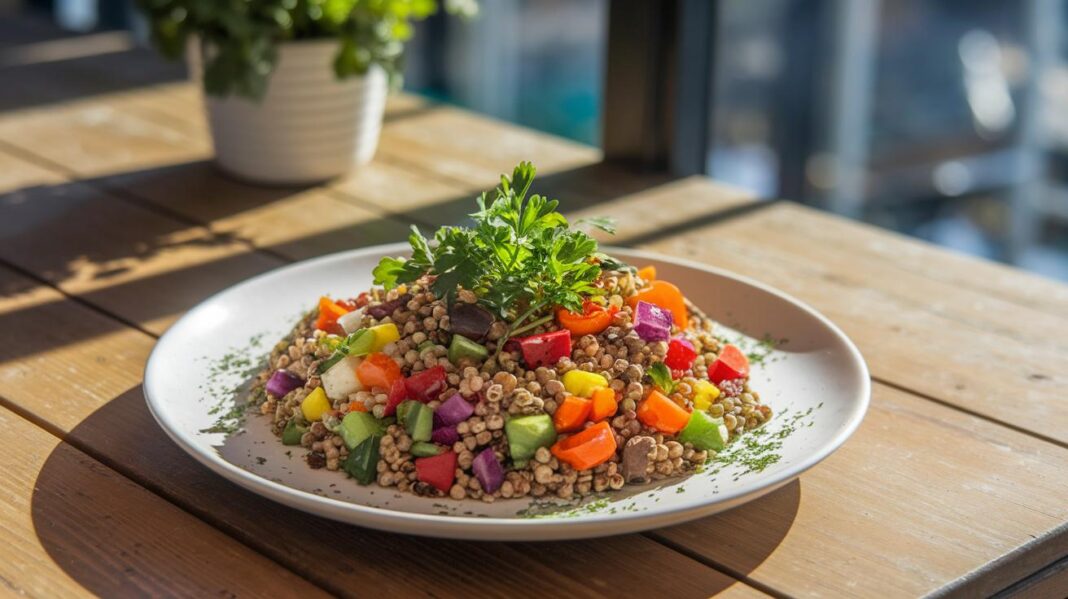
Ever wondered if you can enjoy a crisp salad and a juicy burger in one meal? The flexitarian diet offers a mix where most of your food is plant-based, but you also add a little meat, dairy, or eggs.
It’s like getting the best of both worlds. You still get hearty meals while enjoying the vitamins and fiber from fresh fruits and vegetables. This plan shows that eating healthy doesn’t have to be strict or stressful.
Ever notice how small changes can lead to feeling better every day? With a flexitarian approach, you can make tiny tweaks that add up to lasting, healthy habits.
Understanding the Flexitarian Diet Framework
The flexitarian way of eating means you mostly enjoy plant-based meals while still having a little meat, dairy, or eggs on the side. It’s great for people who love the benefits of fresh veggies and whole foods but still want to enjoy a familiar roast chicken dinner or a tasty steak now and then. This eating style focuses on real, unprocessed foods that help you create a lifestyle that feels balanced and exciting.
A family nurse practitioner once mentioned that the flexitarian diet isn’t about sticking to a strict vegetarian or vegan plan. Instead, you can try simple steps like having one meat-free day each week or just one meatless meal a day. This easy change lets you transition to a more plant-focused lifestyle at your own pace, making it a stress-free shift for anyone who isn’t ready for a total overhaul.
Recent expert insights from June 17, 2025, show that a mostly plant-based diet can be very healthy if balanced with a little meat. The flexitarian model meets your individual nutritional needs by mixing a variety of natural foods, making it a vibrant and well-balanced way of living.
Health Benefits of a Flexitarian Diet
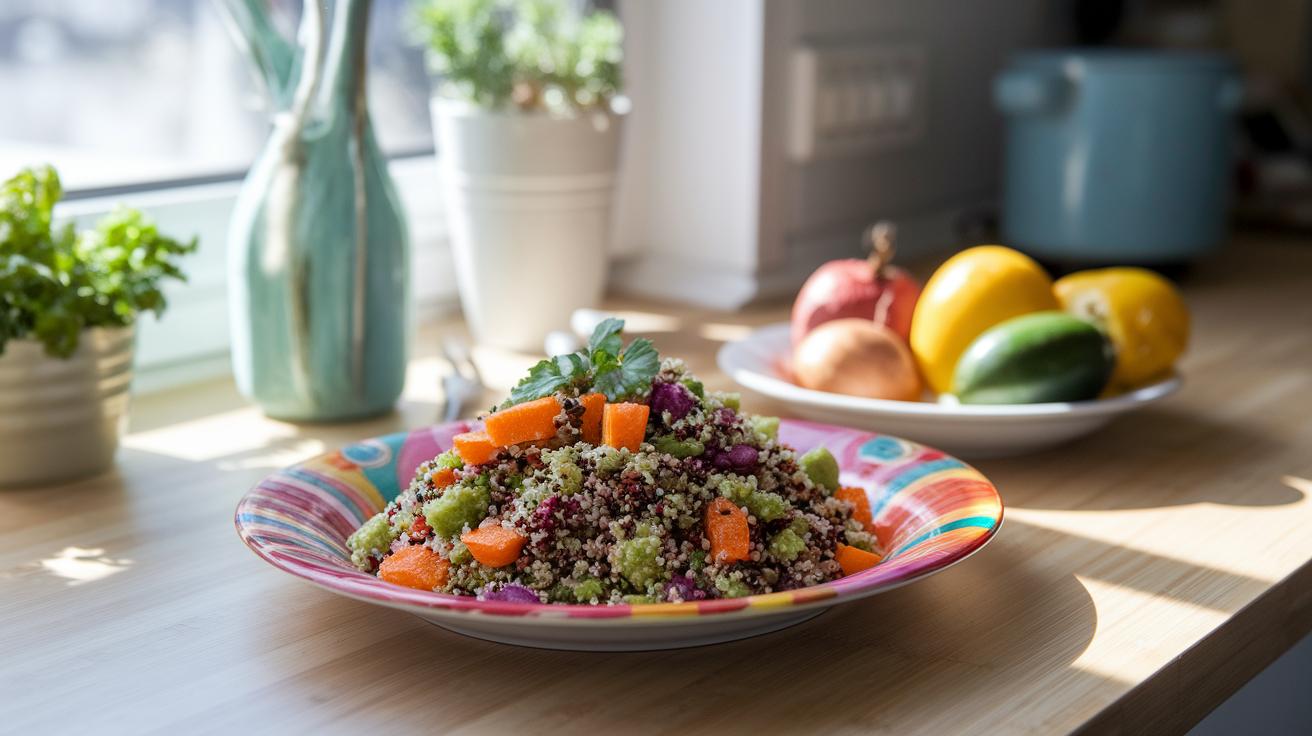
Imagine someone who spent six years following a flexitarian lifestyle. They not only shed weight but also found new energy that made daily exercise feel easier and more fun. They ate lots of fruits, vegetables, and whole grains while still enjoying a bit of meat. It’s like gifting your body a natural boost with every meal.
This way of eating can also improve key health numbers, such as lowering cholesterol and helping your thyroid work better. When you mix in foods packed with vitamins and minerals, superfoods, for instance, you naturally take care of your heart and overall health while tackling past obstacles that made feeling good a challenge.
In short, the flexitarian diet offers a relaxed, balanced eating plan that suits your health goals and daily life. It encourages small changes that add up to big improvements, letting you enjoy meals that feed both your body and your spirit.
Getting Started with a Flexitarian Eating Plan
Start small and build confidence with little changes, all while keeping your meal plan fun and flexible. Begin by adding one meatless meal to your week and try out fresh flavors and ingredients, you might be surprised at what you discover.
-
Pick one meal a day or one day each week to skip the meat.
For example, instead of having your usual lunch sandwich, try a hearty quinoa salad. It might just give you a new burst of energy. -
Play around with plant-based recipes by swapping out a meat dish for a veggie-based option.
For instance, you could switch your regular pasta sauce for a tomato and veggie mix that livens up your plate. -
Create a weekly menu that pairs a rainbow of natural vegetables with lean proteins.
Imagine mixing a bean salad with some steamed greens and a squeeze of citrus for a meal that's both bright and satisfying. -
Notice how your body reacts to these changes and adjust your portions as needed.
Maybe after a meatless meal, you feel lighter and more energetic. If so, you can tweak your portions for an even better fit. -
Keep a food journal and jot down recipes you try, changes you like, and any bumps along the way.
For example, you might write: "Swapped my dinner burger for a black bean patty, I was really surprised by how filling and tasty it turned out."
For more tips and ideas, check out this guide on how to start eating healthy at https://healthlystats.com?p=294.
Flexitarian Food List and Weekly Meal Plan
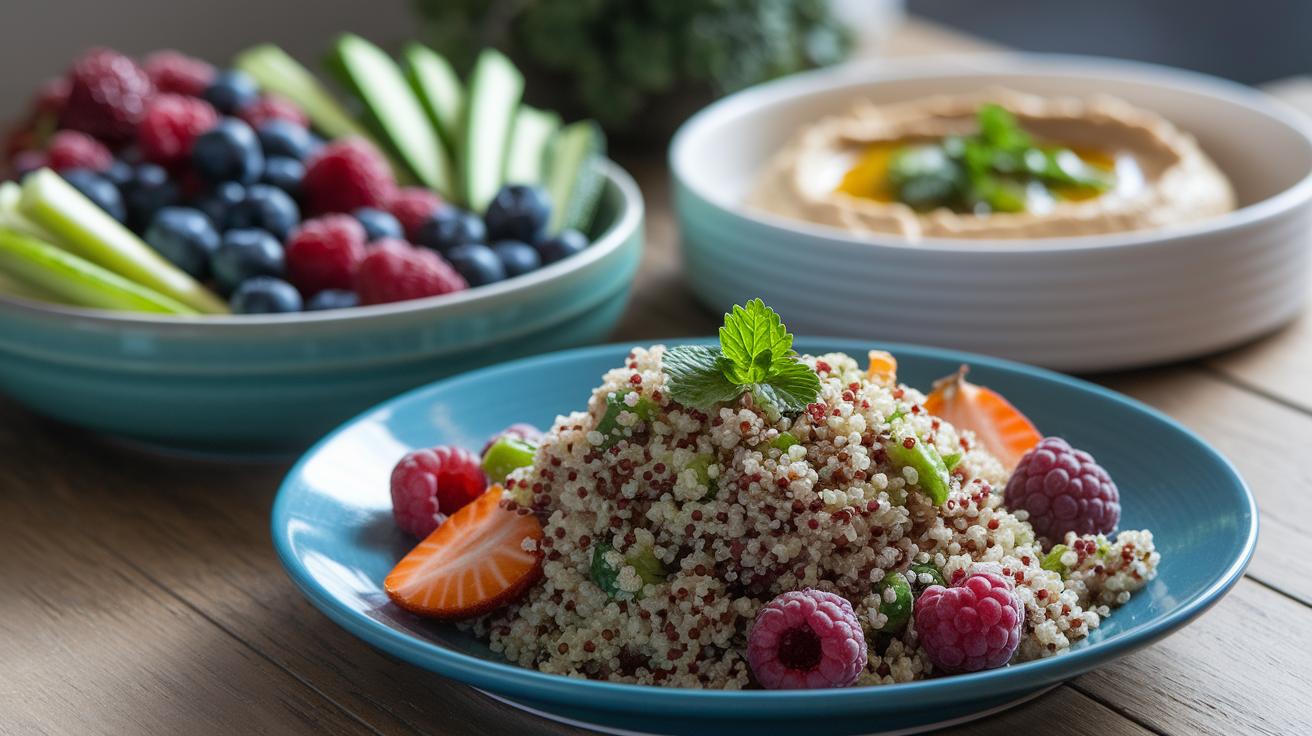
The flexitarian food list is about picking whole, unprocessed foods that fuel your body with natural energy. Think of meals packed with beans, grains, fruits, veggies, nuts, and seeds. These foods help give you essential vitamins and minerals. When you choose fresh, local produce that is in season, your menu feels lively and fun.
A weekly menu like this mixes plant-based dishes with a few meat treats. Maybe you’ll start your day with a meatless breakfast and later enjoy dinner options like roast chicken, shrimp scampi, or even a hearty steak. Tools like the meal planner for healthy eating (https://healthlystats.com?p=28) can help you keep your pantry stocked and your menu simple. It’s a flexible plan that fits your schedule, flavor cravings, and health goals.
| Meal | Example Dish | Protein Source |
|---|---|---|
| Breakfast | Oatmeal with fresh berries and walnuts | Nuts |
| Lunch | Veggie-packed quinoa salad | Beans |
| Dinner | Stir-fried tofu with mixed vegetables | Tofu |
| Snack | Carrot sticks with hummus | Chickpeas |
| Meat-Inclusive Dinner | Roast chicken with steamed greens | Chicken |
This sample plan brings together lively flavors and balanced nutrition. It lets you enjoy plenty of plant-based meals with the option of meat when you’re in the mood. It’s a simple, adaptable way to keep your dining experience fresh, fun, and in tune with your wellness journey.
Ensuring Nutrient Balance in a Flexitarian Diet
Changing your protein source throughout the day can actually help your body absorb more nutrients. For example, when you mix beans with foods rich in vitamin C, your body takes in more iron. And if you pair legumes with whole grains, you get the full range of amino acids you need. Try planning meals that match the seasons to enjoy fresh, local produce and keep mealtime fun.
Some studies show that spreading small amounts of protein throughout the day is a smart move. Starting your morning with a bit of plant protein, like spirulina, which offers amazing health benefits, can give you a steady energy boost until your next meal. This routine also helps repair your muscles and keeps your body balanced with essential nutrients.
A few simple meal ideas might spark your interest: Toss some quinoa with leafy greens and a few nuts for added vitamins and healthy fats, or whip up an egg and veggie stir-fry for a tasty mix of protein and fiber. Fun fact: A quick look at a midday salad with a sprinkle of seeds can double your antioxidant intake without forcing any major recipe changes.
Expert Insights and Common Flexitarian Diet Misconceptions

A licensed expert explains that a flexitarian diet mainly focuses on eating whole, minimally processed plant foods while still allowing for small portions of meat, dairy, or eggs. In simple terms, every meal adds to your overall nutrition mix.
Some folks think that even a little bit of meat wipes out the benefits of a plant-based diet. But the expert says that choosing animal proteins in moderation works just fine with vegetables, whole grains, and legumes to keep your diet balanced.
The key is flexibility. This eating style lets you mix up your meals easily while keeping things nutritious and varied. These insights clear up common myths and offer straightforward guidance for a practical, balanced diet.
Flexitarian diet: Vibrant, Balanced Living
When you try a flexitarian style, each dish mixes hearty plant ingredients with a bit of meat or seafood. It’s all about enjoying good flavors and using creative ways to cook. Imagine a colorful plate filled with chickpeas, veggies, whole grains, and healthy fats, with lean proteins making an occasional appearance for a meal that feels both nourishing and delicious.
Chickpea and Vegetable Stir-Fry
This dish is a lively blend of protein-rich chickpeas, crunchy bell peppers, crisp snow peas, and fresh greens. Sauté them with a little olive oil, garlic, and your choice of spices for a simple, plant-forward meal that pops with flavor. The quick stir-fry method helps keep the veggies crisp and full of color, making every bite feel like a mini celebration.
Roast Chicken with Seasonal Vegetables
Picture tender roast chicken served alongside locally grown carrots, zucchini, and broccoli. This meal pairs a lean meat main course with the natural sweetness and crunch of fresh produce. A light sprinkle of rosemary and thyme adds just the right touch, keeping the focus on clean ingredients and balanced nutrition that fit perfectly with a flexitarian approach.
Shrimp Scampi with Zucchini Noodles
This shrimp scampi is a lighter take on a classic by swapping pasta for zucchini noodles. The shrimp is quickly cooked with garlic and lemon, then tossed with spiralized zucchini for a dish that feels indulgent yet refreshingly light. It’s perfect for anyone who loves seafood but wants to keep their plate full of fresh, plant-based goodness.
Flexitarian Diet Compared to Other Eating Patterns
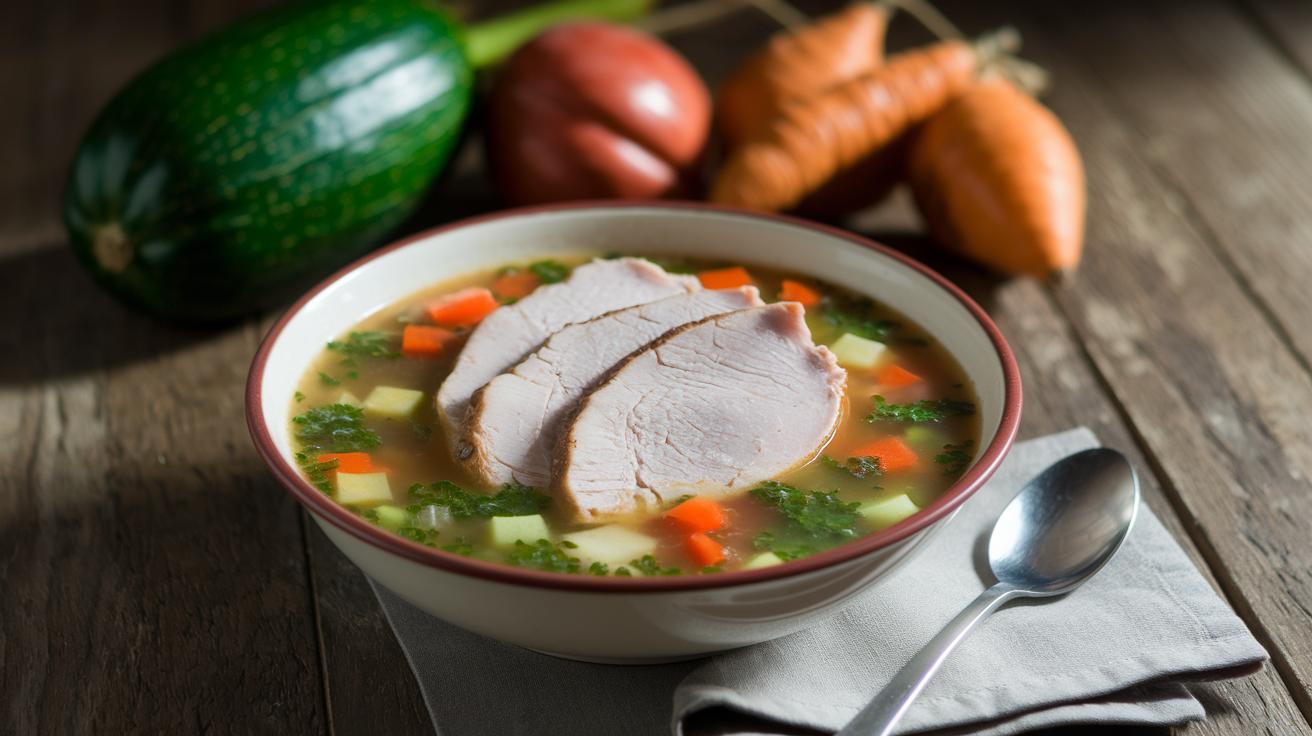
Flexitarian eating is a friendly middle ground between strict vegan, vegetarian, and meat-heavy diets. It lets you enjoy mostly plant foods along with small servings of animal protein so you get important nutrients like vitamin B12. Imagine a warm bowl of seasonal vegetable soup paired with a few lean turkey slices, simple and balanced.
This approach is also kinder to the planet. Regular meat-heavy meals often lead to more greenhouse gas emissions, while eating more plants can help lessen that impact. With a flexitarian diet, you get to reduce your carbon footprint without giving up meat entirely. Think of a meal with a fresh garden salad and a light sprinkle of grilled fish, a tasty nod to sustainability.
Flexitarian meals can fit in more easily with different cultural traditions too. Sometimes strict vegan or vegetarian plans can clash with family meals or social events. But if you mix in a little animal protein, you can honor traditions and still enjoy a healthy diet. Picture a festive dinner where hearty veggie sides share the table with a small portion of well-sourced meat, a delicious blend of inclusivity and variety.
Final Words
In the action, we explored the flexitarian diet, a flexible eating plan that balances plenty of plant foods with occasional meat. We reviewed practical tips, nutrient balance, creative recipe ideas, and expert advice to guide healthy choices.
Our discussion highlighted how gradual steps can boost energy, support balanced nutrition, and suit individual lifestyles.
Keep experimenting with small changes and enjoy the positive results of a flexitarian diet.
FAQ
What does a flexitarian diet plan include?
The flexitarian diet plan includes mostly plant-based meals complemented with occasional meat and animal products. This plan can be organized as a week-long guide, available in various formats, to provide balanced, flexible eating options.
What are the key foods allowed and avoided on a flexitarian diet?
The flexitarian diet allows nutrient-dense whole foods like vegetables, whole grains, legumes, nuts, and dairy, including eggs. It limits highly processed foods and encourages fresh ingredients, offering room for occasional meat dishes.
What are the benefits and pros and cons of following a flexitarian diet?
The flexitarian diet promotes balanced nutrition, improved energy levels, and manageable weight control. While it provides flexibility and variety, some people may find meal planning a bit more involved in order to maintain the right balance.
What types of recipes can you try on a flexitarian diet?
Flexitarian recipes range from vibrant plant-based dishes, such as vegetable stir-fries, to recipes that include lean meats or eggs, making it easy to enjoy both creative plant meals and tasteful meat-enhanced options.
How does the flexitarian diet compare to the Mediterranean diet?
The flexitarian diet focuses on mostly plant-based foods with periodic meat, while the Mediterranean diet emphasizes healthy fats and regular use of olive oil. Both support balanced eating, with each offering unique food selection benefits.

