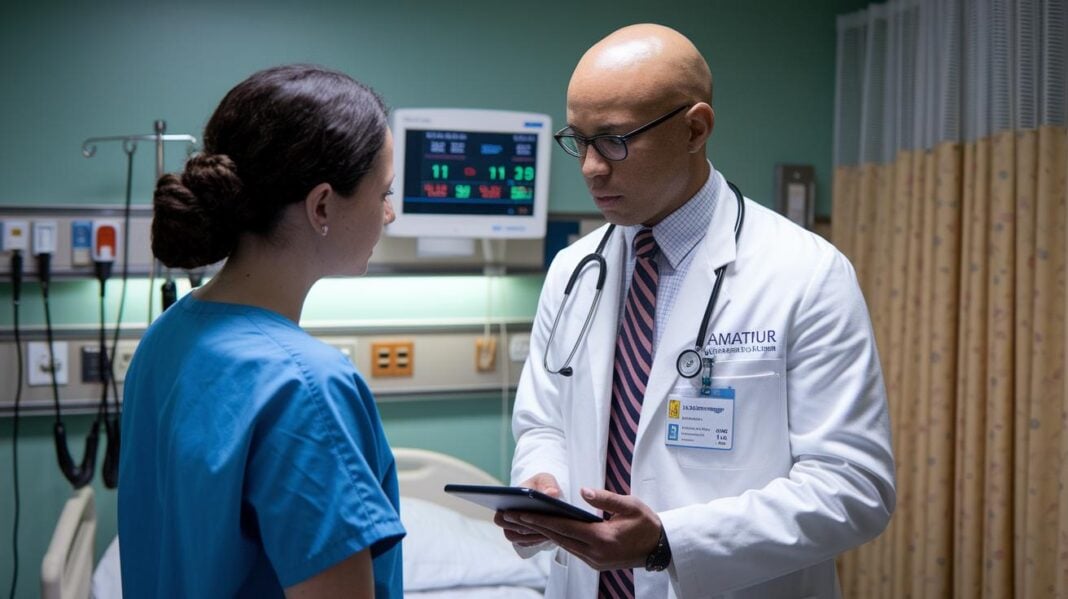
Ever wondered if hospitals could help stop problems before they even start? By keeping up with regular check-ups, home monitoring, and working together with various experts, hospitals can catch early warning signs. With smart planning, they spot issues before they get worse, helping patients feel safe and lowering costs. This post explores real ways to organize preventive care, showing how good planning and up-to-date health data can really make a difference for patients and the whole hospital team.
Core Strategies for Coordinating Preventive Care in Hospitals
Preventive care is all about catching issues early. It includes regular check-ups, vaccines, medicines to lower risk, and advice on healthy living. This approach shifts us from waiting for problems to happen, to taking steps ahead of time, like doing seasonal tests and lab work and even getting health coaching to keep complications at bay. There are six key parts of this model: remote patient monitoring (tracking health signs at home, such as blood pressure), managing care when patients move from hospital to home, looking after the health of groups of people, helping those with long-lasting conditions, addressing social issues that affect health, and coordinating care overall. Studies show that for every $1 spent on prevention, about $2.20 is saved later, proving it’s good for both patients and budgets.
These practices mix new technology with strong teamwork. Hospitals now can set up regular check-ups and keep an eye on patient data in real time, helping care teams adjust treatments before things get worse. Imagine a patient whose daily health numbers are watched from afar, this alert can lead to quick fixes before a condition becomes serious. This method not only makes patients feel better but also helps hospitals run smoother. In short, putting these preventive steps together is key to building a strong, effective, and lasting healthcare system that works for everyone.
Building Multidisciplinary Care Teams for Hospital-Based Preventive Care Coordination
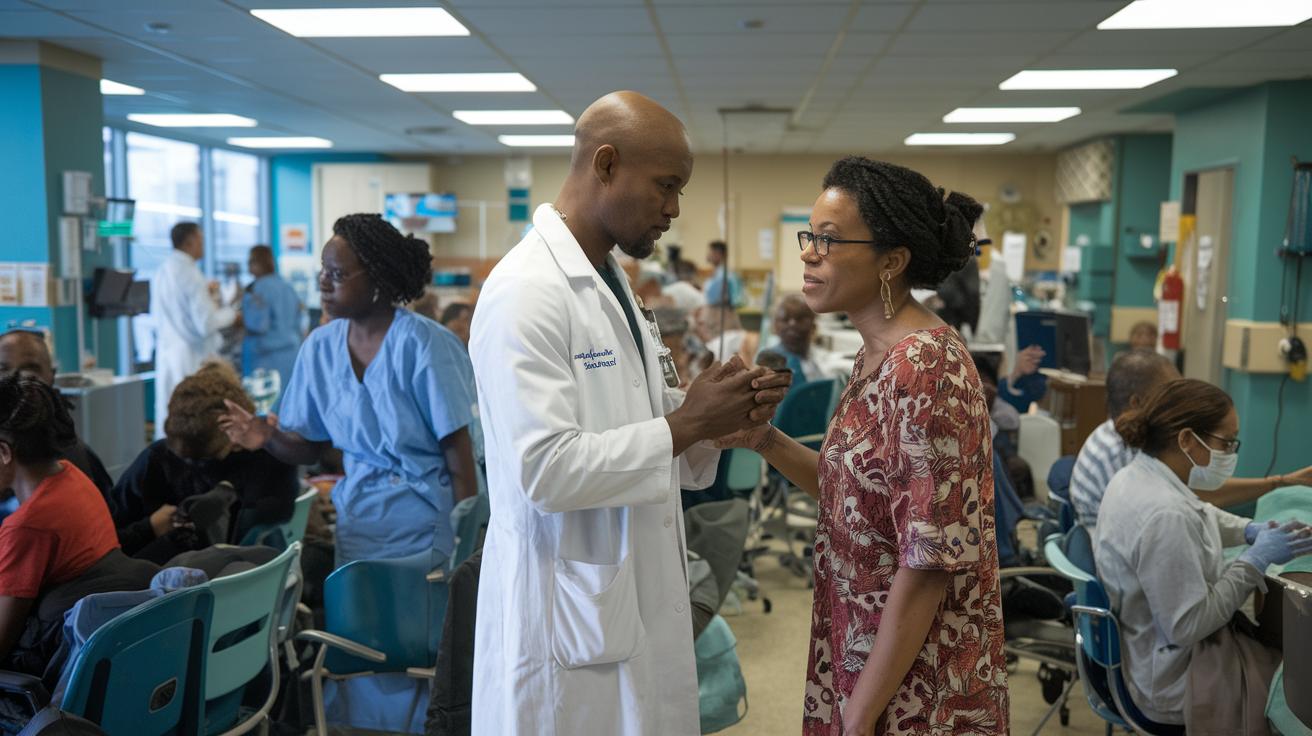
Imagine a team where primary care doctors, specialists, nurses, social workers, and community health representatives all work closely together. This kind of group helps spot care gaps, shares important patient details, and lowers the chance of mistakes in treatments. Every person on the team has special skills that help tackle health issues from different angles. For example, managing chronic care sometimes means spending at least 20 minutes each month on care that doesn't happen face-to-face (using CPT 99490). This approach not only helps catch problems early but also makes it easier to create prevention plans that fit each person's needs.
Working together across different hospital departments is crucial. Doctors and nurses can join forces with social work professionals to look over patient histories and plan what comes next. It’s like everyone pooling their strengths to check on a friend. When everyone knows their role and how to work together, the team can quickly act when a patient's condition changes, always keeping prevention in mind. In short, this collaborative method makes health management more proactive and communication smoother at every step of hospital care.
Streamlining Preventive Care Scheduling with Advanced Hospital Coordination Systems
Hospitals are making preventive care visits as easy as booking a table at your favorite restaurant. They use simple scheduling systems and shared calendars so that setting up an appointment feels quick and smooth. Imagine a system where a time slot fills up as fast as ordering your lunch, saving time for everyone.
These tools work everywhere, from inpatient areas and outpatient clinics to rural centers and federally qualified health centers. They even include special options for Annual Wellness Visits that remove the hassle from the booking process. In short, the right schedule system helps patients get on the calendar without the usual phone calls or long waits.
Staff use one clear system to keep things organized and running smoothly. For example, standard appointment codes, like CPT code G0402 for first preventive physical exams, make sure the visit goes off without a hitch. Think of it like choosing a time online easily, which helps both patients and their healthcare providers stay in sync.
By putting all appointment details in one place, hospitals can see how full they are, move resources when needed, and even track income better. This organized approach lets them respond quickly to changes and plan ahead with confidence. Ultimately, it makes preventive care scheduling reliable and easy for every healthcare setting.
Leveraging Digital Health Monitoring and Decision Support for Integrated Preventive Care

Hospitals are now using digital tools to keep a close eye on a patient’s health every day. With systems like Remote Patient Monitoring, which gathers daily health information from devices you might wear, care teams can notice little changes before they become big problems. This means doctors and nurses can step in early and help you stay on track with your health.
These digital tools often work with smart platforms that send real-time alerts. That simply means they quickly let health professionals know when something might need attention. Alongside this, hospitals are sorting patients by risk factors so that everyone gets the right care, such as routine vaccines, screenings, and advice on healthy daily habits. It’s like having a friendly guide who helps plan your wellness step by step.
By merging digital health checks with tools that support quick decisions, hospitals provide care that feels connected and complete. Real-time data helps adjust treatments quickly, blending cool technology with expert advice. Every bit of information, whether it’s a sudden change in heart rate or weight, helps create a safer, more effective health plan.
| Health Metric | Description |
|---|---|
| Blood pressure | The force of your blood against your arteries |
| Glucose levels | The amount of sugar in your blood |
| Weight trends | Changes in your weight over time |
| Heart rate | How fast your heart beats |
| Oxygen saturation | The amount of oxygen in your blood |
| Physical activity | Your daily movement and exercise |
Designing Preventive Screening Programs and Managing Care Transitions in Hospitals
Preventive screening programs work best when they follow a simple, clear plan that takes patients step by step, from the first test to smooth follow-up care. Regular tests like mammograms, colonoscopies, cholesterol checks, and vaccines are tailored to fit your family history and personal health risks. Hospitals design these programs so each test naturally flows into the next care step. This setup blends testing with helpful education, keeping everyone motivated and on track. Organized screening plans help both patients and healthcare teams plan ahead, with appointments and follow-up tests matching each person’s unique needs.
Transitional care management becomes especially important after someone leaves the hospital. It sets up follow-up visits, reviews medications to prevent mix-ups, and arranges home-based support during important recovery times. With well-planned care transitions, healthcare teams work to reduce the risk of complications or even needing to return to the hospital. Sometimes, CPT code 99492 is used for psychiatric collaborative care management. This means that these programs are designed to take care of a wide range of health needs.
| Screening Type | Target Patient Group | Recommended Frequency |
|---|---|---|
| Mammograms | Women over 40 | Yearly |
| Colonoscopy | Adults over 50 | Every 10 years |
| Lipid Panels | At-risk adults | Annually |
Implementing Evidence-Based Interventions and Quality Improvement Protocols in Preventive Care Coordination

Hospitals gain a lot by using clear clinical protocols and standard CPT coding. This approach makes preventive care work better and faster for everyone. When hospitals use proven methods, they improve patient results. For example, when they apply interventions backed by evidence, patients see better outcomes. And when teams handle chronic care, like those 20 minutes of non–face-to-face care required by CPT 99490, they boost safety while caring for patients.
A steady use of quality improvement protocols helps hospitals see what’s working. By measuring performance using simple quality checks, teams can adjust care plans and ensure patients get the best attention possible. This smart system not only helps patients but also opens the door to recurring revenue through Medicare prevention services, all while keeping patient well-being first.
Building on that, setting up key performance markers is a big win. When healthcare teams track progress and stick with evidence-based practices, they can fine-tune care over time. Ever notice how consistent small steps lead to big improvements? Data even shows that every $1 spent on prevention can bring back $2.20. That’s why putting these performance checks in everyday work is so important for continuous growth.
Engaging Community Health Outreach and Patient Advocacy for Hospital Preventive Care
Hospitals can make it easier for people to get help with staying healthy by working closely with local groups. By teaming up with both public and private organizations, they can tackle everyday challenges like low income, limited education, unstable housing, and food availability. Hospitals often join forces with community centers, schools, and local businesses to create a network of care that reaches beyond their walls. For example, a hospital might work with neighborhood groups to offer free wellness checks and simple nutrition classes. This kind of teamwork builds trust and gives people easy access to the support they need, even when they’re not in the hospital.
With focused outreach programs, hospitals ensure that help reaches those who need it most. They use data to learn which groups are at higher risk so that they can design targeted community programs, it's like having a roadmap for better health. Hospitals also back patient advocacy, encouraging everyone to speak up about their health, share their struggles, and take part in decisions about their care. These efforts create a warm, supportive environment where every person feels connected and informed, strengthening the link between patients and community health resources.
Final Words
In the action, this article broke down key strategies, from preventive care scheduling and integrated patient management to digital monitoring and community outreach. We examined remote patient monitoring, multidisciplinary teams, streamlined scheduling, and evidence-based interventions to reduce risks and improve outcomes.
By applying these best practices for coordinating preventive care in hospitals, you'll bring clarity and efficiency to managing daily health routines. Each step you take makes a difference, lighting the way to a healthier and more vibrant future.
FAQ
What are some care coordination examples in nursing and how is care coordination nursing practiced?
Care coordination examples in nursing include organizing follow-up visits, managing chronic care, and linking patients with specialists and community resources to ensure smooth, continuous care.
What are the importance and benefits of care coordination in nursing?
The importance and benefits of care coordination in nursing lie in reducing errors, improving patient outcomes, and fostering teamwork to provide a smooth, reliable care experience.
What are care coordination models?
Care coordination models structure patient care through multidisciplinary teams, centralized scheduling systems, and digital tools, ensuring that care tasks and patient data are shared efficiently across providers.
What is care coordination in mental health?
Care coordination in mental health connects patients with therapy, medication management, and community support, creating an integrated, holistic approach to mental wellness.
What is a care coordinator’s salary?
A care coordinator’s salary depends on experience, location, and facility size, with variations reflecting the scope of responsibilities like patient tracking and managing complex care plans.
What are five things you can do to practice preventive healthcare?
Practicing preventive healthcare includes scheduling regular check-ups, keeping immunizations up-to-date, engaging in physical activity, eating a balanced diet, and managing stress.
How should care be coordinated with other healthcare providers?
Coordinating care with other providers requires clear communication, shared patient records, regular updates, and clearly defined roles to ensure that all aspects of a patient’s care are aligned.
What are the four major categories of preventive care?
The four major categories of preventive care include screenings, immunizations, counseling, and preventive medications, each aimed at early detection and risk reduction.
What are the four types of coordination of care?
The four types of coordination of care comprise managing care transitions, chronic disease management, integrated care delivery, and preventive care coordination, all critical for providing comprehensive patient support.

