
Did you know that eating well can help you stay strong and independent as you get older? As our bodies use energy a bit slower and our calorie needs change, a balanced diet is more than just a meal plan, it’s like a simple recipe for lasting health.
In this post, we’re talking about how nutrient-packed foods can help repair muscles, build strong bones, and keep your digestion running smoothly. Even small tweaks in how much you eat and what you choose can add up to big health benefits every day.
balanced diet for the elderly: Fresh Meal Delight
As we age, our bodies start using energy in a different way. Around age 60, the metabolism slows by about 5% every ten years, so older adults need fewer calories. Still, the body craves a richer mix of nutrients to keep every part working at its best.
Food needs change as we get older, and seniors benefit most from meals that pack a nutritional punch without extra calories. It’s all about adjusting portions and choosing nutrient-rich foods to help repair muscles, strengthen bones, and support overall health. Think of it as giving your body the high-quality fuel it deserves.
- Protein – helps repair muscles and keeps you strong even as lean muscle mass drops.
- Fiber – keeps your digestion on track and helps manage cholesterol levels.
- Calcium – builds strong bones and helps prevent bone density loss.
- Vitamin D – boosts calcium absorption for healthier bones and supports your immune system.
- Potassium – helps regulate blood pressure and supports heart health.
- Antioxidants – reduce the stress on your cells from everyday wear and tear.
Following the USDA plate guidelines can simplify meal planning. Try filling half your plate with vegetables, one quarter with whole grains, and one quarter with lean proteins. This approach meets lower calorie needs while boosting your intake of essential nutrients. And don’t forget to stay hydrated, a good rule is to drink ounces of water roughly equal to one-third of your body weight each day. This balanced routine helps maintain energy, health, and independence every day.
Adjusting Calories and Portions in Senior Meal Planning

As we get older, our bodies start using energy differently. After 60, our base energy use can drop by about 10%, which often means needing 100–200 fewer calories a day. This means meals need to be planned carefully to give just the right balance without extra energy that our body doesn't need.
Changing our portions is an easy way to match these new energy needs. Try using smaller plates or measuring out servings. It not only helps keep weight steady but also makes sure you still get the food your body needs for muscle repair and general health. It’s all about giving your body the right amount of calories while still getting important nutrients.
And don’t forget water. Fluid needs don’t drop as we age, so it’s a good idea to drink about 1,500–2,000 ml of water a day, though this can change based on your health. Drinking enough water every day helps digestion, keeps your blood flowing well, and even helps balance sodium levels for healthy blood pressure.
Designing a 7-Day Senior-Friendly Meal Plan
When you plan your meals ahead of time, you cut down on those last-minute, less healthy choices. A weekly plan makes it simple to mix in lean meats, whole grains, and plenty of fruits and veggies to match your changing needs. This little routine not only brings order to your day but also helps keep your muscles, heart, and overall body strong. For extra help in organizing your week, check out the meal planner for healthy eating at HealthyStats.com.
| Day | Breakfast | Lunch | Dinner | Snack |
|---|---|---|---|---|
| Monday | Oatmeal with blueberries and walnuts | Spinach salad with grilled chicken and quinoa | Wild salmon, steamed broccoli, and brown rice | Apple slices with peanut butter |
| Tuesday | Greek yogurt with dark berries and a drizzle of honey | Lentil soup with mixed greens | Turkey meatloaf, mashed sweet potatoes, and steamed peas | Carrot sticks with hummus |
| Wednesday | Whole grain toast with avocado and scrambled eggs | Grilled vegetable wrap with a side of fresh fruit | Legume stew with brown rice | Cottage cheese with cucumber slices |
| Thursday | Smoothie with spinach, banana, and protein powder | Quinoa salad with mixed vegetables and grilled tofu | Herb-crusted cod with wild rice and green beans | Nuts and dried cranberries |
| Friday | Pancakes made with whole wheat flour and topped with berries | Chicken Caesar salad with light dressing | Beef stir-fry with bell peppers and brown rice | Sliced pear with a handful of almonds |
| Saturday | Egg white omelet with vegetables and a side of whole grain toast | Tomato soup with a side spinach salad | Grilled shrimp, quinoa, and steamed asparagus | Mixed berry bowl |
| Sunday | Whole grain cereal with low-fat milk and banana slices | Tuna salad on whole grain bread with leafy greens | Roasted chicken, brown rice, and mixed vegetables | Fruit and nut mix |
Adjust your portion sizes to meet your lower calorie needs, but don’t skimp on the good, nutrient-rich foods. Using simple portion-control tricks and taking advantage of delivery services that accept SNAP EBT can make getting fresh ingredients a breeze. This meal plan is all about enjoying balanced eating that fits into your everyday life.
Managing Common Health Conditions Through Senior Nutrition
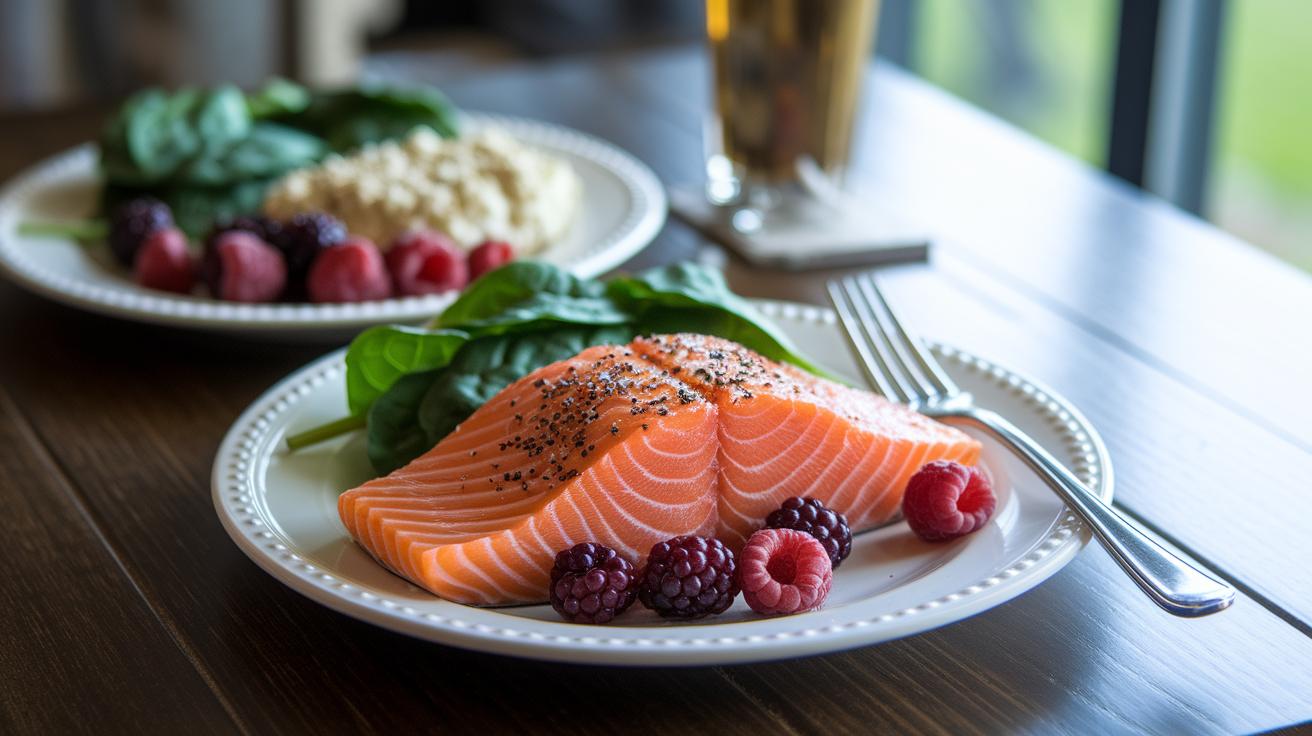
Eating the right fats is a smart move for older adults. Think of foods like wild-caught salmon and berries as little packages of omega-3 fatty acids (good fats that help your heart) and antioxidants (substances that fight off damage). These nutrients work together to lower inflammation and boost blood flow, which keeps your heart working well. A tasty salmon filet can be a natural pick-me-up for your heart.
Minerals such as potassium, calcium, and magnesium really help control blood pressure. Potassium-rich foods like bananas and spinach can balance out excess sodium, making blood flow smoother and easier on your heart. Adding these nutritious foods to your meals can go a long way in keeping your blood pressure stable and your overall heart health in check.
Protein and dairy also play a big part in keeping bones and muscles strong. Dairy items, milk, yogurt, and cheese, provide calcium that helps prevent bone loss, a common worry as we get older. Plus, protein from lean meats and beans helps fix muscles and gives you the energy you need. This mix is important for warding off issues like osteoporosis, which affects many seniors.
Cutting back on fast foods, processed snacks, and alcohol is key too. Foods high in fats and salt can stress your heart and worsen conditions like diabetes and high blood pressure. Instead, sticking with whole, nutrient-packed options can help you manage these conditions more effectively and support a balanced, healthy lifestyle.
Overcoming Dietary Challenges and Food Safety for Older Adults
A lot of seniors deal with constipation, it affects roughly one in three. The good news is that adding both types of fiber, insoluble and soluble, to your meals can really help your digestion. Try mixing whole grains, fruits, and veggies into your daily meals. For example, toss a handful of berries into your oatmeal at breakfast. It’s a simple way to boost both flavor and fiber.
Reading nutrition labels is a useful habit when picking foods. It helps you steer clear of products high in saturated fat, salt, or added sugars. Even a small change, like swapping a salty snack for a low-sodium one, can support your overall health and keep you on track.
If you’re managing chronic conditions, don’t forget that Medicare may offer Medical Nutrition Therapy services. Chat with your healthcare provider during your annual wellness visit about any food challenges you’re facing. Bringing a simple record of what you eat can also help your doctor give you personalized advice that fits your needs.
Practical Tips and Resources for Senior Nutrition Success
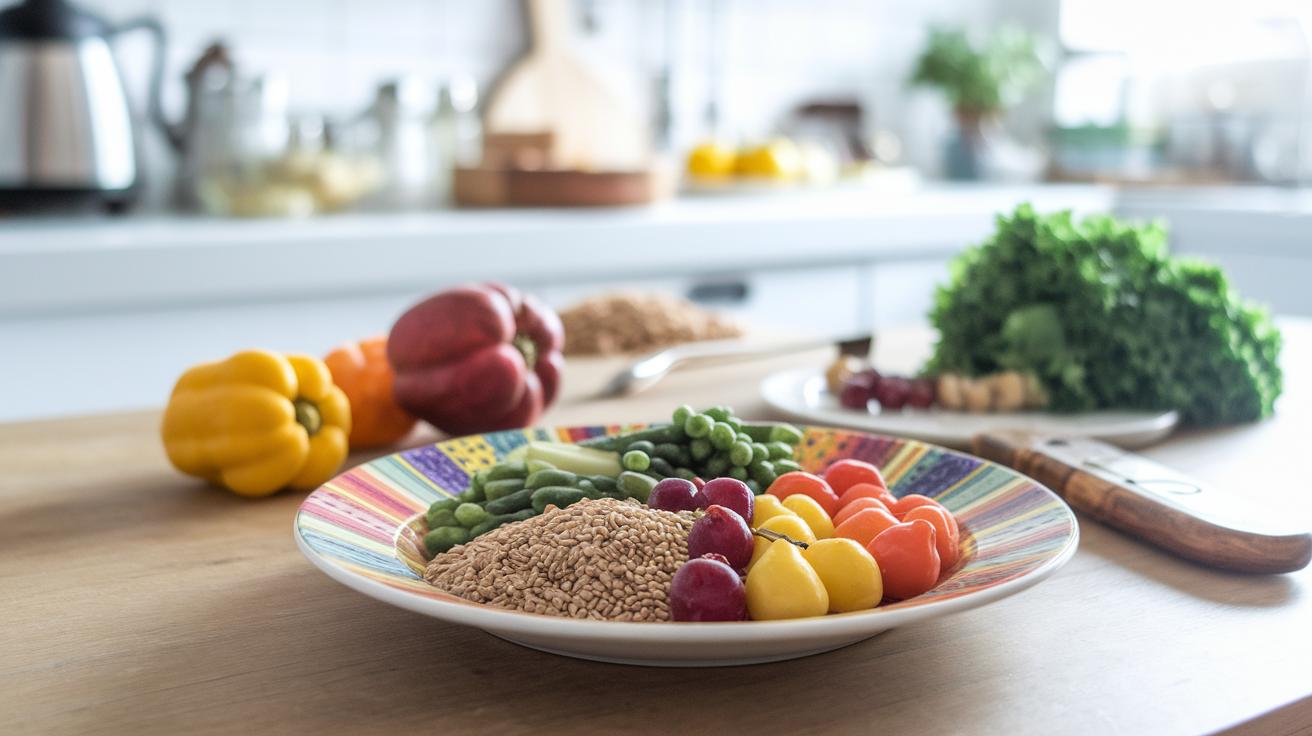
Start small and build on those wins. Try swapping out refined grains for whole grains and add one extra serving of vegetables each day. These little changes make your meals more nutritious without shaking up your whole day. Keep a simple food log using printable charts and guides to watch key nutrients like protein, calcium, and vitamins. For example, if you're used to a quick snack, why not grab a piece of fruit or a small salad instead? These tiny improvements can really set you up for healthier aging.
Look into community programs and digital tools for a bit of extra help. Many online recipe collections and caregiver resources share meal ideas made just for people over 65. You might even find a printable grocery list for healthy eating to speed up your shopping and meal prep. With these practical tips, making nutritious choices becomes easier while keeping your overall well-being in focus.
Final Words
In the action, we've explored how aging adjusts calorie needs and nutrient demands while highlighting essential vitamins, minerals, and meal planning tips. We touched on portion control, hydration, and smart food choices aimed at combating common health issues with gentle, practical steps.
This article shows that a balanced diet for the elderly can make daily routines more refreshing. Small, thoughtful changes can boost energy and overall well-being.
FAQ
What is a balanced diet for an elderly person?
The balanced diet for an elderly person means eating a variety of nutrient-rich foods. It focuses on vegetables, whole grains, lean proteins, and fruits while keeping hydration and essential vitamins in mind.
What is the best diet for the elderly?
The best diet for the elderly means choosing fewer calories with a focus on foods that pack nutrients. It emphasizes lean proteins, fiber, vitamins, and minerals while limiting extra salt and processed items.
What should a two-week menu include for an elderly person?
The two-week menu for an elderly person means planning varied meals with whole grains, lean proteins, fruits, and vegetables. It includes proper portions and a fresh selection of nutrient-dense foods for balanced daily intake.
What is a 70-year-old diet plan?
The 70-year-old diet plan means adopting a reduced-calorie meal plan that stresses nutrient-rich foods like vegetables, fruits, lean proteins, and whole grains. It also aims to cut down on excess salt and sugars.
What is a 7-day meal plan for elderly individuals, including females?
The 7-day meal plan for elderly individuals means having scheduled, portioned meals that mix lean proteins, whole grains, fruits, and vegetables. It is meant to support daily energy needs and offer variety in food selection.
Is there a balanced diet for the elderly available in PDF format?
The balanced diet for the elderly in PDF means a printable guide that outlines nutrient-dense meal options, proper portion sizes, and healthy food choices, making it easy for seniors to follow clear nutritional guidelines.
What are the nutritional requirements for the elderly?
The nutritional requirements for the elderly mean needing essential nutrients such as protein, fiber, calcium, vitamin D, potassium, and antioxidants. These support energy levels, bone strength, and overall wellness.
What is the number one fruit that seniors should eat every day?
The number one fruit for seniors means favoring an apple because it provides fiber, vitamins, and antioxidants. Apples help support digestion and heart health with their naturally pleasant sweetness.

