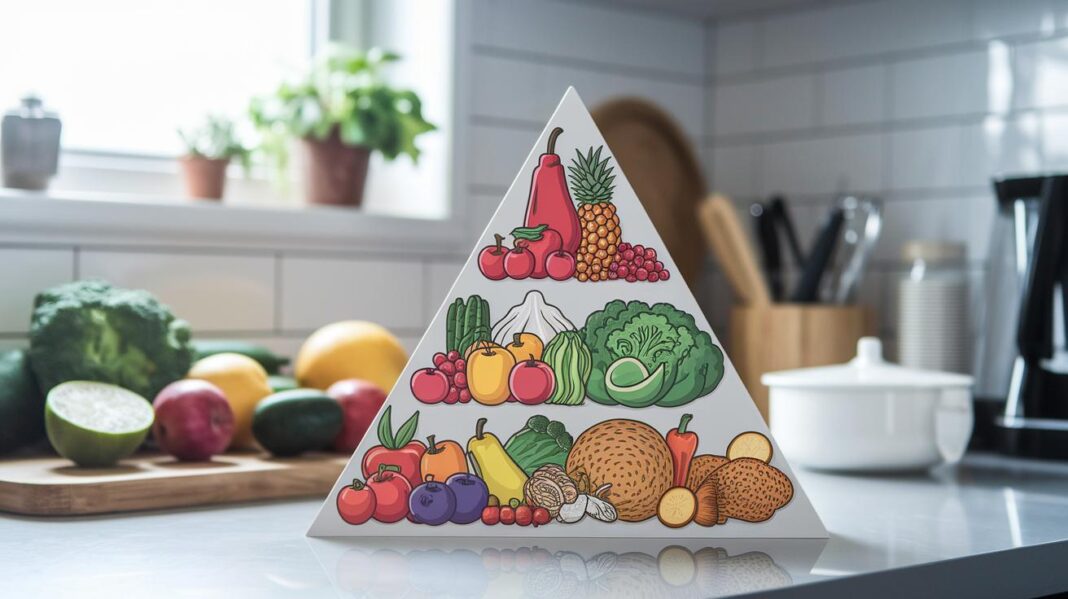
Have you ever thought that your plate might be the secret to keeping your energy up? Even if the food pyramid looks a bit old-fashioned, it still shows us a smart way to mix our meals. It breaks food down into clear groups so you always know what to eat. With this guide, planning balanced meals is as easy as following a simple map that leads you to more energy and overall well-being.
Comprehensive Overview of the Food Pyramid
In 1992, the USDA introduced the Food Pyramid as a simple guide to balanced eating. It was designed like a pyramid that clearly shows different food groups, making it easy to decide what to eat each day. Over the years, nutrition science has grown and evolved, which led to newer tools like MyPlate in 2011 that use clear images to show proper food portions and explain the idea behind balanced meals.
This easy-to-understand chart organizes food into five key groups so that planning your meals feels straightforward. Think of it as a friendly roadmap that turns complicated nutritional advice into simple, everyday steps toward healthier eating. It encourages you to include a variety of fruits, vegetables, whole grains, lean proteins, and low-fat dairy in your meals.
- Grains: They give you energy and important B vitamins to keep you active.
- Vegetables: These add vitamins, minerals, and fiber to help support a strong immune system.
- Fruits: Fruits provide vitamins and natural sugars that help your body repair and recover.
- Protein: This group fuels muscle repair and growth, keeping you strong and active.
- Dairy: Dairy products supply calcium and protein, which are essential for healthy bones and teeth.
When you use this guide every day, you naturally blend these groups in your meals. For example, you might start your morning with whole grains and a small bowl of fruit. Later, at lunch or dinner, you can mix vegetables with a lean protein source and add a side of dairy. This balanced method makes it easier to enjoy nutritious meals that boost your energy and support overall health.
Tracing the History and Evolution of the Food Pyramid
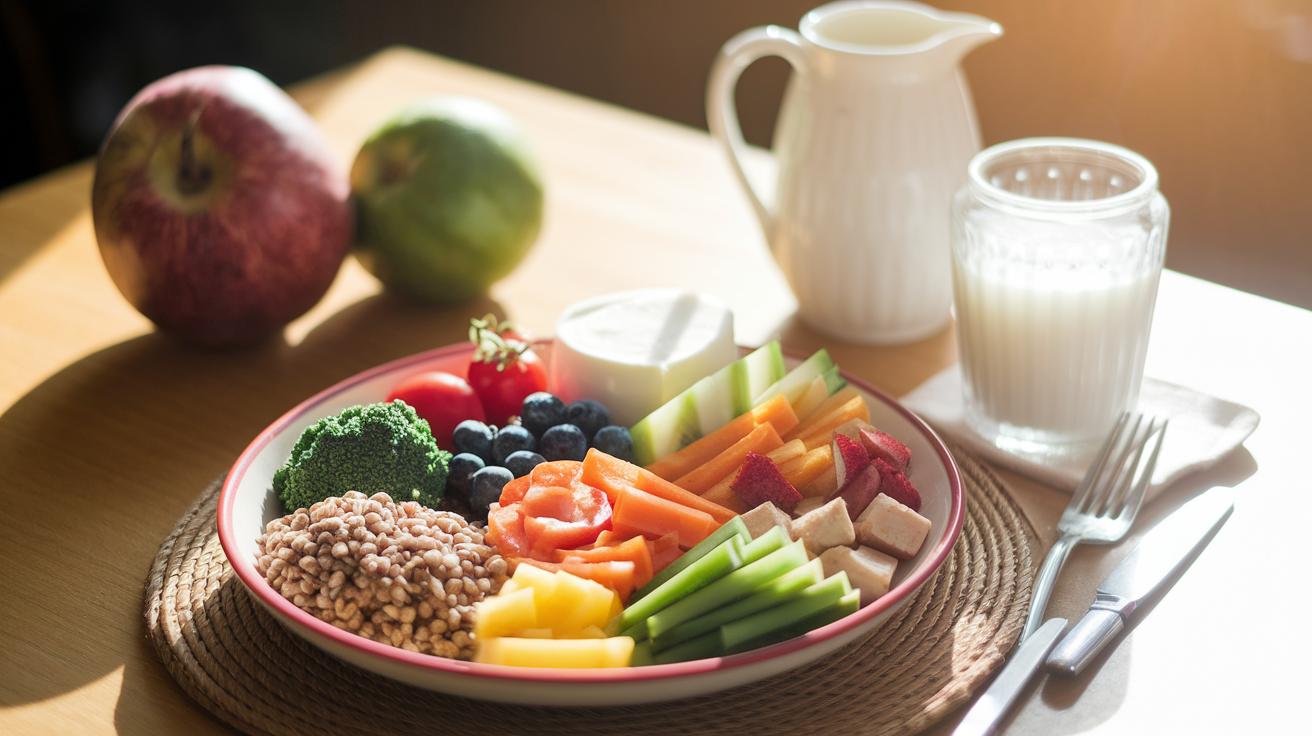
The Food Pyramid started out as a basic guide but has grown into a colorful, easy-to-read tool that shows what we know about eating healthy. It began as a simple picture meant to help people choose a balanced diet and has gradually improved to fit our daily lives better.
- 1992: The USDA rolled out the very first Food Pyramid to guide our eating choices.
- 2005: The guide got a makeover into MyPyramid, adding vertical color bands and even an exercise icon to show the role of physical activity.
- 2011: MyPlate took over from the pyramid, using a plate image to clearly show the right portions for each food group.
- Ongoing: As new research comes in and our ideas about food change, experts keep updating these guides to make healthy eating even simpler.
Every update has helped make nutrition advice clearer and easier to follow. Moving from the original pyramid to today’s visual tools shows how we use ongoing research to explain what a balanced diet really means. These improvements help everyone quickly understand what they need to enjoy healthy meals while keeping up with the latest science.
Food Pyramid: Smart Tips for Balanced Eating
Understanding the food pyramid can really help you plan meals that taste good and do good for your health. Each group on your plate plays a unique role. Grains, for example, give you the energy you need along with important B vitamins and fiber to keep your body in tip-top shape. Vegetables bring along a mix of vitamins such as A and C that help support your immune system, and fruits not only satisfy a sweet craving but pack in vitamin C and potassium to keep your body balanced.
Dairy foods provide calcium and protein for strong bones and muscles, while protein-rich choices like lean meats, beans, and nuts offer essential nutrients like iron and zinc that keep you feeling strong day after day.
| Food Group | Daily Serving | Key Nutrients |
|---|---|---|
| Grains | 6 oz | B vitamins, fiber |
| Vegetables | 2.5 cups | Vitamins A, C |
| Fruits | 2 cups | Vitamin C, potassium |
| Dairy | 3 cups | Calcium, protein |
| Protein | 5.5 oz | Iron, zinc |
When you use the pyramid as your guide, mixing different food groups throughout the day makes meal planning simple. For example, kick off your morning with a serving of grains and a piece of fruit to give you energy and a vitamin boost. Later, for lunch or dinner, try pairing a colorful array of vegetables with a portion of protein and a little dairy on the side. Small, smart choices like these really add up to support your overall well-being.
Think of your plate as a friendly target where every meal is an opportunity to balance flavors and nutrients. By remembering your daily servings, you’re setting up an easy roadmap that helps make every bite both delicious and nourishing.
Recommended Portion Sizes According to USDA Guidelines
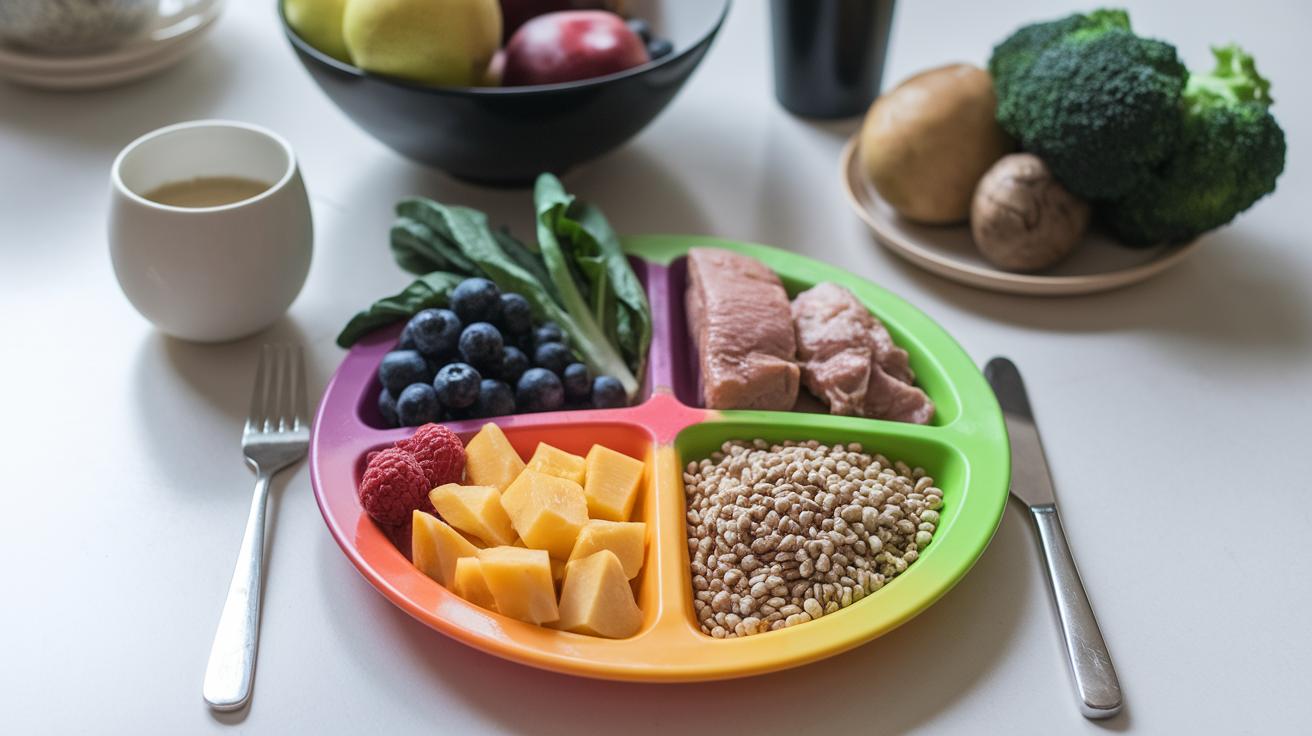
When planning meals, using cups and ounces makes it really simple. For instance, an adult might enjoy 6 oz of grains, 2 cups of fruit, and 2.5 cups of vegetables every day. These measures help keep your meals balanced and give you essential nutrients.
Measuring cups and kitchen scales can be your best friends here. They help you stick to the right portions. And don’t forget to check food labels, they show you the calorie count and nutrients so you’re on track.
Not everyone follows the same portion sizes. Kids need smaller servings, and older folks might require different amounts because their energy needs change. If you’re getting ready to shop, try making a list focused on these specific portions. It’s a handy trick to keep your meals steady and support a healthy lifestyle every day.
Comparing the Food Pyramid with MyPlate and Other Nutrition Models
MyPlate, which came out in 2011, shows a simple plate divided into sections for fruits, veggies, grains, and protein, with dairy set off to the side. This clear setup works like a pie chart that guides you on how to balance your meal while keeping things simple and practical.
Before MyPlate, there was MyPyramid from 2005. It used vertical color sections and even had an icon for exercise, linking physical activity with what you eat. Then there’s Harvard’s Healthy Eating Plate that builds on these ideas by including recommendations for healthy oils and water. Each of these models uses a different style to explain nutrition, helping you choose the best tool to match your eating habits.
Food Pyramid: Smart Tips for Balanced Eating
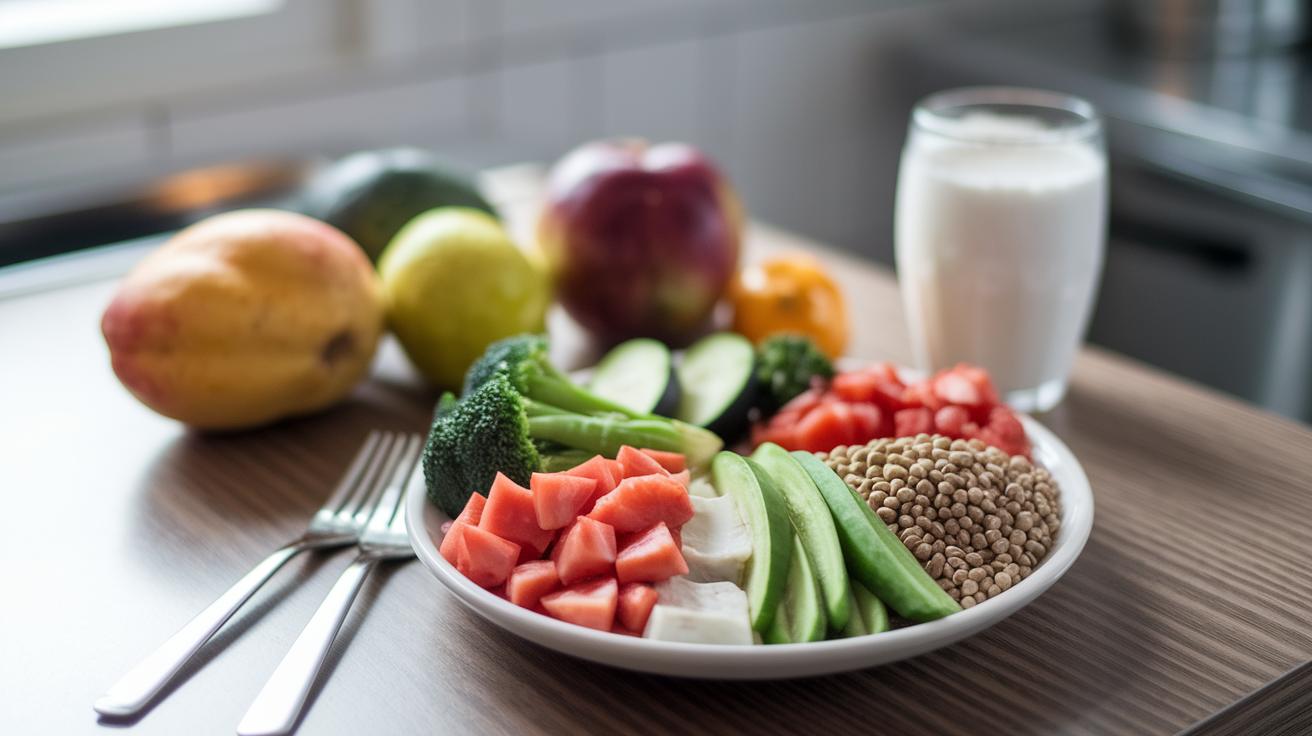
When choosing meals, think of your plate as a simple guide. Fill half with colorful fruits and crisp vegetables that give you lots of vitamins, minerals, and fiber. Use one quarter for whole grains like brown rice or whole wheat bread, which boost your energy and provide essential B vitamins. The remaining quarter is for lean proteins such as chicken, beans, or nuts that help repair and build your body. You can also add a serving of low-fat dairy for an extra dose of calcium and protein. Imagine spending a bit of time on the weekend chopping veggies and portioning out grains, this little prep makes it easy to stick with your balanced plan on busy weekdays.
Picture a warm bowl of oatmeal topped with fresh berries for breakfast, a grilled chicken salad with crisp lettuce, ripe tomatoes, and a sprinkle of whole grains with a side of low-fat yogurt for lunch, and a dinner of brown rice paired with hearty beans and steamed broccoli. Each meal follows the pyramid's balance, showing that healthy eating can be a practical, everyday success.
Final Words
In the action, we reviewed how the food pyramid has shaped balanced meal planning. We traced its evolution from the USDA’s original design to modern visuals like MyPlate and examined the five essential food groups. Short tips on portion sizes and everyday meal planning made the guide practical and clear. This recap reminds us that understanding the food pyramid helps build healthier, more satisfying meals. Let’s keep embracing data-driven choices that brighten our daily health routines.
FAQ
What is the proper food pyramid?
The proper food pyramid is a visual guide that groups foods into five levels—grains, vegetables, fruits, dairy, and protein—to help plan balanced meals with the right portions.
Does the FDA still use the food pyramid?
The FDA no longer uses the food pyramid as its main guide; newer tools like MyPlate provide updated visuals for portion sizes and balanced eating today.
What are the 5 levels of the food pyramid?
The 5 levels of the food pyramid include grains, vegetables, fruits, dairy, and protein, with each level representing key nutrient sources for a healthy diet.
How can the food pyramid be used for kids or school projects?
The food pyramid for kids and school projects simplifies meal planning by using colorful charts and pictures that show how to group different foods for balanced nutrition.
What is a food pyramid chart or picture?
A food pyramid chart or picture is a visual eating diagram that shows a layered structure of food groups, making it easy to see how to build balanced meals.
What can we expect from the Food Pyramid 2025?
The Food Pyramid 2025 brings updated research into clearer portion guidance and nutritional balance, offering modern advice for planning healthy meals.
What is the #1 healthiest food in the world?
The #1 healthiest food can vary by expert, but many agree that nutrient-rich whole foods like leafy greens offer essential vitamins and minerals for good health.

