
Ever wonder if your meals could give you a boost? A balanced plan might be the key to more energy.
When you mix fruits, veggies, lean proteins, and whole grains, you’re giving your body the fuel it needs. It’s like putting together a team where every member plays a vital part in keeping you upbeat and active throughout the day.
This guide will share simple, tasty ways to combine foods that work for your health, even on the busiest days.
How to Build a Balanced Diet Meal Plan That Works
Creating a balanced diet is all about mixing different nutrient-rich foods to keep you feeling energized and healthy. It means adding fruits, veggies, whole grains, lean proteins, and good fats to your daily meals. Breakfast is a super important meal because it jump-starts your day and sets you up for staying focused. So, when planning what to eat, think about your age, gender, activity level, favorite foods, cooking skills, any health issues, and even your budget. For instance, if you love a quick morning walk, a simple breakfast like scrambled eggs with whole-grain toast can do wonders.
Let's break it down:
-
Fruits and Vegetables – They pack a punch of vitamins and fiber.
Example: Imagine biting into a sweet, juicy orange that instantly brightens your morning. -
Whole Grains – These provide steady energy with healthy carbohydrates.
Example: Think of starting your day with a warm bowl of oatmeal that gently wakes you up. -
Lean Proteins – Key for muscle repair and keeping you strong.
Example: Consider a small serving of grilled chicken that fuels your afternoon adventures. -
Healthy Fats – They support brain health and offer long-lasting energy.
Example: Picture a creamy spoonful of avocado adding richness to your meal. -
Hydration – Drinking water is essential for helping your body function well.
Example: Visualize a cool glass of water refreshing you after a burst of exercise.
Keep in mind that making your meal plan personal is the trick. Mix in these ingredients in ways that match your taste and lifestyle. Play around with flavors and adjust your portions to meet your needs. And if you're ever looking for more guidance, check out some healthy eating tips and try planning your meals with a handy grocery list.
Balanced Diet Meal Plan Templates and Portion Guidelines
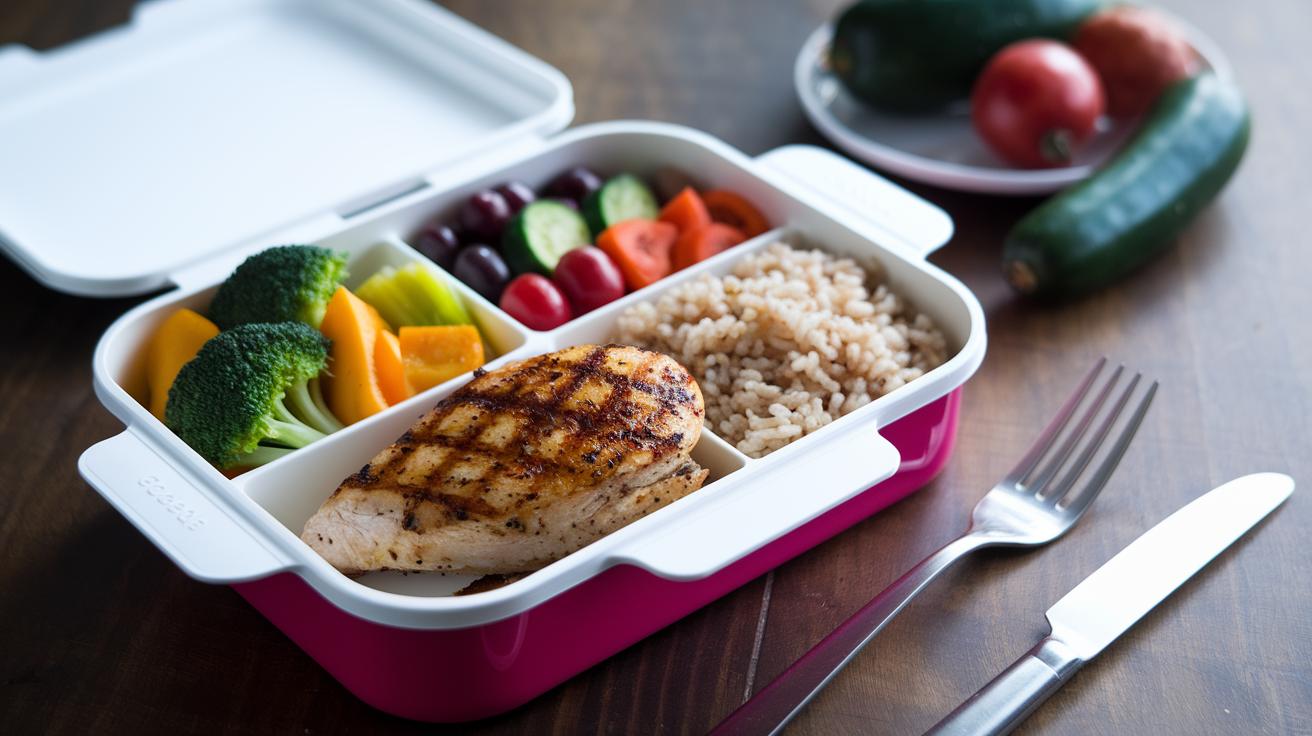
This meal plan is a handy guide to help you balance your daily nutrients and keep your portions just right. It breaks down meals for breakfast, lunch, a snack, and dinner so you can plan meals that fit your energy needs and boost your overall well-being. For instance, starting your day with 2 scrambled eggs (2 oz), 1 slice of whole-grain toast, and ½ cup of berries sets you up for a great morning. Then, enjoying a lunch with 4 oz of grilled chicken, 1 cup of mixed veggies, and ½ cup of brown rice can keep your energy steady through the day.
| Meal | Portion Size | Example Foods |
|---|---|---|
| Breakfast | 2 scrambled eggs (2 oz), 1 slice whole-grain toast, ½ cup berries | Eggs, toast, berries |
| Lunch | 4 oz grilled chicken, 1 cup mixed vegetables, ½ cup brown rice | Chicken, vegetables, brown rice |
| Snack | 1 medium apple | Apple |
| Dinner | 5 oz salmon, 1 cup steamed broccoli, 1 small baked potato | Salmon, broccoli, baked potato |
This plan not only gives you clear portion sizes but also follows a balanced mix of about 45–65% carbohydrates, 10–35% protein, and 20–35% fats. By matching each meal with these targets, you can keep your energy steady and support your body through the day. Think of these templates as versatile building blocks that let you mix and match foods to suit your taste and lifestyle, whether you have a busy day ahead or just want something light and healthy.
Weekly Meal Schedule for a Balanced Diet Meal Plan
A weekly rotation can really brighten up your meals, keeping things fresh for both your taste buds and your health. Using a simple 7-day plan lets you mix up recipes that pack in different vitamins and minerals, so every day feels a bit different and fun. Picture kicking off Monday with a cool smoothie made from 1 cup of frozen berries and 8 oz of milk, then enjoying Tuesday’s warm vegetable soup paired with a veggie burger that feels just right. By midweek, you might be savoring a lively shrimp stir-fry, and when Thursday arrives, a chicken salad with sweet grapes and crunchy almonds could be your go-to. Friday might even bring a delightful surprise with pork tenderloin served with 3 cups of spinach lightly sautéed in olive oil, while the weekend is your time to revisit favorite recipes or try something new. This way of planning not only helps control portion sizes but also makes sure you get a good mix of nutrients, so everyone in the family can enjoy a little something different every day.
Batch-prep is a clever trick to make a busy week much smoother, keeping healthy meals easy to grab when you need them. Spend a couple of hours one day chopping veggies, cooking lean proteins, and getting your ingredients ready for the week ahead. You might even make a big batch of your favorite vegetable soup or whip up a versatile sauce that works well on both salads and grain bowls. Keep everything in clear containers so that whether you’re throwing together that shrimp stir-fry or a quick smoothie, it all comes together effortlessly. This strategy not only saves time and cuts down on food waste, but also makes sticking to your balanced diet more affordable and easy enough for the whole family.
Customizing Your Calorie-Controlled and Nutrient-Diverse Plan
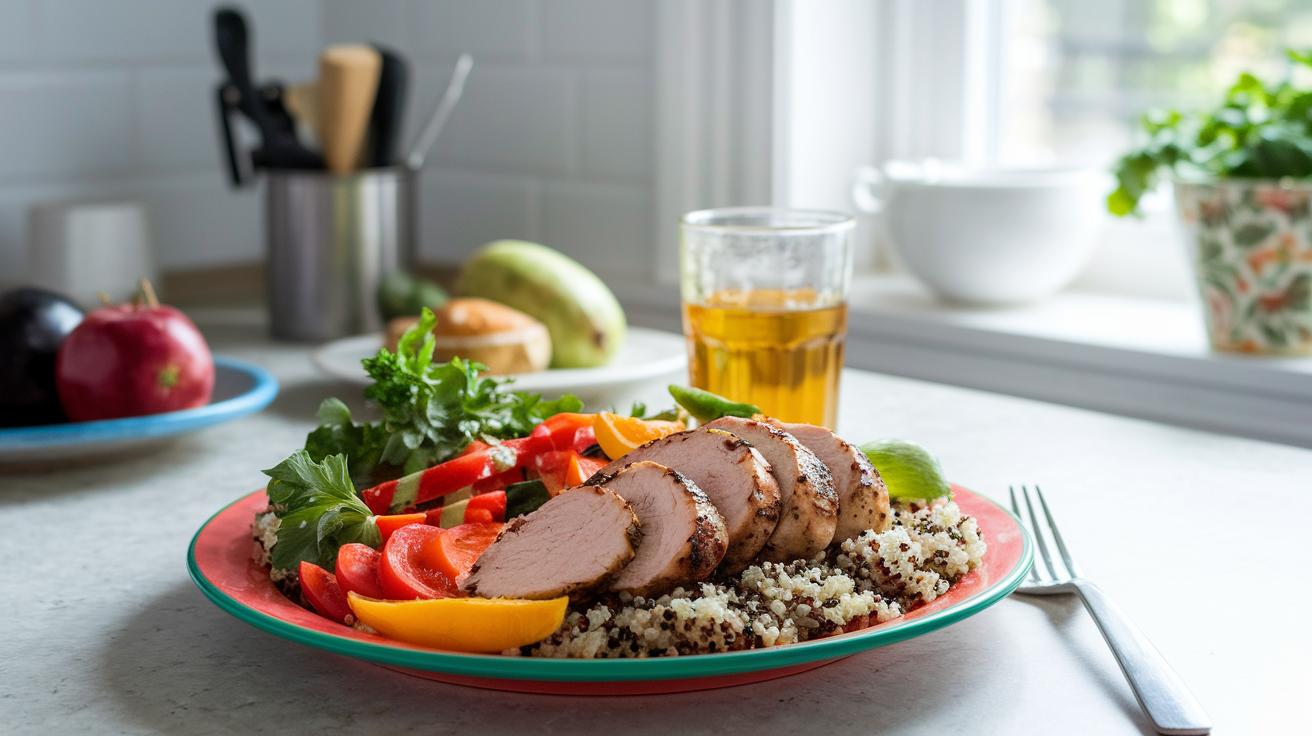
When it comes to sticking to a calorie-controlled plan, making it work for you is all about personalization. Our bodies are unique, and things like gender, height, how active you are, and even health issues can change what you need. For example, a 1,200-calorie meal might feature a mini whole-wheat pita, 3 oz of turkey breast, a teaspoon of mayo, a bit of part-skim string cheese, and some fruit for lunch. But if you’re on a 2,000-calorie plan, you’d enjoy bigger portions. Even dinners can be mixed and matched, a serving might include 4 oz of flounder, a cup of couscous, and a cup of broccoli. You can easily swap out proteins (think shrimp, pork tenderloin, or roast chicken) and adjust your servings of grains and veggies so your plan perfectly hits your calorie goals and keeps you feeling great all day.
Here are a few friendly tips:
- Change up your portion sizes so they match your daily calorie target.
- Choose different lean proteins based on what you like and what fits your nutritional needs.
- Tweak the balance of grains and vegetables to keep your carbs, proteins, and fats in check.
- Try out various snack choices and adjust meal times to keep your energy levels steady.
- Revisit your plan now and then, especially when your activity or health needs shift.
Tracking your progress is super important, too. Keeping a simple food diary or using a tracking tool can help you see how your plan is working. By watching your food intake and energy levels, you’ll know when it’s time to make little adjustments. This way, your meal plan stays both satisfying and effective, meeting your body’s changing needs while helping you feel energized every day.
Special Diet Roadmaps Within a Balanced Diet Meal Plan
When planning meals, it's all about making small tweaks that still let you enjoy your favorite flavors. You can start by swapping out a few ingredients to better meet your health goals while keeping meals tasty and balanced.
If you’re on a vegetarian plan, try pairing a warm veggie soup with a savory veggie burger. Adding beans or lentils is a simple way to bump up protein and fiber, and a sprinkle of different spices can really lift the dish.
Going vegan? It’s easier than you might think. Switch out dairy yogurt for a plant-based alternative and use tofu or tempeh to keep your protein levels high. A dash of fresh herbs or new seasonings can make your meals exciting while staying dairy-free.
For those needing a gluten-free option, substitute wheat-based ingredients with brown rice or quinoa. You can even use 100% corn tortillas for wraps or tacos. Just remember to check labels to avoid any sneaky gluten and maintain a balanced plate.
A dairy-free diet doesn’t mean missing out on flavor either. Use almond milk in your smoothies and look for dairy-free cheese alternatives to enjoy your favorite dishes. Experimenting with different nut or seed milks might even introduce delightful new tastes.
If your goal is to ease inflammation, focus on meals loaded with leafy greens, fresh berries, and even fatty fish. A little turmeric in your sauces or soups can add a warm, comforting touch, and combining it with other gentle spices may support a smoother, balanced system.
Meal Timing and Prep Strategies for a Consistent Balanced Diet Meal Plan
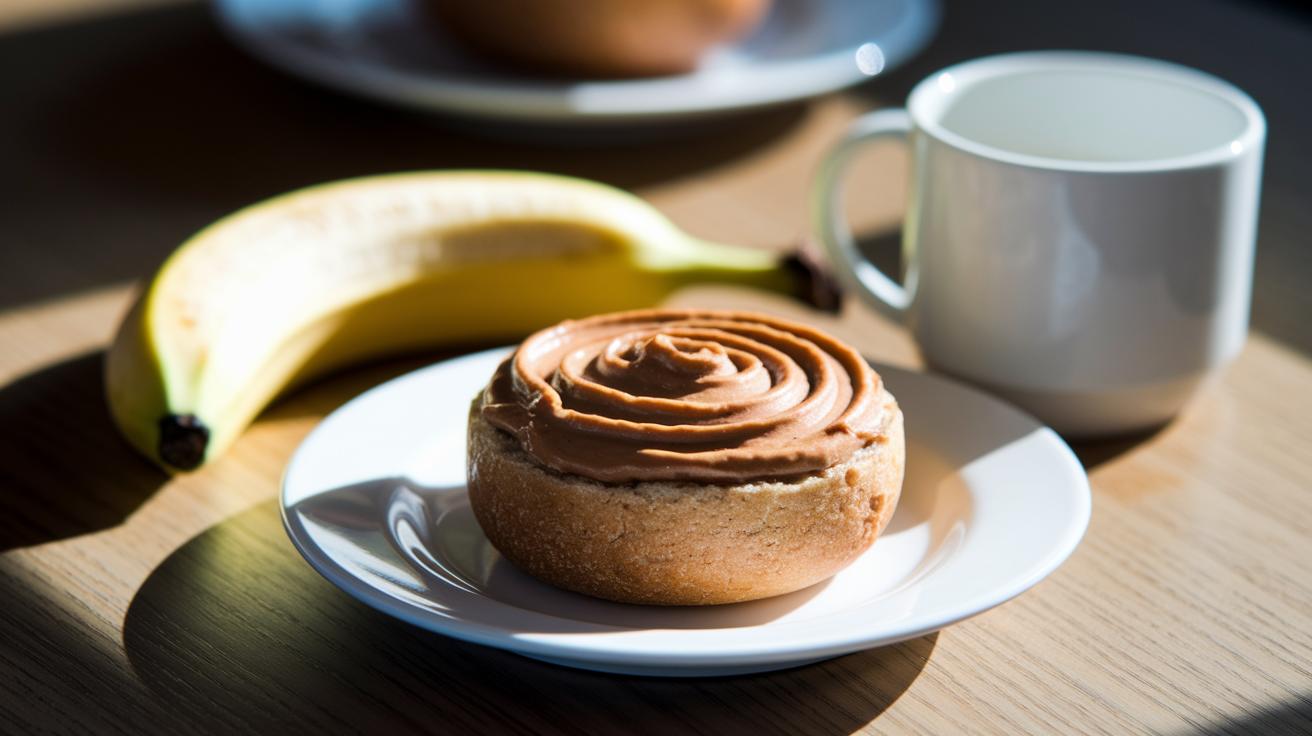
When it comes to keeping our energy steady, eating at the right times really makes a difference. Start off your day with a wholesome breakfast, imagine biting into a whole-wheat English muffin spread with peanut butter to spark your metabolism. A light mid-morning snack, like a banana, can help you power through until lunch. Later, a small bite such as a cup of baby carrots or about 10 whole wheat pretzel twists works well to keep hunger at bay before dinner. Planning dinner with enough time to digest can lead to better sleep and a more comfortable evening. By setting regular meal and snack times, your body can use energy smoothly, keeping you active and alert all day.
For those busy days, a little meal prep can make healthy eating feel simple. You might batch-cook grains and proteins, think rice or chicken, so that you’ve got ready-to-use ingredients for quick meals. Wash and chop fruits and veggies ahead of time and store them in clear containers for easy access. Pre-portion snacks like nuts, fruits, or veggie mixes so you can grab them when you’re in a rush. These easy steps help lessen the stress of daily meal planning, making it simpler to stick to a balanced diet, even when life gets hectic. With just a bit of preparation, you can keep your healthy eating routine on track without missing a beat.
Final Words
In the action, we explored the core principles of a balanced diet meal plan, sharing everything from incorporating fruits, vegetables, and lean proteins to detailed meal templates and a weekly schedule. Each section offered simple strategies to craft a healthy meal framework and personalize plans based on individual needs.
By breaking down sample portions and customization tips, the blog provided a clear, approachable guide to making data-informed lifestyle decisions. Stay positive, keep experimenting, and enjoy the benefits of a balanced diet meal plan.
FAQ
What should I eat on a balanced diet?
The balanced diet should include a mix of fruits, vegetables, whole grains, lean proteins, and healthy fats. This combination helps keep your body fueled and supports overall wellness.
What are the 7 things you need in a balanced diet?
The seven essentials are fruits, vegetables, whole grains, lean proteins, healthy fats, adequate hydration, and a range of micronutrients from various foods to support body functions.
What is the 3-3-3 rule for weight loss?
The 3-3-3 rule for weight loss suggests planning three balanced meals, incorporating three healthy snacks, and ensuring each meal includes three key food groups to help maintain steady energy levels.
How do I make a simple balanced diet chart?
A simple balanced diet chart is created by outlining breakfast, lunch, and dinner with foods from fruits, vegetables, whole grains, lean proteins, and healthy fats. Free templates can help you structure your daily meals.
Where can I find a balanced diet meal plan PDF or a 7-day healthy eating plan?
A balanced diet meal plan PDF provides ready-to-use templates for a week of meals. Many free downloads include plans suitable for weight loss and overall healthy eating with clear portion guidelines.
What is included in a balanced diet food list?
A balanced diet food list features nutrient-rich options such as fruits, vegetables, whole grains, lean proteins, and healthy fats. This list acts as a guide for assembling meals that support a healthy lifestyle.

