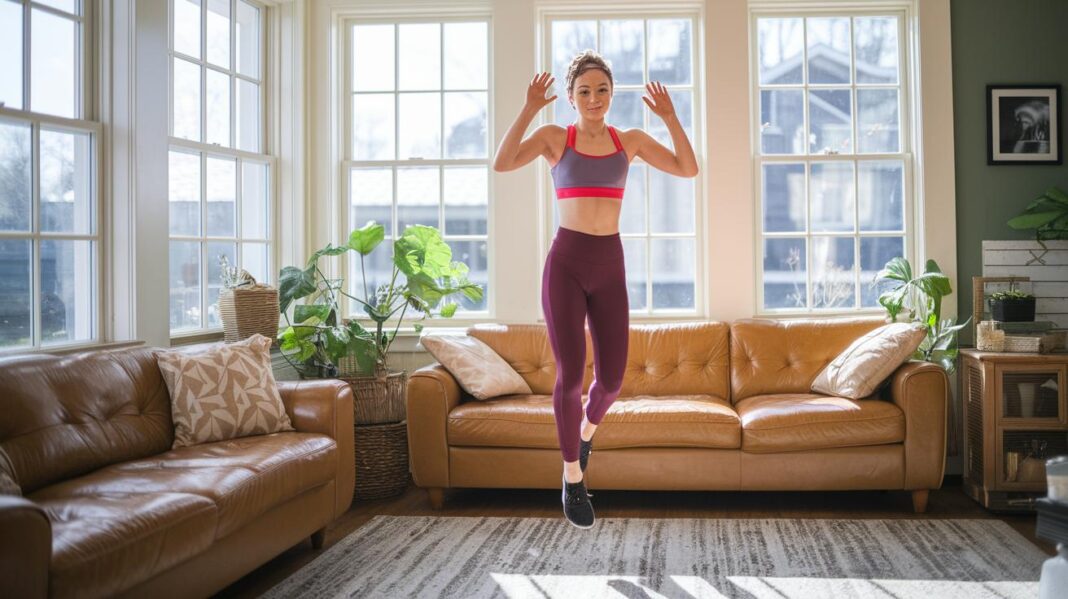
Have you ever thought your living room could be the perfect place for a quick, heart-pumping workout? You don't need fancy machines to boost your energy. Simple moves like jogging in place or even gentle marching can get your heart rate up and lift your mood. Just spending 10 to 20 minutes a day on these quick sessions can really make a difference. In this guide, I'll show you how to craft a routine that fits right into your day while helping you build your endurance and energy step by step.
Basic At-Home Cardio Routine for Beginners
Feeling energetic doesn't mean you need a fancy gym membership. You can boost your energy with simple, equipment-free moves at home. Begin with sessions lasting about 10 to 20 minutes, four to seven days each week. The idea is to spend more time moving. For example, try a 15-minute session of easy moves such as marching, jogging lightly in place, or doing low-impact motions. Ever notice how a brisk 15-minute walk can lift your mood?
The Centers for Disease Control and Prevention suggests getting 150 minutes of activity each week. Instead of feeling overwhelmed by one long workout, break it up. If 20 minutes straight sounds too much, why not split your exercise into a couple of 10-minute sessions? Each burst helps raise your heart rate and improves your cardiovascular health.
This routine shows that good cardio practice doesn’t need special gear or a gym. Your home is all you need. The goal is to keep your heart rate up by moving continuously. As you build up strength, you can slowly add more time or mix in other moves like light stepping, squats, or mimic jumping jacks.
Remember, consistency matters. Over time, these short sessions add up, boosting your heart health, endurance, and overall well-being. Keep it simple, work at your own pace, and soon every minute will really count.
Low-Impact At-Home Cardio Moves for Beginners

Kick off your day with a quick 10-minute walk at home. All you need is a comfy pair of shoes, and you’re ready to boost your heart health without stressing your joints. Every step not only works your legs but also energizes your whole body.
Switch up regular jumping jacks by stepping side to side instead of jumping. This gentle version still gets your heart pumping while being easier on your joints. Imagine shifting your weight from one foot to the other like a smooth, easy dance, it keeps things light and fun.
Try a modified burpee next. Skip the jump and move from a squat straight into a plank. This smooth flow protects your knees and back while keeping you moving. And if you’re just starting out, add a seated march or do calf raises in place. These simple moves build your stamina and get your body ready for more challenging workouts later on.
Beginner-Friendly At-Home HIIT Cardio Drills
Get ready to boost your heart rate and build strength with nine fun bodyweight moves that you set the pace for. Start with Jumping Jacks, imagine a mini celebration with every jump as you move your arms and legs together. It’s a great way to kick things off!
Then try a High-Knee Skip, where you lift your knees high like you’re marching, but add a playful skip for extra fun.
Next, give Ice Skaters a go. This side-to-side move not only improves your balance but also engages your core. After that, move into Jump Squats: lower into a squat and then add a gentle jump to activate your glutes and thighs.
Up next are Burpees. Start with a squat and then drop into a plank. If the jump feels too intense, you can skip it and still get a great workout while building endurance.
Switch gears with Mountain Climbers, driving your knees toward your chest in quick, controlled steps. Follow with Single-Leg Hops, alternating legs to challenge your balance. Keep things lively with Side-to-Side Hops so your body moves in every direction, and wrap up with High Knees for a final burst of cardio energy.
Aim for 20 to 30 seconds of work on each drill followed by 10 to 15 seconds of rest. As you get stronger, try extending the work time to 45 or 60 seconds. These varied moves not only help your heart but also boost endurance and reduce stress, giving you the freedom to adjust the intensity to suit your own energy level.
Step-by-Step 10-Minute Beginner Bodyweight Cardio
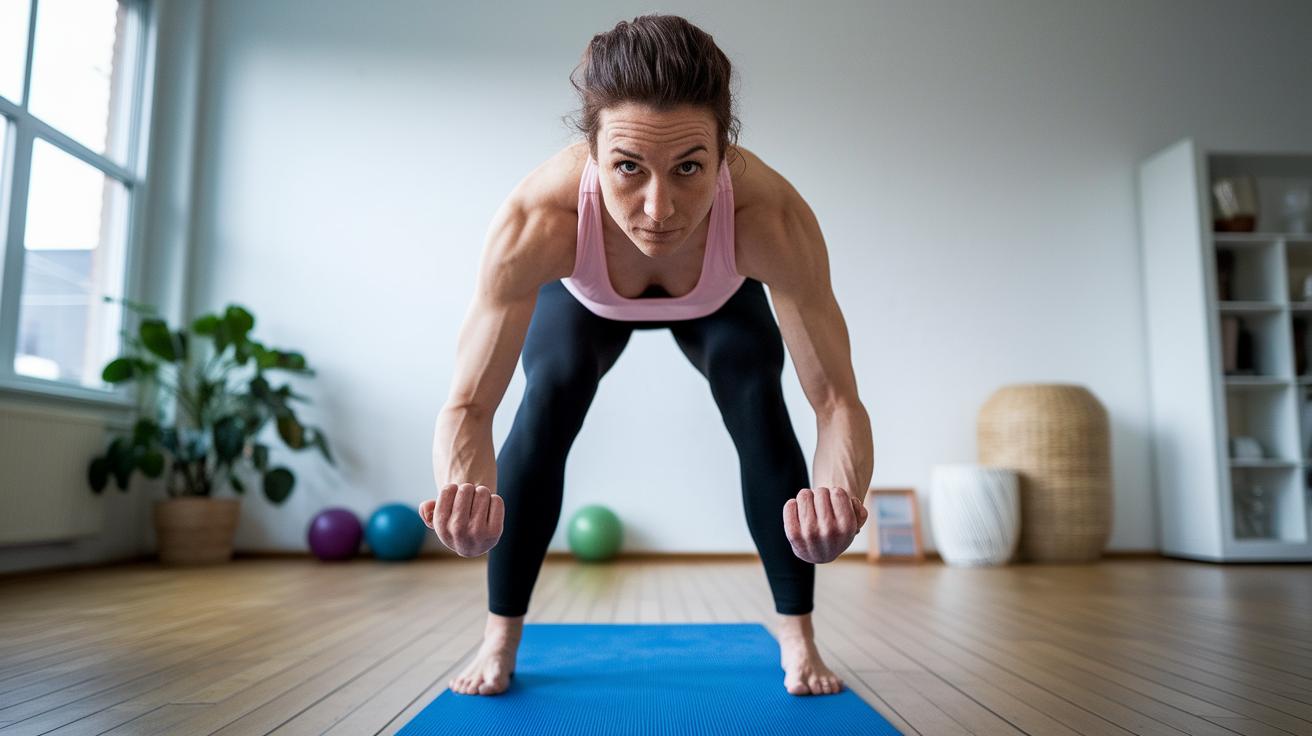
Begin with Standing Hamstring Curls. Stand up straight and tighten your core. Slowly lift one heel toward your butt while squeezing your hamstring, then lower it back down. This exercise works your hamstrings along with your quads and glutes. Imagine you’re gently curling a towel and feel that warm burn in the back of your thigh.
Next, try In-Place Jump Rope. Picture holding an imaginary rope in both hands. Swing your arms back and forth while making light jumps, landing softly on your toes. Keep your core engaged to help with balance. This move boosts your heart rate and works your calves, shoulders, and arms. Think of it like tapping a tiny drum with each gentle landing.
Then, move on to Lateral Squat Walks. Get into a low squat and take small, deliberate steps to the side. Keep your back straight and let your knees stay in line with your feet. This exercise challenges your quads, glutes, and inner thighs while also strengthening your core. Imagine gliding over a smooth surface, each step well-planned and controlled.
Now try Sumo Squats and Reaches. Stand with your legs spread wide in a sumo stance. Lower yourself into a squat slowly, and as you stand back up, lift your chest while extending your arms overhead. This move targets your inner thighs, calves, back, shoulders, and arms. Picture yourself reaching for the top shelf with a smooth, controlled stretch.
Finish with Jab-and-Tap Punches. Get into a light boxing stance with your knees slightly bent. Alternate a quick jab with a gentle tap at the side. This lively exercise works your arms, shoulders, core, and back with steady, controlled movements. It’s like shadowboxing with a clear purpose.
Remember to follow a certified trainer’s video to see the proper form and pace. After four weeks of consistent practice, you might consider adding light hand weights to boost the challenge and further strengthen your muscles.
Safety Tips, Modifications, and Progression for Home Cardio
Before you start any cardio workout, it's a good idea to get a quick check-up if you have heart concerns. Always protect your joints by keeping your knees a little bent, your back straight, and your tummy tight with every move. This not only makes your form better but also helps prevent wear and tear.
If you're new to cardio, it's perfectly fine to ease into the movements. Instead of doing full jumps, try stepping jacks where you slowly step side to side. For burpees, you can do a squat-to-plank version without the jump. And if that still feels too hard, simply perform a seated march in place. These easier versions give your heart a gentle workout without risking injury.
When you feel ready to push a bit further, gradually add more time. For example, add 5 seconds to each work interval or extend your total session by 2 minutes each week. Mixing in high-intensity moves with gentler ones is an effective way to manage tiredness and help your body recover.
Remember, keeping the right form in every exercise is as important as the workout itself. Listen to your body and progress slowly, so you keep challenging yourself safely while enjoying the journey.
Sample Weekly Schedule for At-Home Cardio Beginners
Start your at-home cardio journey with this fun weekly plan that keeps you energized and on the move. This schedule is super flexible. You can choose to do five 30-minute sessions or a few shorter bursts that add up to 150 minutes a week. It blends easy days with more exciting high-intensity intervals, and even includes some gentle recovery time. On extra busy days, try splitting your session into two 10-minute chunks. It keeps you active without feeling like too much at once.
This seven-day plan mixes different types of workouts so you burn calories and boost your mood every day. One day might be a calm walk, while the next brings a burst of high-intensity moves to fire up your energy. By rotating your exercises and taking a day just for light stretching or rest, you help your muscles recover and avoid overdoing it.
| Day | Exercise Type | Duration |
|---|---|---|
| Monday | Low-Impact Walking | 20 mins |
| Tuesday | HIIT Cardio Drills | 10 mins |
| Wednesday | 10-Minute Bodyweight Circuit | 10 mins |
| Thursday | Active Recovery (March in Place) | 15 mins |
| Friday | HIIT Cardio Drills | 10 mins |
| Saturday | Low-Impact Jumping Jacks Mod | 15 mins |
| Sunday | Rest or Gentle Stretching | – |
Final Words
In the action, we covered a simple, no-equipment plan that includes basic routines, gentle low-impact moves, and HIIT drills, all designed for new exercisers. The guide gave clear steps for safe modifications and gradual progression. Breaking sessions into manageable bursts keeps the workouts flexible and enjoyable. Keep exploring at home cardio workouts for beginners that are easy to integrate into daily life. Enjoy each session and feel motivated as you boost your overall well-being!
FAQ
What are some effective at-home cardio workouts for beginners without equipment?
The effective at-home cardio workouts for beginners without equipment include brisk walking, low-impact jumping jacks, and modified burpees. These free routines get your heart rate up using only your body weight.
Can I incorporate weights into my at-home cardio workouts for beginners?
The use of weights in at-home cardio workouts for beginners adds extra resistance. Light hand weights during movements like squats or lunges can gently build strength alongside increased heart rate.
What are some common cardio exercises I can do at home?
The common at-home cardio exercises include walking, HIIT drills like jumping jacks, squat variations, lunges, and even crunches. These moves improve heart health and engage multiple muscle groups.
How can I get a quick cardio workout at home, such as a 5-minute session?
The idea of a 5-minute cardio workout at home means you can quickly boost your heart rate with a simple circuit. Combining moves like seated marches and gentle jump variations works well for beginners.
What is a good overall cardio routine for a beginner?
The good overall cardio routine for a beginner starts with 10–20 minute sessions done several days a week. This routine focuses first on building duration before increasing intensity as your fitness improves.
Is 20 or 30 minutes of cardio enough for a beginner?
The concept of 20 or 30-minute cardio sessions is enough for a beginner to meet activity goals. These durations help improve cardiovascular health, and you can always split longer sessions into shorter bursts.
What is the 12 3 30 cardio rule?
The explanation for the 12 3 30 rule is that you set your treadmill to a 12% incline, walk at 3 miles per hour for 30 minutes, making it a simple yet challenging workout for boosting endurance.

