
Ever wonder if a little resistance could change your everyday life? Strength training isn’t just about bulking up. It helps you become healthier and more energetic.
Try simple moves like squats or exercises that use your own body weight. These exercises boost your muscle tone, strengthen your bones, and kick your metabolism into gear. Each set challenges your muscles while making everyday tasks a bit easier.
Today, we’re sharing how strength training can power up your life and help you feel more resilient every day.
what is strength training: Power Up Life
Strength training is all about working against resistance to boost your muscle power. You usually do it two or three times a week, using weights or even just your own body. This type of exercise helps sharpen muscle tone, build stronger bones, and kick your metabolism into high gear. Think about performing heavy squats until you’re really feeling the burn, each set teaches your muscles to work just a bit harder.
It’s not only about showing off muscles; it’s also a way to get better at everyday tasks. Every session helps your nervous system become more efficient in using your muscle fibers, which in turn makes daily activities easier. Over time, consistently challenging your body makes you feel more resilient and ready to take on life. If you’re new to strength training, you might want to check out this helpful beginner’s guide on how to start your journey.
Strength Training Benefits for Muscle, Bone, and Metabolism
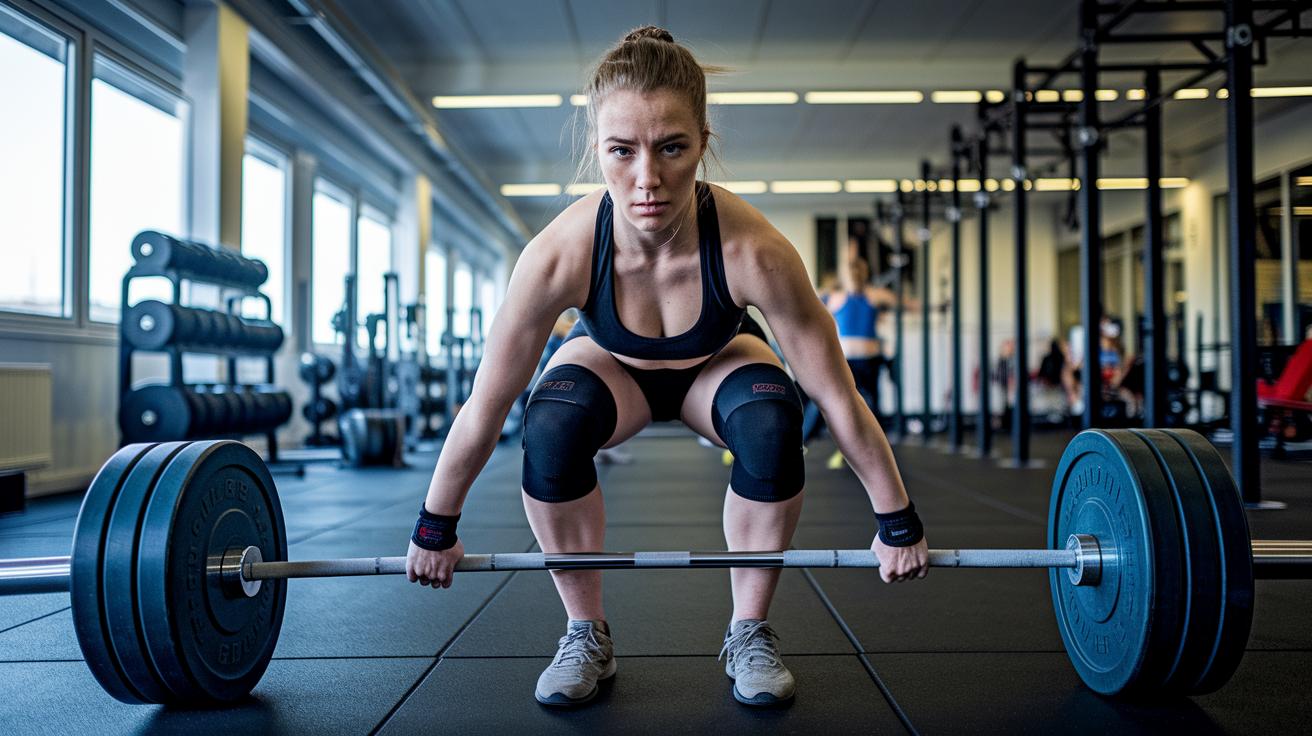
Strength training is more than just growing muscles or strengthening bones. It kicks off a series of changes that help your body stay healthy for years to come. Many people have shared how choosing the right exercises makes every workout feel like a boost for overall well-being.
Heavy moves like squats and deadlifts get your muscles to work harder by recruiting more muscle fibers. One person said, "After adding deadlifts to my routine, I noticed a stronger connection with my core and legs, energizing my workouts like never before."
High-impact exercises such as jumping squats can help improve your bone strength by waking up cells that build bone. And when you mix up your routine with techniques like superset training, where you switch between exercises quickly, it can keep your metabolism high for up to 72 hours.
Quick, explosive moves like kettlebell swings also support your central nervous system, helping your muscles get better signals. Plus, using progressive overload (starting light and slowly increasing the weight) sharpens your performance. As one person explained, "A gradual weight increase not only improved my strength but made each session more challenging and rewarding."
Many people who have added these resistance techniques to their routines report feeling more energetic and experiencing better overall health.
In short, a well-planned strength training routine, backed by science, can be a powerful tool for lasting strength and a higher quality of life.
Essential Strength Training Exercises for Beginners
Starting a strength training routine is all about setting up a plan that touches every major muscle group in your body. A beginner’s workout might include 8 to 10 different exercises, each done for 8 to 12 repetitions until you feel a good kind of tired. Before you dive in, spend about 5 minutes warming up with some light cardio, think cycling, rowing, or even skipping. And after your workout, cool down with 2 to 3 minutes of easy movement followed by 5 to 10 minutes of stretching to keep your muscles relaxed.
Compound Movements
Compound exercises help you work several muscles at once, forming a strong base for your fitness journey. Start with squats to boost the strength of your legs and glutes. Next, try deadlifts to engage your back and hamstrings. The bench press is great for building up your chest, shoulders, and triceps, while the overhead press gives your shoulders and core stability a real workout. Aim for 2 to 3 sets of 8 to 12 reps for each of these moves so you can steadily build strength and nail the proper form.
Isolation Movements
Isolation exercises let you focus on one muscle group at a time, which can help refine specific areas you want to improve. For example, bicep curls with dumbbells are fantastic for building arm strength. Tricep extensions target the back of your arms, leg curls work the muscles at the back of your thighs, and calf raises help strengthen and shape your lower legs. Just like with compound exercises, try to complete 2 to 3 sets of 8 to 12 reps until you feel that healthy burn.
| Exercise | Reps |
|---|---|
| Squats | 8-12 |
| Deadlifts | 8-12 |
| Bench Press | 8-12 |
| Overhead Press | 8-12 |
| Bicep Curls | 8-12 |
| Tricep Extensions | 8-12 |
| Leg Curls | 8-12 |
| Calf Raises | 8-12 |
Strength Training Modalities: Types and Techniques

Strength training can be done in many ways. Whether you choose free weights or use your own body, each type offers its own benefits. Your workout can vary in how many reps you do, how heavy you lift, how long you rest, and how often you practice. Your body quickly adapts to the challenges you set, which is sometimes called the SAID principle. Techniques like supersets, drop sets, or rest-pause strategies make your workouts fun and challenging. No matter if you stick with classic moves or try a mix of methods, you can adjust each one to fit your current fitness level while aiming to build muscle and boost performance.
Free Weights
Free weights include tools like dumbbells and barbells. They let you move naturally, which makes your smaller stabilizer muscles work extra hard. By switching up the weights, you can focus on strength or on building muscle size. For instance, try doing bicep curls with a light dumbbell and gradually increase the weight so every rep really makes a difference.
Machines
Machines guide your body along a set path, so you don’t have to worry about balance. They help you target one muscle group at a time. Think of it like following a clear set of instructions in a recipe. They’re perfect for beginners who want to learn the proper form while keeping the workout safe.
Bodyweight
Bodyweight exercises use the resistance of your own body. Exercises like push-ups, squats, and planks are great examples. These moves boost balance, flexibility, and coordination while still giving your muscles a good challenge. For more details on this type of exercise, check out the insights on functional strength training.
Resistance Bands
Resistance bands offer a simple, portable way to train and adjust to different strength levels. They work similarly to free weights but add a twist by providing steady resistance during each movement. This continuous tension keeps your muscles engaged throughout the exercise.
Kettlebells
Kettlebells bring together strength and a bit of cardio in one workout. Their unique shape lets you swing and rotate, which targets several muscle groups at once. It’s a dynamic way to improve strength and endurance all in one go.
How to Begin a Strength Training Program Safely
Start your workout with a simple five-minute warm-up. Try a brisk walk or a light cycle ride to get your blood flowing. Next, do some beginner strength exercises. Aim for 2-3 sets of 8-12 repetitions for each movement. Keep your sessions to just twice a week so your muscles have time to adjust and recover. Think of it like building a salad, you start with fresh greens and slowly add ingredients until it’s complete.
Before you jump into strength training, check with your doctor if you have any past injuries or chronic conditions. Listen to your body and push yourself gradually by increasing the challenge over time. End your workout with 2-3 minutes of light activity and 5-10 minutes of stretching to ease muscle tightness.
Equipment Essentials for Effective Strength Training

Working out your muscles starts with having the right gear. When you use the proper equipment, you can exercise safely and really push yourself to improve. In the gym, key items like free weights (that’s dumbbells and barbells), machines, resistance bands, and kettlebells help you strengthen your muscles with proper form.
Using extra accessories such as lifting belts, straps, and mats keeps you steady during your workouts. And if you’re setting up a home workout routine, there are plenty of options that won't crowd your space. Simple bodyweight exercises, adjustable dumbbells, bands, and kettlebells allow you to work all your muscle groups while staying safe and comfortable.
- Free weights (dumbbells, barbells)
- Machines
- Resistance bands
- Kettlebells
- Lifting belts and straps
- Mats
- Bodyweight options
- Adjustable dumbbells
Final Words
In the action, this article breaks down what is strength training by explaining its core benefits, key exercises, and safe methods for beginners. We covered how resistance workouts improve muscle tone, bone strength, and overall metabolism while outlining the right equipment and techniques.
For those eager to begin, check out guidance on "how to start strength training" here: https://greenjuicelife.com?p=869. Enjoy experimenting with these approaches and look forward to feeling stronger every day.
FAQ
What is strength training?
The strength training refers to any exercise method that challenges the muscles using resistance. It can be done at home, in a local gym, or anywhere. It helps build muscle, boost metabolism, and manage weight.
What are the big 5 strength exercises?
The big five strength exercises typically include squats, deadlifts, bench press, overhead press, and rows. These moves work multiple muscle groups and form the basis of many effective strength programs.
How do I do strength training?
To do strength training, begin with a warm-up, select exercises that suit your fitness level, and perform them with proper form. Gradually increase sets and reps while ensuring safe progress over time.
Can I strength train without weights?
You can strength train without weights by performing bodyweight exercises like push-ups, squats, and lunges. These moves effectively build strength, improve muscle tone, and form a core part of your fitness routine.

