
Ever wonder if working on your strength off the bike could actually give you more time on it? It might sound odd, but adding a bit of strength training can really boost your endurance. Picture your legs working like smooth gears that help you beat fatigue and keep knee pain away.
Regular leg workouts can even help you ride faster and keep your bones strong, even when you’re in your twenties. In this article, we share easy tips and simple exercises that can make your rides smoother, longer, and a lot more fun.
Customized Strength Training for Cyclists
Cyclists can boost their performance by adding lower-body workouts two or three times a week over an 8- to 20-week block. This approach builds leg power, improves your cycling efficiency, and makes every ride a bit smoother. Fun fact: regular leg workouts not only help you ride faster but also strengthen your bones when they are at their peak density in your twenties.
A typical session lasts 30 to 60 minutes. You might do 2 to 4 exercises that work several leg muscles at once, think squats or lunges, paired with a few core drills. These moves help keep your muscles in balance, which can ease knee pain and lower your risk of injury. The number of sets and repetitions can change based on how intense the exercise is. It’s smart to adjust the load each day based on how hard you feel you are working instead of sticking to fixed weights.
To keep things fresh and help your body recover, try switching between light, moderate, and high-intensity phases every 2 to 3 months. This planned approach prevents burnout and lets your body get the rest it needs. And if you miss a workout, simply lower the intensity by 10 to 20 percent for that week instead of trying to catch up with extra sessions.
Planning a strength routine that suits you not only builds endurance and power but also supports long-term cycling performance by improving overall fitness and reducing injury risks.
Lower Body Pedal Power: Key Exercises

Squats help you build strong legs. Start with bodyweight squats, doing 15 to 30 reps at an easy level to work your glutes, quads, and hamstrings. As you get stronger, try front squats with a bit more weight. It’s like cooking a simple meal: begin with the basics and add more flavor as you feel comfortable.
Next up are lunges. Do 3 to 5 sets of 15 to 30 reps. Keep your knees in line and your torso steady. Start without extra weight, and then consider adding dumbbells. This switch builds power in each leg and keeps you balanced, which is great for sprints.
Single-leg deadlifts can really fix muscle imbalances. Try 8 to 10 reps on each side with 20 to 40 lb dumbbells. Not only does this balance your strength, but it also gives you better control when you're on the bike.
Finally, burpees are awesome for working on explosive sprint power. Do 10 to 20 fast reps for 3 to 5 sets. They challenge your entire body and ready you for those moments when you need a quick burst of energy.
Core Stability Drills for Cyclists
Planks are a great way to build a strong core for cycling. Start by holding a plank for 30 to 60 seconds, and as you get stronger, work your way up to 60 to 90 seconds. This exercise not only strengthens your shoulders and lower back, but it also helps you transfer more power to your pedals. Imagine your body as a sturdy suspension bridge, each second you hold the plank, you're adding extra support.
Leg lifts are another effective drill to improve core stability. Aim for 15 to 25 reps per set over 3 to 5 sets, and try adding an overhead arm variation to hit your upper abs too. This move helps keep your trunk stable, which is super important when you’re powering through long rides or tackling steep hills.
Renegade rows mix things up nicely. Do 15 to 30 reps per set with a rest of 30 to 90 seconds between sets, and consider adding a push-up between reps to boost the challenge. This exercise not only builds stabilizing muscles, but it also mimics the quick, multi-directional movements you need on your bike during sudden changes.
Upper Body Rider Conditioning and Injury Prevention

Controlled military press exercises are a great way to strengthen your shoulders, triceps, and upper back while keeping your core engaged. Picture yourself lifting a weight steadily, like a friend carefully hoisting a heavy box. This workout helps you maintain good posture on long rides.
Barbell rows mimic the pulling action on your handlebars and work on your grip, back muscles, and arms. They build a strong upper body and ease pressure on your neck and lower back. Think of it like reinforcing a bridge, each steady pull adds more support for smooth bike handling.
Renegade rows are another effective exercise to add to your routine. Doing 3 to 5 sets of 15 to 30 reps can boost your upper-body endurance and strengthen your core. Try adding a push-up between each row to give your stabilizing muscles an extra challenge.
Focused upper-body conditioning brings balance to your cycling performance. Strengthening these muscle groups improves bike control and can reduce the risk of overuse discomfort on long rides. Each controlled rep builds resilience, making those long days on the saddle feel smoother and more secure.
Designing a 12-Week Strength Training Plan for Cyclists
Imagine setting up a 12-week plan that guides you step-by-step to boost your endurance and manage your overall training. If you haven’t done weight training in a while, especially if it's been over six months, starting in the off-season is a smart choice. In this base phase, you gently reintroduce strength work without putting too much pressure on your body. You can begin with 2 to 3 lower-body sessions each week for the entire 12 weeks, focusing on moves like squats, lunges, and core exercises that help build a strong foundation. Once you finish this phase, adding one maintenance session per week keeps your strength up without stressing your recovery.
You can also mix cycling with strength training on the same day if you plan it well. For example, you might start your day with a ride and then wait about 30 minutes before hitting the weights. This pause helps you avoid a drop in your lifting power, which can fall by 10–25%, that tends to happen after a long ride.
To keep making progress, try a periodized approach, which means changing your training load every 2 to 3 months from light, moderate, to heavy. This way, your muscles keep adapting without overworking, and you can enjoy active rest breaks along the way.
If you happen to miss a week, ease back in by lowering your intensity by 10–20% for each week skipped. Don’t scramble to catch up with extra sessions, as that might put too much strain on your body. Instead, take it slow and let your muscles adjust. Sticking to this structured 12-week workout plan can blend in-season maintenance with off-season strength gains, helping you build both endurance and a way to prevent injuries while riding.
Keep an eye on how you’re doing and tweak your workouts based on how you feel day-to-day. This 12-week plan is a valuable tool for building up power and resilience for all those long rides on your bike.
Gym-Based and Home Gym Workouts for Cyclists

When you hit the gym, try mixing up exercises like back squats, leg presses, cable woodchops, and lat pulldowns. Aim for 3 or 4 different moves, and do 3 to 4 sets of each. Think of it as gradually adding more resistance, much like you’d prepare for a long bike ride. It’s like building your strength one brick at a time, each rep of a back squat is laying the foundation for stronger, more powerful legs.
If you love the idea of a simple setup, a home gym routine works just as nicely. Focus on bodyweight squats, lunges, planks, burpees, and leg lifts. The key here is to nail your form first before you add extra weight. It’s a bit like practicing on a safe track before you head out on the open road. This way, you build and maintain strength without needing fancy equipment.
You might also want to try a circuit workout that doesn’t need any special gear. For instance, you could do 5 different exercises, working for 30 seconds and then resting for 15 seconds, repeating this for 3 to 4 rounds. In just 30 to 45 minutes, you’re cycling through bursts of effort and rest, kind of like the intervals on your bike that boost power and recovery. Imagine switching gears quickly between challenges and breaks, keeping your muscles ready for those long, enjoyable rides.
Advanced Conditioning Drills and Explosive Power for Cyclists
Explosive conditioning drills can boost your burst power and stamina on the bike. Kettlebell swings are a perfect place to start. Use a light kettlebell so you can master your hip hinge. This exercise builds strength in your quads, hamstrings, and glutes, key muscles for those strong bursts during climbs or sprints. Picture it like swinging a pendulum; every controlled swing trains your muscles to respond quickly while keeping your balance.
Jump squats or box jumps are also great for triggering your fast-twitch muscle fibers. Try doing 3 to 5 sets of 8 to 12 reps. Think of it as leaping into action, like when you rush to catch your bus. Each jump packs a punch, building powerful legs that can fuel your bike sprints. And if you’re up for more, burpee variations add extra punch. Mix in a push-up or a vertical jump with your burpee, and you’ve got a full-body move that challenges several muscle groups at once. Aim for 10 to 20 reps per set, keeping pace with 3 to 5 sets for overall explosiveness.
Remember to keep an eye on your technique and landing. Small tweaks now can lead to more power on the bike later, and they help protect your joints. So, give these drills a try and feel your cycling performance grow with every move.
Safety, Recovery, and Progression Strategies in Cyclist Strength Training
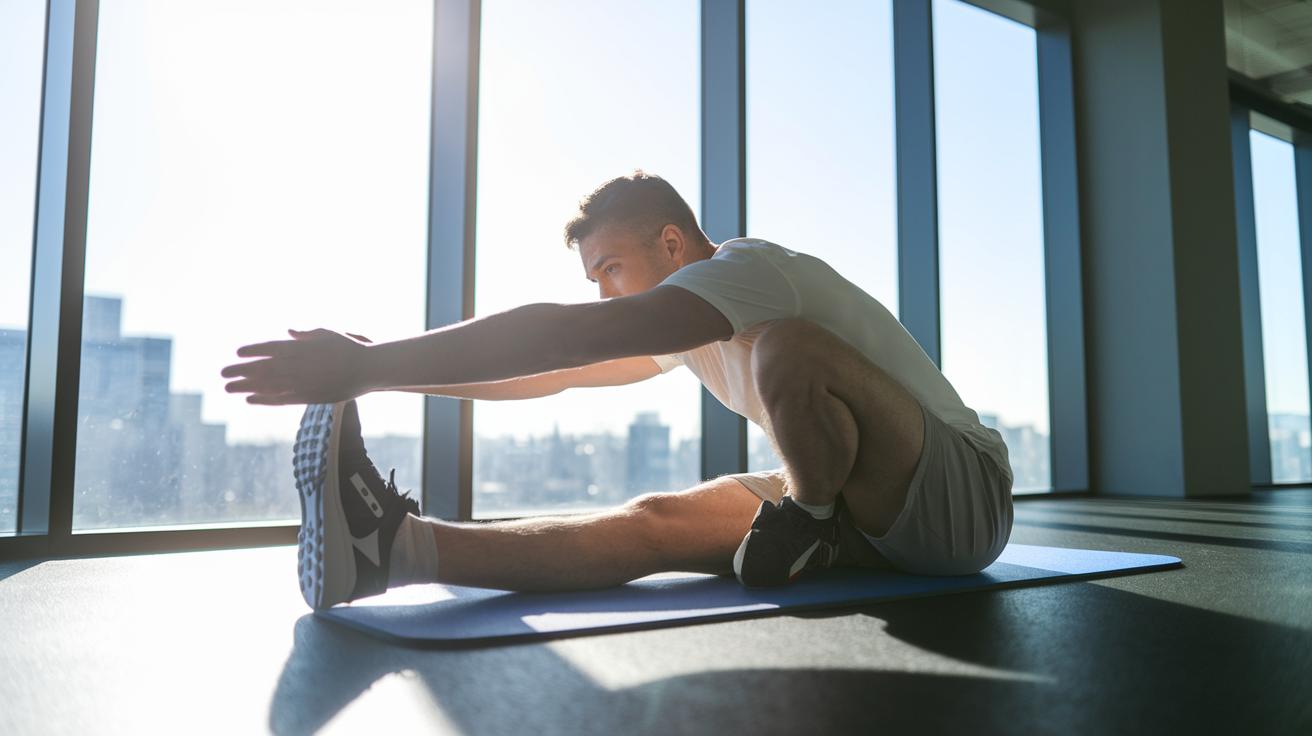
Before you dive into strength training, start with a warm-up and some dynamic stretches. Think of it as getting your engine ready for a long ride, a few minutes of easy movement helps lower your risk of injury.
When your muscles feel a bit sore later on, begin with a moderate workout and slowly ramp up the effort. If you notice any stiffness, try reducing how hard you push using something like the rating of perceived exertion (RPE) scale. This way, you don’t overdo it on days when you’re not feeling 100%.
A cool-down routine is a great idea too. Try some foam rolling after your session, it’s like treating your muscles to a gentle massage. Also, be sure to take at least one full rest day each week. On those days, you might opt for active recovery, like light yoga or simple mobility drills, to keep your muscles moving.
Lastly, increase your workout challenges only when you’ve got your form just right. When you can do the basic squat comfortably, that’s your cue to add a little extra weight or more reps. This gradual build-up helps you grow stronger while keeping injuries at bay.
Final Words
In the action, strength training for cyclists proves its worth by boosting endurance while sharpening pedal power. We covered how lower-body, upper-body, and core drills fit neatly into balanced routines that strengthen muscles and help avoid injury.
By following smart, evidence-backed tips, you can mix gym and home workouts while keeping recovery in check. Keep moving forward with confidence and enjoy the positive shifts that come with a solid strength routine.
FAQ
What does “strength training for cyclists pdf” refer to?
The strength training for cyclists pdf outlines exercises, rep ranges, and schedules designed to boost cycling performance, offering clear guidance on improving muscle balance and endurance.
What is a 12-week strength training program for cyclists?
A 12-week strength training program for cyclists is a structured schedule that uses periodized workouts to build leg strength, improve efficiency, and reduce injury risks through progressive overload.
What does strength training for cyclists over 50 and 60 include?
Strength training for cyclists over 50 (and 60) adjusts exercise loads and includes more recovery, focusing on proper form, gradual progress, and tailored workouts to support joint health and muscle sustainability.
What insights does strength training for cyclists on Reddit offer?
Insights from Reddit on cyclist strength training share practical tips, workout routines, and real-life experiences, allowing cyclists to exchange ideas and adapt training strategies to meet their specific needs.
What is the free downloadable 12-week strength training program PDF for cyclists?
The free downloadable 12-week strength training program PDF provides a ready-to-use plan with detailed instructions, exercise choices, and progression strategies to help cyclists boost performance effectively.
What can I expect from a strength training for cyclists book?
A strength training for cyclists book offers detailed guidance, comprehensive plans, and exercise instructions designed for riders of all levels, aiming to improve strength, efficiency, and overall endurance.
What defines the best strength training for cyclists?
The best strength training for cyclists blends lower-body, core, and upper-body workouts with periodization and mobility work, ensuring improved performance, smoother rides, and reduced risk of injury.

