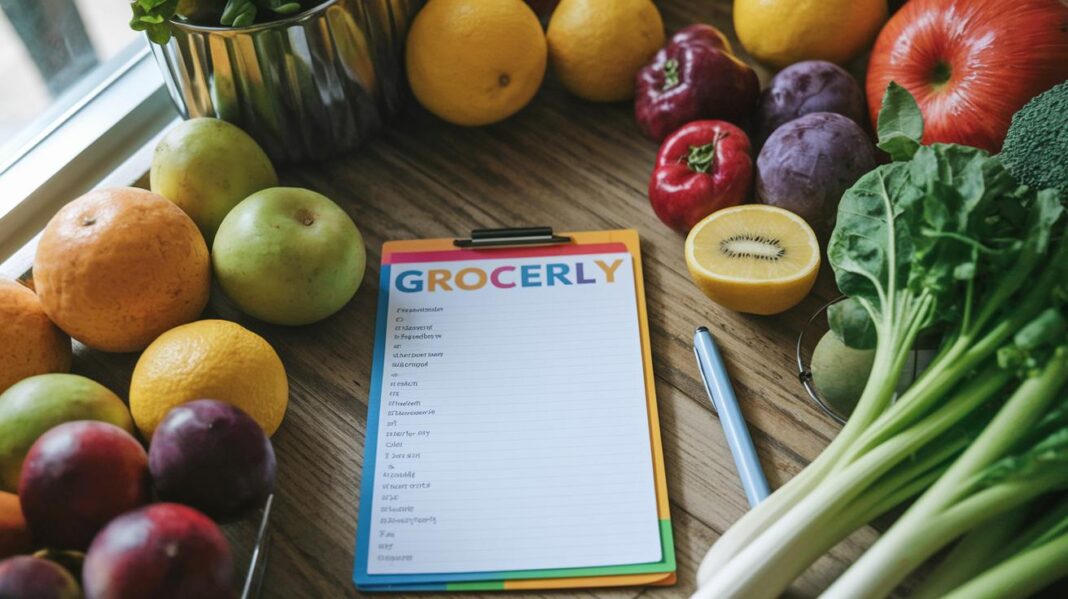
Ever notice how some meals feel extra special while others seem ordinary? Imagine if every grocery trip gave you a little lift in both health and mood. This guide shows you how a smart shopping list can help you pick tasty and healthy foods without breaking the bank.
Picture a mix of fresh fruits and veggies, lean proteins, and whole grains that light up your plate and your day. A simple list can turn your weekly meal planning into a fun and easy routine.
Ready-to-Use Grocery List for Healthy Eating
This grocery list is all about getting great food while saving money. Think of your shopping trip as a fun way to treat your body right while staying on budget. For example, try picking a mix of fruits and veggies. They add a splash of color, a burst of flavor, and pack essential vitamins and fiber. It’s a simple way to keep your meals balanced.
Below is a table that organizes your must-have items into easy categories. Each row shows a category, some example items, and a practical tip for serving the right portions at mealtime.
| Category | Sample Items | Portion Tip |
|---|---|---|
| Produce | apples, avocado, blackberries, grapefruit, kiwis, mangoes, oranges, plantains, raspberries, strawberries | Plan for one medium serving per person to add natural sweetness and fiber. |
| Meat/Meat Alternatives | ground chicken, turkey, extra-lean beef (≥90% lean), wild salmon, sardines, white albacore tuna | Aim for 3-4 ounces of protein per meal for a balanced dish. |
| Dairy & Alternatives | milk, Greek yogurt, cheeses, plant-based milks | Select smaller packages to limit waste and stick to one cup servings when possible. |
| Breads & Grains | brown rice, wild rice, quinoa, farro | Measure out about ½ cup of cooked grains for each meal serving. |
| Pantry Staples | canned beans, oats, chia seeds, pasta, rice, frozen fruits/vegetables | Buy in amounts that match your weekly recipes to avoid overstocking. |
| Beverages & Condiments | unsweetened iced tea, sparkling water, various teas, ground coffee | Choose budget-friendly multipacks that fit your drink and flavor needs. |
| Frozen Foods | brown rice, quinoa, mixed vegetables | Keep these as backups to add variety when your fresh items run low. |
Use this guide as your helper to build a shopping list that supports both your health and your budget. Enjoy planning meals that are as balanced as they are delicious!
Portion Guidelines to Complement Your Grocery List for Healthy Eating
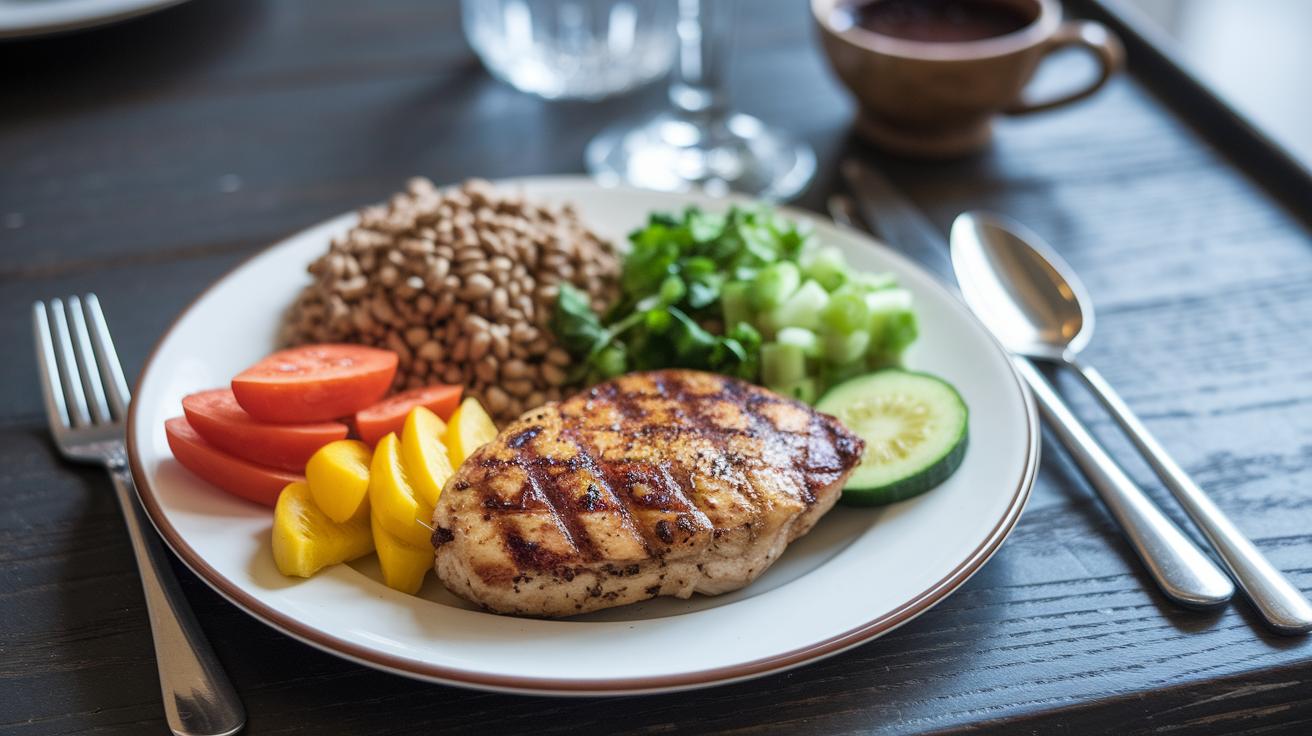
Plan to make five dinners at home each week. This way you enjoy balanced servings while still having time to eat out or use leftovers. Stick to the serving sizes you learned before for protein, veggies, whole grains, and dairy to create complete meals.
Look for simple ways to keep food fresh. For example, choose the smallest packages for items that spoil quickly. This helps reduce waste and keeps your food fresher longer. Think of each dinner as a healthy, balanced plate, you want your protein to be about the size of a deck of cards, along with plenty of vegetables, fruits, grains, and dairy.
Here’s an interesting fact: One well-portioned meal can fuel your evening, showing how small servings can lead to big benefits.
Customizing Your Grocery List for Healthy Eating by Meal Plan or Diet
Think of your grocery list as a flexible plan that fits your everyday life. Depending on your goals, you can swap things around to match your taste and needs. If you're into a plant-based diet, try replacing meat with tofu, lentils, chickpeas, or nuts. You can even pick up fortified plant milks to stand in for dairy. For example, whip up a tasty stir-fry by mixing lentils with a splash of almond milk for a creamy twist.
If the Mediterranean diet is your thing, load up on extra-virgin olive oil, olives, mixed nuts, whole-grain pita, and fresh herbs. These choices not only make your meals burst with flavor but also help keep your heart happy. One handy tip: a light drizzle of olive oil on your salad can really brighten it up.
For a diabetic-friendly menu, focus on fruits that are low on the glycemic scale, such as berries and apples. Pair these with non-starchy vegetables and lean proteins to help keep your blood sugar steady. Believe it or not, swapping in low-glycemic fruits for your breakfast can give you a boost of energy that lasts all day.
If you're planning meals for weight loss, make high-fiber veggies and lean proteins the stars of your plate, and try to cut back on high-calorie oils and sweets. And for family meals, consider stocking up on fruits like bananas and grapes, along with whole-wheat bread, cheese sticks, and Greek yogurt for snack time. This way, you get a balanced mix of nutrients that keeps everyone happy, without breaking the bank.
Budget-Friendly Strategies for Your Grocery List for Healthy Eating
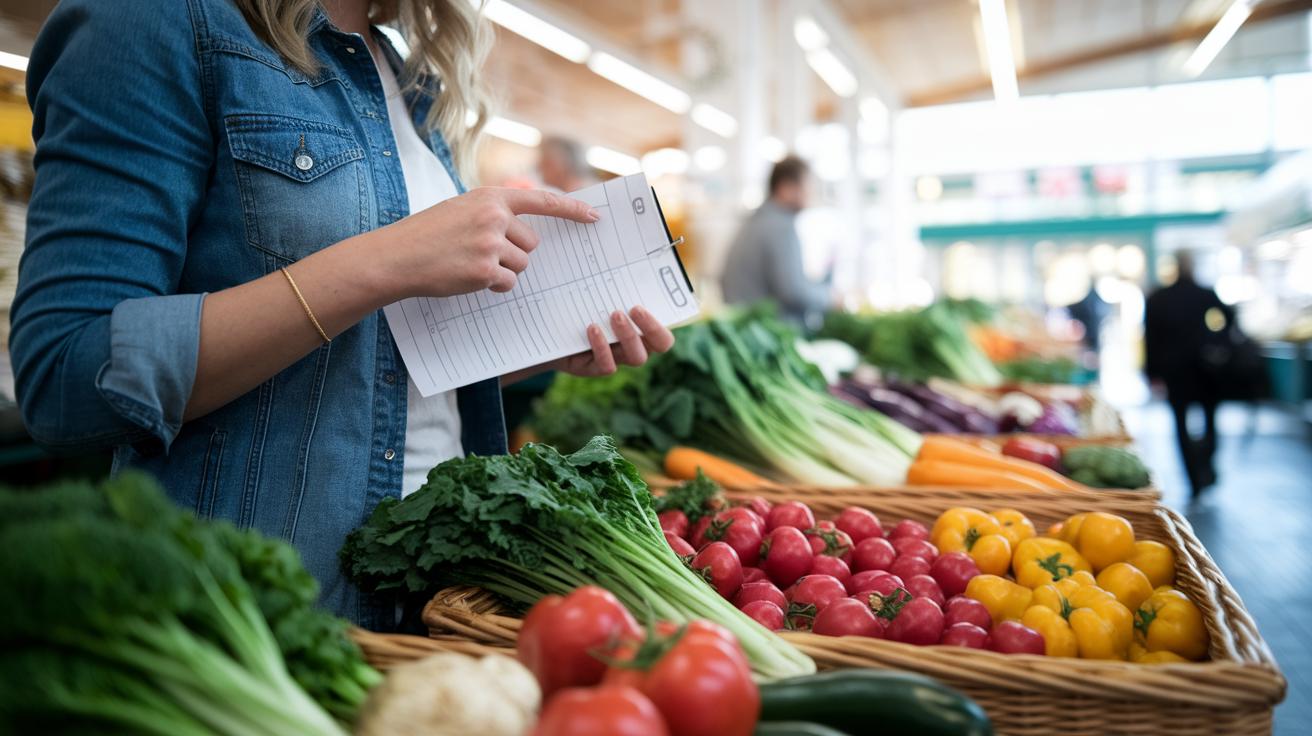
Begin by planning your meals for the week and jot it down. For instance, decide you’ll make five dinners at home and list only the ingredients you need. This keeps those unexpected buys away and helps you stick to your budget.
Before you head to the store, take a quick look inside your fridge and pantry. This little check prevents you from buying the same items twice and reminds you of any canned or frozen foods you already own. Picture opening your pantry and finding ingredients that fit perfectly into tonight’s dinner.
When considering bulk items, choose only those you use often. Always check the expiration dates on packages so you don’t end up with too much food that might spoil. A smart tip is to compare prices based on quantity to see if it really matches your weekly cooking needs.
Use the First-In, First-Out rule by placing older items at the front of your shelves. This way, you use them up before new ones take their place, cutting down on waste and saving money. Organize your list following your store’s layout, divide it into sections like produce, meat or deli, pantry staples, dairy, and other items. This approach helps you avoid backtracking and makes your shopping trip smoother.
One more friendly tip: ask the store staff about any sales or clearance items while you shop. Their insider advice might just help you grab budget-friendly deals, making healthy eating both affordable and fun.
Seasonal Produce and Local Market Picks for Your Grocery List for Healthy Eating
Seasonal fruits and veggies can brighten your meals and even help you save some cash. When you shop for produce in its prime, every bite feels fresher and livelier.
In the spring, try adding asparagus, strawberries, and spinach to your list. Imagine a salad tossed with crisp asparagus and leafy spinach that feels as refreshing as a gentle morning breeze.
Summer is all about tomatoes, zucchini, and peaches. These picks add a burst of flavor to both snacks and meals. Picture biting into a sun-ripened tomato or enjoying the soft sweetness of a fresh peach, you really can taste the season.
As autumn arrives, pumpkins, apples, and Brussels sprouts take the spotlight. Think of munching on a crunchy apple straight from the orchard or savoring roasted Brussels sprouts that bring a cozy, warm feeling to dinner.
When winter comes, enjoy the tang of citrus fruits, the hearty crunch of kale, and the natural sweetness of sweet potatoes. These ingredients brighten up chilly days and add a nutritious boost to your meals.
And why not support local farmers markets? Picture strolling through rows of vibrant baskets, picking up fresh herbs and greens that bring a little local charm to your weekly menu.
Grocery list for healthy eating sparks joy
Start by planning your weekly menu. Write down what you'll enjoy for breakfast, lunch, and dinner. This simple step makes shopping feel fun and stress-free. Imagine noting your favorite home-cooked meals for five nights and even leaving a little room for a treat out.
Now, organize your shopping list to match your store’s layout. Group items into sections like produce, meat/deli, pantry, dairy, and other essentials. This helps you breeze through the aisles without backtracking. For instance, list fresh fruits and veggies first, follow with lean proteins, and then include pantry basics like oats or canned beans to keep your meals balanced.
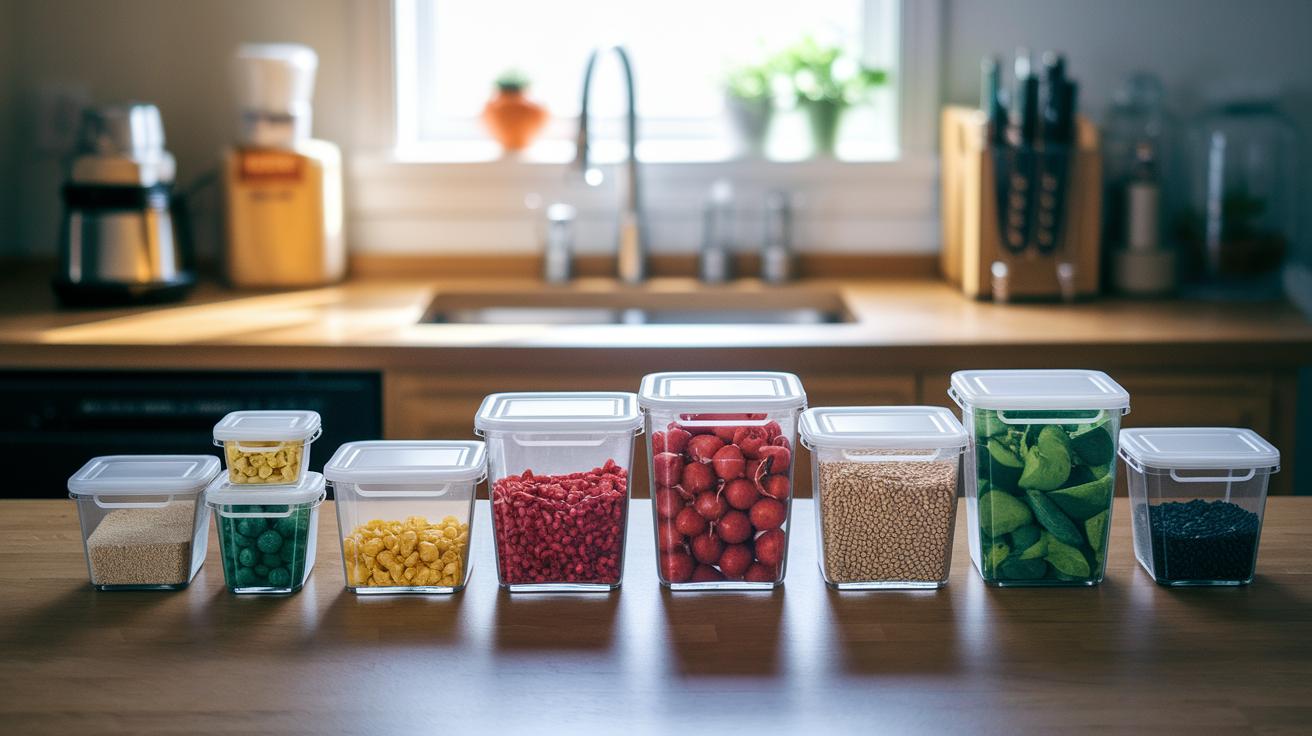
When it comes to prepping meals, batch cooking can be a lifesaver. Roast your veggies, cook proteins, and prepare grains ahead of time, then divide them into containers. Don’t forget to label each container with a date so that you can easily grab a healthy meal on those busy days. Setting aside a container for leftovers is a smart trick to cut down on waste and add a bit of variety to your meals.
Lastly, set aside a specific time each week to review your menu plan and update your grocery list based on what’s already in your pantry. This simple habit keeps the whole process, from planning to prepping, joyful and straightforward.
Final Words
in the action, we explored a simple, ready-to-use list with tips on portion sizes, meal customization, budget strategies, seasonal picks, and meal prep ideas. Each section showed how to keep your food choices straightforward and balanced.
This guide makes it easier to shop smartly and care for your well-being. Embrace the ease of your grocery list for healthy eating and enjoy the boost it brings to your daily routine.
FAQ
Where can I find a printable, free grocery list for healthy eating?
A printable grocery list for healthy eating offers a ready-to-use plan in a PDF form that outlines nutrient-packed foods, making meal planning simple and accessible.
What does a healthy grocery list for weight loss include?
A healthy grocery list for weight loss includes lean proteins, fresh fruits, vegetables, and whole grains, ensuring meals are balanced and supportive of weight management.
What items should be on a good or perfect healthy grocery list?
A good healthy grocery list covers fresh produce, lean proteins, whole grains, dairy or alternatives, and pantry staples to help create well-balanced, nutritious meals.
What is the 5 4 3 2 1 grocery method?
The 5 4 3 2 1 grocery method organizes shopping into specific groups like fruits, vegetables, lean proteins, dairy, and grains to ensure a nutritious mix for balanced eating.
What are the ten healthiest foods you can eat?
The ten healthiest foods typically include a range of fruits, vegetables, lean proteins, whole grains, nuts, seeds, and fermented items that deliver essential vitamins and minerals.
How should I plan a week’s grocery list for healthy eating?
Planning a week’s list means grouping meals by day and category, selecting versatile items, and ensuring each meal covers essential food groups for balanced nutrition.
How can I create a healthy grocery list on a budget?
Creating a budget-friendly list involves planning meals, reviewing pantry items, comparing prices, and choosing seasonal, nutrient-dense foods to stretch your dollars while keeping nutrition high.

