Have you ever thought that a small change on your plate might boost your mood and overall well-being? Many folks deal with high blood pressure, and what you eat really makes a difference. Imagine enjoying a meal that not only tastes great but also helps calm your heart.
When you load your plate with fruits, veggies, and lean proteins, you're giving your body the support it needs to keep blood pressure in check. Studies show that these everyday choices can play a big role in your health. This blog shares simple, practical tips to help you feel healthier and more energetic.
Healthy Eating Strategies to Manage High Blood Pressure
High blood pressure touches nearly 6 million Australians. That means more than one in three adults over 18 are dealing with it. What you eat plays a big role in keeping your blood pressure in check and boosting your overall health.
Research tells us that eating 4–5 servings of vegetables each day can lower your risk of high blood pressure. Diets like DASH, which load up on fruits and veggies, have been shown to lower both the top (systolic) and bottom (diastolic) blood pressure numbers. Ever swap a salty snack for a fresh apple or a crunchy veggie stick? Even small changes like these can lead to real improvements in your health.
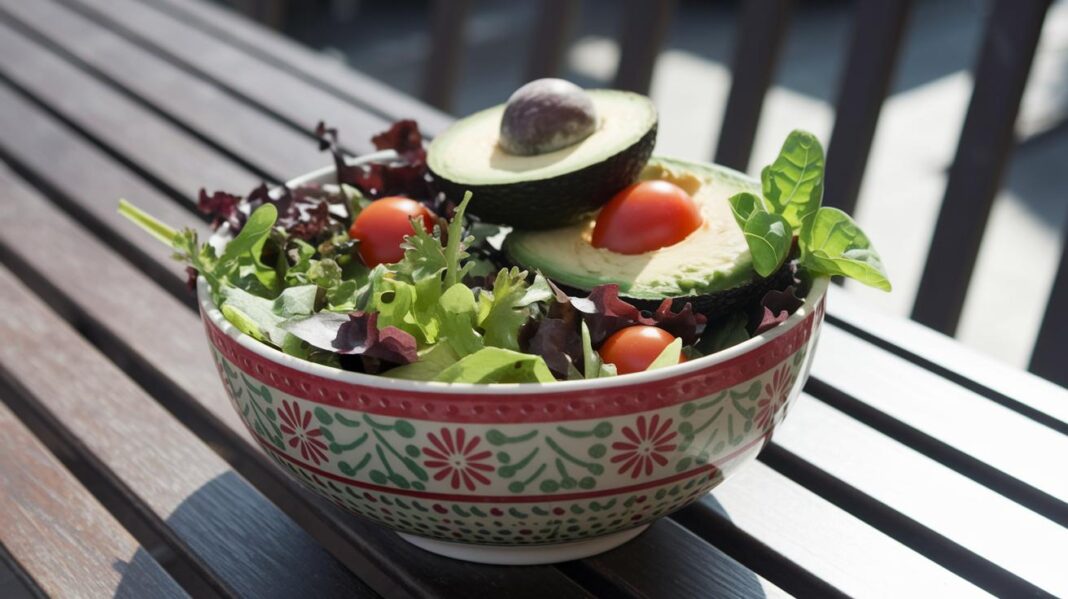
Think about adding a crisp, refreshing salad to your dinner, like a burst of color that brightens your meal and supports your heart. It’s these simple, balanced choices that help lower your blood pressure and keep your body feeling well.
When it comes to managing high blood pressure through your diet, try focusing on these key steps:
- Increase your daily servings of fruits and vegetables
- Choose whole grains instead of refined ones
- Pick lean proteins like poultry, fish, or legumes
- Include low-fat, plain dairy products
- Use herbs and spices in place of extra salt
By making these changes, you’re not just fighting high blood pressure, you’re also fueling your body for a healthier, more energetic life.
Key Nutrients in Nutritious Diets for Hypertension
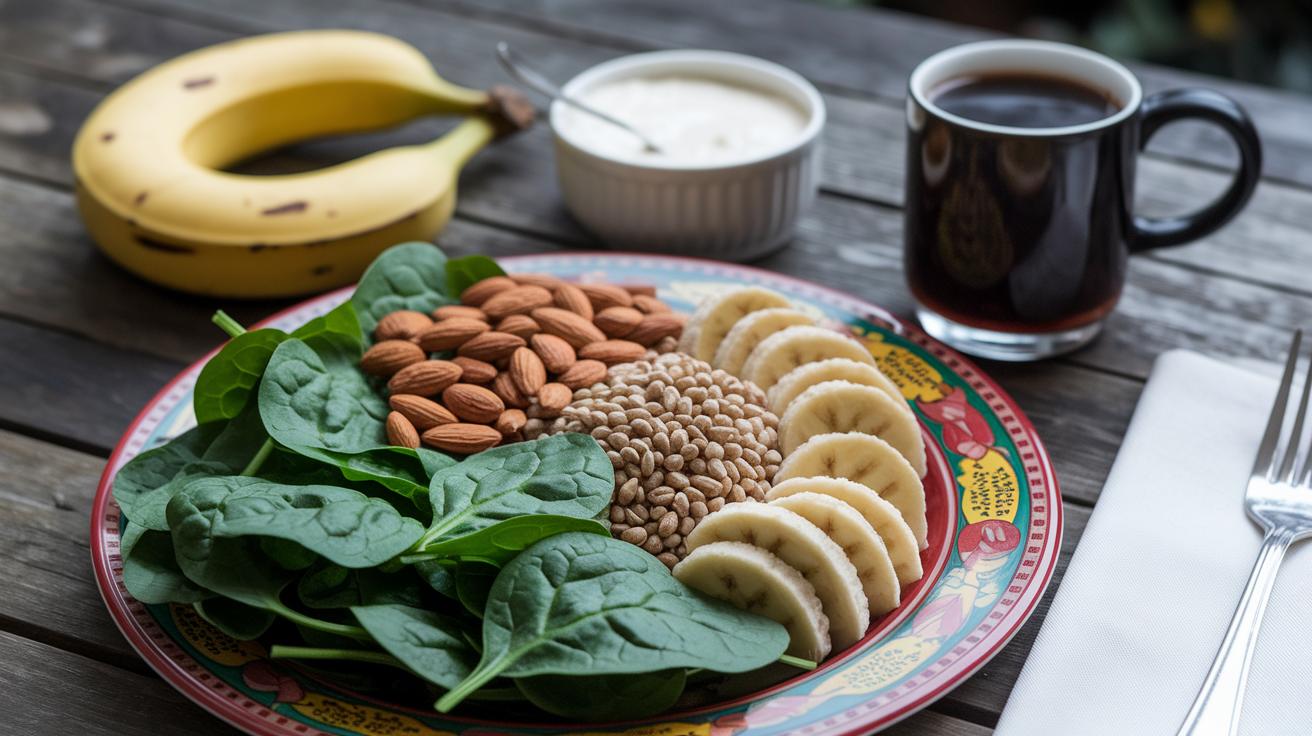
High blood pressure is challenging, but a few key nutrients can really help manage it. Potassium, magnesium, calcium, and fiber all play important roles in keeping your blood pressure in a healthy range. Potassium, for example, helps balance sodium and makes your blood vessels relax. Magnesium and calcium work together to support smooth muscle and proper nerve signals in your heart. Meanwhile, fiber aids in controlling cholesterol and keeping blood sugar levels steady. Think of these nutrients as quiet partners that support your heart every day.
Getting these nutrients from whole foods is far more beneficial than relying on supplements. When you choose fruits, vegetables, dairy, and nuts, you’re not only packing in vitamins and minerals, you’re also getting other natural compounds that boost absorption and effectiveness. It’s like enjoying a homemade meal instead of fast food; you get more natural goodness in every bite.
| Nutrient | Function | Food Sources |
|---|---|---|
| Potassium | Helps balance sodium and relax blood vessels | Bananas, spinach, potatoes |
| Magnesium | Supports blood vessel function and nerve signals | Almonds, leafy greens, legumes |
| Calcium | Aids in heart muscle function and vessel contraction | Low-fat dairy, broccoli, fortified plant milks |
| Fiber | Helps control cholesterol and blood sugar | Whole grains, fruits, vegetables |
Focusing on these nutrients in your diet can support long-term blood pressure control while keeping your heart in great shape.
Creating a Low-Sodium Meal Plan for High Blood Pressure Control
Imagine a simple meal plan that helps you stick to a low-sodium diet while still enjoying tasty food. This 7-day plan offers about 1,500 calories each day to keep your heart happy. If you need a bit more energy, you can easily adjust the recipes up to 2,000 calories. It’s all about having a clear plan that guides you every day.
When it comes to meal prep, start by soaking 1 pound of dried cannellini beans overnight. This step makes them perfect for a slow-cooker stew that’s full of flavor. You might also try making a batch of vegan superfood grain bowls for several days. Having these ready-to-eat meals on hand will save you time and make it easier to cut back on salt and saturated fat. For extra planning help, check out a meal planner for healthy eating.
Here are a few simple tips to keep things low in sodium:
- Season with garlic, cumin, paprika, and turmeric
- Rinse canned beans under cold water to wash away extra salt
- Choose low-sodium broth or make your own stock
- Add citrus juice and zest to brighten up the flavors
- Swap out condiments by using coconut aminos instead of soy sauce
Remember, small steps make a big difference. By preparing your ingredients in advance and paying attention to portion sizes, you can keep your sodium intake low without feeling like you’re missing out. Each little effort, from picking the right ingredients to measuring them carefully, comes together to support a balanced diet that’s good for your heart and your overall well-being.
Balancing Macronutrients with Lean Proteins and Whole Grains for Blood Pressure Health
Lean proteins like fish, chicken, and beans help fix your muscles after exercise and keep you feeling full longer. They give your body the essential building blocks it needs for growth and repair, which is why they’re a smart pick for keeping blood pressure in check without adding unwanted fats.
Whole grains such as quinoa, brown rice, and oats help maintain steady blood sugar levels and support healthy cholesterol. They slowly release energy, which means you avoid those quick spikes and drops that can shake up your system. Plus, regular consumption of these grains supports overall heart health.
A plant-forward or Mediterranean-style plate, bursting with fruits, vegetables, low-fat dairy, nuts, and seeds, offers a balanced mix that boosts heart health. This combo of unsaturated fats, whole grains, and lean proteins not only tastes great but also helps manage calories smartly for long-term blood pressure control. For more tips on healthy eating, check out tips for healthy eating.
Heart-Healthy Snacks and Breakfast Choices for High Blood Pressure
If you’re looking to manage your blood pressure, choosing snacks and breakfasts that are low in sodium is a great start. Not only do these choices help keep your blood pressure in check, but they also give you steady energy for the day ahead.
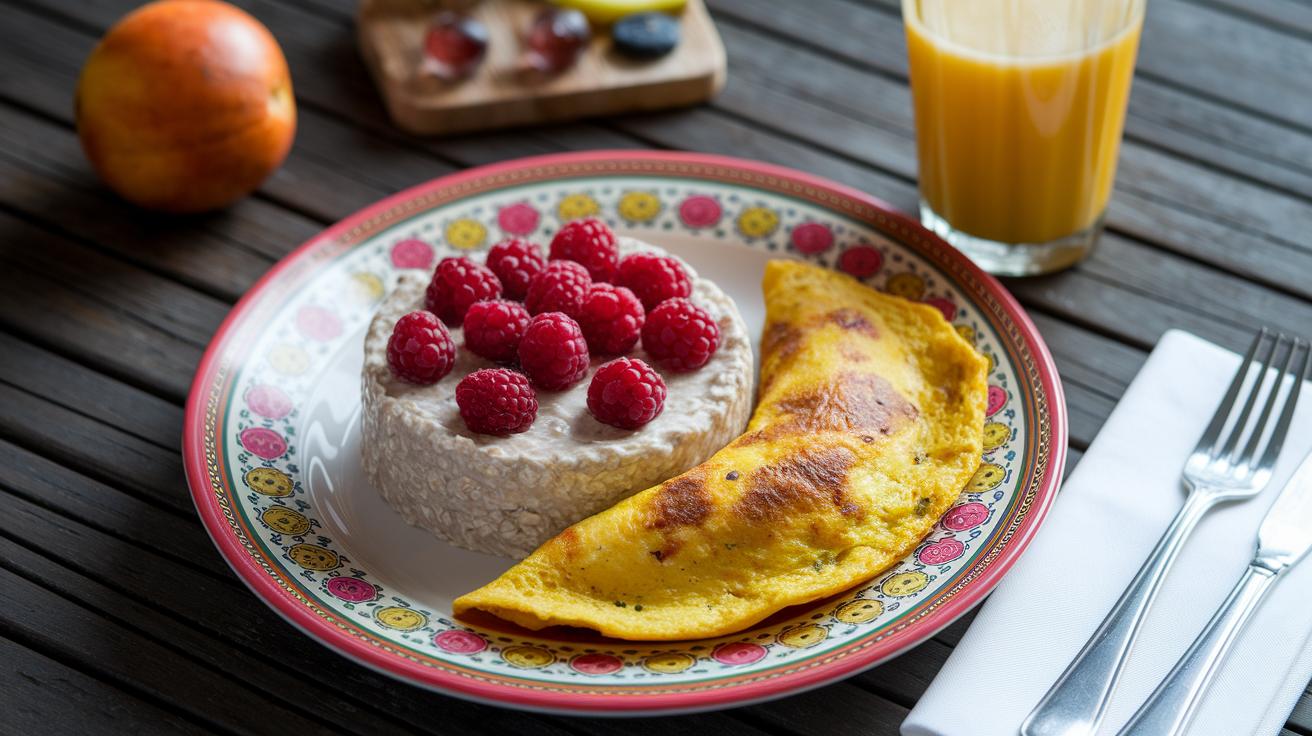
Imagine beginning your morning with a dish like overnight oats loaded with fresh fruit or a veggie omelet made with egg whites and a rainbow of vegetables. And when snack time rolls around, a bowl of plain yogurt with berries or some crunchy veggie sticks with hummus can really hit the spot. These simple options combine protein, healthy fats, and fiber to keep you full while keeping extra salt at bay.
These food ideas work perfectly within a daily calorie range of 1,500–2,000 calories. They’re balanced and flavorful, letting you control portions and nutrients without sacrificing taste. Plus, by choosing these kinds of meals, you’re making it easier to stick to a low-salt diet that matches an active lifestyle. It’s a little step that can make a big difference in managing high blood pressure, all while treating yourself to delicious, energy-boosting foods.
Strategic Shopping for a Low-Sodium, Hypertension-Friendly Diet
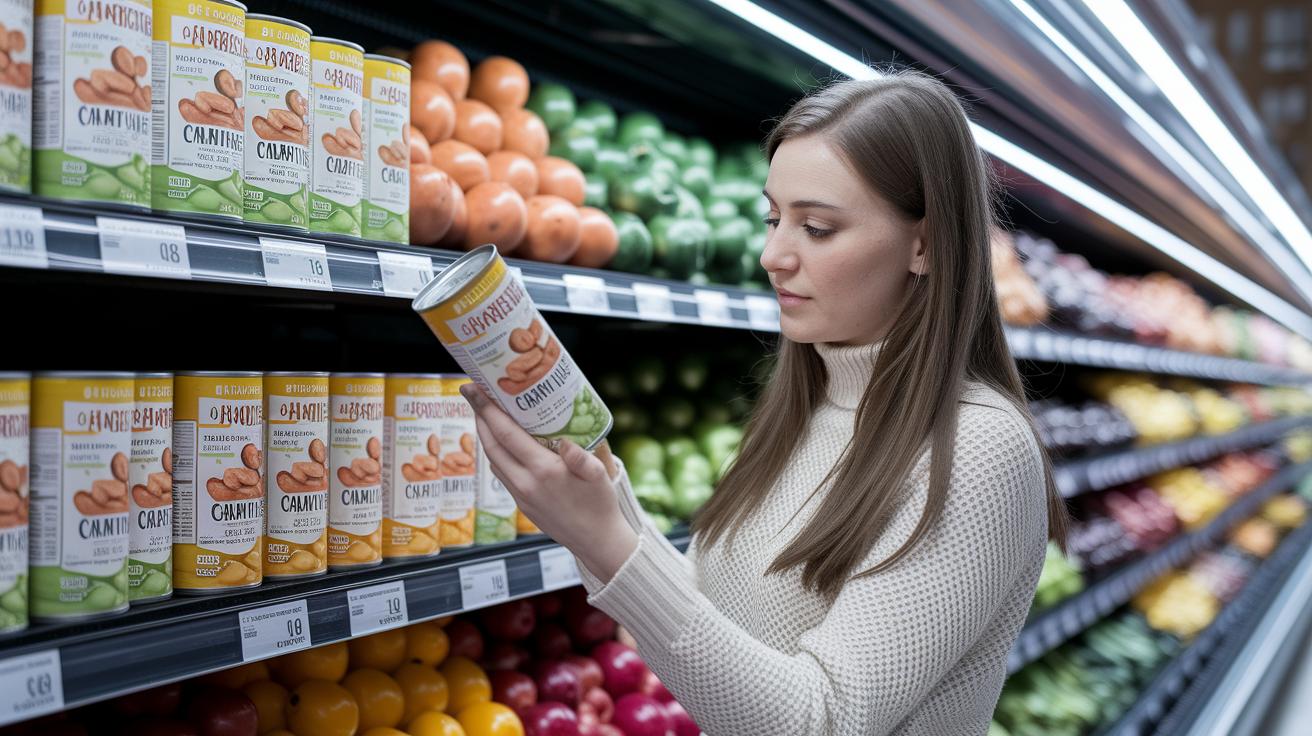
When you're out shopping, take a moment to wander through both the fresh produce area and the bulk bins. Look for low-sodium canned or dried beans, whole grains like quinoa and brown rice, and even the frozen fruits and veggies. These spots are full of ingredients that naturally help keep your diet low in sodium while supporting healthy blood pressure.
Next, make it a habit to check out the nutrition labels closely. Compare the sodium numbers per serving and try to skip any product that has over 140 mg in one serving. This simple step helps you avoid hidden salt and bad fats that often sneak into processed foods.
For those watching their spending while eating healthy, here are some budget-friendly swaps:
- Use seasonal produce whenever you can.
- Go with store-brand grains instead of pricier name brands.
- Choose homemade broth over store-bought options.
These little changes make it easier to keep your diet low in sodium without stretching your wallet too thin.
Lifestyle and Monitoring Tips Alongside Healthy Eating for High Blood Pressure
Keeping a close eye on your blood pressure at home is an important way to take control of your health. You might check your readings with a cuff every morning to see how your habits are influencing your numbers. Sharing these results with your healthcare provider can give you advice tailored just for you. For example, you could say, "Before I head to work, I quickly check my blood pressure to make sure I'm on track."
Making healthy food choices and staying active also helps manage high blood pressure. Imagine having a light snack that includes both carbs and protein, a small mix of fruits and nuts, before taking a brisk 30-minute walk. It’s like giving your body just the right fuel to perform better during exercise.
Also, adding stress-reducing foods and routines into your day can make a big difference. Picture unwinding with a warm cup of herbal tea or nibbling on a handful of almonds rich in magnesium after a busy day. These simple habits not only support your heart but also help create a sense of calm throughout your day.
Final Words
In the action of healthy eating for high blood pressure, we learned how balanced meals and focused nutrients keep blood pressure in check. We broke down simple daily meal plans that use lean proteins, whole grains, and plenty of fruits and vegetables. Small cooking tweaks, low-sodium shopping tips, and mindful lifestyle choices work together to support heart health. It feels good knowing that real-life changes can lead to improved well-being. Keep these strategies on hand, stay positive, and enjoy a fresh start toward lasting energy and balance.
FAQ
Q: What does a 7-day diet plan for high blood pressure entail?
A: The 7-day diet plan for high blood pressure includes balanced meals that focus on low sodium, fruits, vegetables, and whole grains. It offers sample menus that promote heart health and help control blood pressure.
Q: What is the DASH diet and how does its meal plan work?
A: The DASH diet and its meal plan emphasize fruits, vegetables, whole grains, lean proteins, and low-fat dairy to reduce sodium intake, lower blood pressure, and support overall cardiovascular health.
Q: What are some foods to avoid for high blood pressure?
A: The foods to avoid with high blood pressure include high-sodium processed products, sugary items, and trans fats. Steering clear of these supports better blood pressure control and heart health.
Q: What is the number one food that can raise high blood pressure?
A: The number one food that raises high blood pressure is typically processed meats high in sodium. Reducing these items can help maintain more balanced blood pressure levels.
Q: What is the best diet for high blood pressure?
A: The best diet for high blood pressure follows DASH principles by emphasizing nutrient-rich foods such as fruits, vegetables, whole grains, and lean proteins while keeping sodium and unhealthy fats low.
Q: How can I bring my BP down quickly?
A: Bringing BP down quickly involves eating low-sodium meals, staying well hydrated, engaging in light physical activity, and following your healthcare provider’s guidance for safe blood pressure control.
Q: What is known as the main enemy of high blood pressure?
A: The main enemy of high blood pressure is a diet high in sodium combined with unhealthy eating habits. Reducing salt and choosing nutrient-dense foods supports better blood pressure management.
Q: Will my blood pressure go down if I eat healthy?
A: Eating healthy plays a key role in lowering blood pressure. Enjoying balanced meals with fresh produce, whole grains, lean proteins, and limited sodium makes a meaningful difference in heart health.

