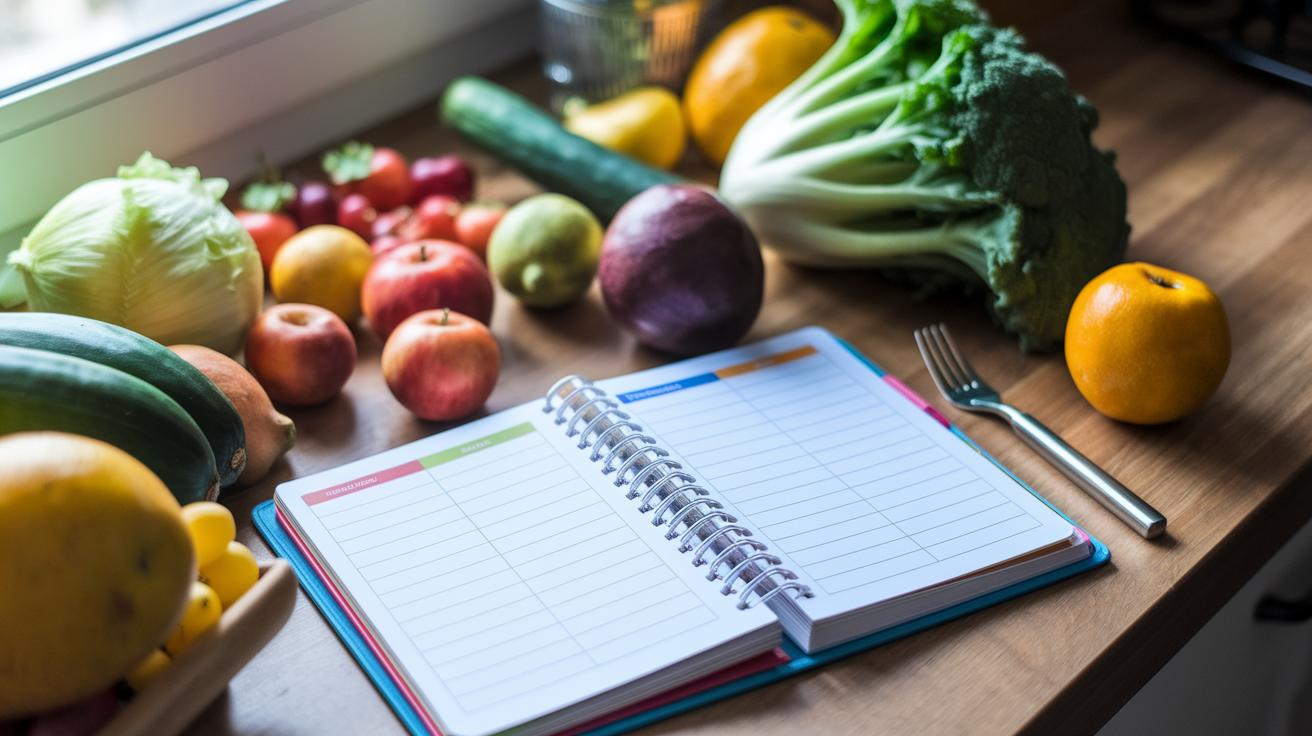
Ever wonder if a simple meal plan could change your daily eating habits?
This free, customizable meal planner makes organizing your meals both easy and fun.
You can use it to choose healthier options, save time, and even cut down on grocery bills.
Imagine planning breakfast, lunch, dinner, and snacks ahead of time so that every bite builds a balanced day.
In this post, we explain how a meal planner can boost your nutrition and simplify your routine.
Give it a try and enjoy planning your week, one meal at a time.
Meal Planner for Healthy Eating: Free Customizable Nutrition Template
Planning your meals ahead of time means you decide your breakfast, lunch, dinner, and snacks for the week instead of choosing on the fly. This free and fully editable template gives you a simple plan that helps you pick healthier options, save time, and lower your grocery bills.
With this easy-to-use planner, you can review your week, add a mix of tasty and nutritious meals, and even use leftovers in new ways to cut down on waste. It’s perfect if you want a meal plan that fits right into your everyday life.
- days of week layout
- macro tracker (this helps you keep an eye on key nutrients)
- built-in recipe library
- auto shopping-list (grocery list with nutrition map)
- mobile-friendly format
Next, fill in your meals by writing down ideas for breakfast, lunch, dinner, and snacks each day. Take a closer look at your evenings to slot in recipes you love and set little reminders to get your ingredients ready in advance. You can change portion sizes and swap recipes to match your nutritional needs. This planner is your personal guide that makes meal planning a breeze while keeping healthy eating front and center.
Building Your Weekly Diet Blueprint with a Meal Planner
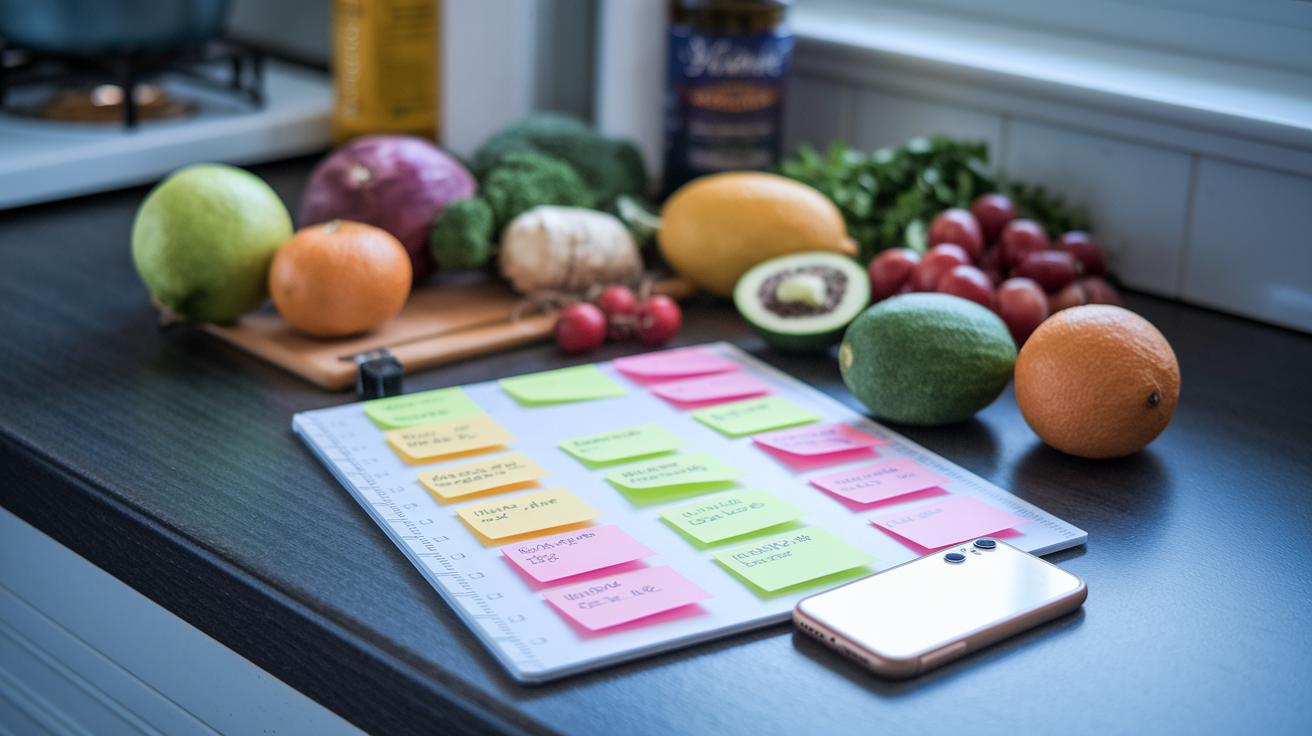
Start by listing each day of your week and setting aside time for meal prep. This helps you plan where breakfast, snacks, lunch, and dinner fit together so that your meals match your calorie and nutrition needs. If you’re working toward a 2,000–2,200 calorie diet, planning when and how much to eat makes it easier to see how each bite counts.
This meal planner is meant to be flexible. You can tweak serving sizes or even change recipes to best match your goals. Think of it like putting together a puzzle: every day you plan adds up to a clear picture of healthy living.
| Day of Week | Meal Components | Serving Size | Calories |
|---|---|---|---|
| Monday | Breakfast, Snack, Lunch, Dinner | Varies (e.g., 1 cup, 1 piece, 1 bowl) | Approx. 2,050 |
| Tuesday | Breakfast, Snack, Lunch, Dinner | Similar Serving Sizes | Approx. 2,100 |
| Wednesday | Breakfast, Snack, Lunch, Dinner | Measured Portions | Approx. 2,000 |
| Thursday | Breakfast, Snack, Lunch, Dinner | Consistent Portions | Approx. 2,150 |
| Friday | Breakfast, Snack, Lunch, Dinner | Planned Portions | Approx. 2,100 |
| Saturday | Breakfast, Snack, Lunch, Dinner | Balanced Sizes | Approx. 2,200 |
| Sunday | Breakfast, Snack, Lunch, Dinner | Standard Portions | Approx. 2,050 |
If you notice that some days need a little extra energy while others can do with less, feel free to adjust the portions and recipes. Try swapping different food items or changing the serving sizes based on how you feel. This approach makes meal planning a living, adaptable plan that supports your journey to better eating habits and a more enjoyable daily routine.
Using Your Meal Planner for Calorie-Conscious Macronutrient Monitoring
Our meal planner helps you keep a balanced mix of proteins, carbs, and fats every day. When you log servings of fruits, veggies, lean proteins, whole grains, and healthy fats, you can quickly see how your meals support your energy and wellness goals. It’s not about strict counting but about understanding how diverse foods fuel you. Think of it as a daily tracker that turns numbers into everyday insights so that enjoying balanced meals becomes second nature.
For example, when keeping an eye on sugar, try to limit added sugars to about 6 teaspoons a day for women and 9 teaspoons a day for men. A 6-ounce chicken breast or a 4-ounce piece of salmon works great, they keep your sugar low and give you the nutrients you need. This method lets you swap high-sugar choices for ingredients that provide steady energy without causing sudden sugar spikes. It’s an easy way to match each meal with your daily caloric and macronutrient goals.
To keep track of your nutrition over time, the planner offers helpful tools like calculators. Use the BMI and the weight-loss calorie goal tools to adjust your portions when needed. Pair these with the recipe nutrition and body-fat calculators to see how each meal helps your body. This simple system gives you practical, real-time feedback as you enjoy a balanced and satisfying diet.
Wholesome Recipe Compilation & Grocery List with Your Meal Planner
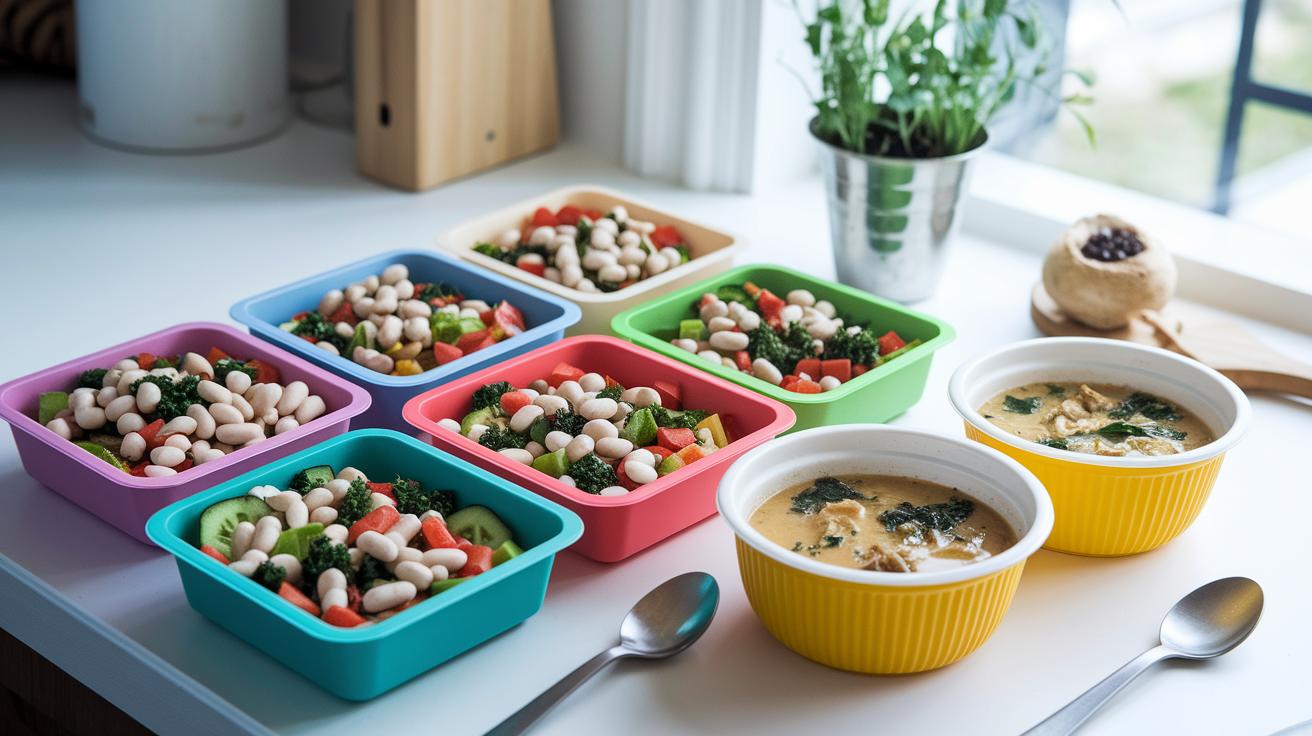
A meal planner built to boost your nutrition can also serve as your go-to recipe book and grocery guide. It lets you fill your days with wholesome, nutrient-packed meals that make healthy eating fun. Imagine adding recipes like White Bean & Veggie Salad, Vegan Superfood Grain Bowls, Chicken & Kale Soup, or even a refreshing Spinach-Peanut Butter-Banana Smoothie. These dishes cover the basics, from leafy greens and fruits to whole grains, lean proteins, and healthy fats, helping you plan your grocery trips and meals with ease.
Think of each recipe as a special slot in your day. When you schedule a light lunch like a White Bean & Veggie Salad, you’re treating yourself to fiber-rich veggies and lean proteins. Save a spot for a hearty Vegan Superfood Grain Bowl at dinner, where simple grains and produce combine into a satisfying meal. Adding Chicken & Kale Soup brings comforting flavor along with a protein punch, and a Spinach-Peanut Butter-Banana Smoothie makes a tasty, nutrient-packed breakfast or snack. Breaking it down like this helps you see exactly how each ingredient plays a part in your overall nutrition plan.
To keep your grocery bill low, try some smart shopping tips. Look for produce that’s in season, buy grains in bulk, and keep an eye out for deals on lean proteins. This approach not only keeps your list organized but also makes budgeting an effortless part of your meal planning process.
Portion Control Strategies with a Meal Planner for Healthy Eating
Getting your portions right is a simple but powerful way to meet your nutrition goals. When you know the right amount to serve, you're less likely to overeat or miss out on important nutrients. Mixing a meal planner with smart portion control can help you build an easy, healthy routine that lasts.
One smart tip is to use your hands as a rough guide. For example, use your palm to measure a 3-ounce serving of protein, your fist for about one cup of veggies or carbs, and your thumb for a tablespoon of fat. Another handy method is the plate-division approach: fill half your plate with vegetables and split the remaining half between proteins and grains. These simple cues make serving sizes easy to manage without the fuss of precise measurements.
It’s also good to check your portions and adjust as needed. Tools like measuring cups and portion plates can add a bit more accuracy when prepping meals. Start by trying different sizes until you find what feels right for your hunger and energy needs. Enjoy the balance and peace of mind that comes with a well-planned meal routine.
Integrating Your Meal Planner into Everyday Lifestyle for Healthy Eating

Planning your meals ahead of time makes life so much simpler. It cuts down on the stress of last-minute meal prep and helps you waste less food. For example, try mixing leftover roast chicken with rice and veggies, or add a swirl of extra yogurt into your baked oatmeal to switch things up. In our busy lives, digital tools really come in handy. Apps and online recipe libraries serve up healthy ideas fast, while nutrition calculators and reminder features keep you on track. These tools let you set up your weekly meals while keeping your plan flexible and easy to follow, even if you're just starting out on a healthy eating journey.
Healthy eating is more than just recipes and leftovers. It’s about tuning in to your hunger and fullness cues and building lasting habits that work for you. Your meal planner can help you listen to your body instead of counting every bite. And hey, a little treat or your favorite meal now and then shows that eating well is fun and not about missing out. Over time, these habits build your confidence in making food choices. As you adjust portions or try out new recipes, you shape a balanced lifestyle that feels personal and manageable. This steady approach makes meal planning a part of your everyday life, keeping you nourished in body and lifting your mood and energy.
Final Words
In the action, you explored a customizable nutrition template, a weekly diet blueprint, and macro tracking tips that keep your meals balanced. You learned how to compile nutrient-rich recipes, manage portions with simple tools, and blend the planner into your everyday routine.
This hands-on guide shows that planning ahead makes healthy choices easier and more fun. Keep using your meal planner for healthy eating, and enjoy the boost it brings to your daily vitality and overall well-being.
FAQ
What is a 7-day healthy eating plan?
A 7-day healthy eating plan outlines balanced meals for each day to simplify choices and boost nutrition. It organizes breakfasts, lunches, dinners, and snacks, making it easier to stick to a nutritious routine.
How can I access a free meal planner for healthy eating in PDF format?
A free meal planner in PDF lets you plan your weekly meals with a customizable layout. It can be printed or edited on your device, making healthy meal planning both accessible and convenient.
What is the best meal planner for healthy eating?
The best meal planner combines simplicity with key features like auto-generated shopping lists and nutrient trackers. It offers a user-friendly way to track recipes and portions, making balanced eating more straightforward.
How does a healthy meal plan support weight loss?
A healthy meal plan for weight loss emphasizes lean proteins, whole grains, and vegetables while controlling portions. It creates a calorie-conscious routine that supports gradual, sustainable weight loss without feeling overly restrictive.
What is the best meal plan for overall health?
A top meal plan for overall health focuses on variety, balanced nutrients, and smart portion sizes. It blends fruits, vegetables, whole grains, proteins, and healthy fats, ensuring your body gets essential nutrients every day.
What eating schedule promotes healthy habits?
A healthy eating schedule involves regular meal times for breakfast, lunch, dinner, and snacks. This regularity helps stabilize blood sugar, sustain energy levels, and makes it easier to plan nutritious meals each day.
What is the 3-3-3 rule diet?
The 3-3-3 rule diet suggests including three servings each of fruits, vegetables, and lean proteins daily. It aims to create balanced meals that provide steady energy and support overall digestive health.
What is the healthiest meal you can make?
The healthiest meal typically combines lean protein, whole grains, and plenty of vegetables. This mix provides essential nutrients, promotes balanced energy levels, and supports overall wellness in a simple, satisfying dish.

