
Ever wonder if your fitness tracker's numbers could unlock a healthier you? Your daily stats are more than just numbers. They offer clues about how your body is doing. When you review your personal health data, even simple things like steps, sleep, or heart rate variability (that is, the natural variation between heartbeats), you gain insights that help you make better decisions.
By looking at records from your wearable device and doctor visits, you can spot trends and make quick changes. This approach lets you adjust your routine with small, smart steps that add up over time.
Think of it like putting together a puzzle. Each piece of data helps you see the bigger picture of your health so you can live a happier, healthier life.
How to Perform Personal Health Data Analysis for Actionable Insights
Personal health data analysis is simply taking the information from your doctor’s records along with what your tracker or health app collects and turning it into helpful insights. It’s like gathering small clues about your daily life to better understand your body and make smart health choices.
There are a few ways to look at your data. First up is descriptive analytics. This means using simple charts, reports, and dashboards to show past trends. For example, you might track your sleep over a month to see clear patterns. Next, diagnostic analytics digs a bit deeper to figure out why something unexpected happens, like if your heart rate variability (the natural beat-to-beat change in your pulse) suddenly shifts.
Then comes predictive analytics. This approach uses math and computer models to guess what might happen in the future, such as estimating the chance of a fitness setback or a change in how active you are. Finally, prescriptive analytics takes those predictions and combines them with smart advice, suggesting steps like switching up your workout routine or tweaking your meal plan.
By using these four types of analytics, you can turn data from your wearables, mobile apps, and even traditional medical records into a complete health picture. The first step is health data aggregation, gathering all your stats, whether it’s step counts, heart rate readings, or sleep info, into one easy-to-read dashboard. This way, you can see everything at once and make faster, smarter decisions about your well-being.
For instance, if you notice your wearable report shows a dip in physical performance, you can start by summarizing that trend. Then, look into what might be causing it, predict what might happen next, and adjust your routine if needed. This step-by-step method turns everyday data into real, useful insights that help you live a healthier life.
Gathering and Aggregating Health Data for Analysis

When we collect health data, we pull numbers and facts from all sorts of places. Think about doctors’ notes in electronic health records, surveys from patients, and even streams from your wearable gadgets. Your phone apps and wrist devices gather lots of handy numbers every day. For example, fitness trackers and sleep monitors record raw data like your heart rate (how fast your heart beats) and breathing rate (how often you breathe). Then, smart models, like the Personal Health LLM, use these details to paint a clear picture of your overall well-being.
Sometimes, the sensors on your devices work with apps that change raw numbers into easy-to-read information. Say your sleep monitor shows a drop in sleep quality at a certain point. Consider this surprising fact: "A single night of lost sleep can decrease your reaction time as much as two hours on the road." This real-time data tells you how even small changes might affect you right away.
Doctors also review electronic records to track your health over longer periods. They note trends over months or even years, and when you mix this with sensor data, you get both the big picture and the finer details.
Data aggregation tools pull in inputs from your fitness tracker, nutrition logs, and even other records into one simple dashboard. When wearable sensor integration is used, you might see results presented just like on this example: wearable tech for health. In the end, all these parts join together to form one complete dataset, helping you make smarter choices about your health.
Essential Analytics Techniques in Personal Health Data Analysis
Comparative analytics gives your health data an extra boost by comparing your numbers to a group or even your own past records. It refreshes the usual methods, descriptive (what happened), diagnostic (why it happened), predictive (what might happen), and prescriptive (what to do), by adding a side-by-side view.
This approach not only tells you what has occurred or what might occur, but it also shows how your results line up with wider trends. Imagine checking your weekly steps against the average from your community, it’s like getting a quick glance at where you excel or need a little improvement.
Mixing comparative insights with traditional methods creates a well-rounded snapshot of your health. When your easy-to-read dashboards, insightful diagnostics, forecasts, and recommended actions join forces with side-by-side benchmarks, you get a dynamic view of your well-being similar to techniques used in data analytics in health care.
Interpreting Key Metrics in Personal Health Data Analysis
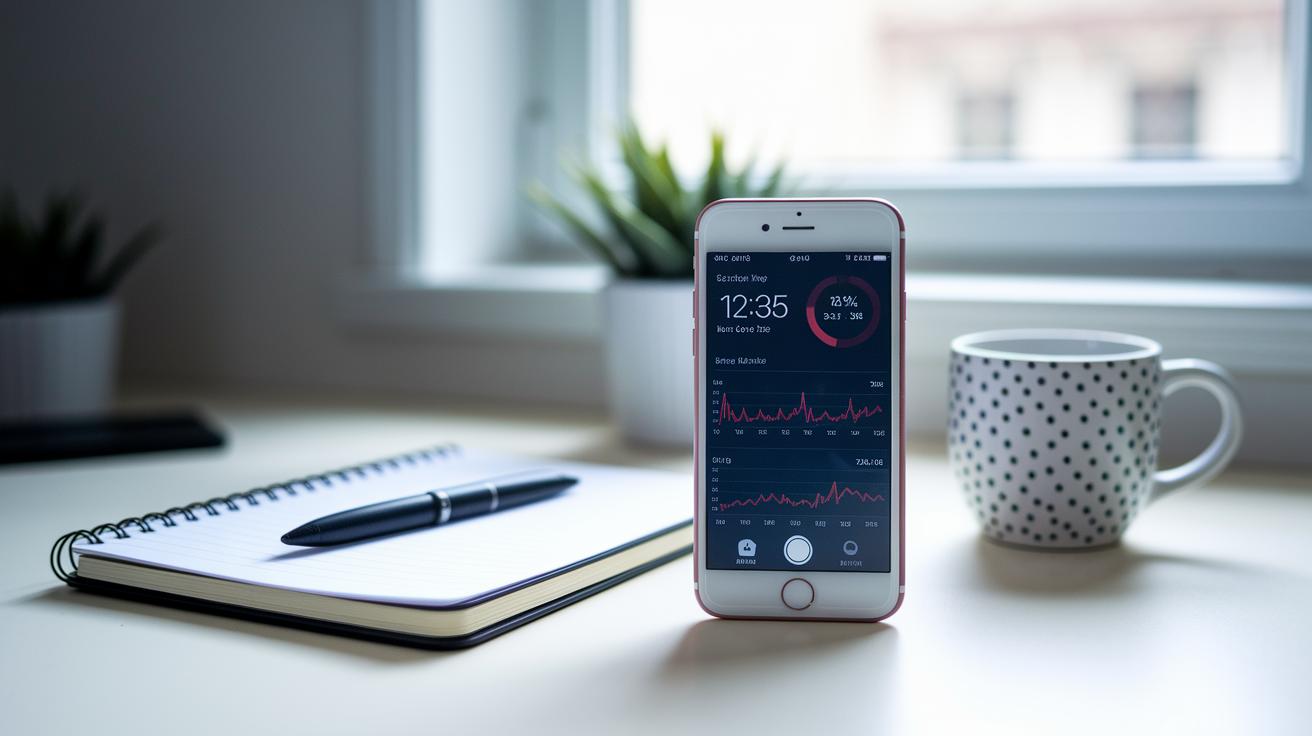
Your health data tells a story about how you feel every day. Take heart rate variability, for instance. This metric shows the tiny changes between your heartbeats. Even a little stress can lower these numbers, suggesting that your body might be craving a break.
Sleep duration is another key metric. Whether a gadget records it or you jot it down, sleep duration shows how well your brain and body recharge overnight. Daily step counts might seem simple, but they give you a quick look at your activity levels. And checking blood sugar trends can help you see how your meals affect your energy and focus.
Nutrition tracking tools work hard to measure what you eat, linking your diet to how you feel. Today’s mobile health apps blend these stats into real-time advice, turning raw data into easy, actionable insights. Every metric, from sleep to nutrition, guides you on the road to better living.
Ensuring Privacy and Security in Personal Health Data Analysis
When you're handling your own health information, keeping it private is super important. We start by taking steps to de-identify your data. That means any details that could point back to you are removed, much like erasing your name from a note, so your data stays safe while still offering useful insights.
Storing your data securely also matters a lot. We use encryption both when your data rests on our servers and when it’s being sent from one place to another. Imagine locking your diary in a safe and then placing that safe into another secure box when you need to share it, that’s how we protect your information.
We also follow strict rules like HIPAA and GDPR to keep everything in check. These guidelines make sure you’re asked for your permission, and they keep a clear record of who accesses your data. Think of it as having a log that notes every time someone views or changes your information, ensuring total transparency and trust.
On top of that, platforms that handle health data stick to strong security practices, including using multi-factor authentication. This extra step acts like a second lock on your personal data, making sure only the right people can get to it. With these safeguards in place, you can feel confident that your health information stays private and secure.
Real-World Case Studies in Personal Health Data Analysis
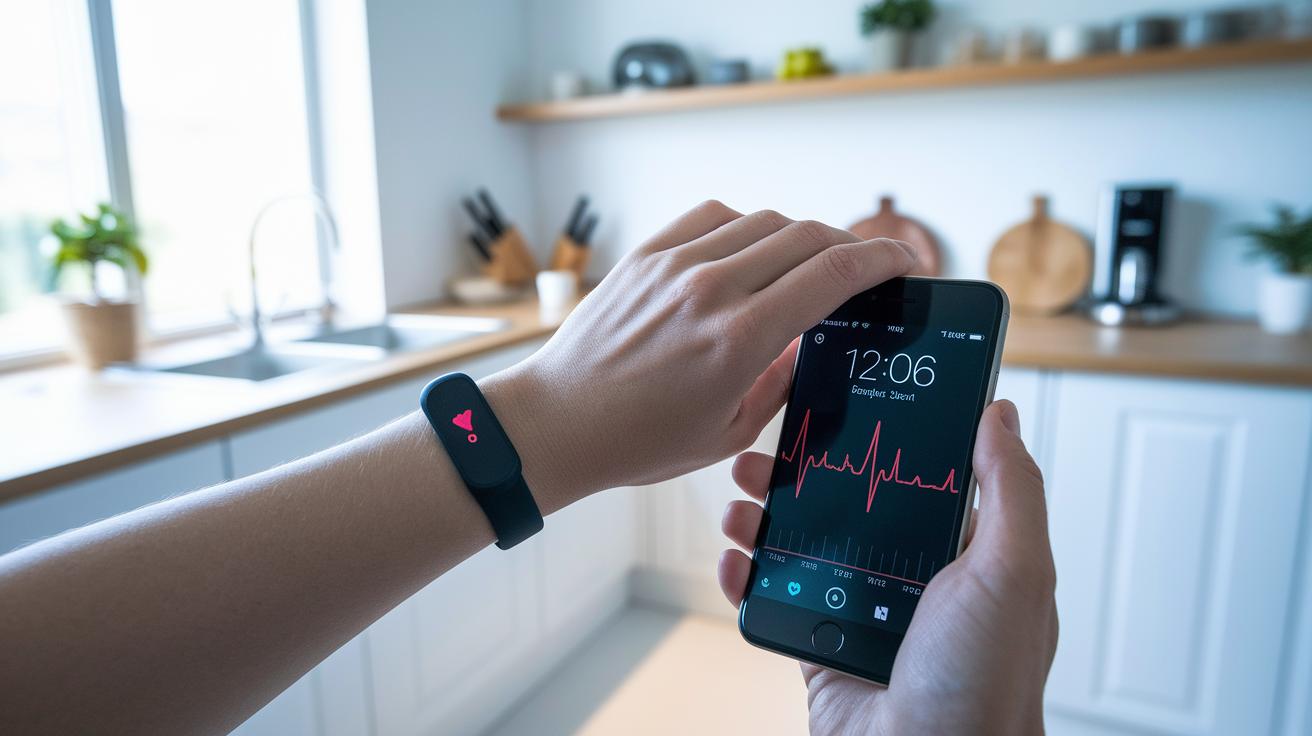
Researchers have tried out the Personal Health LLM using three types of benchmark datasets: long-form coaching tasks, expert assessments, and predictions of self-reported sleep outcomes. They even looked at everyday readings like heart rate variability [the natural ups and downs of heartbeats] from wearable sensors. Picture this: a sensor picks up a small change in your heart rate variability and nudges you with advice to adjust your daily routine. It shows how even tiny shifts in your data can lead to smart tips that help lower health risks.
Teams from Google Research, Google Health, and Google DeepMind worked closely to fine-tune these methods. They combined step-by-step sensor data with simple health checks using algorithms, gradually making the system better with each tweak. For example, after looking at a series of readings, the system might suggest shifting your exercise time just a bit to help improve your sleep quality. This clear link between what your sensors say and the personal advice you get perfectly illustrates how data can drive positive changes.
These case studies really highlight how smart use of data can improve patient care and help manage risks. They show that using everyday health information can give clear, step-by-step advice to make life a little healthier for everyone.
Final Words
In the action, this article explored personal health data analysis and how each step creates valuable insights. We looked at gathering data from wearables, lab results, and records, then breaking down analytics types like descriptive, diagnostic, predictive, and prescriptive. We also talked through how to interpret key metrics and safeguard information. Every part aims to make your health routine more manageable and data-informed. Keep moving forward with confidence, and let your personal health data analysis guide you to better wellness every day.
FAQ
What is a personal health data analysis template?
A personal health data analysis template provides a ready-made outline for organizing and reviewing your health data. It guides you in structuring metrics from wearables and apps into clear visual dashboards.
What are some personal health data analysis examples?
Personal health data analysis examples show how data from fitness trackers, sleep monitors, and health apps can highlight trends. They offer real cases where adjusting routines based on this data leads to improved well-being.
What personal health data analysis tools can I use?
Personal health data analysis tools include software and dashboards that merge inputs from wearables, apps, and records. They help visualize trends and predict future health outcomes using your aggregated data.
What are some personal health record examples?
Personal health record examples illustrate formats used to document medical history, medications, and vital signs. They can be digital or paper formats that support clear communication between you and your healthcare team.
What does a personal health record PDF offer?
A personal health record PDF offers a downloadable format that compiles your medical details into one secure file. It makes sharing your health records with providers straightforward and efficient.
What is personal health record software?
Personal health record software organizes and stores your health information digitally. It lets you track personal metrics, schedule appointments, and update records easily while keeping your data secure.
What are the types of personal health records?
The types of personal health records include electronic, paper-based, and hybrid formats. Each format varies in ease of access, security, and detail to fit different needs for managing your health information.
What is included in a typical personal health record template?
A personal health record template typically includes sections for medical history, medications, allergies, doctor visits, and lab results. It provides a structured way to record essential details for ongoing care.
What are the 4 types of data analytics in healthcare?
The four types of data analytics in healthcare are descriptive, diagnostic, predictive, and prescriptive. They summarize past trends, explain health events, forecast future risks, and suggest lifestyle adjustments, respectively.
What should be included in a personal health record?
A personal health record should include your medical history, current medications, allergies, lab results, and vaccination records. Including personal notes on routines and lifestyle habits offers deeper insights into your well-being.
Who owns the personal health record?
The personal health record is owned by you. It reflects your private health information, and you have full control over who can access or update it.
How can I become involved in healthcare data analysis?
To become involved in healthcare data analysis, you can study data analytics or health informatics, develop statistical and software skills, and gain practical experience through internships or related projects.

