
Have you ever thought that a few small mistakes in your workout routine might be holding you back? Many of us skip a proper warm-up or pick weights that make it really hard to keep good form.
Imagine trying to start your car on a cold morning; it just doesn't work right. In this post, we're chatting about some common pitfalls in strength training that can limit your progress. Keep reading to learn how to build strength safely and boost your gains without any extra setbacks.
Frequent Errors in Strength Training You Need to Avoid
Starting with the basics is key for a good strength workout. Many people jump into heavy lifting without a proper warm-up, and that can leave your muscles cold and your joints stiff. Think of it like trying to run a car engine without warming it up, it just isn't ready.
Another common slip-up is choosing weights that are too heavy. If you can’t do 10 to 12 reps in a minute or notice your form breaking down, the weight is probably too much for you. On the flip side, if your weights feel too easy, your muscles won’t work hard enough to grow stronger.
Some folks even skip strength training altogether, thinking that cardio is enough. But strength work is what really balances out your fitness routine. And don’t forget about stretching after your workout; skipping it can make your muscles tight and more prone to injury later on.
Doing the same routine every time means your body gets used to it, and that makes the exercises less challenging. Plus, pushing through pain without paying attention to what your body tells you might lead to bigger problems down the road.
Finally, taking rest days is just as important as working out. Without proper recovery, you can end up feeling constantly tired and your progress may stall.
Neglecting Warm-Up and Cool-Down in Strength Training

Skipping a proper warm-up is a very common mistake that many of us make. It can even leave you open to injuries. When you kick off your exercise with moves such as squats, spider lunges, or inchworms, it helps boost your blood flow and gets those joints ready for action. Without these simple steps, your muscles stay cold and stiff, and you might find it harder to move correctly or strain a muscle.
Cooling down deserves just as much attention as warming up. Yet, lots of people skip it. When you don’t take a few minutes to stretch after your workout, your muscles can cool off too fast, leading them to tighten up and sometimes hurt later on. A thoughtful cool-down helps your body shift back to its resting mode, keeps you flexible, and can even cut down on next-day soreness. Try holding each major stretch for around 30 seconds to really give your muscles the time they need.
You might also want to add resistance bands into your routine for an extra boost. These handy tools can take your dynamic stretches to the next level by adding gentle resistance, which helps warm your muscles in a safe and effective way.
| Key Benefit | What It Does |
|---|---|
| Warm-Up Routines | Boosts mobility and performance |
| Cool-Down Stretches | Eases muscle tension and enhances recovery |
Flawed Weight Selection: Lifting Too Heavy or Too Light
Choosing the right weight is key for a solid strength workout. When you pick your weight, you want it to challenge your muscles while letting you keep good form. If you find that you can’t finish 10 to 12 reps without your form starting to slip, you might be using a weight that’s too heavy. For example, if your shoulders droop during a squat, lower the weight until you can keep your back straight.
On the other hand, if the weight feels too easy, your muscles won’t get the push they need to adapt and grow stronger. Imagine finishing your set without feeling any strain, that’s a clear sign you need a little more challenge. A smart approach is to test your sets with 10 to 12 reps. If you breeze through them, it’s a good idea to slowly increase the weight. That way, you keep your muscles engaged and your form in check.
Technique Flaws and Poor Form in Strength Training
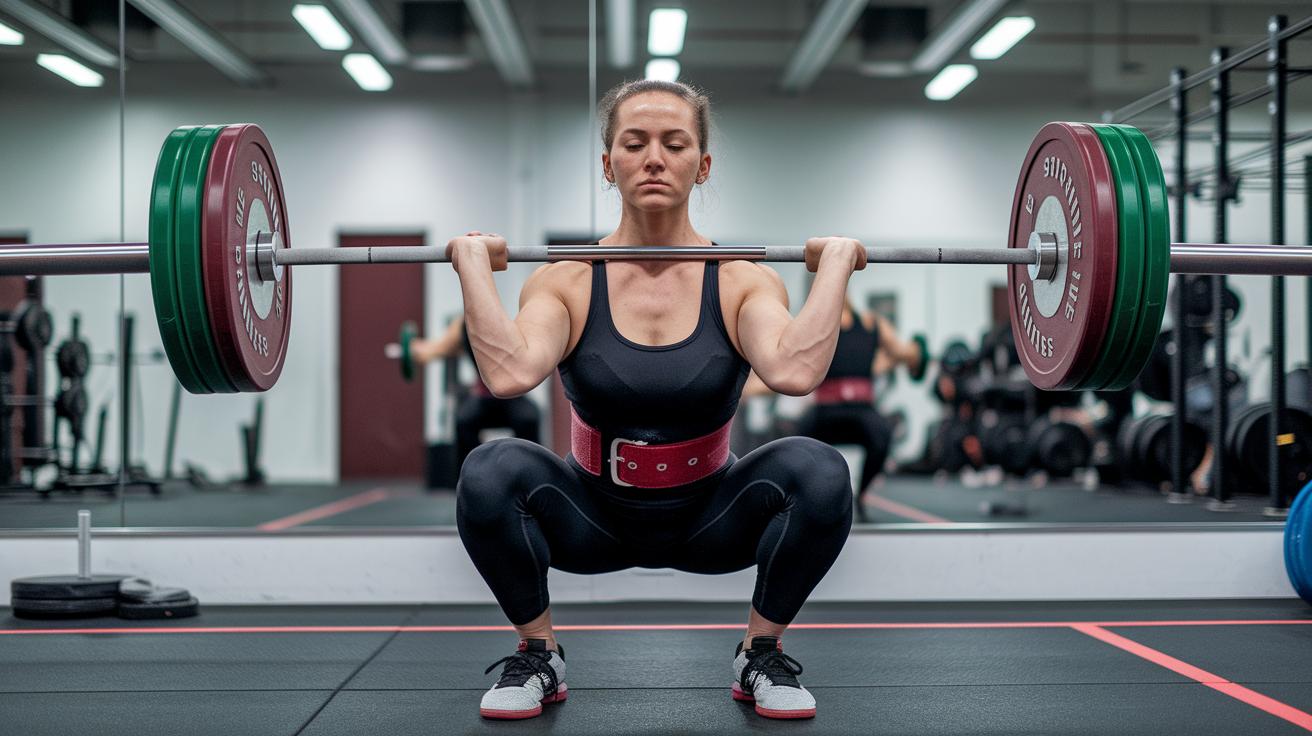
When you lift with the wrong form, your workout might not work as well and you could even get hurt. For example, doing full sit-ups puts extra strain on your back, so switching to crunches is a safer choice. Think about it like tuning a guitar, each move needs to be just right to make beautiful music. Bad form wastes energy and can lead to injury.
Rushing through your reps is another common mistake. When you speed up instead of controlling each lift, you lose the proper balance in your movement. A good rule of thumb is to take about 2–3 seconds to lift and 3–4 seconds to lower, like slowly savoring a favorite treat. Every second counts when it comes to building strength safely.
Another issue is not keeping your body aligned. A rounded back during deadlifts or letting your knees cave in during squats can cause long-term problems. It might help to check your form in a mirror or work with a friend until the correct form feels natural. There are plenty of beginner-friendly tips out there to help you master these basic techniques.
Keeping an eye on your form will help you get the most out of your workouts while reducing the chance of injury.
Overtraining and Skipping Proper Recovery in Strength Training
When you power through tiredness without giving yourself a break, your body speaks up. It sends signals that ask for a pause, and if you ignore them, you might end up feeling constantly drained and stuck in your progress. Your muscles need time to heal, and skipping recovery can make every workout feel a bit tougher. Ever notice that when you’re low on energy or your form falters, it might be your body’s way of saying, “Time for a break”? Even something as simple as struggling with a rep could signal that it's time to slow down.
Taking time to recover might seem like less work, but it’s just as important as the workout itself. Switching up full-body sessions with more targeted workouts helps your muscles get the rest they need. Even a short pause, a minute or two between sets, can really boost your muscle repair. Try setting up your week with some lighter days or even a full rest day. This approach is key, especially for beginners, to build a strong foundation and steer clear of burnout.
Listening to your body and making time for recovery is not a sign of weakness. It’s a smart way to keep moving forward safely and effectively.
Lack of Program Variation and Periodization in Strength Training

When you keep doing the same workouts every day, your body learns the routine. It gets used to the challenge, and soon your exercises don’t push you as much. It’s like eating the same meal over and over, it eventually loses its appeal, and your body stops reacting.
Mixing things up is key to real progress. For example, try a month of heavier weights with fewer repetitions, then switch to lighter weights with more reps the next month. By simply changing your sets and reps cycle every few weeks, you can reset your muscles and spark new improvements.
This idea, called periodization, keeps your training fresh and challenging. Varying your exercises and rest periods helps your muscles recover while still giving you a solid workout. In truth, planning your training this way not only avoids plateaus but also makes working out more interesting and effective.
Ignoring Muscle Group Balance and Targeting in Strength Training
When you stick mainly to big muscle groups, you can easily miss out on the smaller muscles that help keep your body steady, like the rotator cuffs. These little muscles are key to keeping your posture in check and your movements smooth. If you leave them out, your body might start trying to cover for them, which over time can lead to injuries. For instance, doing a heavy bench press without exercises for these stabilizers might put extra strain on your shoulders.
One smart trick to avoid this is to keep an exercise log. Write down what you work on, not just the chest, back, and legs but also the smaller groups like the deltoids and rotator cuffs. This log lets you see if you’re missing any areas, so you can fix it before things go awry. Imagine you’re looking over your records and notice you haven’t been doing rotator cuff exercises. The fix is simple: just add a few light external rotations or some resistance band work into your plan.
Here are some quick tips to keep your workouts balanced:
- Record every exercise with details like sets, reps, and weights.
- Take a peek at your log to spot any muscle groups that aren’t getting enough attention.
- Often mix in or try new movements to target muscles you might be skipping.
Breathing Errors and Tempo Mistakes in Strength Training

Not breathing correctly when lifting weights can add extra stress to your body. When you hold your breath while lifting, it can raise your blood pressure and might even lead to a hernia. Remember a time when you felt dizzy during a workout? That could be your body telling you that your breathing is off. The trick is simple: breathe out when you push or lift, and breathe in as you lower the weight. You can keep it simple with this reminder: "Exhale on the push, inhale on the return." It helps you keep a steady rhythm during your workout.
Moving too quickly or unevenly during strength exercises can mess with your form and lower the tension in your muscles, so you might not get as much benefit from every rep. Try to time your moves carefully. For example, lift the weight slowly over 2 to 3 seconds and lower it in 3 to 4 seconds. Think of it like carefully lifting a box and then setting it down gently, moving with care keeps your muscles working and your technique strong. Paying attention to your breathing and movement speed makes your workout safer and helps you get more out of every exercise. With better control, your lifts become more steady, paving the way for bigger strength gains.
Final Words
In the action of making your workouts safer and more effective, we reviewed key pitfalls like neglecting a good warm-up, misjudging weight loads, and not giving enough time for recovery. The article broke down how proper form, balanced routines, and basic breathing techniques can help you avoid common mistakes in strength training. Remember, simple, consistent adjustments to your routine can boost your overall strength and keep you moving forward with confidence. Every step you take brings you closer to a healthier, stronger you.
FAQ
What are the common mistakes in strength training and the main issues with weight lifting?
Common mistakes in strength training include skipping warm-ups, using weights that are too heavy or too light, poor form, lack of program variation, improper recovery, and ignoring muscle balance.
What is the role of a spotter in weight training?
The role of a spotter in weight training is to provide assistance during lifts, help maintain proper form, and ensure safety during challenging sets.
What are the disadvantages of weight training?
Weight training can lead to disadvantages like injuries from poor form, overtraining, insufficient recovery, and imbalanced muscle development if not done with proper guidance and caution.
What is weight lifting guidance for beginners, both female and male?
Weight lifting for beginners, both female and male, should start with light weights, solid warm-ups, proper technique, and a gradual progression plan to build strength safely and effectively.
What do weight lifting exercises include?
Weight lifting exercises include compound movements like squats and deadlifts, as well as isolation exercises using dumbbells or machines to target specific muscles while supporting overall strength.
How do you train for strength, not size?
Training for strength focuses on lower repetitions, heavier weights, and longer rest periods while maintaining proper form to improve power rather than muscle bulk.
What is the proper form for lifting dumbbells?
Proper form for lifting dumbbells means keeping a balanced posture, using controlled movements, and maintaining a firm grip to target muscles effectively while reducing strain.
What is the golden rule and the 10 rule in weight training?
The golden rule of weight training is to prioritize proper form over heavy weights, and the 10 rule often means aiming for 10–12 reps per set to challenge muscles while keeping technique in check.

