
Have you ever wondered if you're lifting as much as you can? Bench pressing isn't just about moving weights, it shows how strong you're becoming. Many beginners start with 135 pounds and slowly add more as they learn proper form. In this post, you'll find out what most men reach at different points, from the beginner stage to elite levels. Think of it like following a simple recipe that improves with every new ingredient. Stay tuned to see how your bench press stacks up.
Average Bench Press Performance Benchmarks for Men
For many people, the bench press is a clear way to gauge strength. Data tells us that untrained men usually lift around 135 lbs for one rep, while many are comfortable with lighter sets around 65–85 lbs. It’s like taking your first step in a new workout routine, simple and encouraging.
If you’re just starting out, you might soon work up to roughly 175 lbs for one rep as you learn proper form and get into a consistent routine. Once you’ve got some practice, many lifters hit around 215 lbs. This steady progress is a bit like upgrading a basic recipe with extra ingredients over time.
With more training, advanced lifters often reach about 290 lbs, and the most elite athletes can push close to 360 lbs for a single rep. Here’s a quick summary:
| Experience Level | One-Rep Max (lbs) |
|---|---|
| Untrained | 135 |
| Novice | 175 |
| Intermediate | 215 |
| Advanced | 290 |
| Elite | 360 |
Age-Related Bench Press Standards for Men
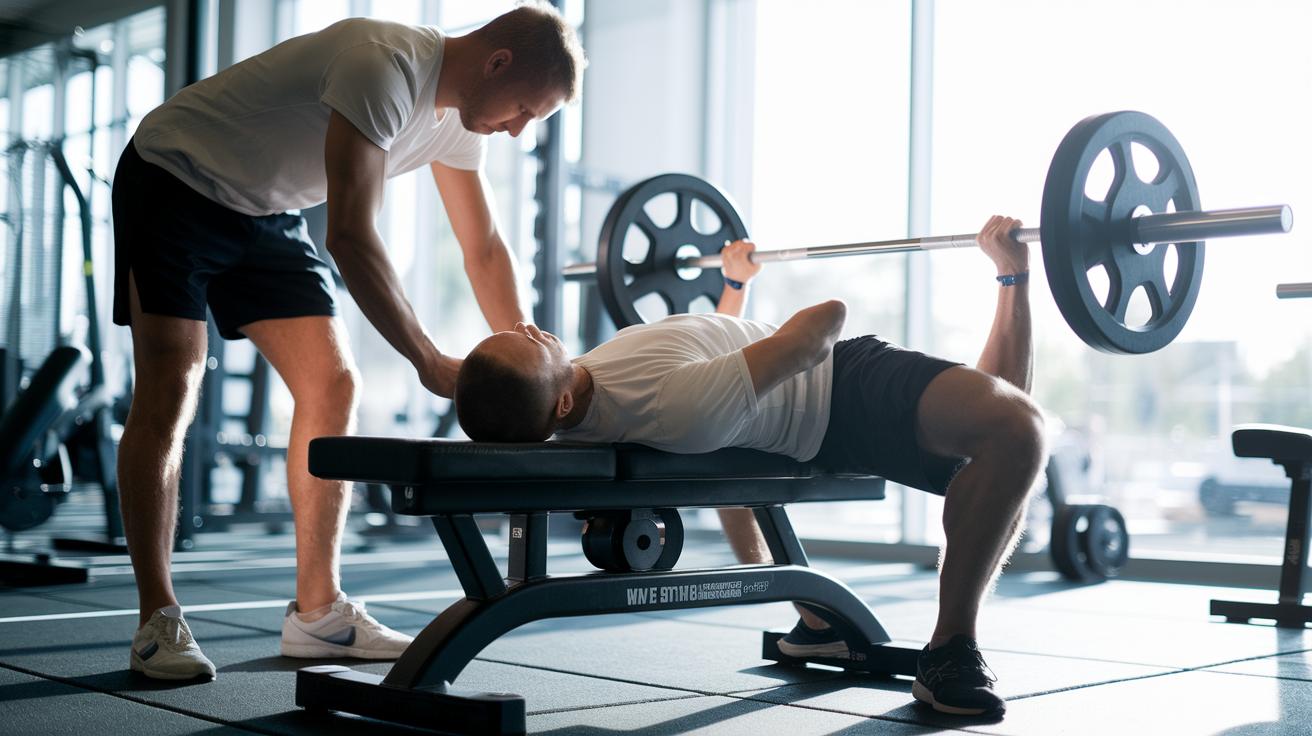
When you're in your 20s and 30s, your strength is at its best. Most men see their highest bench press numbers during these years. Did you know that many 15-year-olds bench around 185 pounds for one rep? It shows there’s promising strength potential even at a young age.
After your 30s, things start to change. If you’re not sticking with a regular workout routine, your one-rep max (1RM) can drop around 5 to 10 pounds each decade. But don’t worry, that doesn’t mean you can’t stay strong. It simply means it might be time to switch up your training.
Here are a few tips to help you stay on track:
- Focus on keeping good form to stay safe and move efficiently.
- Add recovery and mobility exercises to support your muscles.
- Adjust your workout mix to match your body’s changing needs.
Small tweaks in your technique or regular training can help you hold onto more of your strength. Knowing these natural shifts lets you set realistic goals while celebrating progress at every stage.
Bodyweight-Adjusted Bench Press Metrics for Men
Your body weight really matters when you’re setting practical bench press goals. When you weigh around 150 lbs, most men aim to lift about 200 lbs for a single rep. This gives you a clear target that matches your natural strength without any extra fuss.
If you weigh closer to 240 lbs, a common goal is to hit a 300-lb bench press. These numbers aren’t random. They are a handy way to see how your progress compares to standards that fit your body size. It’s like having a measure made just for you.
Using these weight-to-bench ratios turns your lifting stats into helpful advice for your workouts. Imagine it like setting small, personal milestones. As you build muscle and gain confidence, you can update your goals bit by bit.
Here are a few easy points to remember:
| Your Weight | Bench Press Target |
|---|---|
| 150 lbs | 200 lbs |
| 240 lbs | 300 lbs |
This approach keeps your progress clear and makes your goals realistic and manageable.
Key Factors Influencing Men’s Bench Press Strength
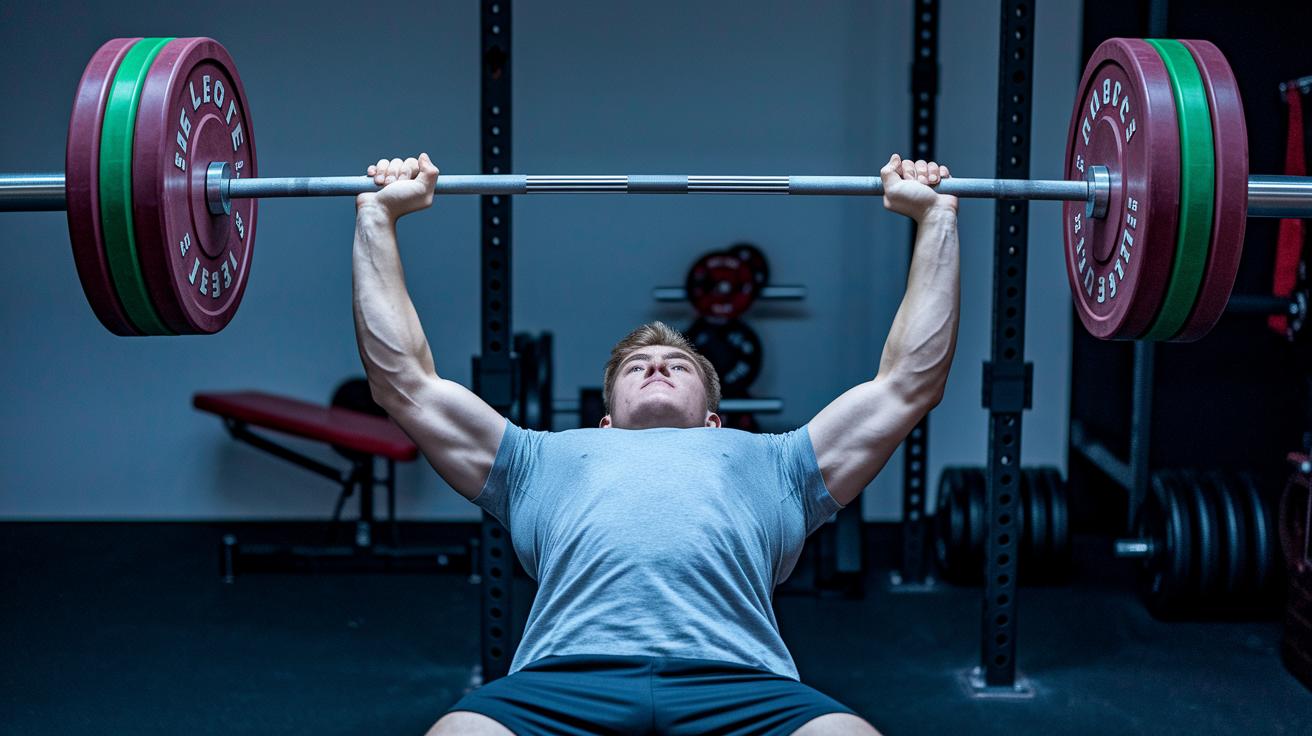
Bench press strength isn’t just about lifting big weights. It all comes down to many things like your age, body weight, gender, muscle balance, and your training history. Younger men in their 20s and 30s often hit higher numbers, but even if you’ve been training longer, smart tweaks in your routine can really help.
Good technique is the heart of safe and effective lifting. Keep your elbows at a 45° angle, control the speed of your bar, and pull your shoulder blades back. This not only builds strength but also protects your joints. Think of it like the difference between a wobbly pile of blocks and a sturdy tower.
Improving your bench press isn’t just about pure muscle power. Giving extra attention to your triceps and shoulders with accessory exercises and mobility drills can make a big difference. This extra effort gets your body working like a well-coordinated team, making your lifts smoother and more powerful.
Common mistakes, like bouncing the bar off your chest or letting your elbows flare out, can slow down your progress and increase the risk of injury. So, it’s a good idea to always have a spotter nearby.
| Tip | Why It Helps |
|---|---|
| 45° elbow angle | Makes the force even and balanced |
| Controlled bar speed | Ensures safe and effective lifting |
| Retracted shoulder blades | Boosts strength and protects joints |
| Using a spotter | Reduces the risk of injury |
For more on building strong training habits and perfecting your form, check out what is strength training.
Bench Press Training Approaches for Men: Hypertrophy vs Strength
If you're really serious about boosting your bench press, the way you train can make all the difference. Many lifters build muscle by using hypertrophy training, which means doing 8 to 12 repetitions with about 65–75% of the heaviest weight you can lift one time. It’s a lot like tweaking your favorite recipe, small changes can really improve the final result. For example, many casual lifters notice faster muscle gains when they mix up their rep ranges and techniques.
If you're just starting out, using tools like all-in-one folding racks or Smith machines can help you build strength safely and boost your confidence. These machines often come with handy extras such as adjustable benches, extra-long barbells, EZ curl bars, and dip bars with bumper or cast-iron plates.
When it's time to focus more on strength, try moving on to power racks with special monolift attachments. This approach usually means doing only 1 to 5 reps at about 85–95% of the heaviest weight you can lift one time. Fewer reps let you handle heavier loads and allow for longer rest breaks. And by also working your triceps, shoulders, and doing some mobility exercises, you make sure your workout stays balanced. This method helps you keep good form and lifts your performance, creating a versatile and effective routine.
Final Words
In the action, the post broke down key data points on bench press performance from early training to peak levels. It showed typical numbers for untrained to elite lifters and how age and body weight influence strength outcomes. We also discussed the factors that shape pressing power and compared training methods to build size or strength.
This guide helps set clear benchmarks, such as the average bench press for men, to offer easy reference and inspire confident, data-driven improvements in health management. Stay motivated and keep progressing.
FAQ
What is the average bench press for men and can most guys bench 135 lbs or its kg equivalent?
The average bench press for men changes with experience. Untrained lifters often reach about 135 lbs (61 kg) for a one-rep max, while those with more training typically press considerably more.
What are the average bench press figures by age, including for a 16-year-old?
Bench press numbers tend to peak in your 20s and 30s. Teens, like a 16-year-old, can average around 185 lbs (84 kg) with proper training, though figures vary with individual strength development.
What is the average bench press for women?
Bench press performance in women depends on training, body weight, and technique. Beginner women usually lift significantly less than their male counterparts, with improvements occurring as they build strength through regular training.
How does a man’s height affect his bench press?
A man’s bench press can be influenced by height since longer arms may require extra effort. Rather than height alone, performance is best understood by considering body weight, training experience, and overall technique.
Is a 225 lbs bench press good for a man?
A 225 lbs bench press is seen as a solid achievement that often exceeds beginner levels. It generally marks strength well above average for many men who have been training consistently.
How common is it for men to achieve a 200 lbs bench press?
Reaching a 200 lbs bench press is a common milestone among regularly training men. It indicates a noticeable progression beyond initial strength levels and reflects a growing foundation in upper-body power.

