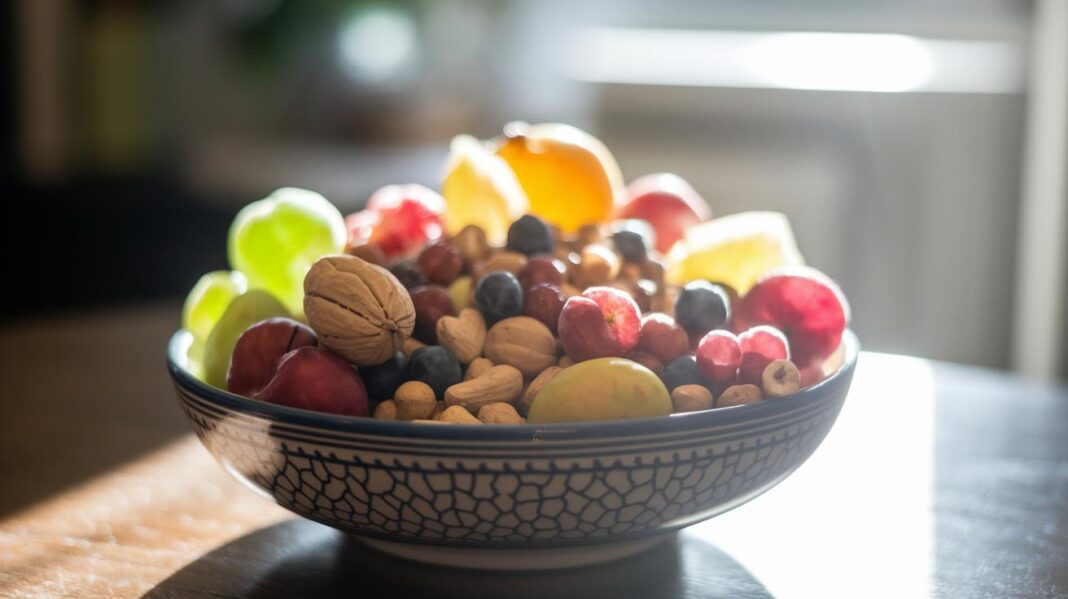
Ever notice that a small tweak in your diet can give your heart a real boost? Imagine fueling your body with whole, fresh foods that keep your blood moving and your heart happy. When you swap out processed snacks for fresh fruits, veggies, lean meats, and whole grains, you’re helping your heart stay strong and steady. This post shares simple ways to keep your heart energized with everyday foods that work as hard as you do.
Defining a Heart Healthy Diet: Core Guidelines for Cardiovascular Wellness
Eating for a healthy heart means choosing foods that help your blood flow and keep you feeling good. It’s all about whole, nutrient-packed foods, like those in the Mediterranean diet from the 1950s and the DASH diet made to help lower high blood pressure. Both focus on plenty of fruits, veggies, whole grains, lean proteins, and healthy fats, while cutting back on overly processed foods.
Cutting down on foods high in saturated and trans fats is a must if you want to lower bad cholesterol. Reducing salty foods also helps keep your blood pressure in check. Think of it like tuning up a car, less salt and unhealthy fats mean your heart can run more smoothly. For instance, try swapping butter for a splash of olive oil and look for products that are low in sodium.
Watching your portions is important, too. A good serving of lean meat is about 3 to 4 ounces, roughly the size of a deck of cards. Making small changes, like slowly swapping white bread for whole grains, can really add up over time. These little steps make it easier to stick with a healthy routine that supports your heart every day.
Essential Nutrients for a Heart Healthy Diet
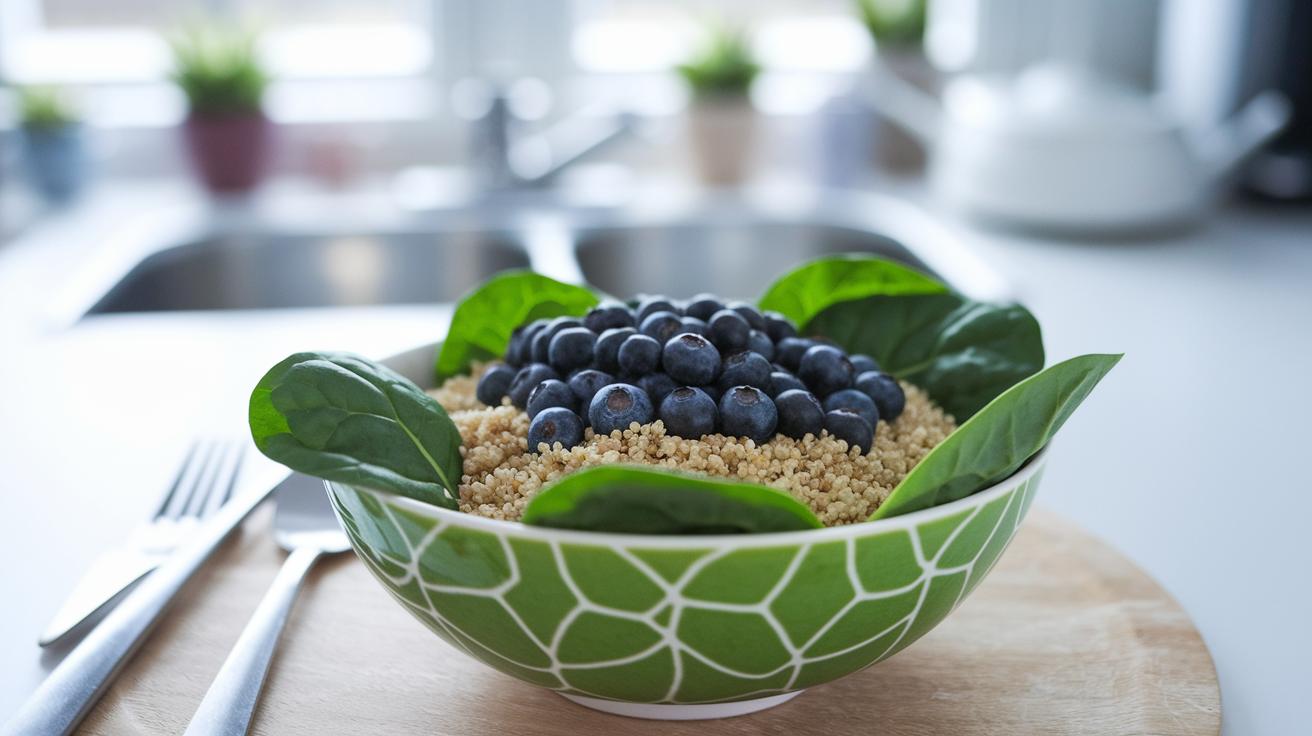
Your heart works hard, so it deserves the best fuel. When you pack your meals with key nutrients, you help keep your blood flowing and your heart strong. Instead of reaching for processed foods, try swapping them out for colorful fruits, veggies, and whole grains. Fun fact: a bowl of blueberries can brighten not just your day, but your heart too!
- Fruits and vegetables: Enjoy blueberries, spinach, and other fresh picks to help lower your risk of heart issues.
- Whole grains: Quick oats and quinoa add fiber and key micronutrients that help your blood circulate smoothly.
- Lean proteins: Legumes, fish, and lean poultry provide nutrients that support steady blood flow. Check out plant-based protein sources.
- Liquid plant oils: Avocado oil, walnut oil, and flaxseed oil can help lower bad cholesterol. A hint of maple syrup or local honey adds a natural touch of sweetness.
Together, these nutrient-rich foods act like a dedicated team, boosting your heart's energy and keeping your circulation smooth. They bring in antioxidants, fiber, and good fats that support every heartbeat. Making small consistent changes by choosing these wholesome options empowers your heart to work efficiently every day. Every bite contributes to a healthier rhythm and takes the pressure off your cardiovascular system.
Top Foods to Include in a Heart Healthy Diet
Fresh fruits and veggies like blueberries and spinach are packed with antioxidants that can lower cholesterol and ease stress on your heart. They boost blood flow and fill your body with essential nutrients to keep your arteries clear. It’s like giving your body a little extra boost, much like what you might read about on a superfood guide.
Including protein-rich foods is a smart move too. Fatty fish such as salmon deliver omega-3s, which help keep your heart rhythm steady. And when you add legumes, beans, and pulses to your meals, you get plant-based proteins and plenty of fiber that support clean vessels and provide energy right where you need it.
Don’t forget about healthy fats. Avocados, walnuts, and flax seeds provide monounsaturated fats and essential fatty acids that help maintain healthy LDL levels and smooth vessel function. Choosing these foods supports a strong heart and keeps your circulatory system running smoothly.
Sample Heart Healthy Meal Plan and Blueprint
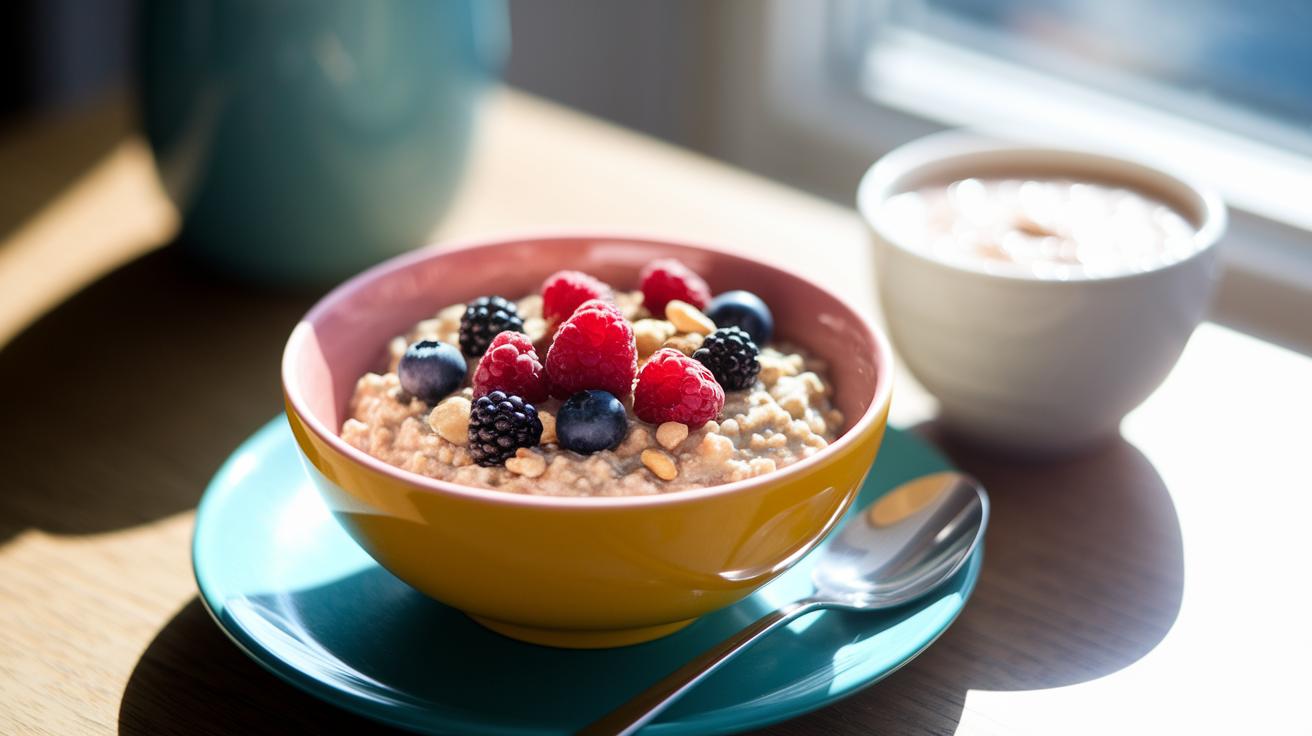
Take a quick look at this one-day meal plan designed to give your heart a natural boost. We’ve put together ideas from Mediterranean and DASH eating styles using simple, everyday ingredients that keep you energized. If you’re ready for a friendlier, heart-smart way of eating, this plan might just spark your next healthy change.
| Time of Day | Meal Idea |
|---|---|
| Breakfast | Oatmeal with berries and nuts |
| Lunch | Grilled fish salad with leafy greens |
| Snack | Apple slices with almond butter |
| Dinner | Vegetable-rich stir-fry with brown rice |
| Beverage | Water infused with lemon or cucumber |
Feel free to adjust this plan as you like. You might change serving sizes, swap your veggies with seasonal picks, or even use your favorite nut butter instead of almond. The idea is to keep things flexible and fun while taking great care of your heart. Enjoy experimenting until you find the perfect mix that boosts your energy and leaves you satisfied.
Heart Healthy Cooking Techniques and Recipes
Cooking for a healthy heart doesn’t mean you have to sacrifice flavor. Instead of deep-frying or loading on heavy sauces, try simple methods like steaming, grilling, or roasting. These approaches keep the nutrients intact and let natural flavors shine. You can even switch out heavy oils for a light drizzle of avocado oil or a bit of walnut oil to get a subtle taste boost without extra fat. Fresh herbs, dried herb blends, and a little citrus zest can work wonders in place of salt, keeping your meals tasty and low in sodium.
Imagine setting up a sheet-pan meal: arrange some chicken or fish with a mix of bright veggies like carrots, bell peppers, and zucchini. Season everything with your favorite herb blend and a squeeze of lemon. This way, you let each ingredient bring its own flavor while keeping the calories low. By using these light cooking techniques, you help your body hold onto essential vitamins, giving you a meal that fuels a long and active life. Enjoying heart-friendly meals like these makes it easy to treat yourself to something delicious while keeping your heart happy and energized.
Heart Healthy Diet: Boost Your Heart Energy
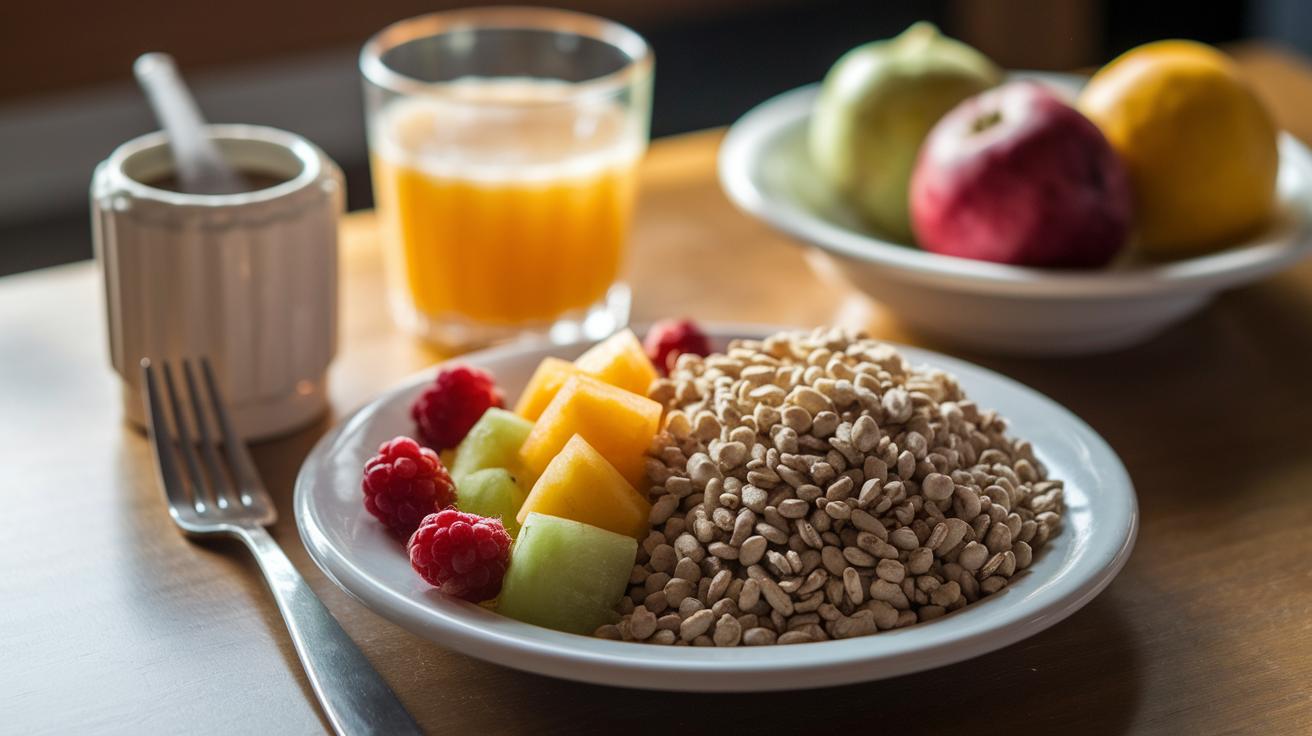
Mindful eating is more than just enjoying your meal, it gives your heart a steady boost. By listening to your hunger cues and truly savoring each bite, you keep your heart fueled with lasting energy. In one study, people who ate slowly and mindfully even reported feeling noticeably more vibrant. One participant saw a 30% jump in energy just by switching from rushed meals to mindful dining.
Smart shopping can also power up your heart. Think of your grocery list as a roadmap to long-lasting energy. When you pick whole grains, lean proteins, and colorful fruits and veggies, you build a kind of battery that keeps your heart charged. Every healthy choice you make is like adding a fresh battery cell. Use the grocery list for healthy eating and check out preventive care tips for heart disease to keep your heart running strong.
Final Words
In the action from defining key guidelines to exploring nutrient choices and preparing sample meal plans, we brought practical tips to light. We broke down everything from lean proteins to mindful cooking techniques and simple shopping hints designed to support long-term wellness. By following a heart healthy diet, small changes can create big benefits that boost overall vitality. Every step is a win when it comes to making informed, everyday choices that nurture your body and brightening your future.
FAQ
Q: What heart-healthy diet recipes are recommended?
A: Heart-healthy diet recipes include meals that mix fresh fruits, vegetables, lean proteins, and whole grains. They use cooking methods like grilling or steaming to lower extra fats and support heart well-being.
Q: Is there a heart healthy diet plan PDF available?
A: A heart healthy diet plan PDF might be found through trusted health sources, offering step-by-step guidelines based on patterns such as Mediterranean and DASH to support cardiovascular wellness.
Q: Which diet works best for heart disease reversal?
A: The diet best for heart disease reversal often involves Mediterranean and DASH patterns. It stresses whole foods, reduced sodium, and limited saturated fats to help improve heart function.
Q: What are some examples of heart-healthy foods?
A: Heart-healthy foods include berries, leafy greens, fatty fish, nuts, and legumes. These options deliver antioxidants, omega-3 fats, and fiber to promote circulation and overall cardiovascular health.
Q: Is there a recommended Heart Healthy Diet Book?
A: A recommended Heart Healthy Diet Book typically features proven guidelines, clear meal blueprints, and recipes that make it easier to follow a plan supporting strong cardiovascular health.
Q: What heart healthy diet plan is best for beginners?
A: A plan for beginners outlines clear instructions, simple meal ideas, gradual dietary swaps, and portion control tips to help ease the shift toward a heart-supportive eating routine.
Q: What should a heart attack or 7-day cardiac diet menu include?
A: A heart attack or 7-day cardiac diet menu should feature balanced meals with lean proteins, whole grains, fruits, vegetables, and healthy fats, aiming to support recovery and long-term heart care.
Q: What three foods do cardiologists say not to eat?
A: Cardiologists advise avoiding foods high in trans fats, excessive sodium, and highly processed carbohydrates, as these can increase blood pressure and burden heart function.
Q: Which food is considered most beneficial for the heart?
A: Fatty fish like salmon is often seen as the most beneficial food because it is rich in omega-3 fatty acids that help lower blood pressure and support healthy cholesterol levels.
Q: How can I strengthen a weak heart?
A: Strengthening a weak heart involves regular moderate exercise, a balanced diet rich in whole grains and lean proteins, and stress-reduction practices alongside proper medical advice.
Q: Which drink is best for the heart?
A: Water, especially when enhanced with lemon or cucumber, is considered the best drink as it maintains hydration, supports circulation, and contributes to overall cardiovascular health.

