
Have you ever thought about muscle building being more than just spending time in the gym? When you lift weights with exercises like squats, bench presses, or deadlifts, your muscles feel the challenge and start to grow. A steady routine that adds a little more weight every time is the key to making lasting gains.
In this blog, we explain how focusing on muscle strain, gradually increasing the weight, and giving your body time to rest all work together to build stronger muscles. Stick with us, and you'll see how smart training can really boost your strength.
How Strength Training Drives Muscle Mass Development
When you work out to build muscle, three big things are at play: tension, stress, and a bit of muscle strain. Basically, when you lift weights with moves like deadlifts, squats, or bench presses, you create a lot of tension in your muscles. That tension is the main signal that tells your body to grow muscle. Sticking with a routine, about 3 to 5 times a week and roughly 15 to 20 sets for each muscle group, is key to keeping your muscles challenged and active.
Another important trick is something called progressive overload. This just means you gradually increase the weight by around 2.5 to 5% each week, or add an extra one or two reps per set. This slow and steady increase helps your muscles keep adapting and getting stronger. If you’re curious about how different muscle-building methods compare, check out hypertrophy vs strength training for more details.
You can get great results using either free weights or machines, as long as you give your body enough time to recover. Each muscle group should have about 48 to 72 hours of rest. With the right mix of challenging workouts, proper recovery, and a gradual increase in difficulty, your muscles get a chance to repair and grow. By watching your progress along the way, you can adjust your workouts to ensure every session helps you build bigger and stronger muscles.
Crafting Strength Routines for Consistent Muscle Mass Gains
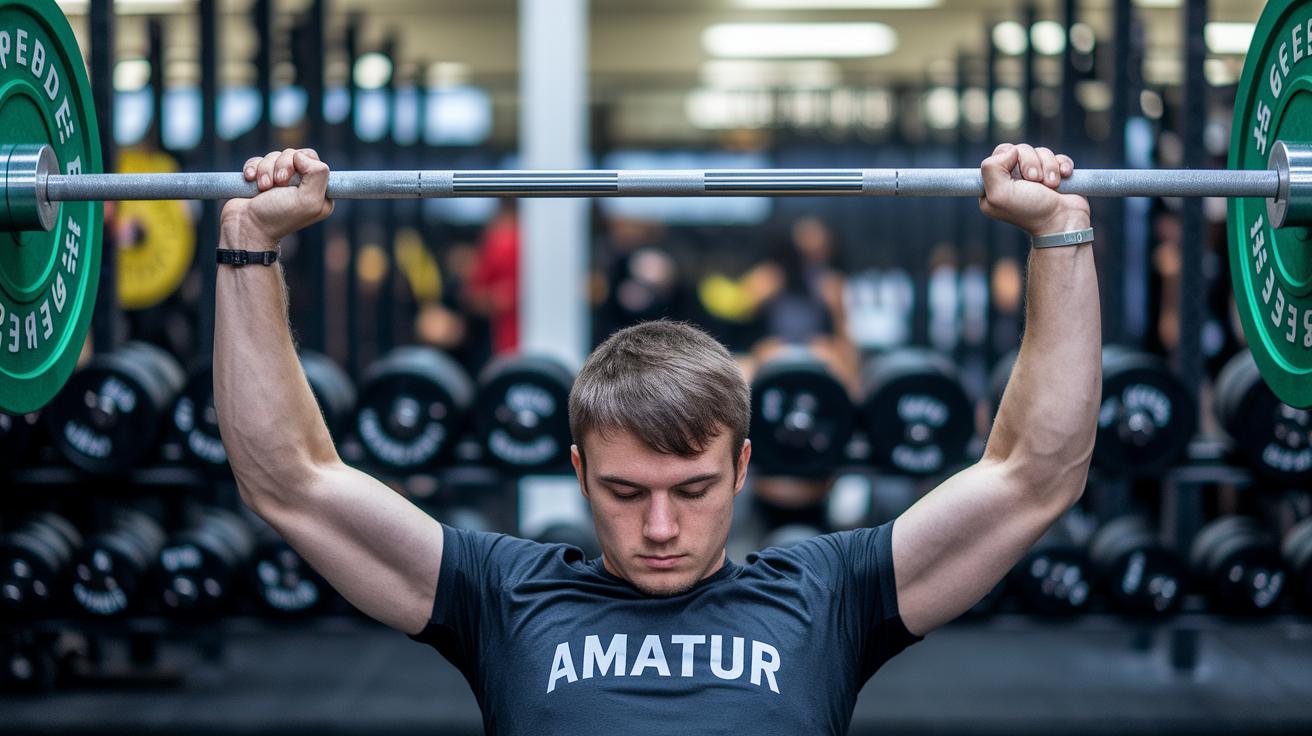
Full-Body 5×5 Routine
The 5×5 program is a favorite for many because it keeps things simple. In this routine, you perform basic lifts like squats, bench presses, deadlifts, and overhead presses. You work out three times a week, usually using about 80% of the heaviest weight you can lift one time (that’s your 1RM). Each exercise is done for five sets of five reps. Before you get started, warm up with 2 or 3 sets at about half the weight you’ll be using. This helps your muscles and joints get ready to work hard. If you find that five sets feel too easy one day, consider bumping up the weight by about 2.5–5% next time. It’s like adding a tiny pinch of extra spice that completely changes your meal's flavor.
Split Routine Models
Split routines let you focus on specific muscle groups on different days. You might choose an upper/lower split or a push/pull/legs split. In these plans, you work each muscle group with around 8–12 reps for muscle growth, taking about one minute to rest between sets, or 4–6 reps for building strength, with two minutes of rest. Aim for about 15–20 working sets per week for each muscle group. This targeted approach helps you concentrate on one area at a time while still giving your body enough rest. It’s a great way to build muscle using free weights. Try both types of splits and see which one fits your personal training style and goals best.
Nutrition and Recovery Protocols to Support Muscle Mass Gains
Before you hit the gym, remember that good food fuels your workout and helps your muscles fix themselves after a hard session. A key tip is to include plenty of protein, it’s the building block your body uses to repair and grow muscle. Experts suggest getting between 1.6 and 2.2 grams of protein per kilogram of your body weight each day.
Adding an extra 250 to 500 calories daily puts you in a mild surplus, giving your muscles the energy they need to get stronger. It also helps to eat about 20 to 40 grams of protein every three to four hours so your muscles stay nourished all day. And don’t forget that protein boost; having 30 to 40 grams within 45 minutes after your workout jump-starts the recovery process.
Sleep is just as important as your meals. Aim for seven to nine hours every night, that’s key for letting your body do its protein synthesis and muscle repair. Also, allow each muscle group about 48 to 72 hours of rest before working them again so they can rebuild properly.
Here are some simple guidelines to keep you on track:
- Daily protein targets and even distribution
- Calorie surplus recommendations
- Pre- and post-workout meal timing
- Sleep quality tips
- Muscle group rest intervals
Stick with these tips consistently, and you’ll notice better recovery and more muscle gains. Keep pushing forward and enjoy your journey to a stronger you.
Advanced Hypertrophy Programming and Periodization Techniques

Periodization in strength training means planning your workouts in cycles. This approach helps your muscles keep growing over time without getting bored or stuck in a plateau. One way to do this is the linear model. For example, you might gradually add about 5% more weight each week over 12 weeks. Imagine doing 3 sets of 8–12 reps with a one-minute break for four weeks, then switching it up to 5 sets of 5 reps with a two-minute rest for the next four weeks. This small change every few weeks keeps your muscles working hard.
Another strategy is the undulating model. Here, you change the number of reps or the weight on a daily or weekly basis. Picture this: on Monday, you do 5 sets of 5 reps to build strength; on Wednesday, you switch to 4 sets of 10 reps to focus on muscle size; and on Friday, you try 6 sets of 6 reps for power. This kind of rotation not only makes your training more interesting, but it also keeps your muscles guessing and adapting.
Then there’s block periodization. In this method, you dedicate distinct blocks of time to specific goals. For instance, you might spend four weeks on hypertrophy (muscle building) workouts and then four weeks on strength training. You can also mix in techniques like supersets, drop sets, or pyramid sets to add more variety. Changing your workout style every 4–6 weeks helps keep the intensity up and prevents your body from getting too comfortable.
| Model | Focus | Duration | Example Scheme |
|---|---|---|---|
| Linear | Hypertrophy | 4 weeks | 3×8–12, 1-min rest |
| Undulating | Mixed | 4 weeks | Mon: 5×5 strength; Wed: 4×10 hypertrophy; Fri: 6×6 power |
| Block | Mixed | 8 weeks | 4 w hypertrophy → 4 w strength |
Switching up your routine not only creates the right mix of muscle tension, metabolic stress, and small muscle damage, but it also keeps your progress moving forward steadily. This way, you stay challenged and keep growing stronger and fitter every step of the way.
Selecting Exercises and Equipment for Effective Muscle Hypertrophy
Compound lifts are a key part of building muscle. Exercises like squats, deadlifts, and bench presses use several muscles at once. They create a strong tension that sends your body a signal to release hormones, which helps your muscles grow. Plus, free weights challenge your balance and coordination, making your workout even more effective. Imagine powering through a squat and feeling your muscles work together, it's that combined effort that really makes a difference.
Isolation moves are equally important when you want to focus on specific muscles. Exercises such as leg extensions or bicep curls target just one muscle group to give it extra attention. Machines work well too because they let you focus on safety and strict form. And if you're home-bound or just want to mix things up, resistance bands are a great choice. Using bands for moves like glute bridges or rows gives you adjustable tension that grows with your strength. Check out resistance bands for strength training for more ideas to enhance your routine.
Tracking Progress and Preventing Injuries in Muscle Mass Training
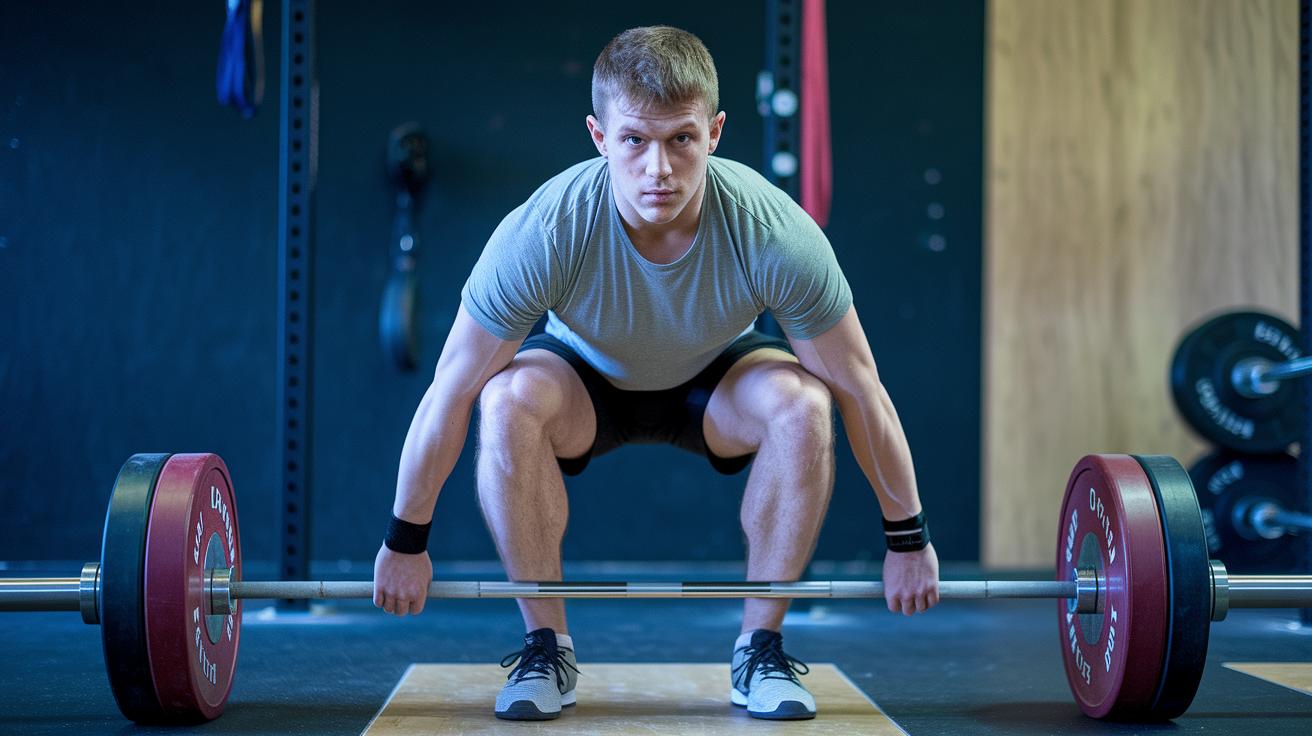
When you’re building muscle, keeping track of your progress and taking care of your body are key. Simple form cues can really help you avoid injuries. For example, keep your back straight during deadlifts, squeeze your shoulder blades and push off with your feet on bench presses, and try out techniques that stabilize your shoulders while activating your glutes. Logging your workouts, recording weights, sets, and reps, lets you celebrate even the small wins over time.
Every month, using an easy tool like calipers to check your lean body mass can give you extra insight into your progress. Starting your workout with 5 to 10 minutes of fun, dynamic moves (a little foam rolling goes a long way) gets your muscles ready to work. And finishing with static stretches for the main muscle groups helps lower the chance of strain.
Consider these simple tips:
- Maintain proper form with clear, easy cues
- Use a training log or app to track sets, reps, and weights
- Check your body composition every 4 weeks
- Warm up with dynamic movements and cool down with static stretches
- Notice any joint discomfort and adjust your load if needed
These techniques not only help you build muscle but also keep your training safe and sustainable for the long run.
Final Words
In the action, this post laid out clear steps on building lean muscle through smart training practices. We covered routine design with compound lifts and isolation moves, and shared tips for nutrition and recovery. Each section cracked the code on pushing your limits with controlled, steady increases. We highlighted ways to track progress while staying safe and getting the most out of your workouts. Keep blending workout precision with everyday care and see the results. Remember, strength training for muscle mass is your ticket to feeling empowered and healthy.
FAQ
Q: What does a strength training for muscle mass PDF offer?
A: A strength training for muscle mass PDF explains exercise programs and routines with sets, reps, and progression techniques to boost muscle growth and overall fitness.
Q: What does a workout plan for muscle gain PDF include?
A: A workout plan for muscle gain PDF details scheduled exercises, explained movements, and clear progression steps that help you build muscle effectively while keeping your routine organized.
Q: What are the 10 benefits of weight training?
A: The 10 benefits of weight training include improved muscle tone, stronger bones, boosted metabolism, enhanced posture, better balance, increased endurance, improved joint health, energy boost, stress relief, and overall well-being.
Q: How does strength training compare to hypertrophy training?
A: Strength training focuses on increasing force production while hypertrophy training aims for larger muscle size by targeting specific rep ranges and volume, each with its own benefits for your overall fitness.
Q: What strengths can women gain from strength training?
A: Strength training for women leads to enhanced muscle tone and increased functional strength, improved bone density, and overall health benefits while empowering you to feel confident during daily activities.
Q: How can you improve strength and power through training?
A: Improving strength and power involves a well-planned routine featuring progressive overload, compound exercises, and proper rest intervals to steadily boost your performance and overall power.
Q: Does strength training build muscle and increase muscle mass?
A: Strength training builds muscle and increases muscle mass by applying progressive overload through compound movements and structured programs that push your muscles to adapt and grow.
Q: What is the 3-3-3 rule in the gym?
A: The 3-3-3 rule suggests performing three different exercises for a muscle group with three sets each and following a specific weekly frequency to optimize muscle response and manage recovery.
Q: What type of training works best for building muscle mass?
A: A type of training that centers on compound movements with progressive overload tends to be the best for building muscle mass as it engages multiple muscles and steadily challenges your strength.
Q: What is the 6 12 25 rule?
A: The 6 12 25 rule describes a method where you perform heavy, moderate, and light sets—6, 12, and 25 reps respectively—to target various muscle fibers and stimulate overall growth.

