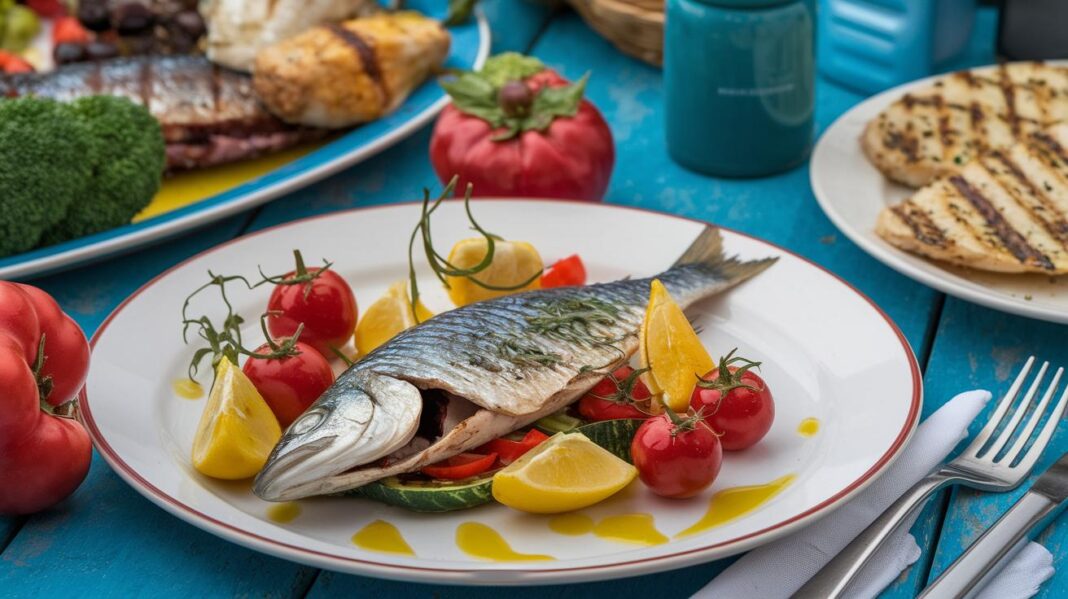
Have you ever thought that eating healthy could feel like a special treat? Our 7-day Mediterranean diet guide shows you how to enjoy tasty, balanced meals without the hassle of counting calories.
Imagine starting your day with a bright, energizing breakfast bowl and later sharing a fun mezze brunch platter with friends. This plan mixes fresh fruits, vegetables, lean proteins, and good fats to create meals that are both satisfying and stress-free.
Every day brings a chance to add a little extra joy and nutrition to your life, lighting up your table and lifting your mood.
7-Day Mediterranean Diet Meal Plan Blueprint
This plan is all about enjoying a Mediterranean way of eating with plenty of fresh vegetables, fruits, whole grains, legumes, lean proteins (especially fish), and healthy fats from extra virgin olive oil, nuts, and even a touch of avocado. Experts have celebrated it for eight years because it focuses on balanced eating without the stress of counting calories. And the best part? You get to enjoy your favorite treats in moderation while following a delicious, plant-rich menu.
Every day brings a new mix of flavors and textures to your table. On Monday, kick off with a breakfast bowl filled with eggs, hummus, and veggies that sets a bright, energetic tone. Then, on Tuesday, treat yourself to a homemade granola made with olive oil, tahini, walnuts, and dried fruit – hearty and refreshingly wholesome. Wednesday brings a light start with savory hummus toast, piled high with fresh vegetables, perfect if you’re in the mood for something breezy.
Thursday spices things up with za’atar eggs served on whole wheat bread, offering a burst of flavor you can feel. On Friday, flavor meets simplicity with creamy Greek yogurt topped with fresh fruit and a drizzle of honey, balancing tangy and sweet. Saturday’s menu features a robust vegetable frittata paired with garlic-za’atar mashed potatoes to keep your energy high. Finally, on Sunday, wrap up the week with a lively mezze brunch platter complete with homemade pita and a variety of dips that invite you to savor every bite.
| Day | Breakfast | Lunch | Dinner |
|---|---|---|---|
| Monday | Mediterranean breakfast bowl with eggs, hummus & veggies | Light salad with lean protein | Grilled fish with mixed veggies |
| Tuesday | Homemade granola with olive oil, tahini, walnuts & dried fruit | Whole grain wrap with hummus and fresh veggies | Hearty legume stew |
| Wednesday | Savory hummus toast topped with fresh vegetables | Chopped salad with mixed greens | Whole grain pasta drizzled with olive oil and herbs |
| Thursday | Za’atar eggs on whole wheat toast | Veggie-packed fresh soup | Grilled chicken with steamed vegetables |
| Friday | Creamy Greek yogurt with fruit and a drizzle of honey | Quinoa salad with chickpeas | Roasted salmon with garden greens |
| Saturday | Hearty vegetable frittata | Mixed bean salad | Garlic-za’atar mashed potatoes with steamed broccoli |
| Sunday | Inviting mezze brunch platter | Whole grain pita served with assorted dips | Herbed fish with a rich vegetable ratatouille |
This plan makes it simple to eat well every day without the hassle of counting calories, letting you enjoy a variety of tasty, nutrient-packed meals.
Essential Foods for Your Mediterranean Diet Meal Plan

Creating a balanced diet starts by filling your kitchen with nature’s finest goodies. This meal plan is all about plant-based dishes that taste great and benefit your health. For example, imagine taking a crisp bite of artichoke and feeling it brighten your salad, just like a drizzle of extra virgin olive oil can bring a dish to life. Every ingredient plays a key role in the Mediterranean way of eating, turning each meal into a celebration of wholesome flavor.
Mix in a range of colorful foods that deliver essential nutrients without crowding your plate with extras. One handy tip is to put together your own shopping list for Mediterranean recipes (https://healthlystats.com?p=207). This small step can help streamline your weekly planning and make preparing balanced meals easier.
Make sure to always have these pantry staples on hand so you can create versatile, everyday dishes:
- Artichokes
- Spinach
- Sweet potatoes
- Zucchini
- Salmon
- Legumes (chickpeas, lentils)
- Nuts and seeds
- Extra virgin olive oil
Keeping these ingredients nearby allows you to craft meals that honor fresh produce and lean proteins, making every dining experience feel both joyful and nourishing.
Mediterranean Diet Meal Prep and Scheduling Strategies
When your schedule is packed, taking a moment to organize your meals can really change the game. Start with a simple weekly calendar that shows you what’s coming up. Imagine marking out your week, like carving out Saturday morning to chop veggies for Monday’s breakfast bowls and Tuesday’s savory hummus toast. It’s a small tweak that can take away a lot of last-minute stress.
Batch cooking is a great way to stay ahead. Get a big pot of essentials like Lemon-Blueberry Granola, Lemony Chicken Soup, and Chickpea & Quinoa Bowls ready. These recipes have been tried and trusted, keeping your meals fresh all week long. Spend a bit of time on the weekend cooking whole grains and legumes, slicing up vegetables, and portioning out snacks into airtight containers. This upfront work means when days get hectic, you know you’ve got a healthy meal waiting for you.
Switch up your breakfast options with things like overnight oats or a hearty vegetable frittata. Rotating your ingredients helps keep meals interesting while giving you a range of nutrition. It’s a little change that turns a rushed morning routine into a smooth, satisfying start, adding a touch of that Mediterranean flair to everyday life.
Extending Your Plan: 30-Day Mediterranean Meal Plan for Weight Loss
This 30-day plan is built to help you lose weight while enjoying tasty Mediterranean dishes. Every day, you'll eat between 1,492 and 1,524 calories. Each dinner has between 378 and 529 calories and is crafted to include lean proteins, fresh vegetables, and whole grains. Your daily goal is set to get 47–83 grams of fat, 61–105 grams of protein, 127–210 grams of carbohydrates, and 28–42 grams of fiber, with sodium levels kept between 1,062 and 1,850 mg.
Breakfast is fun and full of energy. You might try high-protein overnight oats with peanut butter, banana, and blueberries (about 419–434 calories) or go for a lighter option like lemon-berry ricotta toast (313 calories). Lunch is just as tasty and healthy. Enjoy a bowl of hearty chicken fajita soup (407 calories) or a crisp chopped salad with chickpeas, olives, and feta (390 calories). Each meal is designed to help you stay on track with your nutrient goals.
Snacks are planned with care too. They can be as low as 21 calories or up to 238 calories per serving, and you have options to swap them while keeping the calories and nutrients similar. Plus, you’re encouraged to add at least 150 minutes of moderate exercise like brisk walking or cycling each week. This way, you get the full benefit of the plan.
For more tips on how to turn your routine into a success with healthy eating and weight loss, check out our detailed guide: healthy eating meal plan for weight loss.
Customizing Your Mediterranean Diet Meal Plan: Vegetarian, Vegan, and Pescatarian Options
Tweaking your Mediterranean diet to suit your eating style is both fun and easy. For a vegan spin, replace fish and dairy with foods like tofu, tempeh, legumes, and dairy-free yogurts or nut cheeses. Imagine a bright tofu scramble with spinach and whole grains that’s both tasty and full of nutrients.
If you lean toward a vegetarian meal plan, try using eggs, cheese, legumes, and robust whole grains. Picture a warm egg frittata mixed with chickpeas and fresh herbs, a comforting dish that never loses its flavor.
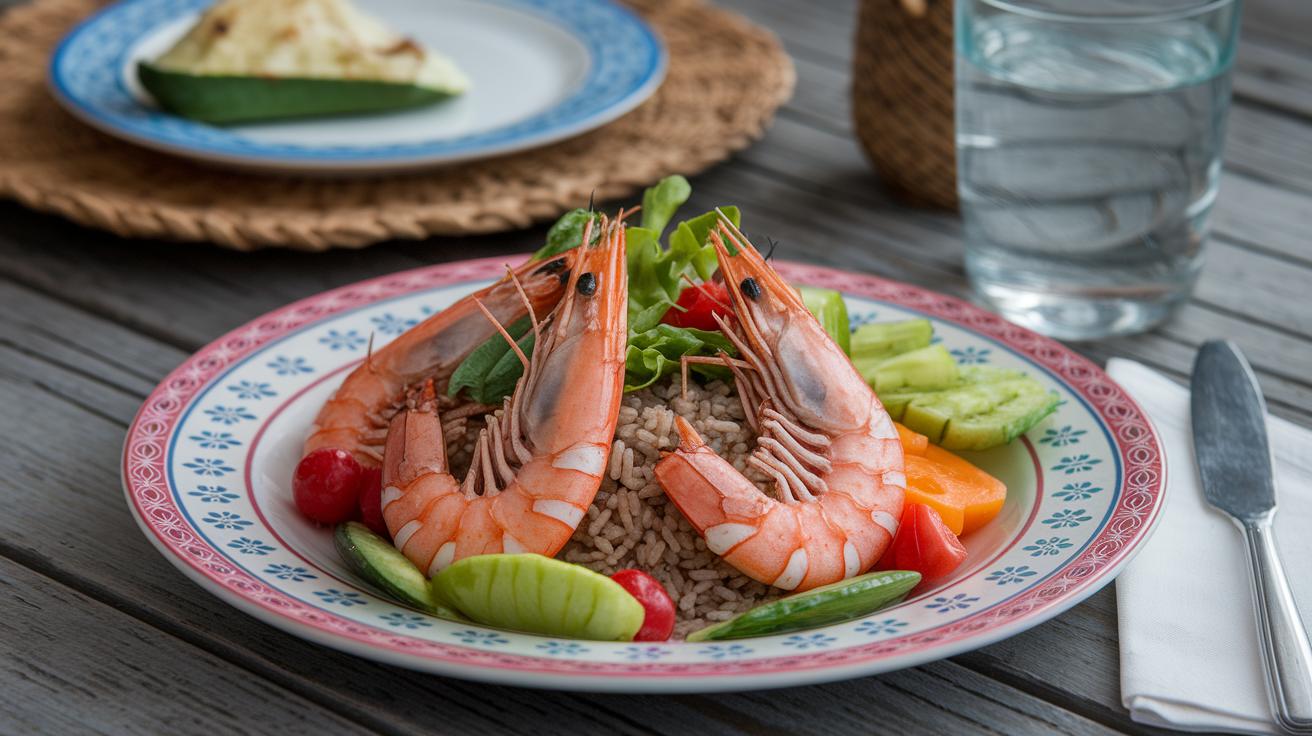
For those who enjoy a pescatarian approach, seafood is the star, paired with legumes and grains. Think of a light dinner with grilled shrimp served over brown rice, dressed with a splash of lemon and crisp vegetables. The goal here is to choose substitutes that keep your calorie count and essential nutrients like protein and fiber on track.
And don’t forget to include fortified foods or supplements for vitamin B12 and Omega-3 (fats that are great for your heart). This way, every version of your meal plan supports a heart-smart, vibrant Mediterranean lifestyle.
Shopping Planner and Pantry Essentials for the Mediterranean Diet Meal Plan

When you plan for healthy and joyful meals, it all starts with a well-stocked pantry full of the essentials. A clear shopping list not only keeps you organized but can also save you time and money. Try refreshing your staples every couple of weeks and choose seasonal produce to cut costs. And if you wander to the fresh foods section of the store, you're likely to find the best ingredients.
Here’s a simple list to guide your shopping:
- Spinach (5 cups)
- Tomatoes (10)
- Canned chickpeas (2 cans)
- Whole wheat bread (1 loaf)
- Extra virgin olive oil (16 oz)
- Mixed nuts (8 oz)
- Greek yogurt (32 oz)
- Lemons (6)
- Whole-grain oats (1 lb)
This list is a flexible starting point that lets you create a range of nutritious meals. Keeping these ingredients handy not only makes it easier to follow a balanced eating plan but also keeps your Mediterranean diet fun and accessible.
Frequently Asked Questions on the Mediterranean Diet Meal Plan
-
Q: Do I need to count calories?
A: You don’t need to count every calorie. Instead, focus on keeping portions in check and include plenty of high-fiber foods. This keeps your meals balanced without getting lost in details. -
Q: Can I have treats?
A: Yes, you can enjoy treats in moderation. A small piece of dark chocolate or a modest glass of wine is a great way to satisfy your cravings without going overboard. -
Q: Is it OK to eat out?
A: Absolutely. When you eat out, try to pick dishes that feature fish, plenty of vegetables, and olive oil. This keeps your meal both tasty and on track with your plan. -
Q: How do I track my plan?
A: It’s really simple. You can use a printable calendar or a meal-planning app to set up your meal schedule. This helps you stay organized and see your progress clearly. -
Q: Who should check with a doctor first?
A: If you have a low-sodium diet or are taking blood-thinning medications, it’s a good idea to talk with your doctor before starting this meal plan.
Following these easy guidelines helps make your Mediterranean diet journey friendly and stress-free. Using tools like printable food schedules and weekly planners turns healthy eating into a fun and manageable routine.
Final Words
in the action, we reviewed a full 7-day blueprint covering daily breakfasts, lunches, and dinners along with key ingredients and meal prep tips.
We broke down essential shopping steps and scheduling ideas for a balanced approach to food that fits into busy lives.
Each section shows you how to use a mediterranean diet meal plan to make smart, tasty choices every day.
Stay positive and take these insights to heart as you work toward a healthier lifestyle.
FAQ
Where can I find a free Mediterranean diet meal plan PDF?
The search for a free Mediterranean diet meal plan PDF points to downloadable guides that include daily menus, recipes, and shopping lists, supporting balanced eating without strict calorie counts.
What are some Mediterranean diet recipes and food list suggestions?
You can mix vegetables, fruits, lean proteins, wholesome grains, and healthy fats to create meals that are both delicious and heart-healthy.
What is an example of a Mediterranean diet meal plan?
The example of a Mediterranean diet meal plan features items like Mediterranean breakfast bowls, hummus toast, za’atar eggs, and a mezze platter, offering a balanced mix of proteins, fruits, and whole grains.
What is a Mediterranean diet for beginners?
This approach focuses on simple meals emphasizing fish, fresh vegetables, whole grains, and fruits, making it easy to enjoy balanced, flavorful eating without overcomplicating your routine.
What is not allowed on the Mediterranean diet?
You should limit red meat, ultra-processed foods, and added sugars while enjoying natural ingredients in moderate portions.
How much weight can you lose in 30 days on the Mediterranean diet?
This plan suggests modest weight reductions when combining portion control with supportive exercise, though individual results may vary based on overall calorie intake and lifestyle.

