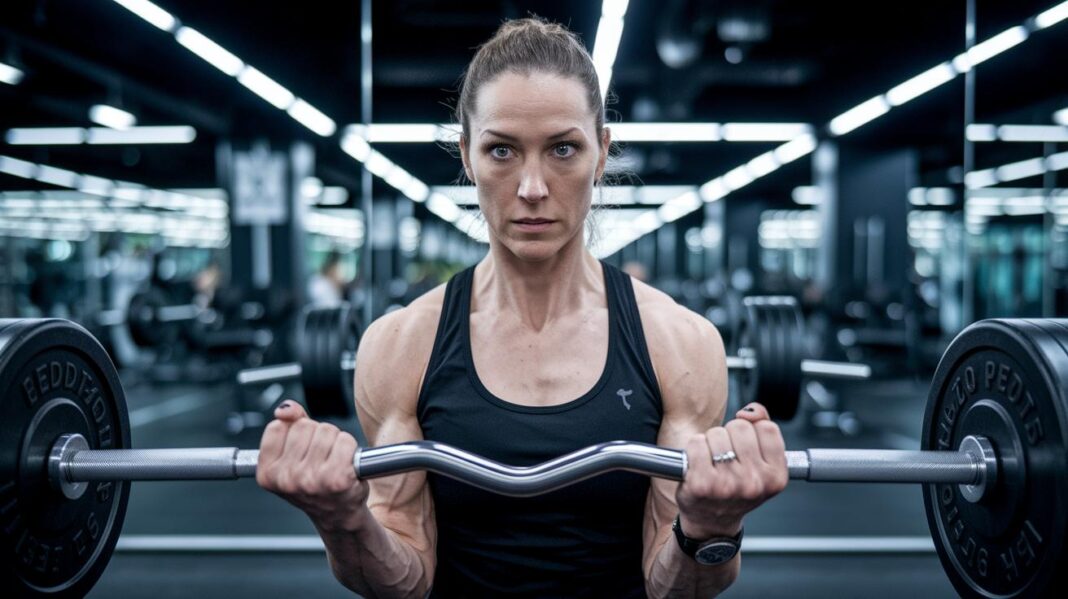
Have you ever thought that a single 35-minute workout could make you feel unstoppable? This routine mixes nine easy moves that work your whole body, helping you build muscle and burn fat with just a pair of medium-to-heavy dumbbells.
It targets almost every muscle, from your legs and core to your arms and shoulders. The simple tips, like keeping a straight back and moving steadily, help you exercise safely while really pushing your limits.
I started off with lighter weights at first and slowly built up my strength and confidence. Now, I invite you to give this workout a shot and experience that powerful feeling for yourself.
full body strength training exercises: Feel Powerful Now
We've put together a 35-minute workout that packs nine full-body exercises. This routine is great for building muscle and burning fat. You only need a pair of medium-to-heavy dumbbells (usually 15 to 25 lb). Aim for 3 to 4 sets of 8 to 12 reps for each exercise, taking about 45 to 60 seconds to catch your breath between sets. Keeping your back straight and your movements steady helps you avoid injury while you work hard.
For example, dumbbell front squats target your legs, glutes, quads, hamstrings, hips, and core. They help you feel strong from the ground up. Back rows focus on your lats, and dumbbell lunges challenge your legs, glutes, and core while improving your balance. Then, a combo of bicep curls with shoulder presses works both your arms and shoulders, with a little extra help for your core. The Romanian deadlift with clean is perfect for engaging your glutes, hamstrings, hips, and core with every careful lift.
Moving on, the chest press strengthens your pectorals, shoulders, and triceps, and dumbbell glute bridges target your glutes and hamstrings by squeezing hard at the top. Skull crushers are ideal for honing in on your triceps and core. Finally, dead bugs help build stability by working the deeper core muscles.
If you're just starting out, try using lighter weights or reducing the number of reps until you're more comfortable. I started with a lighter load and gradually increased my repetitions, which really helped me build strength. And if you're up for more challenge, you might consider adding supersets or using heavier weights. For more inspiration and tips on equipment, check out the link to dumbbell strength training.
| Exercise | Primary Muscles | Sets/Reps | Notes |
|---|---|---|---|
| Dumbbell Front Squats | Legs, Glutes, Quads, Hamstrings, Hips, Core | 3-4 sets of 8-12 | Keep your back straight and steady |
| Back Rows | Lats | 3-4 sets of 8-12 | Move with control |
| Dumbbell Lunges | Legs, Glutes, Core | 3-4 sets of 8-12 | Focus on your balance |
| Bicep Curl + Shoulder Press | Arms, Shoulders, Core | 3-4 sets of 8-12 | Blend the movements smoothly |
| Romanian Deadlift + Clean | Glutes, Hamstrings, Hips, Core | 3-4 sets of 8-12 | Lift slowly and with control |
| Chest Press | Pectorals, Shoulders, Triceps | 3-4 sets of 8-12 | Use a full range of motion |
| Dumbbell Glute Bridge | Glutes, Hamstrings | 3-4 sets of 8-12 | Squeeze at the top |
| Skull Crushers | Triceps, Core | 3-4 sets of 8-12 | Keep your elbows steady |
| Dead Bug | Deep Core | 3-4 sets of 8-12 | Perform slowly for control |
Full Body Workout Routines for All Fitness Levels
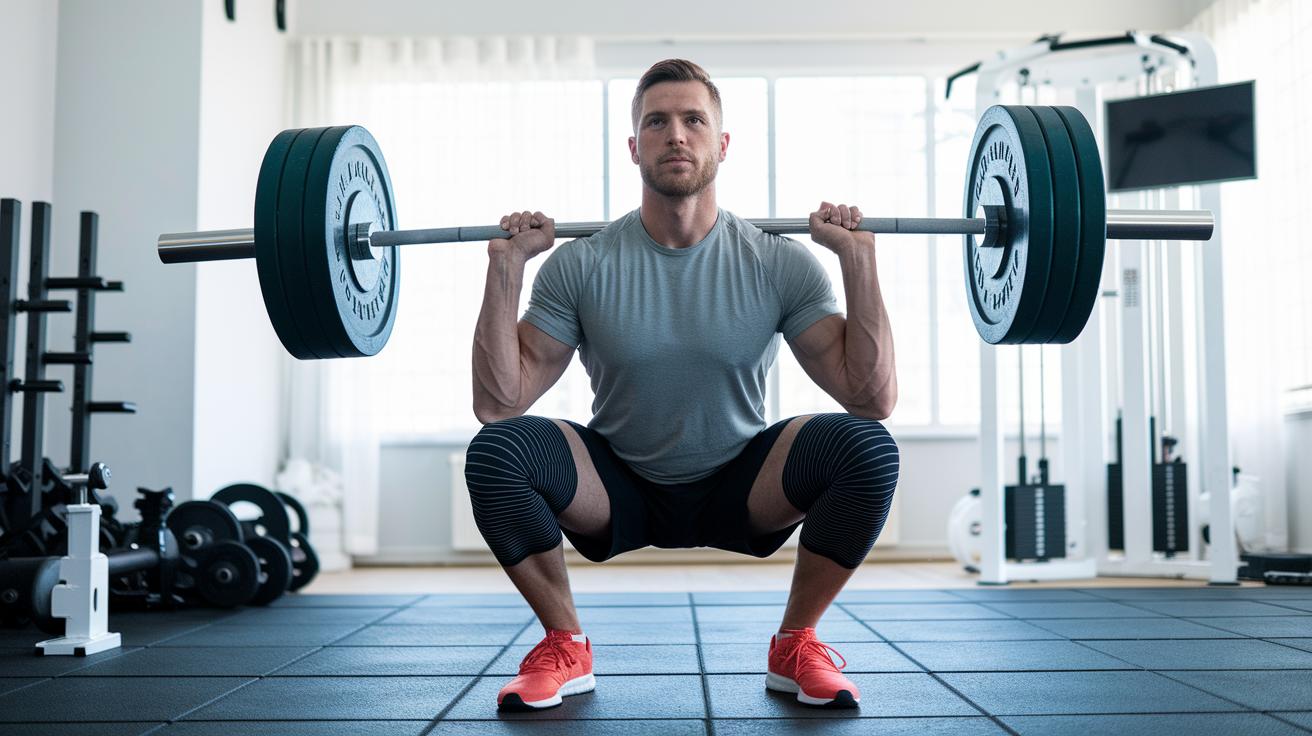
If you're looking to improve your strength and overall fitness, full body workout routines can easily fit your needs , whether you're just starting out or already chasing advanced goals. One simple way to begin is with a 2-day plan. For example, on Day 1 you could work on squats (3 sets of 6-8 reps), bench press (3 sets of 8-10 reps), and rows (3 sets of 8 reps). Then, on Day 2, switch it up with deadlifts (3 sets of 6-8 reps), overhead press (3 sets of 8 reps), and lunges (3 sets of 10 reps). Keep your rest between 45 and 60 seconds and really focus on doing each rep with control. Beginners, if you’re feeling unsure, there’s a great guide on how to start strength training available here: how to start strength training.
Another option is a 3-day schedule. By working out every Monday, Wednesday, and Friday, you get a full body workout each time. This balanced plan means you'll hit the major muscle groups several times over the week, boosting both your strength and your recovery. A typical session might mix in squats, push-ups, rows, deadlifts, overhead presses, and lunges , each move designed to push you a little more and leave you feeling proud of your work.
For those who appreciate more structure, try a 4-day split. This routine lets you focus on your upper body one day and your lower body the next while still working each muscle group twice a week. It gives you the chance to vary your exercises and recovery times just enough to keep making progress. The secret here is to gently increase the challenge over time. That means adding a little more weight or squeezing in a couple more reps each week. Small, steady steps can lead to serious strength gains.
Equipment and Accessories for Full Body Workouts
Getting ready for a full body workout means having a few key tools by your side. A set of medium-to-heavy dumbbells (around 5 to 25 pounds) can give you just the right challenge whether you're sweating it out at home or in the gym. An adjustable bench paired with a pull-up bar adds variety to your routine, and a kettlebell can bring an extra burst of energy to your moves.
Resistance bands are another great option. They let you do exercises like squats, rows, and push-ups while engaging multiple muscles at once. In fact, these bands can mimic the resistance of heavier weights when used correctly, boosting your workout intensity without the need for large gear. For more details on how they work, check out this link: resistance bands for strength training.
When you choose your equipment, it's best to balance your fitness needs and your budget. It helps to have bands in light, medium, and heavy tensions so you can smoothly increase the challenge as you get stronger. Always remember to check your gear regularly and keep it well-maintained to prevent any wear or damage.
Key accessories include:
- Medium-to-heavy dumbbells
- An adjustable bench paired with a pull-up bar
- Kettlebells
- Resistance bands
A well-equipped workout space helps you focus on good form and keeps you progressing with every session.
Proper Form, Safety, and Progression in Full Body Strength Training
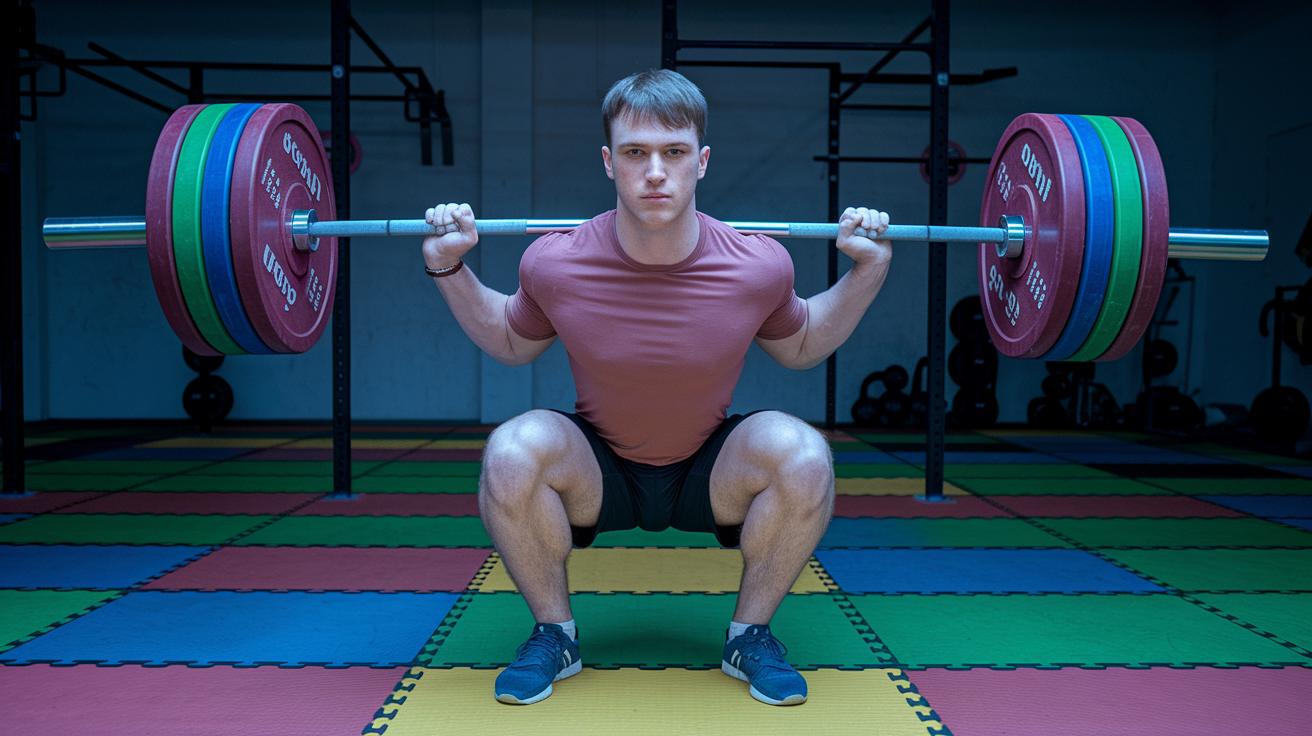
Begin your workout with a quick warm-up. Try leg swings and arm circles to wake up your muscles before you start lifting. This sets the stage for following the basics of strength training. For instance, when you squat, keep your feet about shoulder-width apart and hold a neutral spine. For deadlifts, make sure you hinge at the hips with a flat back and keep your shoulders pulled back. When you do a bench press, lower the weight slowly and move through a full range. And while performing an overhead press, engage your core and avoid arching your lower back. Likewise, during rows, squeeze your shoulder blades together to keep your torso stable.
Safety always comes first. Start with lighter weights until you feel confident, and if you're trying heavier lifts, having a spotter is a smart idea. Breathe steadily with each rep and give yourself about 45 to 60 seconds of rest between sets. As you build strength, try increasing your weight by 5% or adding one or two more reps each week. If you're dealing with minor injuries, you can modify your exercises by shortening how far you move or using resistance bands to still get a good workout without overdoing it.
Remember, keeping good form and gradually increasing your load makes your strength training safe and effective.
Sample Full Body Strength Training Workout Plan
This three-day plan is designed to boost your muscle, burn fat, and build overall strength. It’s perfect for beginners who want to work each major muscle group using simple, controlled movements.
Day 1 is all about laying a strong foundation. Begin with squats – do 3 sets of 8 reps to power up your legs and glutes. Then move on to push-ups; 3 sets of 10 reps will help work your chest, shoulders, and triceps. Finish up with bent-over rows, doing 3 sets of 8 reps to hit your back muscles. Try to rest for about 60 seconds between sets to give your muscles time to recover.
| Exercise | Sets × Reps |
|---|---|
| Squat | 3×8 |
| Push-up | 3×10 |
| Bent-over Row | 3×8 |
Day 2 shifts the focus to other key muscle groups. Start with deadlifts – 3 sets of 8 reps work your back, glutes, and core together. Next, do overhead presses for 3 sets of 8 reps to build up your shoulders and arms. Finish with walking lunges; aim for 3 sets of 10 reps on each side to challenge your legs and balance. Again, keep your rest time to about 60 seconds between sets.
| Exercise | Sets × Reps |
|---|---|
| Deadlift | 3×8 |
| Overhead Press | 3×8 |
| Walking Lunge | 3×10 per side |
Day 3 is aimed at upper body strength and core stability. Start with bench presses – 3 sets of 8 reps will work your chest, shoulders, and triceps. Then choose pull-ups or try a band lat-pull for 3 sets of 8 reps to target your back. Finally, work on your core with planks; hold 3 sets for 30 seconds each.
As you get stronger, add roughly 5 pounds or two extra reps each week.
Final Words
In the action, this post detailed key full body strength training exercises that target multiple muscle groups while keeping your efforts safe and effective. It covered a range of workouts from basic to challenging, equipment like dumbbells and resistance bands, plus proper form tips to help you progress steadily. Each section aimed to make advanced routines feel approachable for every fitness level. Stay positive and keep moving forward, let these full body strength training exercises guide you toward better health every day.
FAQ
What do full body strength training exercises PDF and full body workout plan PDF offer?
Full body workout PDFs provide detailed, printable guides that outline exercises, sets, and reps. They include modifications for different skill levels and are handy for planning structured training sessions.
What are some full body strength training exercises you can do at home without equipment?
Home-based, no-equipment routines include moves like push-ups, squats, lunges, and planks. These exercises use your body weight to target multiple muscle groups, building strength and stability.
What full body strength training exercises are suitable for beginners?
For beginners, simple compound moves such as bodyweight squats, push-ups, and rows work well. These exercises allow safe progression using lighter weights or fewer repetitions until proper form is established.
How can a full body gym workout benefit females?
Full body gym workouts provide balanced strength training by incorporating compound movements that tone muscles, boost endurance, and improve overall fitness. They can be adjusted to suit personal goals and fitness levels.
What full body strength training exercises help build mass?
To build mass, focus on heavy compound lifts like squats, deadlifts, bench presses, and rows. These exercises stimulate multiple muscle groups, promote strength gains, and support progressive overload principles.
What is the best full body strength exercise?
The best full body exercise is often the squat or deadlift, as they engage core, legs, and back muscles simultaneously. Such compound moves deliver overall strength benefits and efficient muscle activation.
Are full body workouts good for strength training?
Full body workouts are effective for strength training because they engage many muscle groups in one session, promote balanced development, and allow efficient recovery while supporting progressive strength gains.
What does the 3-3-3 rule in the gym mean?
The 3-3-3 rule typically means structuring a workout with three exercises, three sets per exercise, and performing this routine three times a week, providing a straightforward template for balanced training.
What are the big 5 strength exercises?
The big five strength exercises include the squat, deadlift, bench press, overhead press, and row. These compound lifts work multiple muscle groups and are essential for building overall strength and muscle mass.

