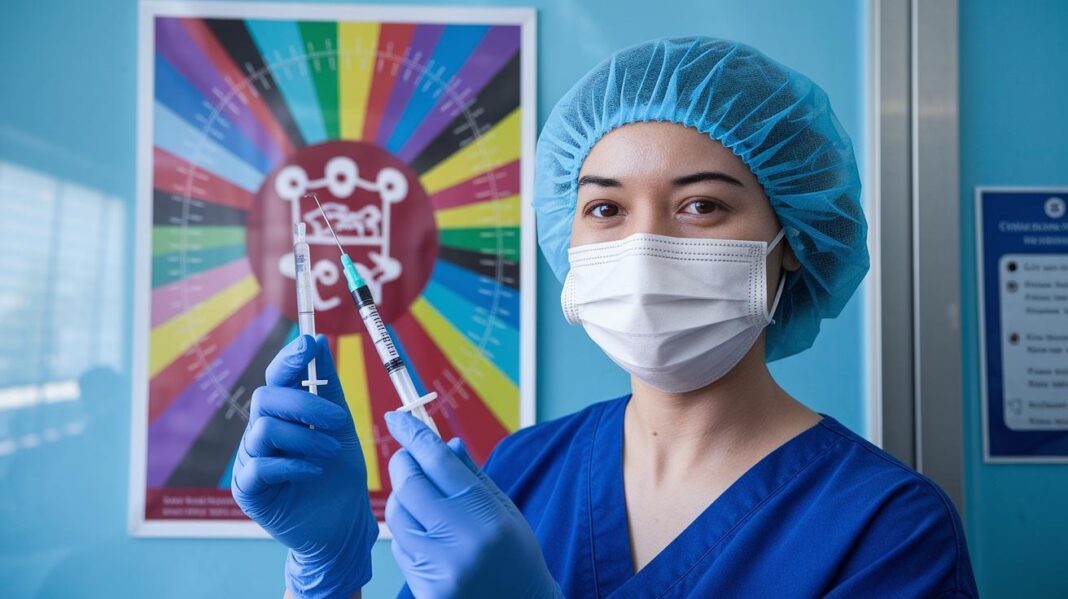
Have you ever thought that one cough could put everyone at risk? Measles spreads fast through tiny droplets in the air. One sick person can share the virus with many others before they even show symptoms. The good news is that the measles vaccine acts like a strong shield for both you and your community. In this post, you'll find simple tips to boost your health and help keep outbreaks at bay.
Comprehensive Overview of Measles Disease Prevention
Stopping measles starts with knowing how the rubeola virus spreads. It moves in tiny droplets from coughs and sneezes and can stick around in the air for up to 2 hours. Imagine this: one sick person near others can potentially pass the virus to more than 90% of them. Really, that shows just how fast it can spread.
Because measles is so contagious, people can begin sharing it four days before showing any rash and continue for four days after. This fast spread makes quick detection and keeping sick folks away from others very important. When lots of people are vaccinated, it creates a protective barrier that even helps those who can’t get the vaccine.
The best defense we have is the measles vaccine. Two doses of the vaccine work about 97% of the time, acting like a strong shield against the virus. Not only does this keep you safe, but it also helps stop large outbreaks in the community.
If someone is exposed to measles and it’s unclear whether they’re protected, there are steps that can be taken. Getting an MMR shot within 72 hours after being exposed can help. Alternatively, a dose of immunoglobulin may be given within 6 days, especially for those at higher risk or with weaker immune systems.
By understanding how measles spreads and following these prevention tips, we can protect ourselves and build a healthier community for everyone.
MMR Vaccination Schedule, Dosage and Age Guidelines for Rubeola Prevention

Kids should start their measles protection early. The first dose is best given when they are between 12 and 15 months old. This early shot helps the immune system learn how to fight off the virus. Then, a second dose comes in when they are 4 to 6 years old. Each dose is a small 0.5 mL injection, which can be delivered either in a muscle or just under the skin. Think of it like a little step that builds big protection for your child and the whole community.
There are a few vaccine choices out there. The M-M-R II vaccine has been trusted since 1978 and can be given either way, in the muscle or under the skin. On the other hand, PRIORIX arrived in 2022 and is only given as a skin injection; it’s also free from gelatin. For kids between 12 months and 12 years old, there’s an option called MMRV (ProQuad) that guards against measles, mumps, rubella, and chickenpox. Health experts at the CDC and WHO stress that keeping immunization levels at 95% or higher is key to stopping outbreaks.
Sometimes, teenagers and adults might start to lose a bit of their vaccine protection. Doctors should check your vaccination history and see if your immunity has dropped, then offer a booster shot if needed. Following a clear vaccination schedule like this helps prevent measles outbreaks, just as the ACIP recommends.
| Age Group | Vaccine Options | Route & Dosage |
|---|---|---|
| 12-15 months | M-M-R II, PRIORIX, MMRV (ProQuad) | 0.5 mL (IM or SC) |
| 4-6 years | M-M-R II, PRIORIX | 0.5 mL (IM or SC) |
| Adolescents/Adults | Booster (as needed) | Based on immunity assessment |
By following these steps, everyone gets the protection they need from measles. Keeping up with the vaccine schedule is a simple way to build a healthier community.
Measles disease prevention: Positive Health Boost
Getting two doses of the MMR vaccine can protect you really well. In fact, nearly 97 out of every 100 people who get both shots stay safe from measles. This strong protection comes from years of careful studies and real-world tests.
Most people might feel a little off after getting the shot, a slight fever, some soreness where the shot went in, or even a short-lived rash. These are common, much like you’d see with many other vaccines. Many healthcare workers suggest a dose of acetaminophen or using a cool compress to ease any discomfort. Usually, you’ll be asked to wait for about 15 minutes after your shot, just to make sure everything is okay.
Severe reactions are very rare, happening in about 1 out of every million doses. Ongoing safety checks have found no proof that the MMR vaccine leads to long-term problems. This is reassuring news for both parents and adults, showing that the benefits of vaccination far outweigh the small risks.
After you get your shot, a few simple steps help keep everyone safe:
These easy steps help everyone stay on track while we all work together to beat measles.
Hygiene, Isolation and Secondary Prevention Measures to Curb Measles Spread
Taking quick steps can really help stop measles in its tracks. If someone develops a rash, it’s best they keep their distance from others for four days. This simple isolation helps lower the chance of spreading the illness to family, friends, or neighbors.
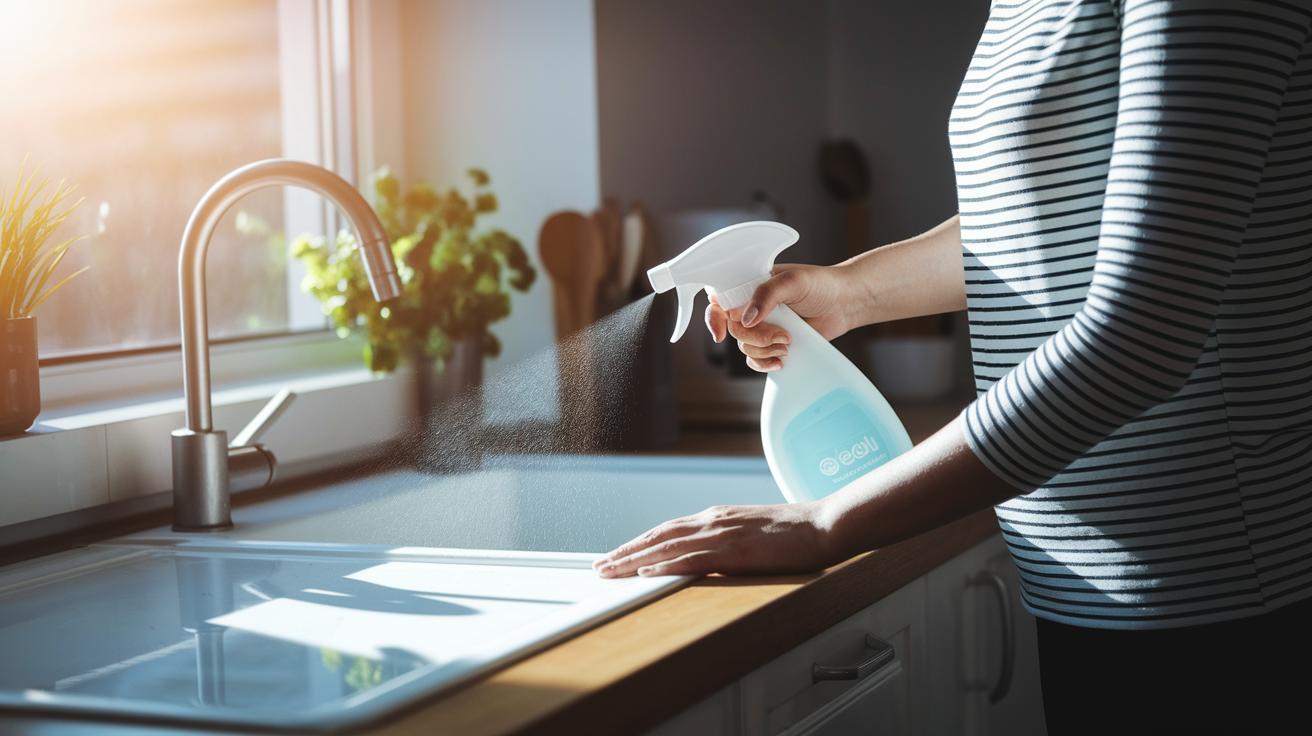
Everyday habits make a big difference. Regularly washing your hands with soap and water and wiping down surfaces helps clear away any sneaky germs. Using good habits like covering your mouth when you cough or sneeze also cuts down on the spread of droplets. Picture a parent cleaning a kitchen counter after a sneeze, small actions like this go a long way.
In healthcare settings, extra care is taken to protect everyone. People suspected of having measles should be treated in special rooms designed for airborne infections, and the staff should wear N95 masks to stay safe. If you’ve been near someone with measles and aren’t sure if you’re protected, getting an MMR vaccine within 72 hours or immunoglobulin within 6 days can really help reduce your risk.
- Keep anyone with a rash away from others.
- Wash your hands often and clean surfaces regularly.
- Follow special airborne precautions in medical settings.
Outbreak Response Strategies and Building Community Immunity Against Rubeola
Catching a measles (rubeola) outbreak early is super important. When health officials spot a case quickly, it’s like noticing an empty seat before a class fills up. Acting fast means we can stop the virus from spreading.
Experts say that tracking down everyone who has been near someone sick is key. When a new case pops up, health teams reach out to people who might have been exposed so they can get help quickly. One big plan is to set up large vaccination events where about 95% or more of the community gets vaccinated. This creates what we call herd immunity. In simple words, even if someone isn’t vaccinated, the disease has a hard time finding people to infect.
Officials also use tools like genotyping, which means checking the virus’s genetic code, to see how it’s moving through the community. Think of it as following clues to the virus’s trail. They use this info to shape vaccination plans. Health teams work hard to keep a good supply of vaccines available, often setting up free clinics so everyone can get a shot without delay.
It’s also important to watch for any odd reactions after getting vaccinated. Health workers use systems like VAERS, basically a way to report health issues, to learn from each case. Real-life examples show that full-blown outbreaks in schools or neighborhoods can be stopped in less than two weeks if everyone plays their part.
| Key Action | What It Means |
|---|---|
| Rapid case spotting and contact tracing | Quickly finding and following up on cases |
| High vaccination drives (≥95% coverage) | Vaccinating almost everyone to protect the group |
| Genotyping use | Analyzing the virus’s genetic code to track its movement |
| Coordinated vaccine supply & free clinics | Ensuring vaccines are easily available to all |
| Active monitoring of adverse events | Keeping an eye on side effects to learn and improve plans |
By following these steps, communities can stop measles in its tracks and build strong immunity for everyone.
Overcoming Vaccine Hesitancy and Promoting Immunization Uptake for Measles Prevention
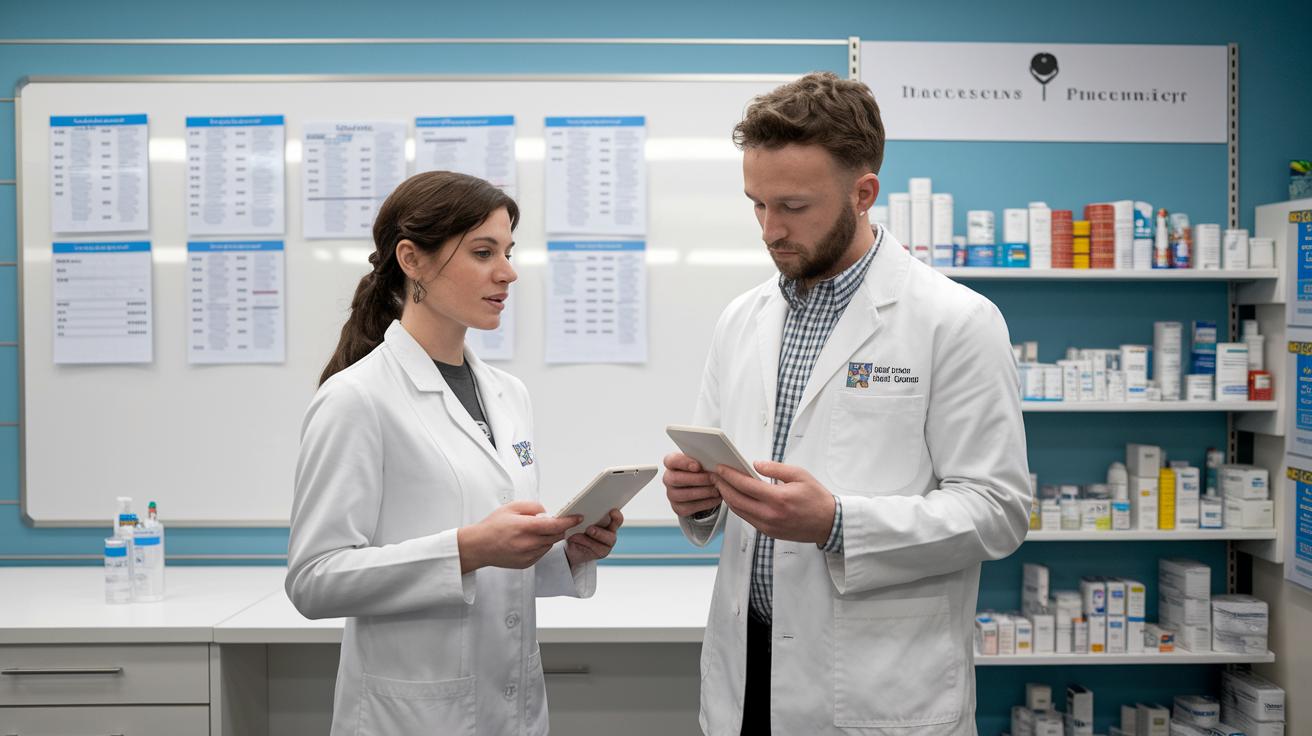
Many people worry about vaccines because of common misunderstandings, like fears about safety or incorrect ideas linking vaccines to autism. Pharmacists and clinicians work hard to clear up these doubts by sharing easy-to-understand, evidence-based information from trusted sources like the CDC. They might say, "Vaccines protect you, your family, and your community." This friendly, honest talk helps people feel more confident about getting vaccinated.
Community programs and local awareness campaigns are also key in building trust. Schools often require vaccinations before classes start, and local leaders such as faith figures and community organizers help spread accurate information in places people know and trust. Social media is another tool, sharing real-life stories like, "Meet Jamie: after her MMR shot, she felt safer knowing she was protecting those around her." These efforts work together to reach groups that might be hesitant about immunizations.
- Work with local community leaders to connect with people who are unsure about vaccines.
- Share clear, fact-based messages to debunk myths.
- Organize fun and engaging educational events that show how vaccines help everyone.
Final Words
In the action, this article broke down how measles disease prevention works, from understanding vaccine schedules and safety to applying practical hygiene and isolation methods. It also showed the value of outbreak response strategies and community efforts to counter vaccine hesitancy. Each section brought clear, real-life tips that help guide everyday health decisions and boost overall well-being. Keep applying these insights, and you’ll stay a step ahead in managing health with confidence and care.
FAQ
How can you prevent measles without a vaccine?
Preventing measles without a vaccine means staying away from infected people, practicing good hygiene, and quickly seeking postexposure prophylaxis if contact occurs. However, vaccination remains the most effective prevention method.
What virus causes measles and what is its name?
The rubeola virus is responsible for causing measles. It spreads via the air when an infected person coughs or sneezes, making it highly contagious in close-contact settings.
What are the common measles symptoms?
Measles typically presents with high fever, cough, runny nose, red eyes, and a rash that starts on the face and moves to the rest of the body, signaling the onset of the infection.
What is the usual treatment for measles?
Measles treatment focuses on relieving symptoms since there is no specific cure. Managing fever, staying hydrated, and resting help the body fight the infection until recovery.
How does the measles vaccine protect you?
The measles vaccine, given as the MMR shot, trains your immune system to recognize and fight the rubeola virus. Two doses provide around 97% protection, making it the best line of defense.
How is measles transmitted?
Measles is mainly transmitted through respiratory droplets when an infected person coughs or sneezes. Close contact increases the risk of catching the virus from the air.
How do I stay safe during a measles outbreak and do masks help?
Staying protected during an outbreak includes getting vaccinated and avoiding close contact with sick individuals. While masks may cut down on large droplets, they are not a full substitute against the airborne spread of measles.
What is the best protection against measles?
The best protection is to receive the two-dose measles vaccine series, which provides strong immunity. Vaccination is the most reliable way to prevent measles and curb its spread.

