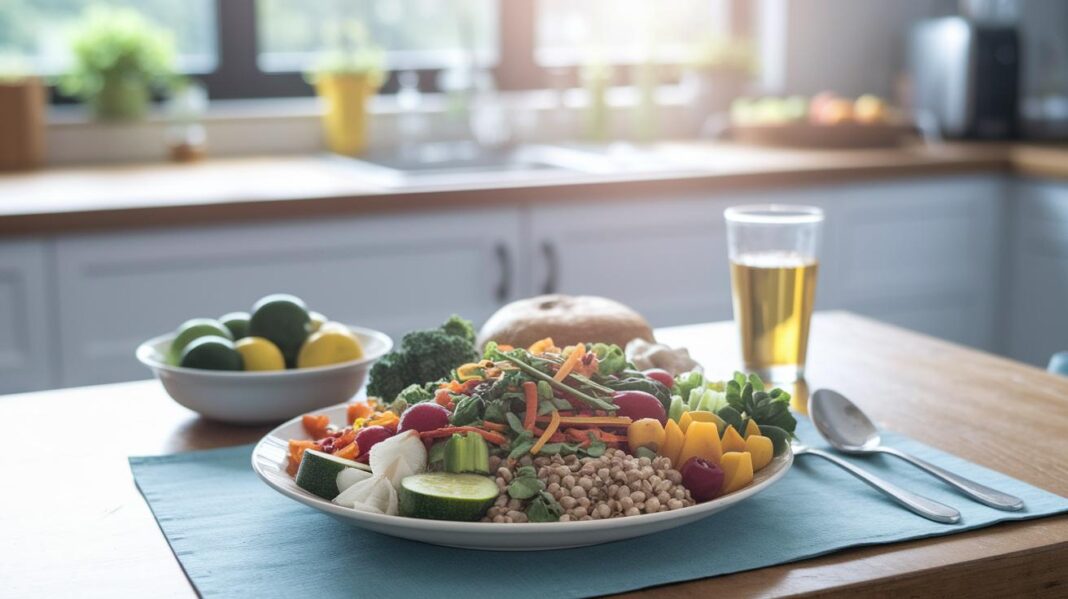
Have you ever wondered if a vegan diet might leave you feeling low on energy? A balanced vegan diet filled with a mix of colorful plant foods does more than just make your plate look pretty, it gives your body the fuel it needs and lifts your mood. Foods like plant proteins, whole grains, fruits, and vegetables work together to help build muscle, boost energy, and keep your body running smoothly. In this article, we'll show you how pairing these foods can help you feel great now and support a healthy lifestyle every day.
Core Nutritional Essentials for a Balanced Diet for Vegans
Vegans enjoy a colorful mix of plant foods that provide all the nutrients they need. Instead of eating meat, fish, eggs, dairy, honey, and similar animal products, they focus on whole grains, fruits, vegetables, beans, pulses, nuts, seeds, and calcium-set tofu. Fortified plant milks also lend an extra nutritional boost.
Your main plant foods form the heart of a healthy vegan meal plan. For example, many guides suggest having at least five servings of fruits and vegetables each day to help you get enough vitamins and minerals. Whole grains like brown rice, oats, and quinoa give you steady energy. And plant proteins found in beans, lentils, peas, and nuts help build strong muscles and support healthy blood cells. Foods like pulses, seeds, and tofu bring beneficial minerals that keep your metabolism humming. Mixing a variety of bright, healthy foods with each meal is a great way to keep things balanced.
This easy-to-follow plant-based approach works well for all ages when meals are well planned. A balanced diet like this keeps your energy up, supports your body's many functions, and helps you feel your best. Best of all, you can adjust the plan to suit your own tastes while still getting the important vitamins, minerals, and proteins your body needs to thrive.
Macronutrient Balance in Vegan Diets: Protein, Carbs & Healthy Fats
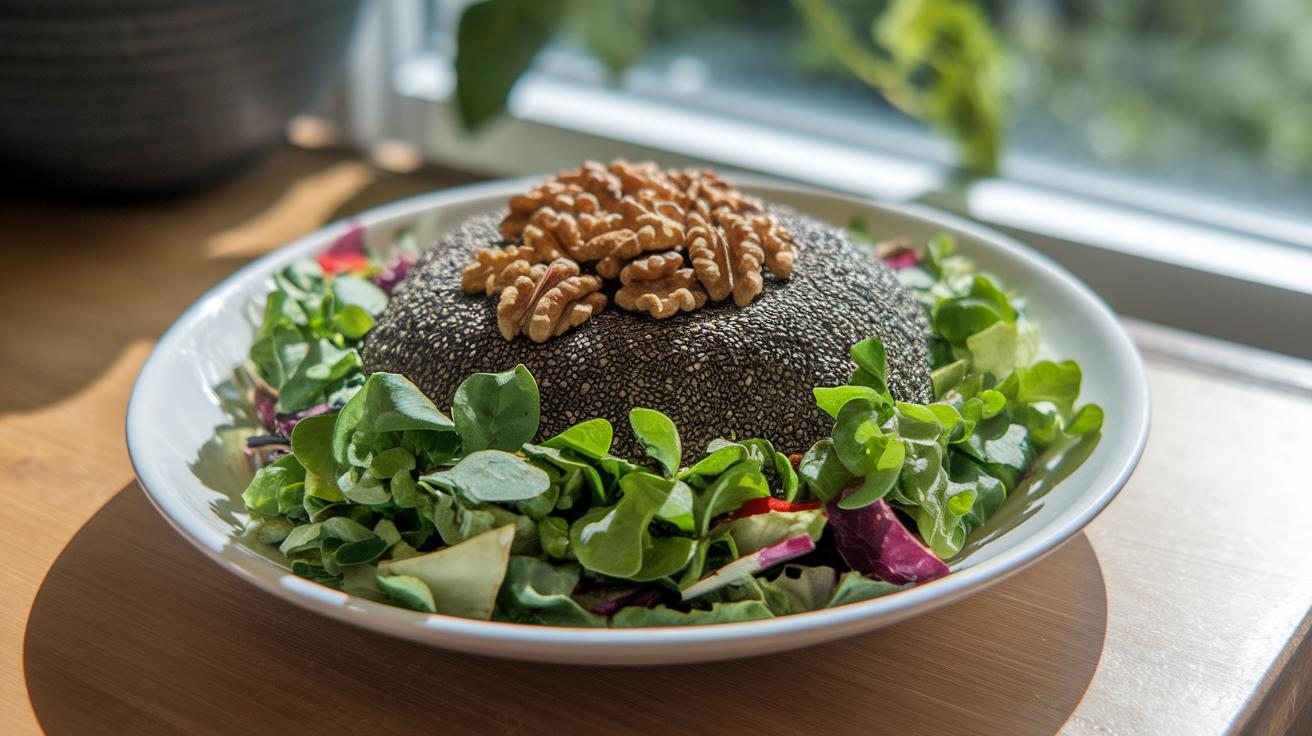
Finding a good balance of macronutrients is essential when you follow a vegan diet. Instead of animal protein, you get your strength from plant proteins found in beans, peas, lentils, nuts, and seeds. Whole grains like brown rice, oats, and quinoa give you steady energy, while healthy fats from chia, hemp, flaxseeds, walnuts, and rapeseed oil (packed with ALA omega-3, which supports your brain and cell health) keep your body running smoothly.
It’s amazing how a simple change, like adding walnuts to your salad, can feel like a little burst of self-care, much like that refreshing sip of water on a warm day. Every person’s needs differ, with factors like gender, age, size, and activity levels playing a role. So, learning the balance that fits you best is a great step toward a healthier day.
| Macronutrient | % of Calories | Key Vegan Sources |
|---|---|---|
| Protein | 15-20% | Beans, peas, lentils, nuts, seeds |
| Carbohydrates | 45-65% | Whole grains, fruits, vegetables |
| Fats | 20-35% | Chia, hemp, flaxseeds, walnuts, rapeseed oil |
Critical Micronutrients for Vegans: B12, Iron, Calcium & Omega-3
Vegans often need to pay extra attention to some key nutrients since many convenient sources come from animal products. Focusing on these micronutrients helps you feel energetic and keeps your body running smoothly. It’s all about small, daily habits that let your body soak up the good stuff.
For example, Vitamin B12 is essential for keeping your nerves and red blood cells in good shape. Aim for about 10 µg each day by choosing fortified cereals or soya products. Without animal foods, a supplement or fortified option is really important.
Iron from plants doesn’t get absorbed as well as the kind from animal products. That means you should aim for roughly twice the usual amount. Enjoy iron-packed foods like spinach, lentils, and beans. Pair them with something rich in vitamin C, like citrus fruits, to help your body get the most out of it.
Calcium is another must-have to support your bones and muscles. You can boost your calcium levels with fortified plant milks or calcium-set tofu. Even little snacks rich in calcium help maintain steady levels throughout the day.
Don’t forget about Omega-3s, especially the ALA type found in chia, flax, and hemp seeds. Adding a sprinkle of these seeds to your meals can support both heart and brain health, making them a great option when you can’t rely on fish oils.
Staying focused on these four micronutrients can really smooth out your switch to a balanced vegan diet. By choosing fortified sources for B12, pairing iron with vitamin C for better absorption, relying on dairy-free calcium, and regularly adding omega-3 seeds, you’re laying down a solid nutritional foundation. This smart approach lets you enjoy the perks of plant-based eating while keeping your body’s essential needs in check.
balanced diet for vegans: Feel great now
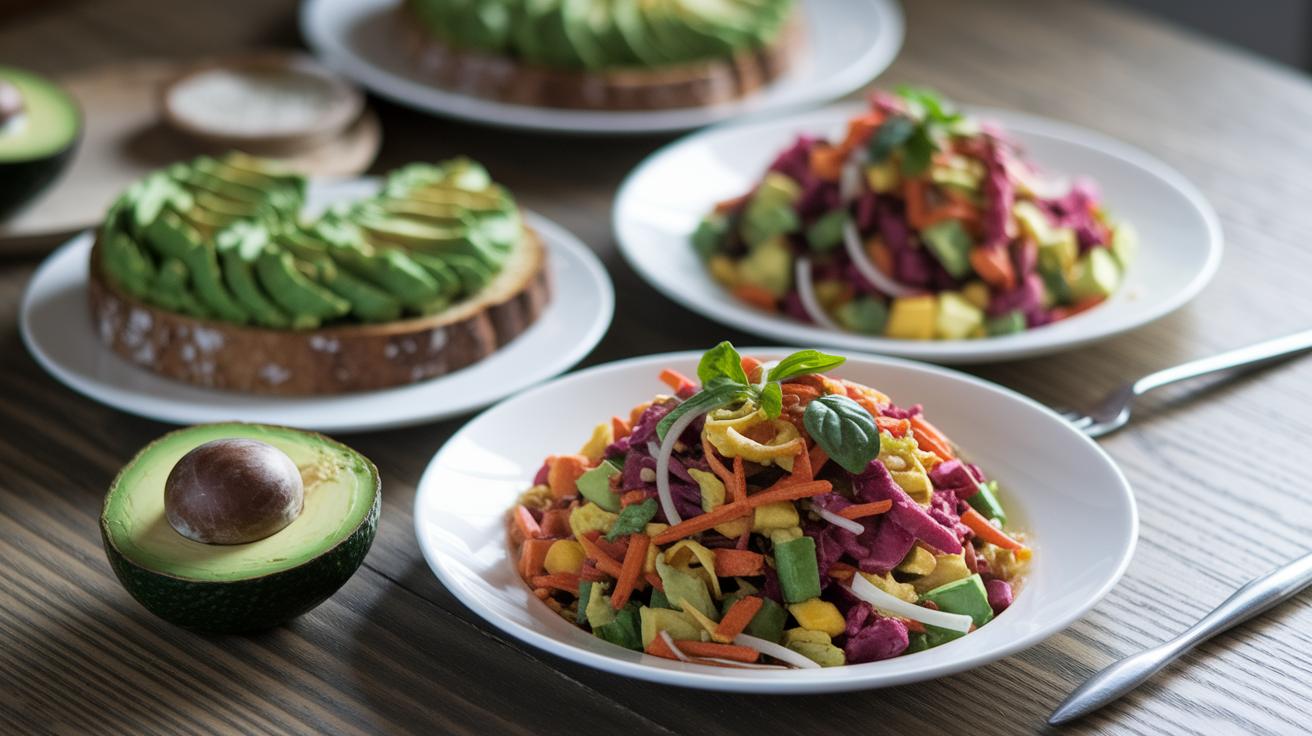
Picture a week of colorful, tasty meals that give you a mix of proteins, whole grains, and good fats. This plan leans on whole plant foods, so you get a boost of antioxidants along with energizing smoothies and recipes packed with superfoods (check out this link for what a superfood is). By choosing fresh produce like asparagus, bell peppers, broccoli, kale, spinach, and tomatoes, you fill your meals with natural colors and nutrients. And by adding nutrient-rich options from fresh or frozen vegetables like Brussels sprouts or butternut squash, you keep every meal exciting and healthy.
Kick off your day with a blend of breakfast and lunch treats that really set the tone for a great day. For breakfast, try some tempeh bacon with lightly sautéed mushrooms, a savory, protein-packed option. Or enjoy a bowl of coconut yogurt topped with berries for a sweet start and a probiotic boost. At lunch, a hearty sweet potato toast slathered with peanut butter can hit the spot, or you might savor an eggless quiche made with silken tofu, broccoli, tomatoes, and spinach. Each bite offers essential micronutrients in a simple, delicious plant-based way.
When dinner rolls around, think of stir-fries full of beans, lentils, chickpeas, and tofu to power you up while balancing your energy. Toss in loads of veggies like kale and bell peppers, and finish it off with a drizzle of two tablespoons of cold-pressed oil or a sprinkle of one tablespoon ground flaxseed to add healthy fats that keep your brain and body energized. And if hunger hits between meals, reach for dried fruits, unsalted nuts, or even a small square of dark chocolate for a quick pick-me-up. This all-day meal plan shows how eating wholesome, plant-based foods can help you feel great right now.
Seasonal & Budget-Conscious Vegan Grocery Planning
When you plan your vegan grocery trips around what's in season, you not only save money but also get the best nutrients on your plate. Fresh fruits and veggies bring their best flavors when they're in season, think juicy berries and crisp leafy greens in the spring, ripe tomatoes and sweet corn during summer, hearty squash and crisp apples come fall, and zesty citrus in winter.
It’s a smart idea to buy budget-friendly staples like dried beans, lentils, oats, and rice in bulk, too. This way, you reduce store trips and you’re less likely to overspend. Also, shopping at local markets helps you cut down on packaging waste while supporting your community.
Next, make a weekly shopping list focused on seasonal and affordable items. Look for deals at nearby markets and give local produce a try. And if you need more tips on keeping your spending in check, check out the healthy eating on a budget link at https://healthlystats.com?p=303.
By planning meals around local, in-season ingredients, you can enjoy each grocery trip while looking after your wallet and the planet.
Practical Tips & Common Misconceptions in Vegan Balanced Nutrition
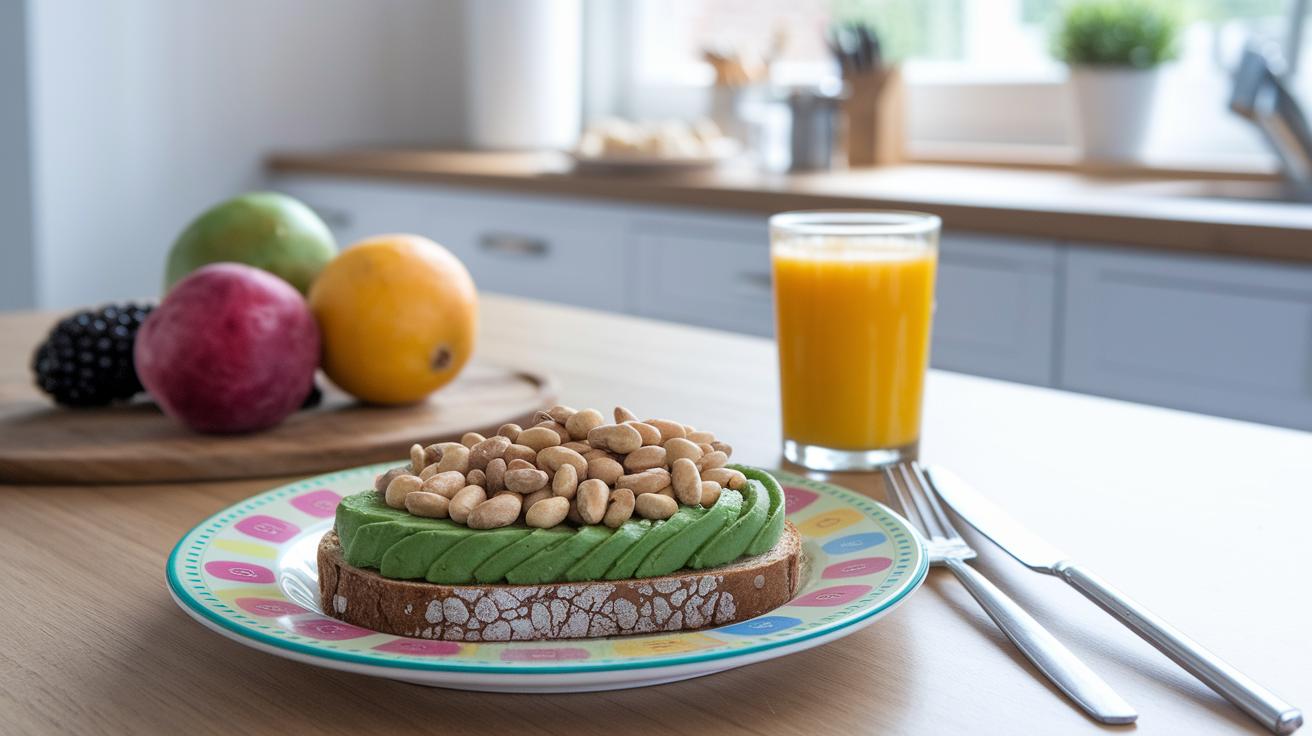
Many people worry that a vegan diet might not provide enough protein. In truth, foods like beans, lentils, nuts, and seeds pack plenty of protein along with other nutrients. This misconception often makes folks hesitant, even though a thoughtful vegan plan naturally helps manage weight, supports a healthy heart, and keeps blood sugar levels steady.
A solid breakfast sets you up for a smart eating day. Try starting with something satisfying, then add a mid-morning or mid-afternoon snack, unsalted nuts or a piece of fresh fruit works great to keep your energy steady. Drinking enough water is important too because it helps move nutrients through your body and keeps digestion running smoothly. And if you’re looking for that extra boost, consider algae-based omega-3 options like spirulina, which can be a fun way to add variety to your routine.
By clearing up common myths and making small shifts in when and what you eat, you can enjoy a balanced, plant-based lifestyle that feels both natural and sustainable.
Final Words
in the action, this article guided you through plant-based nutrition essentials. It covered macronutrient tips, core micronutrient needs, and practical meal planning while busting common myths. The advice helped break down whole food recipes and smart grocery ideas, making healthy living feel doable every day. With energy-boosting tips and clear data insights, it's easy to see how following a balanced diet for vegans can boost daily vitality and overall well-being. Enjoy these insights and keep feeling great!
FAQ
What are balanced vegan recipes, food lists, and meal plans?
How do vegans have a balanced diet?
What are the 5 most important rules of a vegan diet?
What should vegans eat every day?
What are the long-term effects of a vegan diet?

