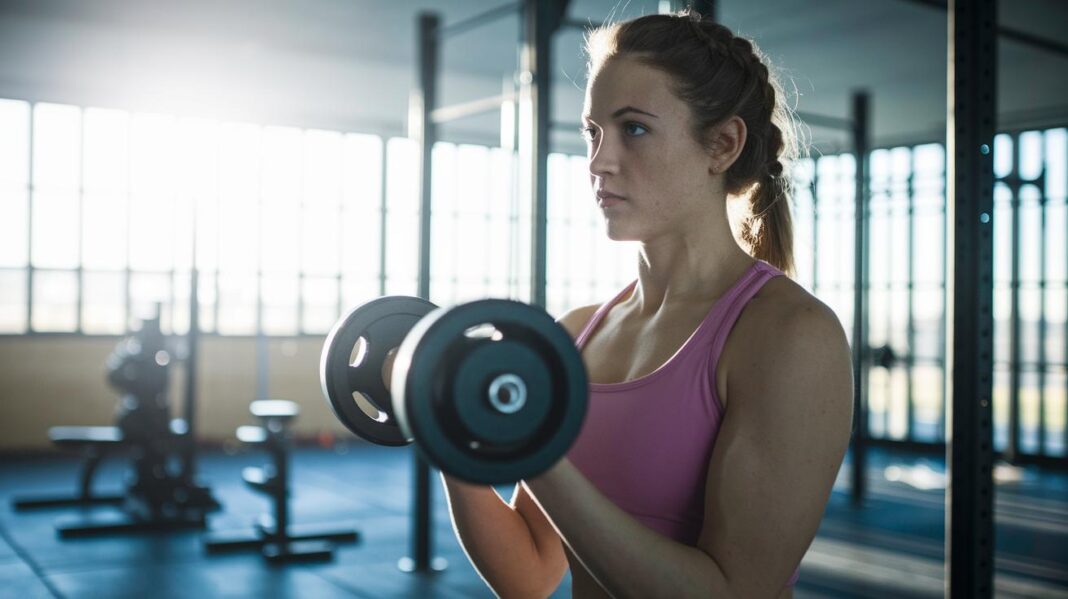
Have you ever wondered if weight lifting is right for you? It might seem a bit scary at first, but adding strength exercises is a smart way to boost your confidence and overall health.
Starting with simple moves like squats and gentle push-ups can change your routine at home. These exercises help burn calories, build lean muscles, and even make your bones stronger.
Imagine how a few easy exercises could make everyday tasks feel much less tiring. Ready to see how some basic moves can lift your mood and your strength?
Core Benefits of Strength Training for Women
Strength training uses weights, resistance bands, machines, or even your own body weight to help you build muscle and endurance. When you do moves that work several parts at once, like your legs, arms, and core, you get a full-body boost. Before stepping into the gym, many women find that even a few modified push-ups can spark their strength. It just goes to show how simple exercises can lead to great results.
These compound movements burn extra calories and help build lean muscle. They even wake up your bone-forming cells, which is great for keeping your bones strong, a big plus as bones naturally get weaker over time. This extra strength can be a strong ally against conditions like osteoporosis.
No matter where you are in life, strength training has benefits that fit your needs. For example, if you're getting ready for pregnancy, these exercises can boost energy levels and might even lower the chance of needing surgery during delivery. As you move through perimenopause or menopause, keeping up with resistance workouts helps you hold onto muscle mass, which keeps your metabolism steady and can prevent unwanted weight changes. Plus, feeling stronger can lift your confidence and overall well-being.
The best part is, you don’t always need a gym membership for effective strength training. Many exercises like squats, lunges, and simple bodyweight moves can be done at home with little to no equipment. Start with these basics and, when you're ready, add free weights or resistance bands to challenge yourself more. With regular practice, you'll notice a stronger body, a faster metabolism, and more energy for everyday life.
Beginner-Friendly Strength Training for Women
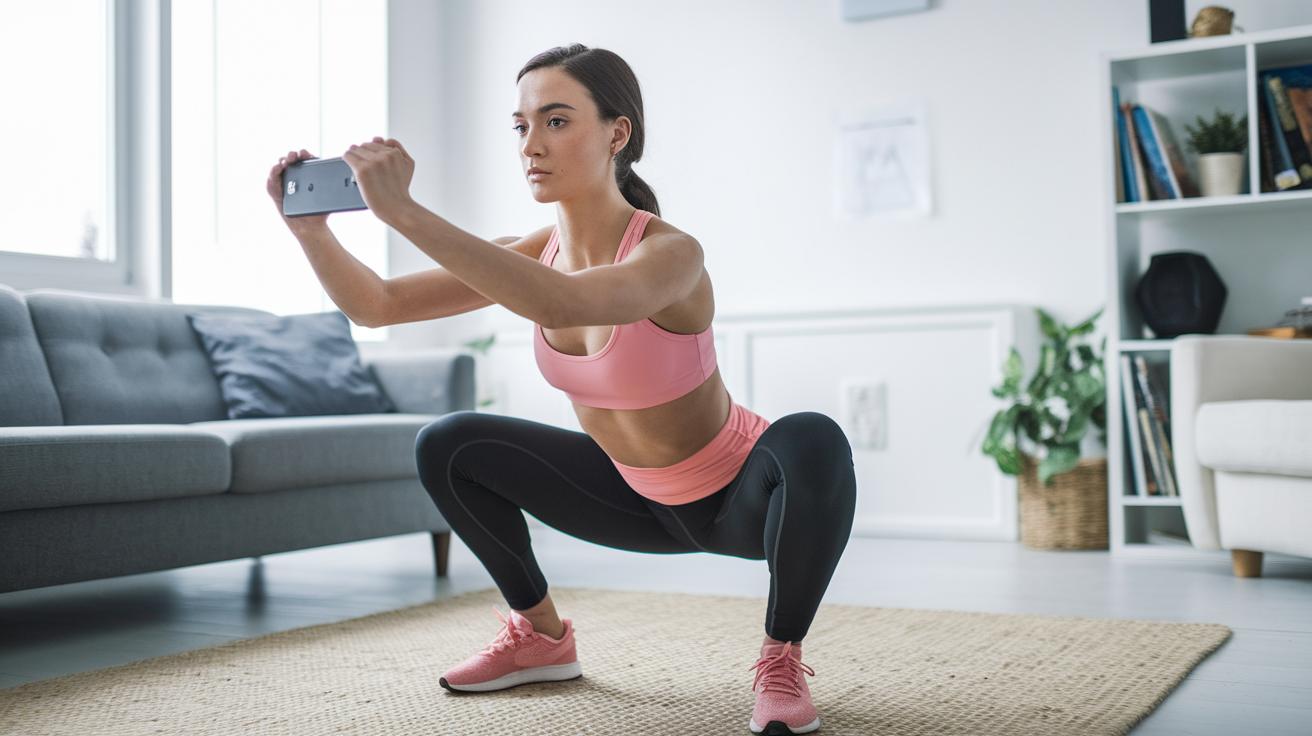
When you're just starting out, using your bodyweight is a great way to build confidence and learn proper technique. Exercises like squats, push-ups, lunges, glute bridges, and planks help you get used to the movements without needing extra weight. When doing air squats, keep your chest up and let your knees follow your toes. Picture it like sitting down on an invisible chair that supports your back.
It’s really important to get your stance, grip, and movements right. Begin with simple moves like sit-ups and air squats to boost your coordination and balance. Think of your push-ups: place your hands firmly on the ground and lower yourself slowly, like you’re handling something fragile. This careful, slow approach builds a safe and effective routine.
After two to four weeks of steady practice, try adding light dumbbells or low-resistance bands. This step-by-step increase helps your muscles adjust while you keep moving with confidence. Building strength gradually means you can master each exercise and lower the risk of injury.
Here are five basic exercises to focus on:
- Squats: Work your legs and lower body with a steady rhythm.
- Push-ups: Strengthen your upper body by moving slowly and with control.
- Lunges: Alternate your steps to boost balance and leg strength.
- Glute Bridges: Squeeze and lift to activate your glutes and support your lower back.
- Planks: Hold a steady position to build a strong core.
You can also find many free weekly plans to help you start your strength training journey. If you need more help, beginner resources offer extra tips on proper form and progression. This friendly approach lets you build muscle safely, boost your confidence, and make every move a step toward a stronger, healthier you.
Effective Dumbbell Workouts for Lean Muscle Development
Get ready to feel strong with this quick 30-minute dumbbell workout. It’s designed to build lean muscle, burn fat, and boost your metabolism. With each move, you’re working more than one muscle group at a time, so your whole body gets a workout. For example, doing a Front Squat paired with an Overhead Shoulder Press will make your legs work hard while also giving your shoulders a boost.
Not only will these exercises tone your muscles, but they’ll also help you feel more confident and strong. Think about how stable balance beats shaky movements, every rep adds a little more strength that you can see and feel in daily life.
Take a look at the table below; it shows each exercise, the muscles it works, and our suggestion for reps and sets. Remember to move at a steady pace and keep your core engaged with every step.
| Exercise | Target Muscles | Reps/Sets |
|---|---|---|
| Front Squat & Overhead Shoulder Press | Quads, Glutes, Shoulders | 12 reps / 3 sets |
| Alternating Reverse Lunge & Bicep Curl | Hamstrings, Biceps, Glutes | 10 reps each leg / 3 sets |
| Deadlift & Upright Row | Hamstrings, Back, Shoulders | 10 reps / 3 sets |
| Lateral Lunge & Single-Arm Back Row | Thighs, Back, Core | 10 reps each side / 3 sets |
| Push-Up & Side Plank Hold | Chest, Core, Shoulders | 8 reps / 3 sets |
| Glute Bridge & Tricep Extension | Glutes, Triceps, Core | 12 reps / 3 sets |
| Glute Bridge Hold & Chest Press | Chest, Glutes, Core | 30 sec hold & 10 reps / 3 sets |
Doing these paired exercises saves time and helps burn more calories, making this routine a great fit for busy schedules. Stick to your own pace, focus on quality over speed, and feel your strength grow with every rep.
At-Home Resistance Training Strategies for Women
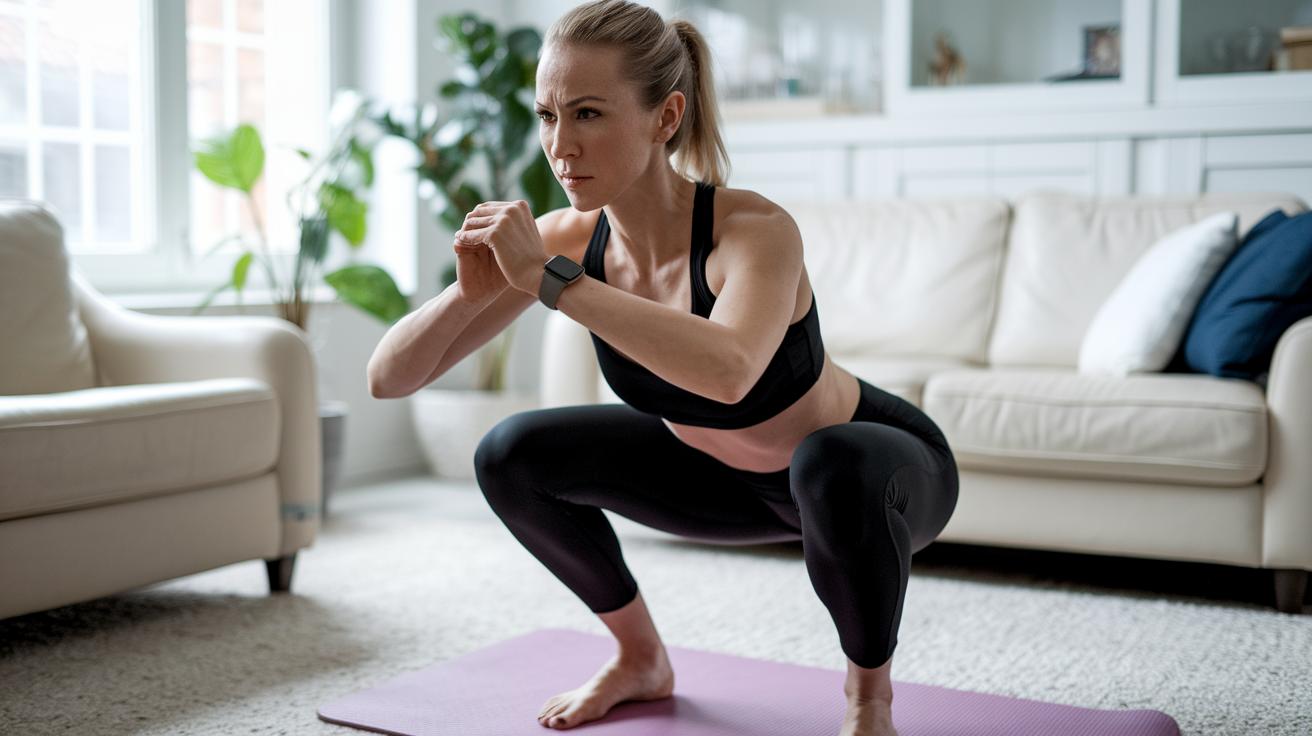
You don’t need a gym to build strength. Your home can be turned into a mini workout space with just a few tools or even using your body weight. Imagine using dumbbells, resistance bands, or even no equipment at all to build lean muscle and burn calories. Start off with simple moves like squats and lunges, and as you get more comfortable, try adding a bit of extra resistance. Think of bodyweight squats as sitting down onto an invisible chair, simple and effective.
Programs like Zero 30 work entirely with your body weight, which is great if you don’t have any special gear. On the other hand, MetCon 100 is more challenging with different movements that boost your endurance. These routines are designed to match your fitness needs so you can choose one that works best for you.
You can even pick workouts based on what equipment you have, the time you have available, or your current level of fitness. There are options for beginners, as well as routines tailored for women during pregnancy or after giving birth. When you select a program that fits your situation, you’re more likely to stick with it and see real progress.
Try setting up a plan that works around your schedule, like signing up for weekly emailed workout guides. These guides outline what equipment you'll need and how long each session lasts. This method not only keeps your training organized but also builds your confidence as you notice your strength growing at home.
Progressing Your Strength Training: Overload Strategies for Women
Progressive overload is really just a fancy way of saying you gradually make your workouts tougher. This could mean using a slightly heavier dumbbell, maybe just 2.5 lbs more, doing extra reps, or adding another set. Even cutting back on your break time between sets shakes things up for your muscles.
Another neat trick is to change how fast or slow you move. For instance, try lowering the weight slowly for about three seconds and then lifting it quickly. This approach helps your muscles work harder and improves your control over each movement. It’s also useful to check in with yourself using a simple scale of effort, asking, “Am I really pushing hard enough without overdoing it?”
Planning your workouts in cycles of 4 to 6 weeks can really keep your routine exciting and safe. When you switch up the weights, reps, and breaks, every session feels like a fresh challenge. This kind of steady change not only boosts your confidence but also helps you get the most out of each workout.
Safe Lifting Form and Injury Prevention in Women’s Strength Training
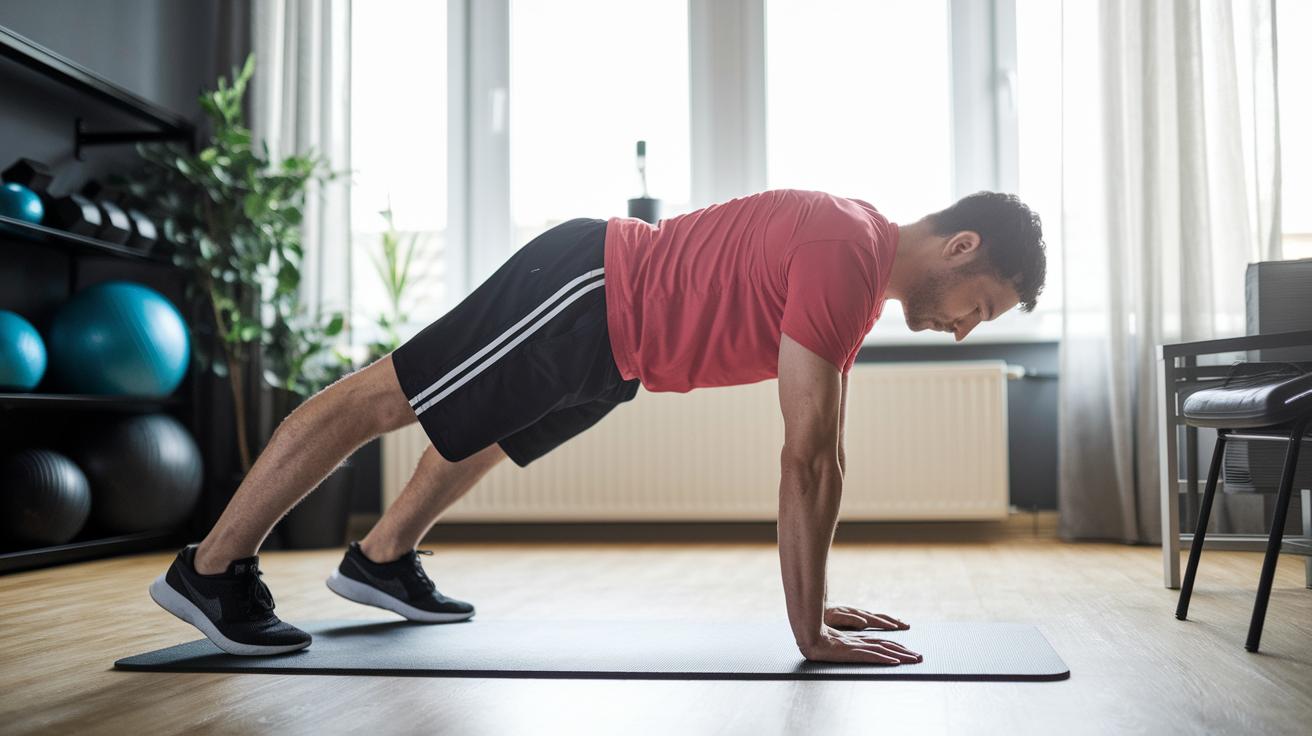
When you work out with weights, it all starts with nailing your form. Keep your back straight, tighten your core, and move slowly through each exercise so you can use the full range of motion. Doing this not only helps protect your joints but also lowers your chance of getting hurt. Think about how you feel during a glute bridge, squeeze those butt muscles as if you’re gently lifting your hips to create a firm foundation.
Before you even start lifting heavy, warm up your muscles with moves like glute bridges or taking small side steps with a band. These exercises wake up your muscles and make your joints more stable for the workout ahead. A quick tip? Use a mirror or record yourself on your phone. It’s a simple way to see if your form is right, much like snapping a picture to check your posture.
Here are a few easy safety tips:
| Tip | How It Helps |
|---|---|
| Start with lighter weights | Keeps your body safe while you build strength |
| Control every movement | Helps you use the right muscles and avoid injury |
| Do exercises for joint stability | Boosts your balance along the way |
| Rest 48 hours between big muscle workouts | Gives your muscles time to recover |
| Finish with cool-down stretches | Helps your muscles relax after a hard session |
Following these simple steps can lower your risk of injury and help you feel more confident with every lift.
Final Words
in the action, we saw how resistance workouts use weights, bands, or body weight to build muscle and improve bone strength across different life stages. The article broke down beginner-friendly steps like mastering bodyweight movements before advancing to dumbbells. It also showed at-home strategies that fit any routine and explained how gradual overload and proper form keep you safe and boost progress. Embrace strength training for women to keep powering your well-being with smart, actionable training tips that make each day a chance for improvement.
FAQ
Q: What type of strength training is best for women?
A: The best strength training for women mixes bodyweight, resistance, and compound movements. These exercises build lean muscle, boost metabolism, and support bone health across all life stages.
Q: How many days a week should a woman strength train?
A: Strength training about 2 to 4 non-consecutive days each week lets each major muscle group recover while promoting steady strength gains and overall well-being.
Q: What is the 3-3-3 rule in the gym?
A: The 3-3-3 rule means doing three sets of three repetitions for an exercise. This guideline helps beginners focus on proper form and gradually build strength.
Q: What is the 6 12 25 method for women?
A: The 6 12 25 method typically involves doing six reps with a 12-pound weight over a 25-minute period, serving as a simple structure to improve endurance and strength.
Q: Where can I find free strength training resources for women?
A: Free resources like books and PDFs offer structured programs with step-by-step workout plans. They make it easier for women to start and maintain effective strength training routines.
Q: How can I start strength training at home?
A: Starting at home is easy with bodyweight exercises, resistance bands, or dumbbells. These workouts build muscle, boost metabolism, and support health without needing a gym membership.
Q: What strength training options work best for women over 50?
A: For women over 50, gentle strength routines using controlled movements and lighter weights improve muscle tone, boost bone density, and promote joint stability for lasting health.

