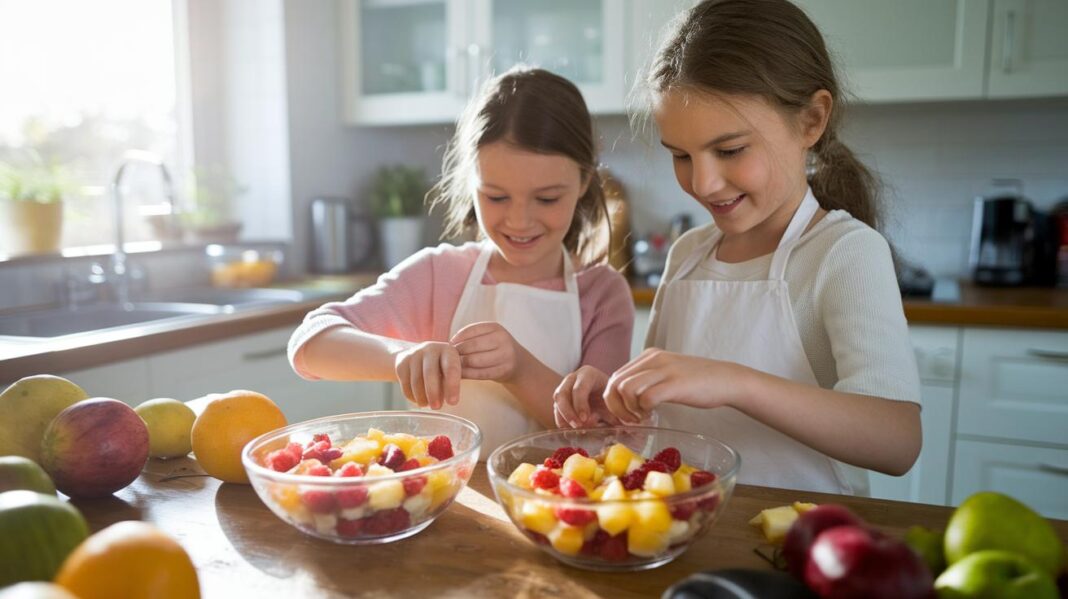
Have you ever thought that the food we give our kids might change how they see eating? When kids are little, fun eating habits begin, and a healthy meal plan helps build a bright future. Just like picking the right players for a team, mixing fruits, veggies, whole grains, and proteins gives children the energy they need as they grow and explore. In this post, you'll see how easy, tasty meals can spark joyful habits and lead to a healthier tomorrow for our little ones.
Achieving Balanced Nutrition in Childhood
Childhood is when lasting eating habits begin. A mix of fruits, vegetables, whole grains, lean proteins, and dairy gives kids the fuel they need for growing bodies and busy brains. This simple, balanced approach is like giving a team the right players , each food helps build muscles, boosts the immune system, and even supports sharper thinking by powering the brain's natural messengers.
Think of balanced meals as little power-packed packages. For example, fruits and veggies do more than just fill a plate; they help the brain work better, making it easier for kids to learn and solve problems every day. Kid-sized portions make sure their tummies aren’t overwhelmed, setting them up with healthy routines that stick.
Every meal offers a chance to encourage steady growth while keeping energy up for school and play. When kids enjoy a variety of food groups, they stay lively and focused, and they’re less likely to crave empty calorie snacks. In truth, simple and varied meals can turn eating into a fun adventure where trying something new is part of the recipe for good health.
So, each time a young one sits down to eat, it’s not just a meal, it’s a step toward a healthier, happier future.
Stage-by-Stage Dietary Guidelines for Childhood Nutrition

National guidelines break childhood into age groups, with each group needing different amounts of vegetables, fruits, grains, protein, and dairy to support their growth. Kids have small tummies, so it’s important to serve portions that are just right for their size.
Regular meal and snack times help ensure that little ones get the nutrients they need throughout the day. For example, a parent once said, "Try this tip for snack time, serve a small bowl of apple slices with a few whole-grain crackers for a perfect balance of energy and flavor!" This simple idea encourages healthy habits while keeping snacks fun and balanced.
| Age Group | Portion Guidelines | Key Nutrient Targets |
|---|---|---|
| 0–2 | Frequent, small servings; mainly milk or formula with a gentle introduction of fruits, vegetables, and soft grains | Calcium, vitamin D, iron |
| 2–5 | Child-sized portions; about 1/4 to 1/2 cup servings of fruits and vegetables at each meal | Fiber, vitamin C, lean protein |
| 6–8 | Moderate servings; roughly 1/2 to 1 cup of most food groups; a variety of textures encourages eating adventure | Iron, B vitamins, whole grains |
| 9–12 | Larger portions; about 1 cup servings to meet growing energy needs and active lifestyles | Protein, calcium, vitamin A |
Following these simple guidelines helps caregivers choose age-appropriate foods that promote steady physical growth and brain development. With balanced portions and regular meal routines, kids can enjoy a healthy, happy start to a lifetime of good eating habits.
Creative Meal Ideas and Nutrient-Packed Recipes for Childhood Eating
Colorful meals can make every bite feel like a fun adventure. Research shows that plates filled with berries, leafy greens, lean proteins, and whole grains not only pack in more nutrients but also make mealtimes more exciting. And when kids help put together their own meals, they feel proud and are more likely to try something new. Imagine a child carefully arranging whole-grain pancake faces with fruits that form big, happy smiles, it's food that's both playful and healthy.
Here are seven snack and meal ideas that are sure to please little taste buds while giving them important vitamins and minerals:
- Whole-grain pancake faces: Pancakes made with whole grains and decorated with slices of fruit to create cheerful expressions.
- Hidden-veggie meatballs: Meatballs that mix in grated carrots or zucchini, sneaking in extra greens without anyone noticing.
- Berry smoothie bowl: A bright mix of berries and spinach topped with a little granola for some fun crunch.
- Veggie-loaded mini quiches: Small egg bites filled with spinach, bell peppers, and a bit of cheese.
- Rainbow fruit kebabs: Colorful fruit skewers that help kids explore different flavors and textures.
- Cheesy spinach muffins: Savory muffins made with whole grains, a dash of cheese, and lots of spinach for extra power.
- Mini whole-grain wraps: Soft tortillas filled with lean turkey, avocado, and crisp veggies to make lunchtime enjoyable.
Getting kids involved in meal prep can turn these ideas into long-lasting, healthy eating habits.
Strategies to Foster Wholesome Eating Habits Early in Childhood
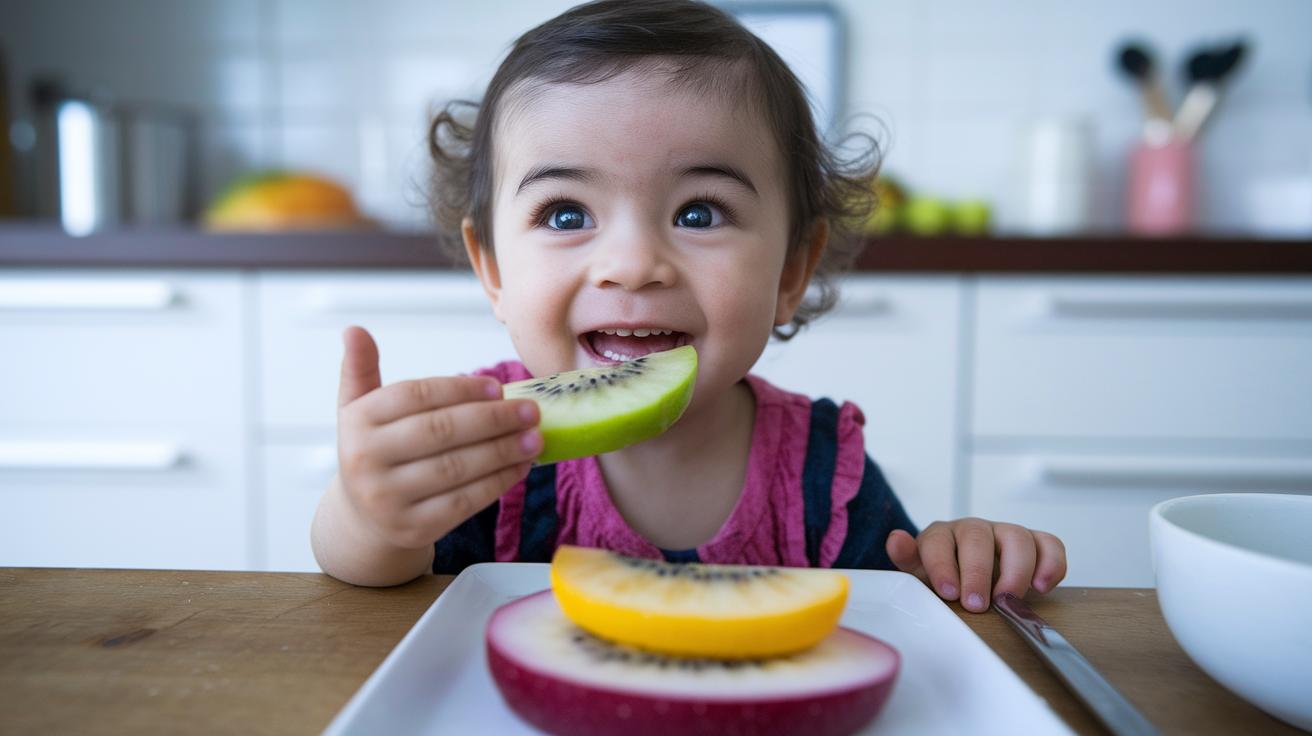
When we use positive feeding habits in early childhood, kids often develop a love for good food that helps them grow strong and happy. Recent studies show that fun, hands-on food lessons let children explore new tastes and textures in a stress-free way. So, when parents and caregivers make mealtimes calm and inviting, eating together without rush, kids naturally pick up healthy habits.
A great idea is doing taste tests. You can plan a little tasting session where your child tries a new fruit or veggie along with something they already enjoy. For example, you might say, "How about trying this juicy pear with a bit of cinnamon and telling me what you think?" It’s a playful way to spark curiosity without any pressure.
Another fun method is to turn nutrition into a game. Try a grocery-store scavenger hunt or sit down together to read food labels. This lets kids notice bright colors, count items, and talk about their choices while learning about the different food groups.
Finally, keeping a regular mealtime routine encourages kids to try new foods in small, comfortable bites. By treating mealtimes as a fun chance to explore different tastes and textures, you help build good habits over time. This relaxed, playful approach makes healthy eating feel like part of everyday life, a habit that can last a lifetime.
Overcoming Picky Eating and Mealtime Resistance in Childhood
Kids often push back when they try new foods, but if you offer them gently and often, they can learn to enjoy the new tastes. A simple trick is to turn mealtime into a fun adventure, like a one-bite challenge. This game makes even strange foods seem less scary.
Here are five simple ideas:
- One-bite challenges – Say, "Try just one tiny bite of this new veggie and tell me what you think." It turns trying something new into a playful game.
- Veggie dips – Serve a small piece of a new vegetable with a favorite dip to mix textures and ease them into the flavor.
- Whole-grain mix-ins – Add a bit of whole-grain cereal to foods they already love for a gentle nudge towards healthier choices.
- Low-pressure exposure – Offer a little of a new food alongside familiar favorites, so the child can get used to the taste at their own pace.
- Encourage self-regulation – Let kids decide when they're full instead of pushing for a clean plate. This helps them learn to listen to their own hunger cues.
This relaxed approach, without strict rules about finishing every bite, makes mealtimes a shared and enjoyable experience. By slowly introducing new flavors, families can create a diverse menu that keeps everyone happy and stress-free at the table.
Family Meal Planning and Parental Involvement in Childhood Nutrition
Family meals are more than just eating together, they create everyday habits that help kids learn to eat well. When everyone gathers at the table, little actions like using a fork correctly or saying please and thank you add up. It shows kids that healthy eating is about enjoying food and good company.
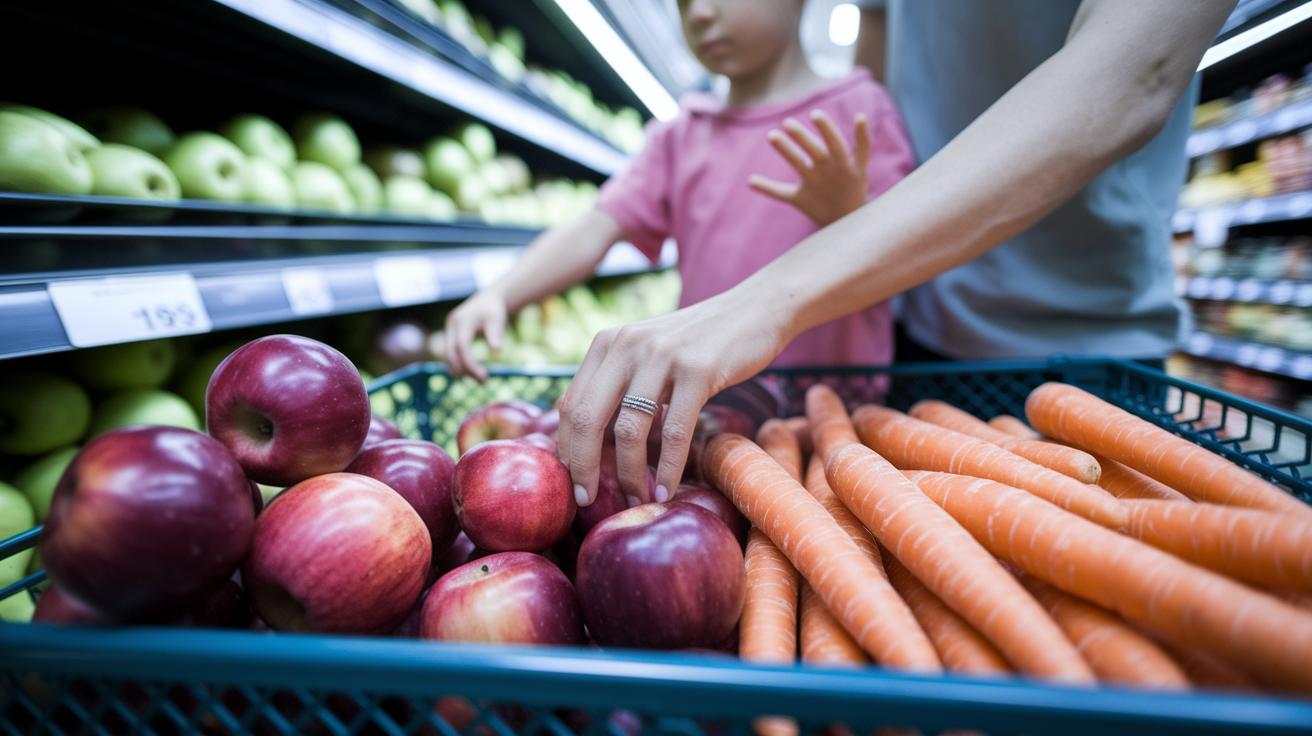
When parents cook or shop with their children, they lead by example. Imagine a parent saying, "Let's pick a bright red apple and a crunchy carrot together." This turns a simple grocery trip into a fun lesson about choosing fruits and veggies, sparking kids' interest in trying new foods.
Getting kids involved in menu planning gives them a chance to have a say in what they eat, maybe letting them decide between two veggies for dinner. This small choice boosts their excitement about mealtime and makes family connections stronger.
- Working together in the kitchen transforms cooking into a shared project.
- Grocery trips become playful learning adventures.
- Seeing healthy choices modeled, like picking water over sugary drinks, leaves a lasting impression.
Importance of Hydration and Healthy Snack Choices in Childhood
Staying well-hydrated helps kids feel energized and ready to learn. Many kids miss their daily water targets, so a fun, portable water bottle can make drinking water a little challenge they can enjoy. Plus, swapping out sugary drinks for water not only cuts extra calories but also keeps their minds sharp for play and learning.
A regular snack routine can keep energy steady and help avoid unnecessary snacking. Here are four simple ideas for balanced, tasty snacks:
- Sliced fruit with a dab of nut butter gives you natural sweetness plus protein.
- Yogurt mixed with berries offers creamy goodness along with an antioxidant boost.
- Whole-grain crackers paired with a bit of cheese deliver a crunchy, nutrient-rich bite.
- A small smoothie made with fruits and a handful of spinach helps sneak in extra vitamins.
These easy hydration tips and snack ideas make sure kids stay nourished and refreshed throughout the day, setting them up for a lifetime of healthy habits.
Monitoring Growth and Preventing Nutrient Deficits in Childhood

Keeping track of a kid’s height, weight, and what they eat each day is a straightforward and effective way to ensure they’re growing up strong. It helps parents spot if something's missing, like not enough iron, calcium, or vitamin D. For instance, a parent might say, "I noticed my child seemed a bit low on energy at our weekly check-in, so I added a small serving of fortified cereal to bump up the vitamin D." Small tweaks like this, along with serving the right portions, can easily fill in any nutritional gaps and boost healthy development.
Talking regularly with a dietitian can really help fine-tune meal plans. Routine check-ups make it easier to see if eating habits have changed, which means it might be time to adjust recipes or add nutrient-rich supplements. Parents who make these simple, consistent changes often find that their child not only hits important growth milestones but also enjoys a balanced diet day in and day out, a solid start for a lifetime of healthy eating.
Final Words
in the action this post covers how balanced meals support strong growth and a sharp mind. We shared fun recipes, easy meal ideas, and tips for overcoming picky eating. Practical strategies like planning family meals and picking the right snacks help keep energy up and hunger in check. Even small shifts in routine can boost overall well-being. Remember that healthy eating in childhood nurtures a lifetime of good health. Keep trying these simple steps and feel the positive change every day.
FAQ
Balanced diet for child of 5 to 12 years
A balanced diet for kids aged 5 to 12 mixes fruits, vegetables, whole grains, lean proteins, and dairy. This variety supports steady growth, energy, and overall development.
Healthy eating in childhood speech
Healthy eating in childhood speeches emphasize the benefits of nutritious meals and regular family dining. They inspire positive food habits that support growth and brain health.
Healthy eating in childhood facts
Healthy eating facts in childhood show that including diverse, nutrient-packed foods helps with growth, boosts energy, and builds lifelong healthy eating habits.
Balanced diet for child of 5 to 12 years PDF
A PDF on a balanced diet for children 5 to 12 offers clear guidance on portion sizes and nutrient targets, making it easier for caregivers to plan meals that support healthy growth.
Healthy eating facts for kids
Facts about healthy eating for kids highlight that varied, nutrient-dense meals improve energy, support learning, and help maintain consistent growth and immune health.
Importance of healthy food for kids
Healthy food for kids is key for fueling growth, sharpening focus, and building strong immunity. It lays the groundwork for healthy habits that last a lifetime.
Importance of childhood nutrition
Childhood nutrition is vital as it lays the foundation for robust growth, strong immune systems, and cognitive development, setting children up for a healthier future.
Child nutrition PDF
A child nutrition PDF serves as a practical guide detailing age-specific portion sizes, key nutrients, and meal planning tips to support healthy growth and development.
Why is healthy eating important in childhood?
Healthy eating in childhood fuels growth, supports brain development, and builds energy reserves. It also helps form the positive eating habits essential for long-term wellness.
What are childhood healthy eating habits?
Childhood healthy eating habits include regular meal times, a variety of nutrient-dense foods, and low-pressure food experiences. These habits promote steady growth and lifelong wellness.
What is healthy eating for a child?
Healthy eating for a child means enjoying a range of foods that deliver essential vitamins, minerals, and energy. This balanced approach supports growth, active play, and learning.
What is a healthy eating schedule for a child?
A healthy eating schedule for a child involves set times for meals and snacks that ensure consistent nutrient intake. This routine helps regulate appetite and boost energy throughout the day.

