
Ever wonder if your daily meals are really giving you the fuel you need? A daily nutrition calculator can help you see your calorie and nutrient needs clearly. It uses basic details, like your age, weight, and how active you are, to set simple eating targets.
Think of it like tuning a radio to get the best signal for your day. This handy tool gives you easy insights that turn numbers into everyday tips for planning balanced meals. In short, it helps you stay energized and meet your health goals.
Calculate Your Daily Calories and Nutrients with a Nutrition Calculator
Begin by entering your basic details, age, gender, weight, and your usual activity level. For example, you might say, "I'm a 29-year-old man weighing 180 pounds and I exercise moderately." Research shows that most women need about 1,600 calories a day and most men around 2,000 just to maintain their weight. This initial step lays the foundation for a plan that suits your needs, whether your goal is to maintain or lose weight.
Next, the calculator uses well-known methods to figure out your calorie and nutrient targets. It starts by estimating your Basal Metabolic Rate (BMR), which is the energy your body requires at rest. Then it considers your daily activities to work out your Total Daily Energy Expenditure (TDEE). This means the tool tailors its suggestions based on whether your day is laid back, moderately active, or full of movement.
The final result is displayed in an easy-to-read format. You'll get a clear breakdown of your daily calorie needs along with how many calories should come from proteins, carbohydrates, and fats. This simple layout makes it easier to plan balanced meals and reach your nutritional goals.
Understanding BMR and TDEE in Your Daily Nutrition Calculator
Our calculator kicks things off by figuring out your Basal Metabolic Rate (BMR) using a formula like Mifflin–St Jeor. This number shows how many calories your body needs when you're just resting. Think of it as the base fuel for your body, calculated with your age, weight, height, and gender.
Then, we adjust your BMR using activity multipliers that match your daily routines. It’s a bit like turning a volume knob; a quieter day means a small increase in your calorie needs, while a busy day bumps your Total Daily Energy Expenditure (TDEE) up even more. Imagine setting the dial to match your day’s vibe, gentle for calm days and cranked up for more active ones.
Finally, these numbers help set practical calorie targets. The calculator shows you how many calories you need to keep your current weight or how to fine-tune your intake to either shed a little weight or build muscle. It’s like getting a personalized energy plan that shows what your body needs based on your unique lifestyle.
Breaking Down Macronutrients with the Daily Nutrition Calculator
The daily nutrition calculator divides your calorie goal into three parts, proteins, carbohydrates, and fats, based on their energy values. Proteins and carbohydrates offer 4 calories per gram, while fats provide 9 calories per gram. Think of it like this: each gram of protein helps build and repair your muscles, and every gram of carbohydrate fuels your everyday activities. When you're planning a meal, you might say, "I need more protein today for muscle recovery," and the tool adjusts your targets just for that.
This handy calculator lets you set your own macro goals, acting as a protein estimator, a carbohydrate analyzer, and a fat optimizer all in one. It gives you the freedom to tailor your diet to fit your lifestyle, whether you're focused on muscle maintenance or cutting back on carbs. You can adjust your targets based on your exercise routine, ensuring every meal fits into your balanced plan. If you're looking to reduce sugar, for example, you simply tweak the ratio to get more protein and fewer carbohydrates.
An extra bonus is that the tool converts these measurements into hand-portion equivalents. Instead of weighing out every bite, you can simply compare a serving of chicken to the size of your palm. This visual guide makes it nearly as accurate as using a scale, helping you stay on track with your health goals while enjoying the foods you love.
Tracking Vitamins and Minerals with a Daily Nutrition Calculator
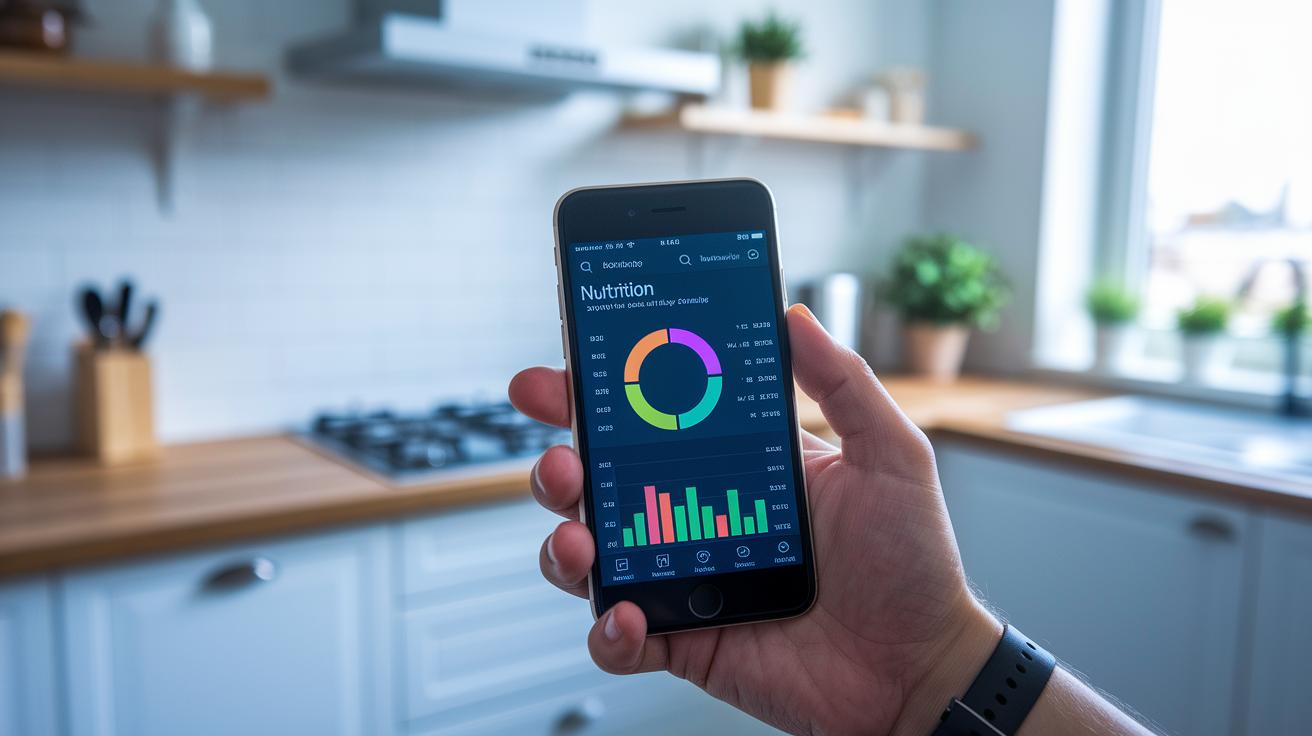
This tool collects nutrient info from over 37,000 foods and drinks, giving you your daily vitamins, minerals, macros, and calories all in one place. It pulls trusted data so you know exactly how much of vitamins like A, C, and D, as well as minerals like calcium and iron, you’re getting. For example, if you love fermented foods, you can see how vitamin K2 supports your bone strength and blood flow. The data is solid and based on science, ensuring your eating plan meets recommended guidelines.
The dashboard makes it easy to see your micronutrient levels with clear vitamin and mineral charts. You can quickly check if your intake meets daily needs, maybe you’ll notice, “My vitamin C is spot on, but I might need a bit more iron.” This simple visual helps you compare what you eat to what you need, turning numbers into a clear snapshot of your wellness.
It also offers friendly advice on how to better balance your nutrients. If your chart shows a little low calcium, you might try adding dairy or leafy greens to your meals. These small adjustments can lead to more balanced meals and a healthier you.
Interpreting Your Daily Totals and Nutrition Dashboard
Your dashboard gives you live updates on calories, fat, carbs, protein, and even micronutrients as you add items throughout your day. When you log something like "had a bowl of oatmeal," you'll see your carb count update right away, showing you that breakfast is now taking up 25% of your daily carb goal. The simple bars for calories and nutrients break your food down into clear portions, so you can easily see if you're hitting your targets or going over without any extra work.
Each meal gets its own quick view that shows its nutrient details. So, if you notice lunch falls short on protein, you can easily plan a boost in your next meal. The smart design of the dashboard lets you compare different meals, whether it’s a snack versus your dinner, and helps you make little tweaks toward a balanced diet.
Adjusting Your Calculator Plan for Weight Loss, Gain, or Maintenance

If your goal is to lose some weight, your calculator shows you how to adjust your calorie intake and activity. Instead of making a big cut that leaves you exhausted, try cutting back on sugary drinks and choose lean proteins and fresh produce over processed foods. Making a small change, like reducing your calories by a few hundred each day, can really add up over time and help keep your energy up.
If you want to gain weight or build lean muscle, the calculator works the other way. It lets you add a few extra calories by swapping out refined carbs for whole grains and boosting your protein. For example, you could add an extra serving of protein-rich food after your workout to help with muscle repair and overall balance.
Changing your habits is just as important as adjusting your calories. Include some resistance training to build muscle, remember to drink more water during the day, and plan your meals at home to control your portions. It might help to prep a week’s worth of balanced meals so you always have healthy options ready when hunger strikes.
The key is to check your calculator settings regularly and make small adjustments that fit with your exercise and daily habits. Keep your calorie targets and macro goals flexible, and use this tool as your personal guide for meeting your nutrition and lifestyle needs. For more tips on meal planning, have a look at Nutritional Strategies for Sustainable Eating and Balanced Diet Shopping Guide.
Final Words
In the action, we explored how to input your details into the daily nutrition calculator, calculate your calorie needs, and get personalized nutrient targets.
We broke down how BMR, TDEE, and macro ratios come together to provide real-time meal insights and even tracked essential vitamins and minerals.
This guide helps you adjust your plan to fit your goals while making health data accessible. Keep using the daily nutrition calculator as your tool to manage daily routines and boost overall well-being.
FAQ
What is a daily nutrition calculator for weight loss?
The daily nutrition calculator for weight loss uses your age, sex, weight, and activity to give clear calorie and nutrient targets that support healthy weight loss.
How does a daily nutrition calculator tailor recommendations for women?
The calculator considers personal factors like age and activity level to set calorie ranges and nutrient goals that meet daily nutritional requirements for females.
What is a free nutrition calculator?
A free nutrition calculator lets you quickly estimate your daily calorie and nutrient needs using proven formulas and your personal details without any cost.
How do I calculate how much I need to eat in a day?
The calculator estimates your basal metabolic rate and total energy expenditure to determine the right calorie amount needed to maintain, lose, or gain weight.
What is the 4 9 4 method?
The 4 9 4 method explains that protein and carbohydrates provide 4 calories per gram, while fat provides 9 calories per gram, helping you gauge daily energy intake.
What should be my daily nutritional intake?
Your daily nutritional intake is based on personal factors like age, gender, weight, and activity, with the calculator offering balanced calorie and nutrient recommendations for your goals.

