
Have you ever wondered why some hospitals have fewer accidents? Nurses do simple fall risk checks to spot dangers before they turn into serious issues.
They look at easy scores and patient history to see if something might be off, like a slippery floor or a side effect from medicine. Even a small check can stop a big problem from happening.
It’s a smart, everyday method that helps keep patients safe and makes care plans even better.
Comprehensive Overview of Nursing Fall Risk Assessment Framework
Nursing fall risk assessment is a careful method to spot if someone might fall before it happens. A fall means a person unexpectedly ends up on the floor or a lower level. This check is very important in hospitals and long-term care centers. Nurses usually do this when a patient arrives, after any changes in their health, following any incident, or at regular intervals. Think of it like a training session that helps nurses notice potential fall hazards at just the right time.
This smart approach uses a simple score to predict falls and guide decisions. Nurses can sort patients by risk levels using a basic model. With a clear plan for assessing fall risk, the healthcare team can quickly see where extra care is needed. It’s not just about filling in a checklist, it’s about understanding each patient’s unique situation and planning the best way to help.
The process includes looking at things like past falls, side effects from medications, and even environmental factors such as slippery floors or poor lighting. Following set rules makes sure that patients at higher risk get extra attention and that solutions are prioritized. For example, a risk score might signal when it’s time to offer more supervision or fix potential hazards. By keeping staff well-trained and using regular assessment tools, teams build a secure way to reduce falls and keep everyone safer.
Identifying Risk Factors in Nursing Fall Risk Assessments
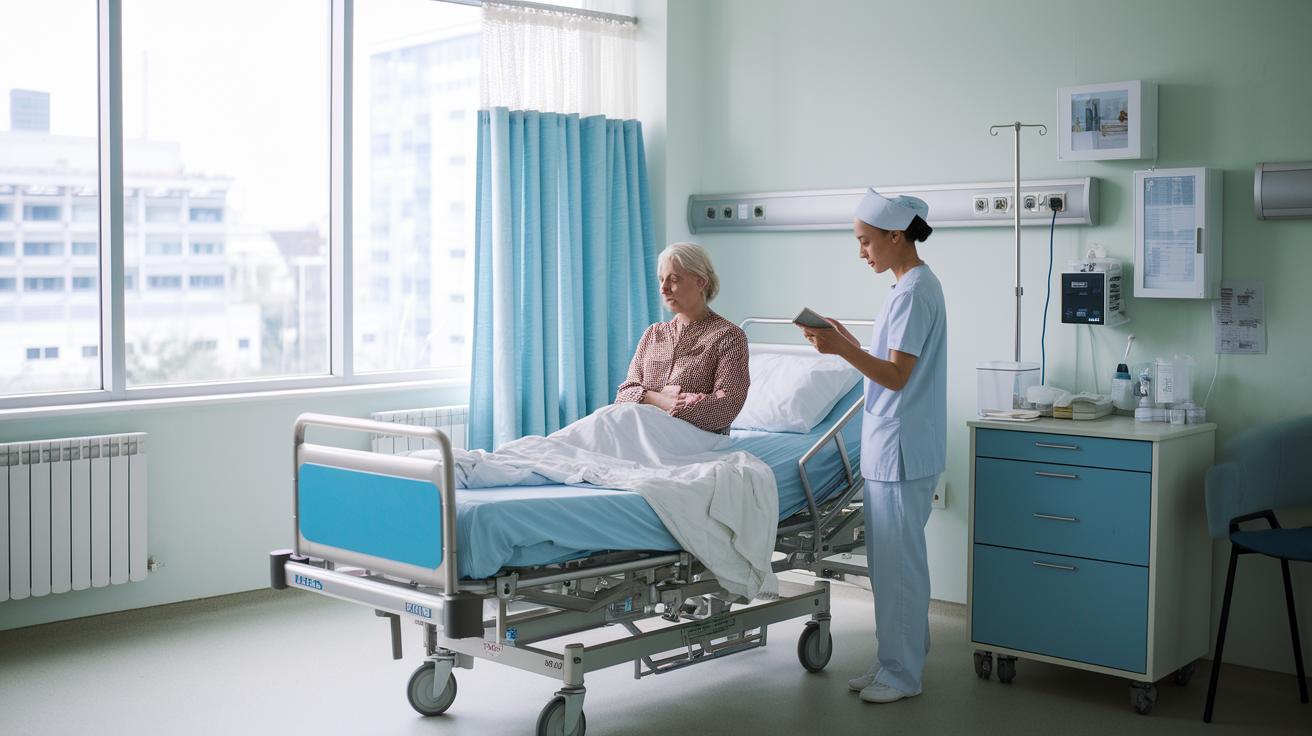
Nearly 40% of inpatient falls happen after the first assessment. This surprising fact shows why it's important to keep checking in on patients over time.
At first, nurses look at a patient’s history, check physical signs, and spot any hazards around them. These early tests help set a safety plan, especially for someone who has fallen before. Later, follow-up checks see how the patient is doing and help adjust care as needed.
Some things that signal risk include a history of falls, a sudden drop in blood pressure when standing up (called orthostatic hypotension), or medications that can cause dizziness. Nurses watch for muscle weakness, problems with vision or body awareness, and any signs of cognitive issues that might affect safety. Each of these points gets reviewed at first and then again as things change.
Nurses also check the area around a patient. They look for slippery floors, dim lights, clutter, and even shoes that might not fit well. All these details matter when creating a safe environment.
| Risk Factor | Practical Strategy |
|---|---|
| History of Falls | Set up regular check-ups and adjust activities as needed |
| Orthostatic Hypotension | Monitor blood pressure and tweak treatments if required |
| Medication Side Effects | Review and change meds as symptoms shift |
| Muscle Weakness | Introduce strength exercises and track progress |
| Sensory Deficits | Improve lighting and use visual aids |
| Cognitive Impairment | Provide clear, simple instructions and check for understanding |
By staying on top of these checks, nurses can see how a patient’s personal and environmental risks interact. This ongoing process lets them take proactive steps to keep everyone as safe as possible.
Validated Tools and Clinical Safety Scoring Methods in Nursing Fall Risk Assessment
When nurses use proven tools to check a patient’s risk of falling, they can adjust care plans to keep everyone safe. These methods give a simple score that shows just how likely a fall might be, helping guide changes in care or supervision.
Fall Risk Assessment Tool (FRAT)
The FRAT looks at important details like past falls and current medication use. It assigns a score from 0 to 12 based on these factors. If a patient scores 5 or higher, it signals a higher risk of falling. For example, if someone has fallen several times before and takes many medications, this tool helps nurses know that extra care, better supervision, or changes to the room might be needed.
Morse Fall Scale
The Morse Fall Scale checks several clinical factors such as a patient’s past falls, other health issues, how steady their walk is, use of walking aids, whether they’re on IV therapy, and their mental status. It gives scores from 0 to 125; scoring 45 or more means the patient is at high risk of falling. Nurses find this scale really useful for getting a detailed picture of a patient’s mobility and needs. There’s also a modified version of the Morse scale made specifically for surgical patients, so it fits their needs even better.
Hendrich II Fall Risk Model
The Hendrich II tool is designed mainly for older adults. It looks at things like confusion, depression, issues with elimination, dizziness, and whether certain drugs such as anti-seizure medications or steroids are being used. Scores range from 0 to 16, and a score of 5 or above indicates a higher fall risk. This model helps nurses spot small changes in a patient’s mental state or reactions to medication that might be missed otherwise. It’s often used alongside a normed patient instability scale to keep track of a patient’s condition over time.
| Tool Name | Purpose | Scoring Range | High-Risk Cutoff |
|---|---|---|---|
| FRAT | Systematic screening | 0–12 | ≥5 |
| Morse Scale | Clinical safety score | 0–125 | ≥45 |
| Hendrich II | Older adult focus | 0–16 | ≥5 |
Together with tools like the modified Morse scale, these assessments provide nurses a clear and reliable way to spot fall risks and tailor care plans to keep patients safe.
nursing fall risk assessment: A Secure Approach

Nurses follow a safe, proven method that now includes modern digital tools to help keep patients safe. They still start by reviewing a patient’s history, doing a physical exam, and checking the surroundings, as discussed earlier. Now, the focus is on putting these ideas into action:
-
Embrace digital tools.
Use online checklists and trackers to record any signs of instability.
For example, “Note any balance issues immediately to update the patient’s status in real time.” -
Hold a team chat.
Once you’ve collected data, gather your care team for a quick discussion to adjust your approach if needed.
For instance, “A brief meeting can turn new information into a solid plan to improve patient mobility.” -
Blend old and new methods.
Mix traditional checks with modern digital entries to ensure every important detail is captured perfectly.
For example, “Combine your usual checks with digital logs for accurate, secure records.”
This section shows how digital techniques can boost our routine safety measures, building on earlier steps that focused on key risk factors and assessment methods.
Designing Individualized Fall Prevention Plans Through Nursing Fall Risk Assessment
Nurses use fall risk scores to design safety plans that fit each patient. If a score indicates a potential danger, the nurse quickly turns the data into a clear plan of action. For example, if a patient shows a higher risk, the nurse might add handrails, boost lighting, or set up a regular toileting schedule so that fast, rushed moves don’t happen. One nurse might say, "Based on your score, we’ll adjust your room to keep you safer," showing how plain data can lead to real changes.
Nurses also help improve how patients use assistive devices like walkers and canes. They watch closely to see if a small tweak might give better balance. Sometimes this means spending a little extra time training on how to use the device properly or suggesting a new one that fits better. A nurse might suggest, "Let’s try repositioning your walker to help your balance," making sure everyone understands the change.
Working together is key for these safety plans. Nurses frequently team up with experts in physical therapy, pharmacy, and occupational therapy. The physical therapy team might introduce fun balance and strength exercises, while the pharmacy experts check if any medicines could cause dizziness. Occupational therapists often suggest small changes in daily habits. By sharing ideas, the care team builds a plan that takes care of urgent issues and sets up a healthier future.
Finally, all these steps get added to a digital care plan that everyone on the team can check anytime. This way, as a patient’s needs change, every team member can update the plan quickly to keep things safe and sound.
Evidence-Based Nursing Interventions and Best Practices for Fall Prevention

Nurses are on the front lines in preventing falls by using proven methods from trusted sources like well-known nursing diagnosis handbooks, the "Try This" series, and the GITT 2.0 Toolkit. They often set up easy-to-follow sessions where patients learn about safe movement and fall prevention. For example, a nurse might say, "We’re starting a session on safe movement techniques to help you feel more confident when walking." This clear and friendly approach really helps patients understand what to do.
Another key tip is to make sure patients wear non-slip shoes. Studies show that better grip means fewer falls. Nurses also do rounds every hour to check on patients. These regular visits not only catch any issues early but also let nurses quickly make changes. One nurse might gently comment, "I see you need an extra cushion to support your step," which shows how small checks can have a big impact.
Simple visual reminders by the bedside go a long way, too. Signs near the bed or bathroom can help patients remember their safety steps. In addition, having a daily routine of small exercises can build strength and balance over time. When patients stick to a mobility program, they often see lasting improvements in their movement.
Team learning is another awesome strategy. When nurses attend new fall-prevention workshops, everyone stays up-to-date with the latest and best practices. These science-backed methods keep getting better and help create a safer place for every patient.
Regulatory Guidelines, Documentation, and Outcome Measurement in Nursing Fall Risk Assessment
When nurses check for fall risks, recording every little detail is key. They use easy-to-follow forms that capture the exact time, a clear description of what happened, and notes on why the fall might have occurred. For instance, a nurse could note, “At 3:15 pm, a patient slipped near the door because of a wet spot and dim lighting.” This kind of note makes it easier for everyone to understand and learn from the incident.
Federal rules, like those from CMS, give nurses a clear guide on how to report falls. These rules say that every fall should be recorded, along with any factors that might have made it happen. By doing so, everyone stays on the same page about keeping patients safe and meeting legal requirements.
Audit checks focus on a few important numbers that show how well fall prevention is working. These include:
| Measure | Description |
|---|---|
| Fall Rate per 1,000 Patient Days | The number of falls measured over 1,000 days for patients |
| “No Falls” Target | Aiming for zero falls as an ideal goal |
| Regular Outcome Reviews | Frequent check-ups on safety efforts to see what works best |
These simple metrics mean every fall is not just recorded but also reviewed over time. This way, the healthcare team can adjust their methods as needed, making sure the steps to prevent falls really work.
By keeping detailed records and following federal guidelines, nursing teams can confidently use these reviews to improve their strategies. In the end, that means safer environments and better care for patients.
Case Studies and Data-Driven Analysis in Nursing Fall Risk Assessment

In one long-term care unit, a smart method for checking fall risk really boosted patient safety. They used the Morse Scale protocol along with special care steps. This helped lower falls by 30%. One nurse said, "With the Morse Scale, we knew exactly which patients needed more help, so we could act fast." This case shows how clear, data-driven assessments can really improve patient care.
Data mining helps spot tricky spots that need extra attention. Nurses and managers look at monthly fall reports to see where more staff or changes in the environment might be needed. For example, when they saw more falls during the night, they adjusted the number of staff on duty. This way, more hands were available to keep a close watch on patients.
A simple chart below shows how the number of falls changed before and after the care improvements:
| Month | Falls (Pre-Intervention) | Falls (Post-Intervention) |
|---|---|---|
| January | 15 | 10 |
| February | 14 | 9 |
| March | 16 | 11 |
This clear approach shows that when data is used wisely, it can guide plans for better care and smarter staff decisions. The result is a real, measurable drop in fall risks.
Final Words
In the action, we examined practical approaches that reduce patient falls while outlining clear methods to score risks and guide preventive actions. We broke down the key factors that spark falls and how tools like the Morse Scale and Hendrich II are used to evaluate them. The blog post also highlighted step-by-step care protocols and how documentation supports safe outcomes. Every insight ties back to improved care routines, boosting overall safety and supporting nursing fall risk assessment.
FAQ
Fall risk assessment PDF
The fall risk assessment PDF provides a printable or digital evaluation tool that outlines key patient risk factors, assessment steps, and guidelines to help healthcare teams make informed safety decisions quickly.
What is the Morse Fall Scale and its role in assessing fall risk?
The Morse Fall Scale measures a patient’s likelihood of falling by examining past falls, gait, and other factors. It assigns a score that helps healthcare teams identify high-risk patients for targeted prevention.
What is a standardized fall risk assessment tool or scale?
The standardized fall risk assessment tool is a consistent method that evaluates risk factors such as patient history, mobility, and medication effects, allowing nurses to accurately gauge fall potential and apply preventive measures.
What is a fall risk assessment example?
A fall risk assessment example might involve a nurse reviewing a patient’s fall history, evaluating mobility and medication impact, and using a scoring system to determine the patient’s risk level before planning safety measures.
What does fall risk mean in a hospital setting?
Fall risk in a hospital refers to the likelihood that a patient may unintentionally come to rest on a lower surface. This evaluation helps direct preventive strategies to keep patients safe during their stay.
What fall risk assessment tools are used in hospitals?
Hospital teams use tools like the Morse Fall Scale, Hendrich II, and others that systematically review patient history, physical condition, and environmental factors to identify those at high risk for falls.
What is the assessment nurses use to evaluate fall risk?
The assessment nurses use involves reviewing a patient’s history, physical abilities, and surrounding environment. It incorporates scoring systems to reflect individual risk, guiding decisions on prevention efforts.
What are nursing interventions for fall risk?
Nursing interventions for fall risk include patient education, scheduled rounding, environmental modifications like improved lighting and clutter removal, and the appropriate use of assistive devices to keep patients safe.
What is a post fall risk assessment in nursing?
A post fall risk assessment in nursing reviews the specifics of an incident, re-evaluates the patient’s condition, and adjusts care plans to prevent further falls, ensuring continuous improvement in safety measures.
What should a falls risk assessment include?
A falls risk assessment should include a detailed review of a patient’s history, mobility tests, medication review, environmental check, and a scoring system that identifies the risk level and guides effective preventive actions.

