
Ever notice how some workplaces catch hazards before accidents happen? That’s because they use risk assessment. It's a step-by-step way for companies to find dangers and then decide how to fix them. Think of it like a smart checklist that turns guesses into decisions based on facts.
This simple method not only helps companies follow the law but also keeps people safe. By matching how likely something is to happen with how bad it could be, risk assessment shows businesses which risks need the most attention. It makes safety clear and easy to handle.
Understanding Risk Assessment: Definition, Purpose, and Scope
Risk assessment is like a careful checklist to spot dangers and understand how risky they might be. It helps you decide on the best steps to lower or remove those hazards. Imagine a factory that reviews its accident history and does regular check-ups around the workplace to catch spots that need extra attention.
This process looks at two things: how likely it is for trouble to happen and how badly it might hurt operations or safety. Ever think about how, before clear safety rules, many workplaces just guessed what was safe? That guesswork sometimes led to big, unexpected accidents. By matching the chances of an event with its possible impact, companies can figure out which risks need to be handled first.
Rules from groups like OSHA, HSE, COSHH, and even old manual handling guidelines make risk assessments required in many industries. These standards not only help companies follow the law but also protect workers and customers. Whether it’s a major review at an oil or nuclear facility or a regular check around the office, every type of assessment aims to keep people safe.
The steps in a risk assessment are simple. First, you identify dangers by looking at surveys or past accident data. Then, you check how likely each risk is and how severe the outcome could be. Next, you set up and document effective control measures, and you make sure to update everything regularly. All these parts paint a clear picture of today’s risks, keeping safety and smooth operations as top priorities.
Core Principles and Fundamentals of Risk Assessment
Risk assessment is much more than a simple hazard check. It starts by carefully spotting potential dangers using workplace surveys, past accident records, and live monitoring. For example, think about a food processing plant where a small rise in temperature might hint that equipment is starting to wear out before a real problem occurs.
Once you notice a hazard, you match how likely it is to happen with how serious the impact could be. Different industries often adjust this approach to fit their needs. In healthcare, even a small equipment glitch can lead to bigger safety issues, which shows why some fields use custom risk categories to better protect people.
Choosing the right safety controls means looking at how practical, cost-effective, and risk-reducing they are. For instance, a factory might compare the benefits of installing protective guards with investing in regular training sessions for workers. Picture weighing the cost of new sensors against the value of ongoing safety drills, helping decide which option cuts risks without slowing production.
Every finding must be written down so everyone understands what’s happening. Regular reviews are a must, too. When new equipment or processes are introduced, it’s important to update the risk scores to keep the workplace as safe as possible.
Types and Methodologies in Risk Assessment
Risk assessments mix different techniques to help you spot and tackle hazards in everyday work. One popular approach is the risk matrix, a simple, color-coded tool where red shows high risks, yellow signals moderate ones, and green means low risks. For instance, a restaurant might use a risk matrix to quickly see which kitchen spots could lead to injuries.
There are two clear paths to check for risks. First, quantitative methods use numbers and math to predict things like the chance of equipment failing. This means you can calculate risks based on solid statistical data. Then there’s qualitative danger analysis. This method relies on expert insights and hands-on observations, kind of like a hospital team talking over a small error that could turn serious. It’s all about using keen judgment to understand the risk.
A range of tools can help shape these assessments. Key options include:
| Tool Name | Description |
|---|---|
| Risk Matrices | A color-coded chart to quickly see risk levels. |
| Decision Trees | Step-by-step guides to choose the safest option. |
| FMEA | Analyzes ways systems might fail and the effects. |
| Bowtie Model | Visualizes the pathway from hazards to outcomes. |
| What-if Analysis | Examines possible scenarios and their impacts. |
| Fault Tree Analysis | Breaks down cause-and-effect of failures. |
| LOPA | Layered approach to protect against failures. |
| HAZOP | Identifies potential hazards in process designs. |
Interestingly, in a busy manufacturing unit, a decision tree once revealed a nearly missed safety gap that, if ignored, might have shut down the whole production line.
You’ll also find that risks are grouped into categories like strategic, operational, financial, and external. Breaking risks into these types makes it easier to see where a company might feel the pinch most. In today’s fast-changing world, think of challenges like a pandemic, it’s super important to update assessments often and keep an eye on things in real time. By using both number-driven and insight-driven methods, any organization can build a strong, flexible shield against danger.
Implementing a Risk Assessment Process and Tools
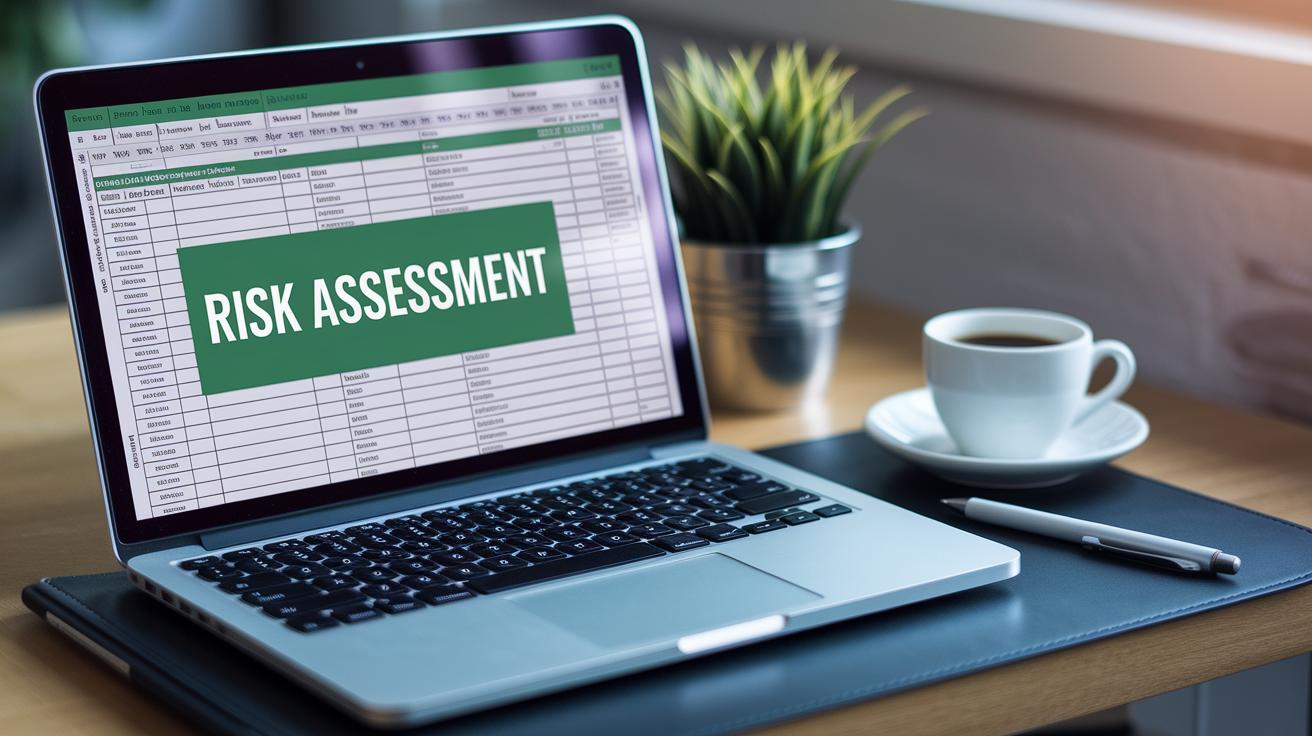
The risk assessment process lets you spot potential hazards, set clear criteria, and decide which safety steps matter most. Tools like Excel or dedicated software help keep everything up to date, using interactive templates and quick reports. For instance, an Excel sheet can sort risks by how likely they are and how big their impact might be, cutting down on mistakes and speeding up decisions.
Digital Tools for Real-Time Updates
Digital platforms do more than just organize data, they help everyone on the team see the full picture. They let you change details on the fly, offer live updates, and keep a clear record of every change, something paper methods can’t do. Fun fact: a risk check done with real-time software can cut response time in half, making your safety measures more flexible.
| Risk Factor | Impact Rating | Likelihood Rating |
|---|---|---|
| Wet floor | High | Medium |
| Faulty wiring | High | Low |
This digital method builds on basic risk ideas by offering faster updates and better reporting while making sure every step is clearly noted.
what is risk assessment: Quick, Clear Insights
Risk assessment is a tool used in almost every industry to make sure things run smoothly and safely. In areas like manufacturing and mining, teams perform regular checks to catch any equipment problems before they become a big issue. For example, a factory might run a routine review to spot machinery faults early, preventing downtime. In construction, similar checks on each site help protect workers from falls and other injuries.
In retail, simple inspections keep customers safe by identifying risks like slippery floors or crowded areas. Even in hospitality, think hotels and restaurants, regular evaluations help manage hazards such as kitchen fires or other risks, ensuring that both staff and guests are protected.
Healthcare also relies on these safety checks. Hospitals conduct ongoing reviews to catch everything from equipment glitches to infection risks early, which keeps everyone safe. And when it comes to digital spaces, cyber risk assessments help protect sensitive data by keeping an eye on potential IT vulnerabilities.
Rules from bodies like OSHA and HSE guide these safety practices across all sectors. Whether it’s checking for workplace hazards or reviewing a project’s risks, every industry uses risk assessment as a key tool to create safer, more resilient environments.
Benefits and Limitations of Risk Assessment

Risk assessment is a smart way for companies to use their resources wisely, follow rules, and keep workers safe. For example, one company automated parts of its process, which saved both time and money. Believe it or not, there was a manufacturing plant that, after a thorough risk check, changed its focus from minor hazards to the really important ones, and they saw a big drop in downtime.
One great benefit of risk assessments is that they help you focus on the most critical issues. By zeroing in on high-priority risks, you can plan better and reduce safety incidents. In other words, you spend your time and money where it really counts.
On the other hand, risk assessments rely a lot on getting the right probability estimates. If these guesses are off, a business might either spend too much on unnecessary controls or miss an important risk entirely. Techniques like checking for leftover risks (known as residual risk evaluations) are useful, but they need to be updated regularly to stay on track.
Since risks can change over time, it’s important to keep an eye on them constantly. New hazards can come up quickly, so regular check-ups help avoid surprises. Outdated assessments could lead to using too much or too little control, so keeping a balanced approach is critical for both safety and cost-effectiveness.
Best Practices and Guidelines for Effective Risk Assessment
Risk assessment is all about spotting potential problems and keeping safety in mind every day. It works best when you get input from different parts of your team. When people from various departments share their views, you cover technical, job-related, and rule-based concerns. This helps catch issues early before they become big problems.
It also helps to use clear, set rules when you assess risks. With the same checklist for everyone, there's less chance of confusion. Keeping a detailed record means you can track any changes and explain your decisions to both regulators and internal auditors. Regular reviews make sure that your safety measures keep up with new developments.
Here are a few simple guidelines:
- Involve team members from all departments for a range of insights.
- Always stick to standard criteria and keep full records.
- Weave risk management into the company's current safety plans.
- Share what you find with everyone who needs to know.
- Run regular checks to keep your risk strategies fresh and effective.
Following these steps builds trust throughout the team and makes the risk assessment process smoother. Remember, as operations change, safety measures should adapt too.
Case Studies and Real-World Examples in Risk Assessment
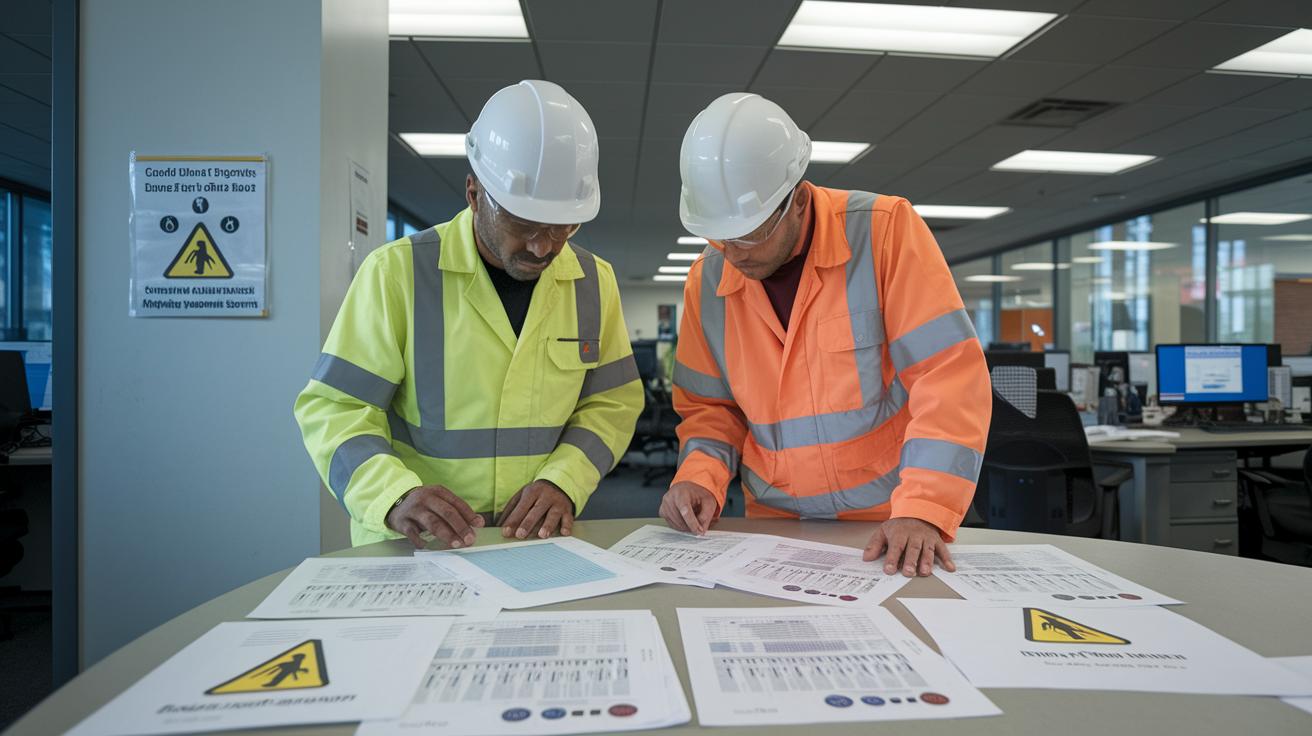
Risk assessments aren’t just academic exercises, they are real tools that help keep operations safe and efficient. For example, KPMG once spotted ten emerging risks, guiding companies on how to be ready for what comes next. Think about how many organizations shifted their COVID-19 plans to protect employees and maintain smooth operations.
In the oil and gas world, teams use simple math models to figure out how likely risky events are and how serious their effects might be. One site even used these numbers to improve safety steps and reduce downtime when risks spiked.
Many chemical plants use a method called HAZOP (which stands for hazard and operability study and simply means looking for process risks) to check for potential issues. Meanwhile, manufacturing plants turn to FMEA (failure modes and effects analysis, which helps spot problems early) to catch hints of equipment or system failures. Both techniques give a clear plan on where to focus efforts to stay safe.
Construction companies also review environmental hazards carefully. They assess risks like natural disasters to build structures that can better handle unexpected events. And in many sectors, special reviews of specific projects or threats show how focused checks help protect assets and keep things running smoothly.
Final Words
In the action of assessing our health, we see that risk assessment is more than just a checklist, it’s an ongoing method that helps us spot hazards, weigh their impact, and set measures to keep things safe. We covered basic principles, various tools, and real-world examples that tell us what is risk assessment and how it applies across industries. The insights shared can guide you toward informed choices and proactive health management. Stay positive and keep taking steps toward safer, healthier days.
FAQ
What is risk assessment in safety?
The risk assessment in safety means identifying hazards and evaluating potential harms to create steps that keep workers safe and maintain a secure environment.
What is risk assessment in business?
The risk assessment in business means spotting operational hazards and threats that could hurt finances or reputation, then planning measures to reduce those risks and support growth.
What is risk assessment example?
The risk assessment example shows how a workplace review can spot issues like slippery floors, weigh the chance of accidents, and recommend fixes to help avoid injuries.
What is risk assessment in healthcare?
The risk assessment in healthcare means checking for practices or conditions that might harm patients or staff, then setting protocols to keep everyone safe and improve care quality.
What is risk assessment in cyber security?
The risk assessment in cyber security means evaluating system weaknesses, spotting potential data breaches, and suggesting measures like better firewalls to protect sensitive information.
What is risk assessment in risk management?
The risk assessment in risk management means identifying possible threats, analyzing their chance and impact, and guiding efforts to lower or control risks in everyday operations.
What is risk assessment in audit?
The risk assessment in audit means reviewing company procedures to spot weak spots, check that controls are working, and record actions that keep compliance and improve safety.
What is risk assessment in project management?
The risk assessment in project management means looking for project risks that could affect schedules or budgets, then planning steps to keep projects moving smoothly.
What are the 5 main steps of a risk assessment?
The five main steps of a risk assessment are identifying hazards, evaluating their probability and impact, determining control measures, documenting the findings, and regularly reviewing the assessment.
What are the 4 types of risk assessment?
The four types of risk assessment include qualitative, quantitative, semi-quantitative, and composite models, each offering a specific approach to gauge and tackle potential hazards.
What is risk assessment in OSHA?
The risk assessment in OSHA means following set guidelines to spot workplace dangers, judge how badly they could hurt workers, and put in place actions that meet safety standards.

