
Have you ever noticed how some people seem to dodge big health problems? They catch issues early by taking simple steps, just like checking your car's oil to keep it running well. Regular doctor visits, tests, and vaccines can stop little concerns from becoming serious.
This guide shows how these easy habits can help you feel better and even lower your health bills. Try these steps today for a healthier tomorrow.
Understanding Preventive Care: Definition and Core Principles
Preventive care means taking steps to look after your health even before any problem shows up. It’s like handling small tasks in advance to feel your best and avoid high medical bills later. Instead of waiting until you feel sick to get help, you can catch issues early, much like fixing a tiny leak before it becomes a big mess.
This type of care covers regular checkups, tests like blood pressure and cancer screenings, and shots like the flu or COVID-19 vaccine. It even includes advice on how to live healthier based on your personal risks. These simple steps can spot problems early, making them easier and cheaper to sort out. Regular visits and tests work together to keep you feeling good, and that’s why prevention is so important for long-term health.
Common Preventive Care Services and Examples
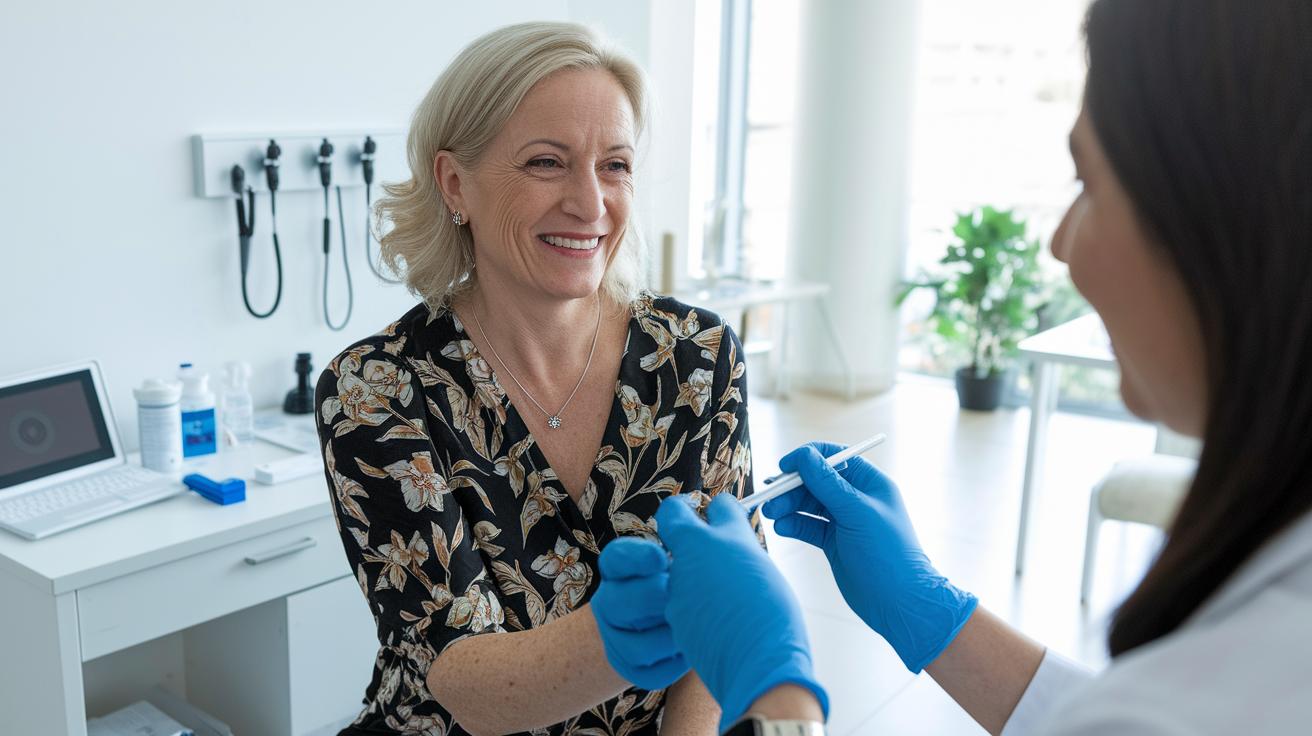
Taking small steps now can help catch health problems before they grow too big. Preventive care is all about checking in on your health so you can stay on top of things. It’s like keeping an eye on your car to make sure everything runs smoothly.
Here are some preventive care examples:
- Breast cancer mammogram screening
- Colonoscopy for colorectal cancer
- Annual influenza shots
- Lab tests for blood pressure and cholesterol
- Medicine to lower risks (like statins)
- Advice on diet and exercise
- Medicare programs such as AWVs, CCM, and IBHC
All these services work together to spot early warning signs, letting you handle issues more easily instead of waiting until they get worse. Regular screenings and on-time vaccinations give you a solid chance to manage risks, and with extra support from programs like Medicare AWVs, CCM, and IBHC, you get a more personal touch. By taking these preventive steps, you could end up with fewer serious health issues, saving both time and money in the long run.
Benefits of Preventive Care for Health and Cost Savings
Catching health problems early means treatments can be simpler and less expensive. When you have a routine screening, it can spot issues like high blood pressure before they become serious. It’s amazing to think that regular checkups can help you avoid costly procedures down the road.
Most health plans now cover important preventive services like screenings, lab tests, and shots at no extra cost. This helps you get the care you need without worrying about extra fees. Check out this easy example:
| Care Stage | Expense Level |
|---|---|
| Early Detection | Lower costs with simple treatments |
| Advanced Condition | Higher expenses due to complex therapies |
Taking care of your health early is a smart way to save money and avoid tough treatments later. Think about it, timely checkups not only help keep you healthier but can also save you a lot in the long run.
Insurance Coverage and Accessibility of Preventive Care

Most health insurance plans, including those in the Marketplace, now offer free preventive care services. That means screenings, vaccinations, and check-ups are covered with no extra fees, thanks to a federal rule. This setup makes it easier for many people to catch health issues early before they turn into bigger problems.
Private Insurance Coverage
With private insurance, you get preventive services like routine health screenings and immunizations at no cost. This helps remove money worries when you need to check on your health. By catching potential issues early, you can take action to keep yourself feeling your best.
Medicare Wellness Exam Guidelines
Medicare Part B covers key services such as Annual Wellness Visits, some screening tests, Chronic Care Management, and Behavioral Health Integration. If you’re eligible, you get a personalized plan and regular checkups that help spot health concerns early. Often, these services include screenings for things like heart disease, ensuring you get the support you need right when it matters.
Dental Prevention Coverage
Many dental plans also offer free preventive care, like regular cleanings and oral health screenings. This helps keep your smile bright and can prevent more serious dental issues down the road. For extra details on services, visit preventive dental care.
Knowing what your plan covers can really make a difference in managing your health. Whether you have a private plan, Medicare, or dental coverage, being aware of your options is a great way to stay on top of your well-being.
what is preventive care: Clear Benefits for Health
Staying on top of your health is easier when you follow the right testing and immunization schedules for your age. These simple check-ups can help you catch any potential issues early. It’s like giving your body a little tune-up before any problems arise.
| Test/Screening | Age/Frequency | Purpose |
|---|---|---|
| Blood Pressure Screening | Annually for adults 18 and over | Keep an eye on your heart and blood flow |
| Cholesterol Test | Men 35 and over; Women 45 and over (or earlier if there are risk factors) | Check your risk for heart disease |
| Mammogram | Every 2 years for women aged 50 to 74 | Spot breast cancer as early as possible |
| Colon Cancer Screening | Ages 45 to 75 | Look for early signs of colon cancer |
| Blood Glucose Test | Ages 40 to 70 | Screen for the risk of diabetes |
| Annual Influenza Immunization | Every flu season for people aged 6 months and older | Lower your risk of severe flu complications |
Keep this guide nearby as a friendly reminder to take care of yourself through regular tests and vaccines. It's a simple way to help catch problems early and keep you feeling your best.
Role of Primary Care Providers in Preventive Care

Primary care providers are like your go-to health teammates. They check you out with Annual Wellness Exams that look at your vital signs, family history, and everyday habits, kind of like a routine tune-up for your body to catch early signs before they turn into bigger issues.
They also help you schedule screening tests, get your immunizations, and offer simple advice on eating right and staying active. Plus, they check in on long-term conditions regularly to tweak your health plan as needed. With services like these, as detailed in the preventive care services definition, they make sure you stay on track and feel empowered to take charge of your well-being.
Final Words
In the action, we've explored how preventive care works for everyday health. We discussed its key elements like exams, screenings, vaccines, and counseling that help detect issues early.
We also looked at useful examples, insurance support, and the role of primary care providers. With what is preventive care as the main guide, take these insights to boost daily vitality and wellness. Embrace these steps and enjoy the positive changes they can bring.
FAQ
What is the meaning of preventive care?
The meaning of preventive care refers to early health steps like check-ups, screenings, vaccines, and counseling designed to stop illnesses before they develop.
What are some examples of preventive health care?
The examples of preventive health care include routine screenings, immunizations, and lifestyle counseling. These measures help catch issues early and support overall well-being.
How does preventive dental care work?
The explanation of preventive dental care means regular cleanings, examinations, and oral screenings to help stop cavities and gum disease before they lead to serious problems.
How is preventive care handled in health insurance, including Blue Cross Blue Shield?
The explanation for preventive care in health insurance is that plans often cover regular screenings, vaccines, and check-ups at no cost, including services under Blue Cross Blue Shield.
What labs are typically covered under preventive care for general plans and Medicare?
The explanation for labs under preventive care usually includes cholesterol, blood sugar, and similar routine tests that many health plans and Medicare provide as part of preventive benefits.
What are the preventive care guidelines for adults?
The explanation of preventive care guidelines for adults is that annual check-ups, routine screenings, and vaccines are recommended to catch potential issues early and maintain good health.
What does 100% preventive care mean?
The explanation for 100% preventive care means that all recommended preventive services are fully covered by your health plan, avoiding any out-of-pocket costs for these essential tests and exams.
What is not covered under preventive care?
The explanation of what is not covered under preventive care is that it typically excludes treatment for already-diagnosed conditions or additional diagnostic tests beyond the basic, routine screenings.

