
Have you ever thought that long-term health data might show us a brighter future? With telehealth on the rise and care models changing, new info tells us we're making real progress in staying healthy. Trends like the growing home healthcare market hint that we can save money and offer better care as more of us get older. In this article, we explore how steady improvements in health tracking could lead to a smarter, more responsive care system that benefits everyone.
Historical Patterns in Long-Term Health Metrics Trends
Long-term health data has changed a lot over the years, mainly because our population is aging and people are living longer. Since the early 2010s, more doctors and clinics started using telehealth, and the switch to value-based care helped bring early improvements in patient care. These changes have made it easier to keep an eye on patients and help cut costs by fine-tuning treatment plans. One clear sign of this change is the booming home healthcare market, which hit $286 billion in 2024 and is set to grow 22 percent by 2034. This jump shows how the need for long-term care is growing as more people move into older age groups.
Studies over long periods and comparisons from different health investigations show that new care models and tech advances go hand in hand. When clinics first used telehealth, they quickly saw benefits that paved the way for better ways to manage chronic issues. Improvements over the decade have led to better patient outcomes, mostly thanks to smart, data-based methods and care plans that work together. Plus, as we learn more about the aging process, it’s clear that we really need long-term strategies to keep our healthcare systems strong. All these trends show us that the history of health data isn’t just about where we are today, it also guides us in shaping a future where ongoing data tracking and smart care plans help meet the needs of an aging world.
Methodologies for Tracking Long-Term Health Metrics Trends
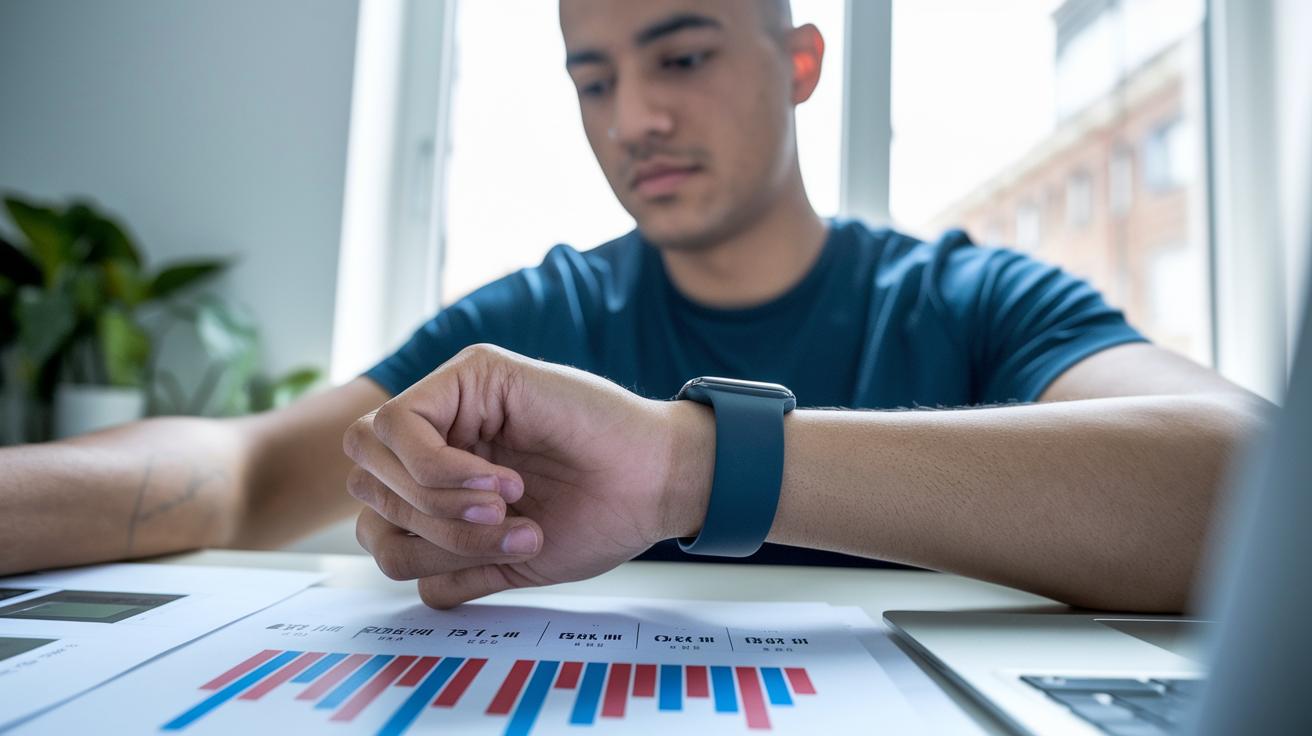
Healthcare trend analysis uses smart techniques to sort through huge amounts of data and find patterns over time. By using electronic health records (EHRs) to get early signs and wearable devices to keep track of vital signs, researchers can notice changes in health habits almost as they happen.
These methods help clinics and researchers forecast health changes and avoid extra costs. By looking closely at different pieces of data from modern sensors and surveys, they can adjust their strategies to give patients even better care.
- Outcome surveys that collect patient feedback over long periods
- Time-series evaluations that track changes in key health signs
- Biostatistical methods that help predict trends accurately
- Long-term surveys following groups of patients over the years
- Mining EHRs and using remote patient monitoring for ongoing insights
When you put these approaches together, you create a strong system for tracking health trends over time. For example, by combining data from EHRs, wearable sensors, and remote monitoring networks, healthcare providers use simple statistical methods to follow patient information. This mix of methods not only makes it easier to understand changing health trends but also helps keep costs down. As doctors keep an eye on important health statistics, they gain better insights for preventive care and personalized treatments, paving the way for smarter, proactive health management.
Core Metrics and Indicators in Long-Term Health Trends
Keeping an eye on your health over time is all about watching key numbers that show how your body works every day. Metabolic health, which covers things like blood sugar, blood pressure, and cholesterol, gives a quick peek into how well your heart and body deal with food and stress. Gut health is another important factor. The variety of tiny microbes in your gut affects your digestion, your immune system, and even how you feel mentally. For instance, checking your gut health can help you decide if you need to tweak your diet, much like experimenting with a new recipe when you feel something’s off.
Tracking these numbers over months or years lets you and your care team catch small shifts early and plan for a healthier future. When you understand these markers, you get a clear picture of your overall vitality and can spot ways to avoid chronic issues before they develop.
Heart rate variability is a straightforward measure that tells you how well your body handles stress. And detailed sleep staging goes a step further than just counting hours; it shows whether your sleep cycles are truly giving you the recovery you need. Mental health metrics, which consider your mood and stress levels, reveal how daily ups and downs impact your well-being. Similarly, body composition measures, like changes in muscle, fat, and bone density, shed light on shifts in your strength and balance.
In short, keeping track of these indicators over the long run is essential for taking preventive care seriously. Even small changes can signal that it might be time to adjust your lifestyle or treatment plan. By watching these markers, healthcare providers can offer advice that fits you better. Overall, these core numbers build a clear picture of long-term health trends and set the stage for smarter, data-driven care.
Technological and Policy Influences on Long-Term Health Trends

Recent tech breakthroughs and new policies are changing how we collect data, meet patient needs, and plan for future health outcomes. Telehealth now lets you talk with your doctor from the comfort of home, making visits faster and less stressful. AI-powered imaging helps doctors diagnose issues more quickly, and robotic surgery boosts precision during tricky procedures. At the same time, policies that focus on value-based care encourage doctors to work together better, cut costs, and improve how patients feel about their treatment. These changes are setting fresh standards for how clinics handle long-term conditions every day.
Wearable devices and smart sensors are a big part of this change. They keep a constant check on important signs like heart rate, oxygen, and blood sugar. Because of this, care teams can catch small changes early on. When you mix this tech with updated treatment guidelines that stress careful, coordinated care, you get results that save money and boost health. Doctors are even using these data insights to personalize care plans, considering each person’s unique health story. As new tools and policies keep coming, healthcare can adapt quickly, leading to smarter, more flexible care for everyone.
Comparative Epididemiemiological Findings in Long-Term Health Trends
Looking at health data over many years, we see some encouraging changes. Studies show that the sizes of different health markets and the money spent on them have shifted a lot. For example, the mental health market is growing, and home healthcare services are becoming more valuable. It’s clear that our health systems are evolving to meet new patient needs while handling ongoing financial challenges.
Over time, even with new care models coming in, some problems still stick around. Public health reports highlight that while investments in mental health and home healthcare keep rising, medical debt in the U.S. remains high. This mix of progress and ongoing challenges reminds us that boosting patient care and easing financial stress go hand in hand with finding fresh ways to treat patients.
| Metric | Value | Projection |
|---|---|---|
| Mental Health Market | $573 billion | 2033 |
| Home Healthcare | $286 billion | 22% growth by 2034 |
| U.S. Medical Debt | $220 billion | Current burden |
These numbers show that while more money is being invested in better care and broader access, financial challenges are still a big issue. It reminds us that smart, creative solutions and clear policies are key to making health care work better for everyone.
Future Projections for Long-Term Health Trends

Looking ahead, health tracking is set to become even sharper with new tools that help doctors and patients spot problems early. Telehealth and home care will grow in popularity, making routine check-ups easier and more comfortable right at home. Soon, advances like AI-powered predictions and genomic testing for treatments will let us adjust care in real time using everyday health signs like metabolic health, gut function, heart rate variability (the natural time differences between heartbeats), sleep patterns, stress levels, and body composition.
Real-time checks on these signs can really boost how we plan our health. Imagine a small device that alerts you to tiny changes in your heart rate variability during a busy day, giving you and your doctor a chance to tweak your routine before any issues show up. With ongoing efforts in mental health paired with these new technologies, we’re setting a new standard for sustainable well-being and better care outcomes. Each fresh tool helps us predict and prevent issues more effectively, paving the way for proactive, personalized care that promotes lasting vitality.
Demographic and Regional Variation in Long-Term Health Trends
Across the globe, health trends change from one region to another based on who lives there and where they live. In wealthier areas, people quickly start using digital health tools like remote patient monitoring and wearable sensors. These smart devices help track health easily and keep a closer eye on any issues. But in poorer regions, high costs and limited access slow down the adoption of these modern tools. This difference raises big questions about fairness in healthcare.
In places like Europe and Japan where many people are getting older, there is a growing need for care that fits their unique challenges with chronic diseases. At the same time, many developing countries are seeing more long-term conditions even though they don’t have the same access to advanced health tracking. Richer regions can invest in the latest technologies to catch problems early, while areas with fewer resources often stick with basic health checks.
Health and well-being change a lot because of social and economic factors. For instance, in the U.S., medical debt has climbed to about $220 billion. This huge figure shows that not everyone can reach the care they need. By recognizing these differences, we can work toward solutions that help everyone stay healthy. It’s important to consider these gaps so that we can build a more equal system for all.
Final Words
in the action, we explored how historical data, modern tracking methods, and technology have reshaped our understanding of wellness. We broke down key metrics and compared trends across patient care, research techniques, and demographics. Our discussion showed how wearables, health records, and surveys paint a full picture of evolving care models and planning. Long term health metrics trends help turn data into decisions that boost everyday vitality. Embrace the insights and keep moving forward with a positive spirit.
FAQ
Frequently Asked Questions
What does life expectancy by country mean?
The life expectancy by country shows the average number of years individuals live based on local health conditions and social factors.
What will life expectancy be by 2050, 2080, or 2100?
The life expectancy projections for 2050, 2080, and 2100 indicate a gradual rise, though precise estimates vary with improvements in healthcare access and regional challenges.
Is life expectancy increasing or decreasing?
The trend in life expectancy is on the rise thanks to improved healthcare and healthier lifestyle choices, though some regions face specific challenges affecting growth.
What are the key health metrics and which metric best describes population health?
Key health metrics include metabolic rates, heart performance measures, and sleep quality, while average life expectancy remains a common, easy-to-understand indicator of overall population health.
What are the 10-year trends for healthcare and details of the Health Trends Report 2025?
The Health Trends Report 2025 highlights a shift toward telehealth expansion, advanced diagnostics with AI, growing home care, cost-effective treatment models, and continuous patient monitoring that guide future academic planning.

