
Have you ever thought that a few simple numbers might reveal more about your health than a trip to the doctor? Every day, your body shares little clues, like your heart rate, blood pressure, and sleep patterns, that together paint a picture of your overall well-being.
Think of these numbers like a school report card for your health. When you keep an eye on them, you can spot small changes early on and make easy tweaks that really add up. It’s all about using everyday details to guide you toward a balanced, healthier life.
So, let’s dive in and discover which numbers matter most.
Comprehensive Overview of Essential Health Metrics
Your health metrics work like a simple report card, giving you a quick snapshot of how you're doing. They break down complex details into everyday insights so that you can see what’s happening in your body. For example, a calm heart rate might help you feel more relaxed on a stressful day.
Here are seven important metrics to keep an eye on:
- Heart rate
- Blood pressure
- Oxygen levels
- Body temperature
- Sleep patterns
- Glucose levels
- BMI
Traditional methods like doctor visits and lab tests give us detailed numbers, while modern devices such as wearables track things like your resting heart rate and steps. Together, these tools help you see trends over time and notice early signs of potential issues. It’s like comparing notes, the more information you have, the clearer the picture of your overall health becomes.
Keeping track of these metrics not only helps you stay informed but also encourages you to make small changes that add up. If you start to notice shifts in your sleep or changes in something like your body temperature, it might be a good idea to rethink your routine. By blending regular checkups with digital insights, you get a complete view of your well-being, empowering you to make simple, healthy choices every day.
Monitoring Cardiovascular Rate, Pulse Rhythm, and Respiration
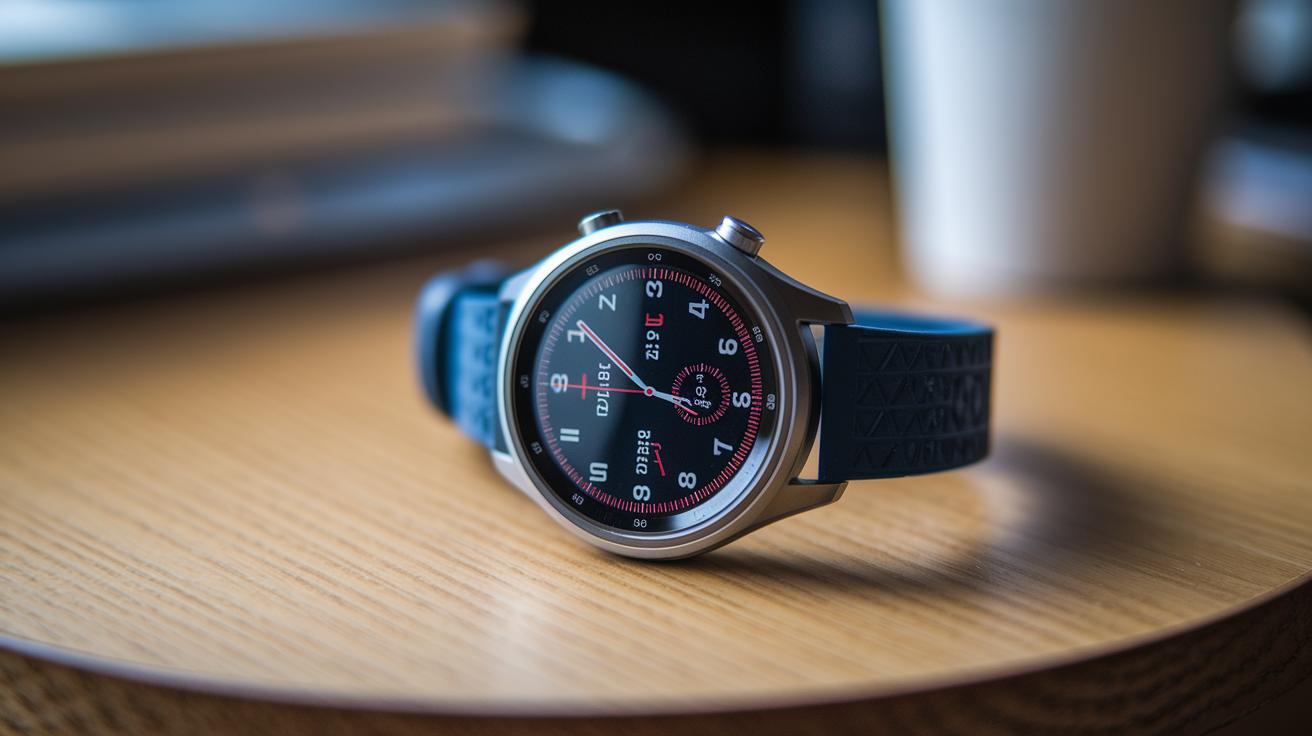
Smartwatches and fitness trackers make it super easy to check your resting heart rate. They also give you a peek at your stress levels by measuring heart rate variability (that’s the natural change between your heartbeats). Home blood pressure monitors work well too, but remember to get their cuffs calibrated regularly so you can trust the readings. For instance, a reading of 115/75 mm Hg means your blood pressure is in a healthy range (90–120/60–80 mm Hg). Wearable sensors also keep track of how fast you’re breathing, though they might not be as spot-on as a checkup from your doctor.
| Metric | Normal Range | Tracking Method |
|---|---|---|
| Heart Rate | 60–100 beats per minute | Smartwatches and ECG |
| Blood Pressure | 90–120/60–80 mm Hg | Home monitors (Hypertension Stages) |
| Respiration Rate | 12–20 breaths per minute | Wearable sensors |
Checking these numbers regularly can help you spot changes early. For example, when I saw my resting heart rate was around 68 beats per minute last month, it made me feel good about my fitness routine. By keeping watch over your heart rate, pulse, and breathing, you can learn how your daily habits and little lifestyle tweaks affect your overall health.
Blood Sugar Assessment and Cholesterol Count Inspection
Keeping an eye on your blood sugar and cholesterol levels is a simple way to understand how your body handles energy and fats. A fasting blood sugar test usually shows numbers between 70 and 100 mg/dL, which gives you a basic idea of how well your body handles sugar. Many people now use continuous glucose monitors that provide live updates about these levels, making it easier to spot any changes in your routine right away.
When you check your cholesterol, your doctor will look at a few important numbers like total cholesterol, LDL (often called “bad” cholesterol, which should be less than 100 mg/dL), HDL (“good” cholesterol, ideally more than 60 mg/dL), and triglycerides (which should be under 150 mg/dL). These numbers tell you if the fats in your blood are in a healthy range to keep your heart strong and your metabolism balanced.
Lab tests are usually more accurate than home kits. That accuracy is key, especially if you start noticing changes in your numbers. For example, if your fasting sugar is creeping up or your LDL is getting too high, it might be time to tweak your diet or add a bit more exercise. Using lab results along with home monitoring gives you a complete view of your health so you can make better choices for your long-term well-being.
Physique Proportion Examination: BMI, Weight Trends, and Body Composition
BMI is found by dividing your weight in kilograms by your height in meters squared. This gives you a simple number that tells you if you’re in a healthy range, usually between 18.5 and 24.9. App trackers let you log your weight over time, so you can spot small shifts that might otherwise slip by. For example, if you see a steady rise over a few months, it might be time to look at your exercise habits or the meals you choose.
Measuring body composition takes a step further than just BMI. It estimates how much of your body is fat using bioelectrical impedance analysis, a method where a tiny electrical current checks your body fat percentage. Many consumer scales use this technique, though the numbers can change with things like hydration. This means that while these digital tools give helpful hints, they might not be as precise as a clinical check-up. It’s best to see these readings as one part of a bigger picture of your fitness.
Combining these measurements can help you make better decisions about your lifestyle. Keeping an eye on both your BMI and your weight trends offers a solid starting point for adjusting your workouts or meal plans. And if you’re hunting for ideas on eating strategies to support weight management, check out the Balanced Diet Food List.
Sleep Quality Survey and Stress Index Appraisal
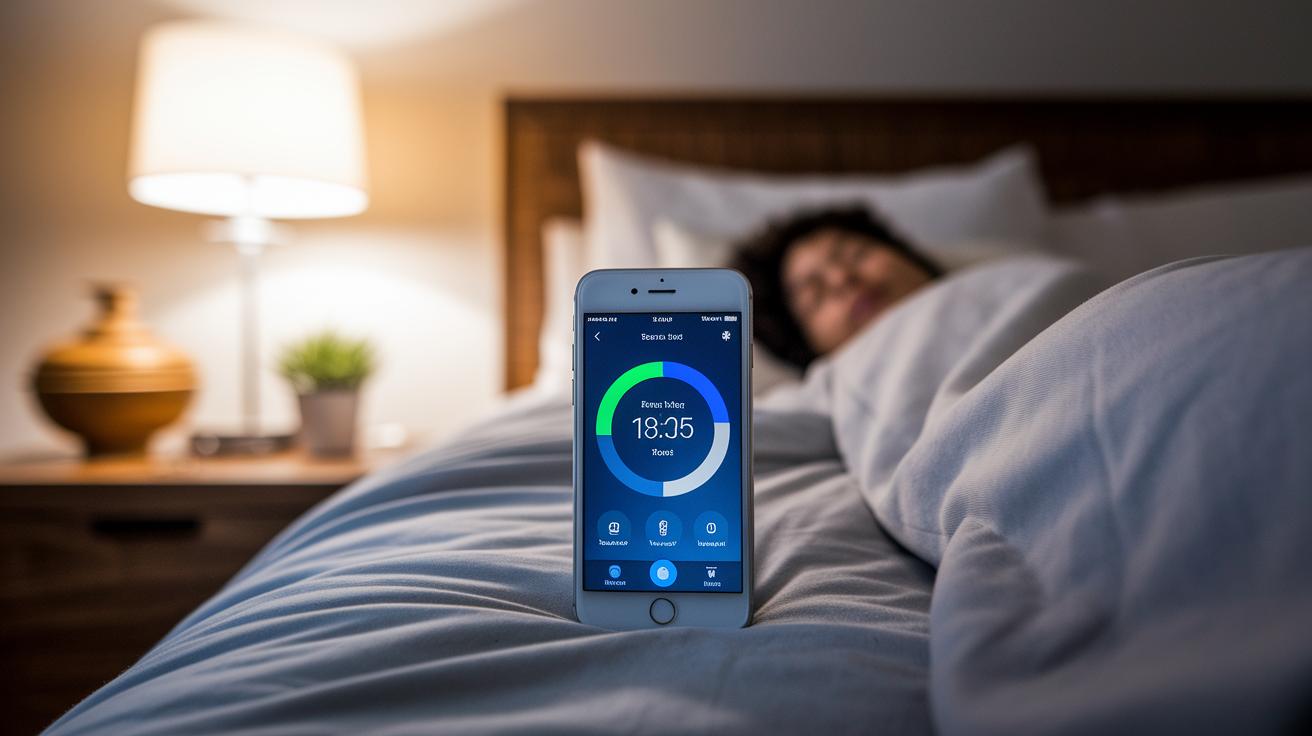
Wearable devices are a great way to see how well you slept. They keep track of your sleep stages, total sleep time, and any times you wake up during the night. They also monitor when you move from light sleep to deep sleep while aiming for that healthy 7 to 9 hours each night. One user even discovered that changing their bedtime routine helped improve their deep sleep, leaving them feeling more refreshed the next day. This survey helps point out what might be stopping you from getting great rest, so you can fine-tune your habits for better recovery.
Checking your stress levels with heart rate variability (HRV) gives you another clear look into your overall well-being. HRV measures the gaps between your heartbeats (basically, the natural pauses between beats); when these gaps are smaller, it often means you’re under more stress. Many devices track HRV trends automatically, so you can see how things change over time without any extra effort. You might also use mood tracking apps to record how you feel, although this needs regular input. Taking a moment to review these insights can help you make small tweaks that boost your energy and keep your mood steady.
Using Devices and Apps for Wellness Gauge Analysis
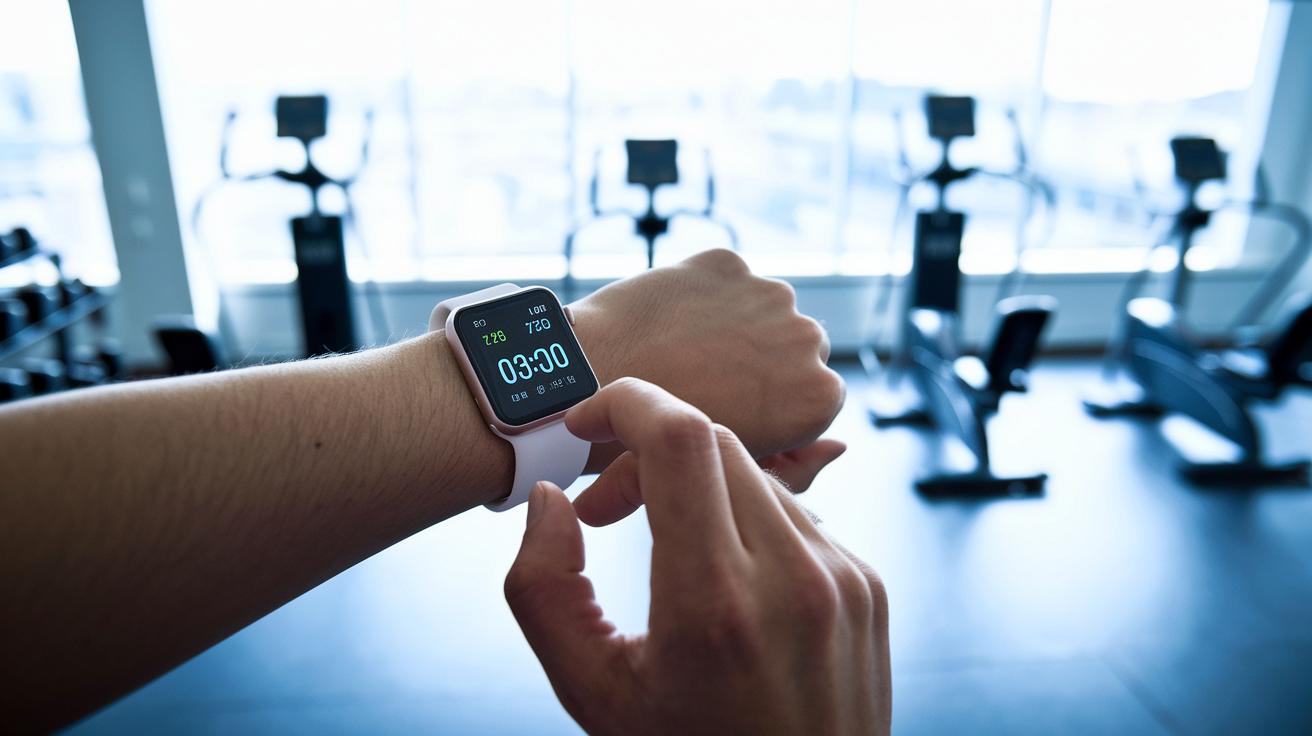
Popular devices like the Apple Watch, Fitbit, Garmin, and Oura Ring let you keep tabs on your steps, heart rate, sleep, and calories burned during the day. They give you up-to-the-minute information, so it’s easy to spot trends and tweak your routine as needed. Some apps even use AI to run full-body scans, checking several health markers (that is, signs showing how well your body is working) to catch issues early, and they work hand in hand with clinical tools like Cardiac Remote Monitoring.
Mobile apps are great because you can log your workouts, meals, and water intake and have it all sync with your wearable devices. This digital approach brings together all your health data into one clear dashboard. When you mark down a workout, for example, you might also explore cardio workout tools to help with weight loss. These tools mix in what you record with the device’s data to give you a true picture of your activity.
Bringing these digital tools into your daily routine means you always have key health info at your fingertips. Apps help you track your meals and hydration so you can see how they support your overall well-being. By keeping an eye on your health with both wearables and smart apps, you get a personal view that helps you make better, informed choices every day.
Establishing a Personal Monitoring Plan for Body Status Evaluation
Start by mixing self-tracking with regular check-ups to get a full view of your health. Keep a simple log of your exercise, meals, and fluid intake along with your personal numbers. Check things like your blood panels, blood pressure, and body composition every week or month to catch little changes. For example, if you notice a slow change in your blood pressure readings at home, you'll know that your doctor’s checkups are confirming what you're tracking.
Combining home tracking with regular visits to a health professional gives you a well-rounded look at your body. Regular reviews, along with yearly check-ups, let you spot potential issues early so you can make small adjustments in your diet, exercise, and hydration, helping you feel better every day.
Final Words
In the action, we explored how monitoring vital signs and body details can help keep tabs on personal health. We talked about measuring metrics like heart rate, blood pressure, and sleep quality, each small data point playing its role in a complete picture. We also looked at using devices and apps to add real-time insights. A balanced mix of digital tracking and routine clinical checks builds confidence in your monitoring plan. Keep up with those essential health metrics to monitor and enjoy every step toward better well-being.
FAQ
Health metrics examples
The health metrics examples include measures like heart rate, blood pressure, blood sugar, sleep quality, and BMI. They offer a snapshot of how your body is performing.
Health metrics to track
The health metrics to track involve readings such as heart rate, blood pressure, glucose levels, BMI, sleep patterns, body temperature, and oxygen levels. They help monitor everyday well-being.
Most important health metrics
The most important health metrics often cover heart rate, blood pressure, blood sugar, cholesterol levels, sleep quality, weight trends, and oxygen saturation. They provide key insights into your overall health.
Health metrics synonym
The phrase health metrics synonym refers to terms like health indicators or measures of health. They describe readings that help assess your body’s condition.
Health Metrics Australia
The term Health Metrics Australia centers on tracking health indicators in an Australian setting. It involves monitoring data to better understand public health and guide policy decisions.
Is there a way to measure the “health” of our economy?
The measure of the “health” of our economy can be seen in figures like employment rates, consumer spending, GDP growth, and inflation. These indicators build a clear picture of economic performance.
Give an example of how one could measure health in each dimension of health
The example shows measuring physical health with heart rate or blood pressure, mental health with mood tracking, social health through support systems, and economic health with employment status.
How to measure health
The way to measure health is by tracking readings like heart rate, blood pressure, blood sugar, sleep quality, and BMI using wearable devices and clinical tests. This combined approach gives a comprehensive view.
What are the key health metrics?
The key health metrics include heart rate, blood pressure, blood sugar, BMI, cholesterol levels, sleep quality, and oxygen levels. They help identify potential issues and guide healthy habits.
What are the 7 cardiovascular health metrics?
The 7 cardiovascular health metrics include resting heart rate, blood pressure, cholesterol, blood sugar, BMI, smoking status, and physical activity levels. They give clear insight into heart health.
What are some key health indicators or measures of health?
The key health indicators or measures include heart rate, blood pressure, blood sugar, cholesterol levels, sleep quality, BMI, and activity levels. They collectively offer a snapshot of your wellness.
What is the best health metric?
The best health metric differs based on individual needs, but many find heart rate or blood pressure most useful, as they are simple to track and provide immediate insights into cardiovascular function.

