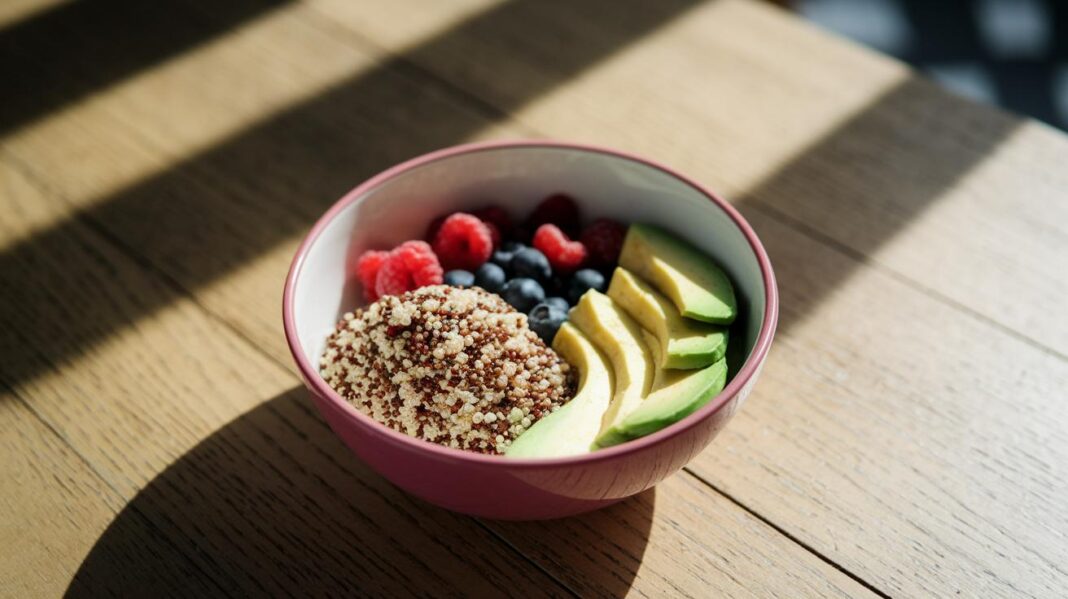
Ever thought about how your meals could spark your day? A balanced plate with everyday foods and superfoods might be just what your body needs.
Regular meals provide proteins, carbs, and fats to keep you going, while superfoods bring in extra antioxidants, vitamins, and minerals that support your health. Think of your plate like a well-tuned engine, each part works together to help you go the distance.
Mixing simple staples with these nutrient-packed additions can fill in nutrition gaps and boost your natural energy. In short, adding superfoods to your meals can turn everyday eating into a steady boost of vitality.
Integrating Superfoods into a Balanced Diet for Health and Wellness
Eating well means choosing everyday foods that give you a good mix of proteins, carbs, and fats along with key vitamins and minerals. It’s about keeping portions balanced while fueling your body with everything it needs to stay energized and healthy. The U.S. Dietary Guidelines suggest filling your plate with fruits, vegetables, lean proteins, and whole grains to keep things on track.
Superfoods are like little power boosters for your body. They pack a lot of antioxidants, vitamins, and minerals into one serving. Think of them as extra bites of wellness that help fill in any nutrition gaps you might have. A bowl of berries, for example, delivers a mix of polyphenols and vitamin C, which can help protect your immune system in a simple and tasty way.
Adding superfoods to your daily meals is a smart move for long-term health. Their natural anti-inflammatory effects and rich nutrients can boost your energy levels and help support your immune system. When you mix everyday foods with these supercharged ingredients, you’re creating a balanced meal plan that helps promote steady energy and overall well-being every day.
Key Principles of a Nutritious Eating Regimen with Superfoods
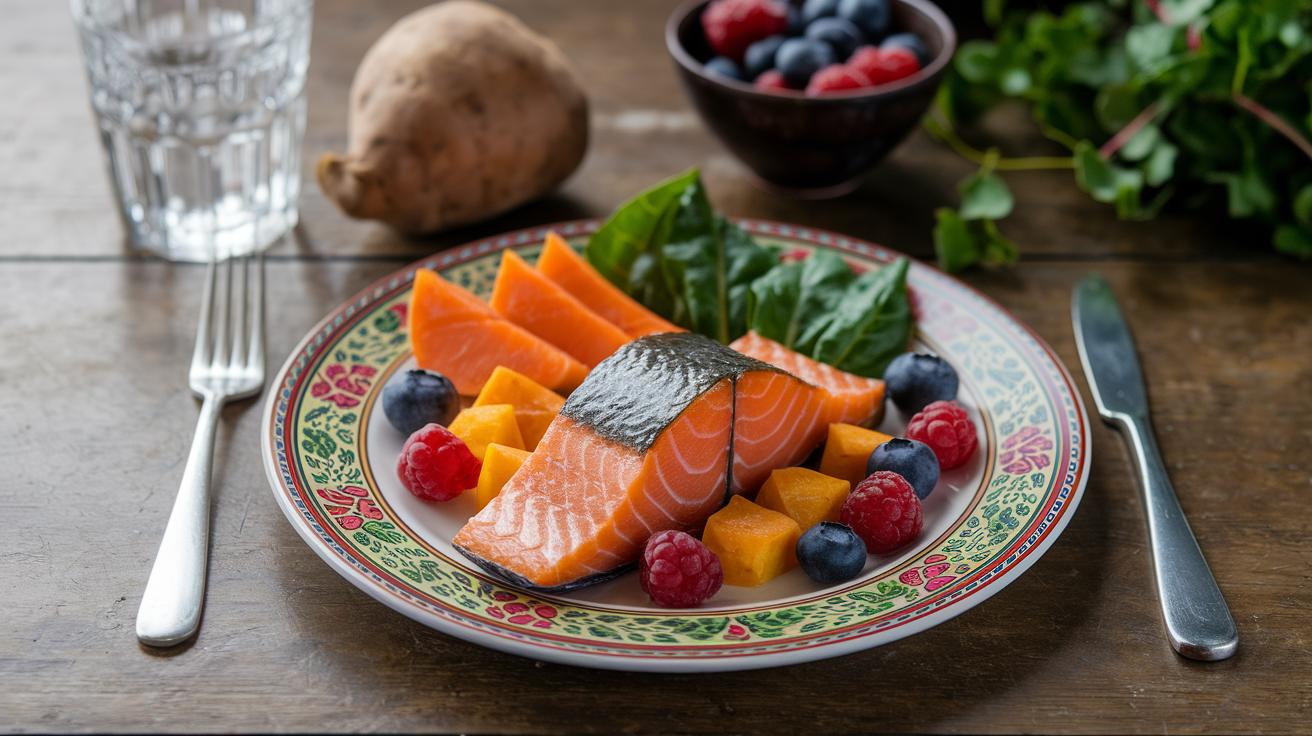
Eating well means including proteins, carbs, and fats in the right amounts to keep you full of energy. Lean proteins help fix and build your muscles, whole grains give you long-lasting energy, and healthy fats boost nutrient uptake. It’s like putting together a meal where every piece has a special role, each ingredient works together like members of a band.
Mixing up your food choices is key to getting all the vitamins and minerals you need. Switching between fruits, vegetables, and beans can fill in those nutrient gaps. You might even jot down a checklist, like “Vitamin C: citrus fruits, bell peppers, strawberries” to remind you of your best sources. This simple habit ties your daily meals to a solid plan for staying nourished.
Superfoods add an extra punch to your diet. They bring a concentrated mix of antioxidants, vitamins, and minerals that work well with your balanced meals. Just a few superfoods, sprinkled into your dishes, can make a big difference, almost like a secret ingredient that boosts flavor and nutrition effortlessly.
Top Nutrient-Dense Power Foods for a Balanced Diet with Superfoods
Eating well isn't just about having enough food on your plate, it's about choosing foods that give you a real boost. Superfoods are natural powerhouses that pack a load of vitamins, minerals, and antioxidants, helping to fight inflammation and keep your heart and digestion in tip-top shape. Including these nutrient-dense foods in your everyday meals makes it easier to enjoy balanced nutrition and steady energy throughout your day.
Think of these superfoods as little helpers that elevate your meals:
- Berries like blueberries, strawberries, and raspberries bring anthocyanins into the mix. These compounds work to ease inflammation and keep your heart healthy.
- Fatty fish such as salmon, mackerel, and sardines offer omega-3 fatty acids, which are known for keeping your brain sharp and lowering triglycerides.
- Leafy greens like kale and spinach are rich in potassium and folic acid. For instance, kale can help manage blood pressure by balancing out sodium.
- Ginger root not only soothes your stomach but can also lift your mood and give your immune system a friendly nudge.
- Sweet potatoes deliver beta-carotene and antioxidants that protect your cells and fight free radicals.
- Brussels sprouts are a great source of vitamins K and C, along with folic acid, magnesium, and vitamin B6 to round out your nutrients.
- Fennel is packed with potassium, magnesium, calcium, iron, and fiber, all of which support smooth digestion and better nutrient absorption.
- Ghee, a well-loved clarified butter that’s free of lactose, has been a traditional favorite for its potential to help your body absorb nutrients more effectively.
These nutrient-rich choices seamlessly fit into a balanced diet, adding both flavor and function to your daily meals while keeping you energized and feeling great.
Crafting Healthy Meal Combinations with Superfoods for a Balanced Diet

Start your morning with a bowl of Greek yogurt or a warm serving of oatmeal topped with fresh berries. The berries bring a natural sweetness and a boost of antioxidants (those are nutrients that help protect your cells), while the yogurt offers a solid hit of protein. This combo not only delights your taste buds but also kick-starts your day with plenty of energy. And if you like a little extra crunch, try sprinkling in a handful of nuts for some healthy fats.
For lunch, mix things up with a vibrant salad made from kale or spinach, roasted sweet potatoes, and grilled salmon. The leafy greens serve up essential vitamins and a crisp texture, and the sweet potatoes add beta-carotene and a bit of natural sweetness. Grilled salmon is packed with omega-3 fatty acids (these are healthy fats that support your heart) and lean protein. Together, they form a balanced meal that is both satisfying and good for your overall well-being.
At midday, treat yourself to a hearty grain bowl featuring black beans, quinoa, and creamy avocado slices. Black beans are a great plant-based source of protein and iron, while quinoa provides all the essential amino acids your body needs. Avocado adds fiber and healthy fats, making this bowl filling and supportive of steady energy and good digestion throughout the day.
Finally, enjoy a mindful dessert with a small serving of dark chocolate that has at least 70% cacao. Its rich flavonoids give you a satisfying finish to your meal while also supporting healthy circulation.
Sample Well-Rounded Balanced Diet Meal Plan Featuring Superfoods
This three-day plan is all about helping you load up on the nutrients you need while keeping your meals both tasty and balanced. It offers a mix of energizing breakfasts, hearty lunches, and satisfying dinners, each featuring a blend of superfoods packed with vitamins, minerals, and antioxidants. We’ve combined everyday ingredients with nutrient-boosting foods to support your well-being and keep your energy steady throughout the day.
| Day | Meal | Key Ingredients | Main Nutrients |
|---|---|---|---|
| 1 |
Breakfast: Blueberry oatmeal Lunch: Kale and quinoa salad with salmon Dinner: Roasted sweet potato with sautéed spinach |
Blueberries, oatmeal, kale, quinoa, salmon, sweet potato, spinach | Fiber, antioxidants, omega-3 (heart-healthy fats), folate, beta-carotene, iron |
| 2 |
Breakfast: Spinach, banana, and acai smoothie Lunch: Brussels sprout stir-fry with tofu Dinner: Lentil and fennel soup |
Spinach, banana, acai, Brussels sprouts, tofu, lentils, fennel | Vitamin C, potassium, vitamin K, protein, fiber, magnesium |
| 3 |
Breakfast: Greek yogurt with a goji berry tea infusion Lunch: Avocado and black bean tortillas Dinner: Grilled mackerel with roasted vegetables |
Greek yogurt, goji berries, avocado, black beans, mackerel, mixed vegetables | Probiotics, antioxidants, healthy fats, fiber, omega-3, a range of micronutrients |
Switching up ingredients with the seasons can make your meals feel fresh and fun. For instance, if kale isn’t available, try using any local leafy green in your salad. Or switch blueberries for a seasonal berry mix in your oatmeal. This little change not only brings in the best flavors but also means you’re enjoying produce at its peak. It’s a win-win for both your plate and the planet.
Anti-Inflammatory and Immune-Boosting Superfoods in a Balanced Diet

When it comes to eating healthily, timing and pairing can make a big difference. Instead of just listing berries, ginger, and fatty fish, think about the best time to enjoy these anti-inflammatory foods. For example, after a workout, try blending half a cup of mixed berries with a teaspoon of freshly grated ginger. This little twist not only refreshes you but also helps your body recover.
Another great idea is to weave immune-boosting foods into your daily meal planning. Rather than repeating the benefits of kale, fennel, and ghee, consider how they work together to support your gut and immune cells. Picture tossing a handful of chopped kale and sliced fennel into a salad, then drizzling a bit of ghee and squeezing some lemon on top. It’s a simple, delicious way to build a plate that truly works for your health.
Smart Grocery Shopping Tips for a Superfood-Focused Balanced Diet
Getting your groceries right can really set you up for a healthy, balanced diet. When you plan your trips with superfoods in mind, each meal turns into both a tasty treat and a boost for your body.
Try picking seasonal or frozen berries. They’re loaded with antioxidants, a fancy word for things that help keep you healthy, and they taste super fresh.
Look for wild-caught or sustainably farmed fatty fish next time you shop. These fish are full of omega-3 fatty acids, which are great for your heart, plus they help support nature.
Choose whole grains and take a quick look at labels. This way, you can avoid extra sugars and too much salt without any fuss.
When washing fruits and veggies, let the water run over them for about 30 seconds. It’s a simple trick to make sure any unwanted residues are gone.
Mix it up with different leafy greens and root vegetables throughout the week. This helps you enjoy a variety of nutrients that your body really needs.
Smart grocery shopping like this not only fills your cart with superfoods, but it can also be easy on your wallet. Enjoying a healthy lifestyle doesn’t have to cost a fortune!
Tracking Daily Nutrient Intake in a Superfoods-Enriched Balanced Diet

Keeping track of what you eat is a simple way to boost your energy and plan your meals smartly. When you note down your daily food, you can see how superfoods work together with other ingredients to create a balanced diet. You’ll also get a clear idea if you’re getting enough of the big energy makers, proteins, fats, and carbohydrates (called macronutrients, which power your body), and the little helpers like vitamins and minerals (micronutrients, which support overall health). This friendly habit helps you gradually fine-tune your meals for better nutrition every day.
- Write down your macronutrient balance. Try to aim for about 30% of your calories from proteins, another 30% from fats, and the remaining 40% from carbohydrates. This mix can keep your energy steady and support muscle work.
- Keep an eye on your micronutrients. For instance, get around 75–90 mg of vitamin C and about 4,700 mg of potassium each day to help your body handle stress and keep your cells healthy.
- Count your servings. Aim for at least 5 daily servings of fruits and vegetables so you cover all the essential vitamins and minerals.
- Plan antioxidant-packed meals, especially in the morning. Early meals can boost your body’s ability to absorb these important nutrients, giving you a strong start to the day.
Using this checklist can really help simplify your meal planning and make sure your superfoods give you the energy you need every day.
Final Words
In the action, the article showcased how a daily routine can benefit from a balanced diet with superfoods. It explained the basics of balancing macronutrients and micronutrients, then highlighted power-packed foods that help reduce inflammation and support immunity.
The article also offered simple meal plans, grocery tips, and tracking ideas to mix these nutrient-dense picks into your life. This practical guide leaves you better prepared to make smart, positive choices every day.
FAQ
What are the 25 superfoods?
The phrase “25 superfoods” refers to a curated list of nutrient-rich foods that provide high levels of antioxidants, vitamins, and minerals. It’s a general guide rather than an official count.
What are the 7 superfoods?
The query about 7 superfoods highlights a selection of key, nutrient-dense foods known for supporting health. This list typically emphasizes items such as berries, leafy greens, and nuts.
What are the top 10 superfoods?
The term “top 10 superfoods” describes a list of highly regarded foods due to their dense nutrient profiles. Such lists usually include berries, leafy greens, fatty fish, and other nutrient powerhouses.
What do superfood lists include and which ones are best?
Asking about superfood lists covers guides ranking nutrient-packed foods. These lists vary but generally spotlight options rich in antioxidants and essential vitamins, helping you choose well-balanced additions to your diet.
What are the disadvantages of superfoods?
Discussing the disadvantages of superfoods means noting that they do not provide all essential nutrients by themselves and can be costly. A varied diet is necessary to achieve balanced nutrition.
What are healthy foods to eat every day?
The idea of healthy foods for daily eating revolves around choosing nutrient-dense options that support overall wellness. Incorporating superfoods along with a variety of other food groups helps create a balanced diet.
How can I incorporate superfoods into my diet?
Incorporating superfoods involves adding nutrient-dense items to your meals. Mix berries into yogurt, toss leafy greens into salads, and include fatty fish at lunch to create a simple yet balanced eating plan.
What is the number one healthiest food in the world?
The concept of a single healthiest food oversimplifies nutrition. A balanced, varied diet is best since no one food provides all the necessary nutrients for optimum health.
What are the 5 supreme superfoods lists for weight loss?
Referring to supreme superfoods for weight loss points to lists that focus on nutrient-rich and low-calorie foods. These lists often include items that promote satiety, support metabolism, and aid in maintaining energy balance.

