
Ever wonder if a walk could help shed that stubborn fat? You don't need crazy gym routines to see results. Imagine mixing a gentle stroll with quick bursts of speed and even a bit of uphill walking. Each part works together to burn more calories and make your legs stronger.
In this post, I'll show you how a mindful walking workout can brighten your day, help trim fat, and build your strength. Give your routine a fresh twist that sparks your metabolism while setting you up for long-term fitness.
Comprehensive Walking Workout Blueprint for Weight Loss
This plan mixes easy-paced walking, bursts of power walking, and some uphill challenges to boost your calorie burn and build leg strength. By switching between slower parts and quick pick-ups, you give your body a chance to push hard during the power walks and then recover during the casual pace. It's a great way to lose fat while also strengthening your legs.
Aim for 3 to 5 workouts a week, totaling about 150 to 300 minutes of moderate walking. This steady routine keeps your heart working and makes sure you're burning fat while improving your overall fitness over time.
Here’s what you can try:
- Alternate between a steady pace, quick power bursts, and uphill challenges.
- Stick to 3–5 sessions a week for a total of 150–300 minutes.
- Adjust your route with varying inclines to work the glutes, hamstrings, and calves.
- Keep a strong core, relaxed shoulders, and let your arms swing naturally.
- Consider using light weights, like wrist weights or a weighted vest, for extra resistance.
- Stay consistent and add occasional strength training to help boost your metabolism.
Using lightweight accessories and focusing on your posture can really enhance the results. Keeping your core engaged, shoulders relaxed, and arms swinging naturally helps protect your back as you build strength. Regular routines, paired with a bit of strength training, offer a well-rounded approach to weight loss and overall vitality. This plan not only cranks up your calorie burn during each session but also lays the groundwork for lasting improvements in muscle tone and metabolism.
Specialized Walking Techniques for Enhanced Fat Loss

Brisk Step Technique
Walking at a brisk pace is a great way to boost fat burning. Try to walk at around 100 to 120 steps per minute so your body stays active without getting too tired. Start at a comfortable speed and then slowly pick up the pace until you reach this count. It’s a bit like tuning a song, each step should match a steady beat, much like dancing along to your favorite tune. Over time, focus on taking light, quick steps instead of long strides, which turns your walk into a fun way to burn more calories.
Incline Modification Strategy
Adding a little slope to your walk can make your muscles work harder, especially in your glutes, hamstrings, and calves. Begin with a gentle incline of about 1 to 2 percent. As you get used to it, you can slowly increase the incline to between 5 and 8 percent. Think of it like adding a bit more weight when you exercise. For example, start off with a slight hill for a few minutes, then switch to a steeper slope in the middle of your session and finish with a peak before easing back down. This simple change not only builds muscle strength but also helps you burn extra calories with every step.
Interval Walking Framework
Mixing up your walking speed by alternating bursts of power walking with moments of recovery can keep your heart rate up and make your workout more effective. Walk quickly for about 1 to 3 minutes and then slow down for 1 to 2 minutes, repeating this cycle 5 to 10 times. This pattern lets you push your body a bit harder in short bursts while giving it time to catch up. Using a timer or a fitness app can help keep these intervals on track. As you get fitter, you might find you can extend the fast segments and shorten the rest breaks, which boosts both your calorie burn and endurance.
Planning and Tracking Your Weight Loss Walking Schedule
Start by building your walking plan on a solid foundation and using digital tools to keep an eye on your progress. A fitness tracker or smartphone app can show you your steps, pace, and distance in real time, making it easy to fine-tune your workouts. For example, you might jot down, "Today’s incline pushed my pace a bit faster, and I felt more energized" to celebrate those small victories.
Below is a sample five-day walking schedule that combines digital tracking with a clear workout plan:
| Day | Workout Type | Duration | Intensity |
|---|---|---|---|
| Monday | Steady Walk | 30 min | Moderate |
| Tuesday | Power Intervals | 25 min | High |
| Wednesday | Recovery Walk | 30 min | Light |
| Thursday | Incline Challenge | 30 min | Moderate to High |
| Friday | Mixed Pace Walk | 35 min | Variable |
Feel free to adjust your plan based on the data you gather. You might add 5–10 minutes to your sessions or increase the incline as you get more comfortable. For instance, you could note, "Added an extra 5 minutes today and saw my step count jump noticeably." This way, you easily blend digital tracking with your overall workout plan.
Safety and Motivation Strategies for Walking Workouts
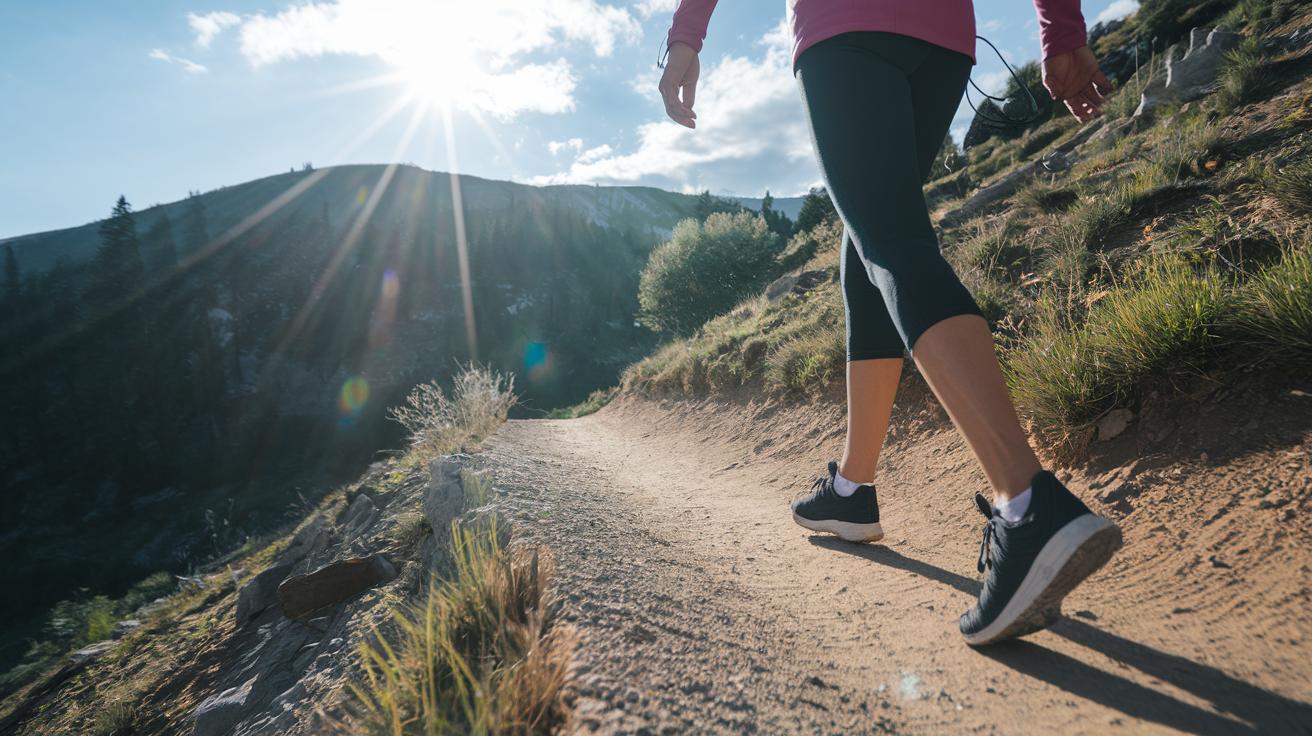
When you head out for a walk, safety comes first. Pick a pair of supportive, cushioned shoes and remember to swap them out every 300 to 500 miles so you don’t overwork your feet. Start with an easy 5-minute warm-up to get your muscles moving and end with a 5-minute cool-down to look after your joints. Keeping your core tight and your back straight is like tuning up a high-performance machine before a race, it helps keep you moving smoothly.
Staying motivated makes your walks more fun and easy to stick with. Try adding a lively music playlist or an interesting podcast, or even ask a friend to join you. Set small, clear goals, say, bumping up your daily steps by 500, and track your progress to celebrate every little win. For example, you might note, "Today I added 500 extra steps and felt really energized!" These little victories can be a great boost. Mixing in social time and manageable targets makes your walking routine both exciting and effective, while also building lasting healthy habits with every step.
Walking Workout for Weight Loss: Energize Your Day
Pair your daily walk with smart food choices. Try to eat a little less than you burn by focusing on lean proteins, whole grains, fruits, and veggies. For example, start your morning with a veggie omelet and a slice of whole-grain toast. This kind of breakfast fuels your body without overdoing the calories. Eating right helps your body tap into stored fat while you walk, making every step more effective. Check out this balanced diet menu for weight loss at https://healthlystats.com?p=1169 and consider adding fermented foods to boost gut health by visiting https://healthyfax.com?p=1955. These options support muscle repair and keep your walks nutritious.
On top of eating well, try adding a strength training session once or twice a week. This helps build muscle and boosts your resting metabolism. Also, make sure you get 7 to 9 hours of quality sleep every night and include some gentle stretching or light yoga on your off days. This mix not only speeds up fat loss but also helps maintain your energy and keeps your hormones balanced. Stay consistent with your walking and recovery plan, and you’ll see real benefits.
Final Words
In the action, our post broke down a clear walking workout for weight loss plan that mixes steady paces, power bursts, and incline challenges for a calorie-burning boost. We highlighted how to schedule sessions, track progress, and use safety tips, while pairing workouts with balanced nutrition and light strength work. Every step matters and a consistent walking routine can make a real difference in tracking your progress and enjoying better health. Keep moving and embrace the energy each walk brings.
FAQ
FAQs on Walking and Weight Loss
Q: What are effective walking workouts for weight loss?
A: The free, 30-minute, 20-minute, and full-body walking workouts cater to beginners, those at home, and anyone looking for variety. They mix steady pace with incline challenges to boost calorie burning.
Q: Can I lose belly fat and weight by walking?
A: The idea that walking helps reduce belly fat and overall weight holds true when paired with a balanced diet and regular exercise, although individual results can vary.
Q: What is the best time for walking to lose weight?
A: The best time for walking is when you can consistently fit it into your schedule, making it easier to form a regular exercise habit that supports weight loss.
Q: What is the 12 3 30 walking method?
A: The 12 3 30 walking method sets the treadmill to a 12% incline, uses a speed of 3 mph, and lasts 30 minutes, offering an intense workout to help burn more calories.
Q: What is the 6 6 6 walking routine?
A: The 6 6 6 walking routine suggests walking six minutes at a steady pace, repeating this for six rounds to cover a specific distance and boost endurance for weight loss.
Q: How do alternative exercises like power walking, jogging, aerobics, Nordic walking, burpees, and dance complement walking workouts?
A: The use of power walking, jogging, aerobics, Nordic walking, burpees, and dance adds variety that can increase cardiovascular benefits and overall calorie burn while keeping workouts engaging.

