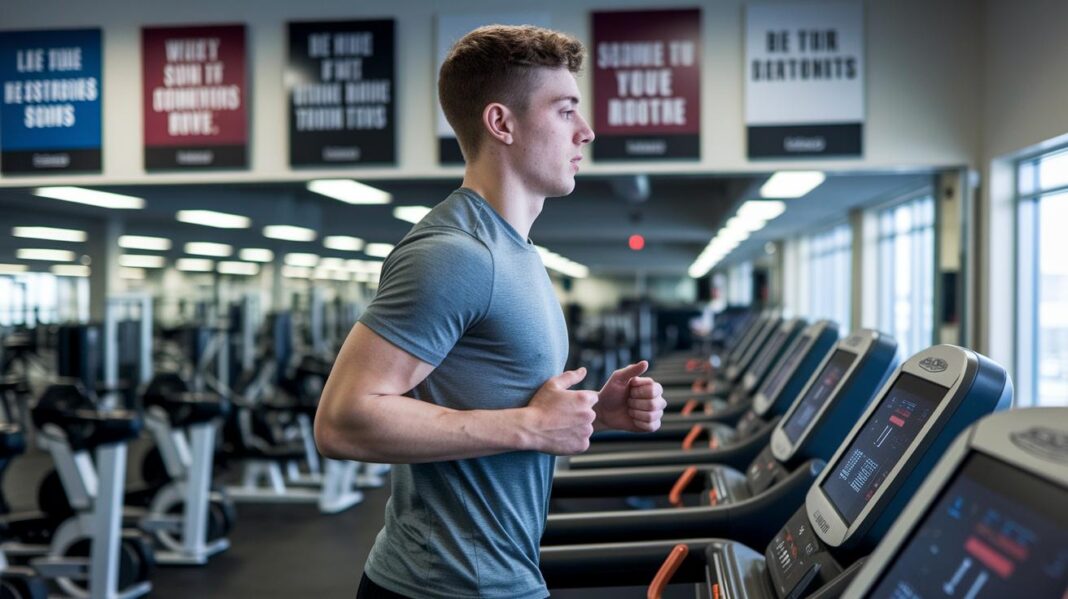
Have you ever wondered if sweating it out might help melt stubborn fat? High-energy cardio gets your heart working hard and can burn up to 800 calories in one hour. So, whether you're running, cycling, or even jumping rope, you're burning calories and fueling your body. Think of your body like a furnace, each workout adds more heat and energy. In this post, you'll find out how a personalized cardio routine can help clear away fat and boost your overall fitness. Let's get that heart pumping and set the stage for a more energetic you.
How Weight Loss Cardio Workouts Melt Fat and Burn Calories
Cardio gets your heart pumping fast and helps your body burn more calories, which is great for weight loss. When you run or jog, for instance, you can burn anywhere from 600 to over 800 calories in one hour. If you’re looking for a gentler option on your joints, try an elliptical machine. It burns about 450 to 600 calories per hour. Cycling also does a great job, burning between 400 and 750 calories, while rowing, which works about 85% of your muscles, burns roughly 400 to 700 calories each hour. And don’t forget jump rope; in just an hour, it can help you torch around 600 calories.
A good weekly plan might be 150 to 300 minutes of moderate cardio or 75 to 150 minutes of high-intensity sessions. This mix beats up your endurance while giving your body a chance to recover. Whether you enjoy a steady pace or heart-racing drills, every type of cardio plays a part in melting fat and boosting overall fitness.
| Workout | Calories Burned (per hour) |
|---|---|
| Running | 600–800+ |
| Elliptical | 450–600+ |
| Cycling | 400–750+ |
| Rowing | 400–700+ |
| Jump Rope | 600 |
Here are a few workout ideas:
- 5 sessions of 30 minutes of moderate cardio each week
- 3 sessions of 20 minutes of high-intensity drills each week
- Or mix it up with 3 moderate sessions and 2 HIIT sessions during the week
At-Home Weight Loss Cardio Workouts: HIIT and Low-Impact Exercises

At-home HIIT workouts can help you burn up to 500 calories in just one hour by switching quickly between bursts of activity and brief rests. A common approach is doing 30 seconds of intense exercise followed by 15 seconds of rest. This fast pace gives your metabolism a boost and makes working out easier to fit into your day. Think of it as a fun way to get your heart racing and burn fat right in your living room.
Here are five moves you can try with the suggested times:
- Burpees – 30 seconds on, 15 seconds off
- Mountain climbers – 30 seconds on, 15 seconds off
- Jumping jacks – 30 seconds on, 15 seconds off
- High knees – 30 seconds on, 15 seconds off
- Squat jumps – 30 seconds on, 15 seconds off
If high-impact moves feel too tough, you can swap them out for lower-impact options like marching in place or doing step touches. These alternatives are easier on your joints while still giving you a nice metabolic boost. Aim for a workout session that lasts between 20 and 30 minutes. This way, you can adjust the intensity to what feels right for you and still enjoy an effective calorie burn and improved endurance.
Gym-Based Weight Loss Cardio Workouts: Equipment and Endurance Drills
Walking into the gym can feel like opening a door to a bunch of calorie-burning workouts. Using different machines means you can mix strength with endurance, helping your body burn more fat. For instance, try a treadmill workout with 4 minutes of effort followed by 4 minutes of rest. It makes your heart work hard and boosts your metabolism. A 155-pound person can burn about 422 calories in an hour. You can learn more about this workout by checking out Treadmill Interval Workouts here: Treadmill Interval Workouts.
The stair climber is another great choice. Its steady, rhythmic movement not only strengthens your legs but also improves your heart health. This machine can burn roughly 550 calories per hour. Rowing machines, which work nearly 85% of your muscles, provide a full-body workout and may burn around 733 calories in an hour with continuous use.
If you want a high-intensity burst, give assault bikes a try. They let you push yourself and take breaks when you need to. Depending on the effort you put in, you may burn between 20 and 30 calories a minute. That means a 30-minute session can burn anywhere from 600 to 900 calories. For more ideas on these types of drills, check out Stationary Bike Routines here: Stationary Bike Routines.
| Equipment | Sample Drill | Estimated Calories (30 min) |
|---|---|---|
| Treadmill Incline | 4×4 minute intervals | 211 |
| Stair Climber | Steady pace climb | 275 |
| Rowing Machine | Continuous rowing | 367 |
| Assault Bike | Variable intensity sprints | 600–900 |
Interval Training in Weight Loss Cardio Workouts: HIIT and Sprint Sessions

HIIT Basics: Overview of work/rest ratios and EPOC benefits
HIIT means pushing yourself hard for about 20 to 30 seconds and then taking a brief pause that’s usually as long, or even a bit shorter, than your burst. This style gets your heart racing and keeps you burning calories even after you’re done. That extra calorie burn is called EPOC, which stands for excess post-exercise oxygen consumption (in plain language, your body stays in fat-burning mode). It’s a fast and effective way to lose fat while helping build up your endurance and strength.
Sprint Protocols: Sample sprint sets and recovery
Sprint intervals go a step further by asking you to give it everything you've got. For example, doing 10 sprints of 30 seconds each, with a full minute of rest in between, may burn about 500 calories in one session. These workouts mix intense cardio with muscle-strengthening moves, sometimes even plyometrics, to keep your heart rate high and your body working hard.
- Tabata (20 seconds on, 10 seconds off)
- 30/30 Intervals (30 seconds sprint, 30 seconds rest)
- Pyramid Intervals (increasing work and decreasing rest periods)
- Sprint 10×30 (10 sprints of 30 seconds with 1 minute recovery)
Designing a Weight Loss Cardio Workouts Plan: Frequency, Intensity, and Duration
Start your workout with a solid warm-up, then move into your main session before ending with a cool-down. Begin by gently waking up your body with 5–10 minutes of light exercise. For example, try a brisk walk around your block, it's a simple way to get your heart beating steadily.
When it's time for the main workout, mix things up with some steady effort and a few bursts of high energy. This blend not only makes your routine more engaging but also helps build both endurance and strength. After that, take another 5–10 minutes to cool down with static stretches to ease muscle tension and promote flexibility.
A good weekly plan might include:
- 2 moderate runs to boost endurance
- 2 high-intensity interval sessions for short bursts of energy
- 1 light cardio session for active recovery to help your body bounce back
Safety and Progress Tracking in Weight Loss Cardio Workouts

Before you start your workout, take a few minutes for a warm-up. A brisk walk or a few light arm swings is a simple way to get your muscles and joints ready. It's like giving your body a friendly nudge to say, "Hey, we're about to get moving!" And by wrapping up with some gentle, slow stretches, you help your muscles relax and lower the chance of injury.
Hydration is key, too. Try drinking 500–600 ml of water a couple of hours before you exercise, then keep a small bottle handy and sip around 200 ml every 15 minutes during your workout. Keeping your heart rate steady is important as well. Aim for 50–70% of your maximum heart rate if you're doing a moderate workout and 70–85% if you're up for a more challenging session. This approach helps you burn fat safely while keeping your body in check.
Keeping track of your progress can really boost your motivation over time. Jot down your weight, body fat percentage, and how well you're performing. This information will help you adjust your routine and see just how far you've come!
- Start with a dynamic warm-up and finish with cool-down stretches.
- Hydrate by drinking 500–600 ml two hours before and about 200 ml every 15 minutes during your workout.
- Aim for heart rate zones of 50–70% HRmax for moderate sessions and 70–85% HRmax for vigorous efforts.
- Track your progress using weight, body fat percentage, and performance metrics.
Nutrition Tips to Fuel Weight Loss Cardio Workouts
Eating the right food before and after your workout can make all the difference. About 30 minutes before you start, have 20–30 grams of carbs, think of a banana or a slice of toast, to give you clean energy for your session. After you're done, grab 20–25 grams of protein within an hour so your muscles can repair and stay lean. Simply put, protein works like a repair crew for your muscles after burning fat during cardio.
Staying hydrated is just as important as your food choices. Drink 500–600 ml of water before you begin, and if your workout stretches on, sip on an electrolyte drink to keep your body in top shape. Also, aim for 1.2–2.0 grams of protein per kilogram of your body weight each day. These habits work together to ensure you have enough energy for your workout and proper recovery afterward.
- Have a small carb snack 30 minutes before you start.
- Enjoy a protein-rich snack within an hour after exercising.
- Drink 500–600 ml of water before your session.
- Sip on electrolyte drinks during longer workouts.
- Aim for 1.2–2.0 grams of protein per kilogram of body weight daily.
Final Words
In the action, we've explored how weight loss cardio workouts melt fat while boosting daily energy. We covered home routines, gym drills, and interval sessions that help raise your heart rate and build balanced weekly plans. Practical tips on safety, progress tracking, and nutrition round out a complete guide that turns everyday health data into real, actionable insights.
Simple steps and consistent workouts can spark noticeable improvements. Remember, every effort counts as you work toward lasting vitality and a healthier new you.
FAQ
How can I do weight loss cardio workouts at home without equipment?
The weight loss cardio workouts at home use bodyweight moves like jumping jacks, high knees, and burpees to boost your heart rate and burn calories without any special gear.
How much weight can I lose if I exercise one hour of cardio every day?
The one hour of cardio daily burns between 400 and 800 calories based on intensity, generating a calorie deficit over time that may result in steady weight loss.
Which cardio exercise burns the most fat and is best for weight loss?
The cardio exercises that burn the most fat include running, jump rope, and high-intensity interval workouts because they significantly elevate your heart rate and maximize calorie burn.
Is 30 minutes of cardio a day enough to lose weight?
The 30 minutes of cardio daily can be enough for weight loss when paired with a balanced diet and regular activity, but results depend on workout intensity and your personal fitness level.
What is the 4/30-10 method for weight loss?
The 4/30-10 method for weight loss is an interval training style that alternates four minutes of activity with a 30-second burst of high intensity followed by 10 seconds of recovery to boost calorie burning.

