Ever wonder if eating healthy has to cost a lot? You might be surprised to find out that a balanced meal filled with vitamins and minerals can be budget-friendly. We’re here to share some easy tips for shopping smart and planning simple meals filled with bright fruits, filling vegetables, and whole grains.
With a bit of easy planning and a quick look in your pantry, you can whip up meals that not only taste good but also save you money. So, why not give it a try and see how you can enjoy healthy food without spending a fortune?
Key Principles of a Balanced Diet on a Budget
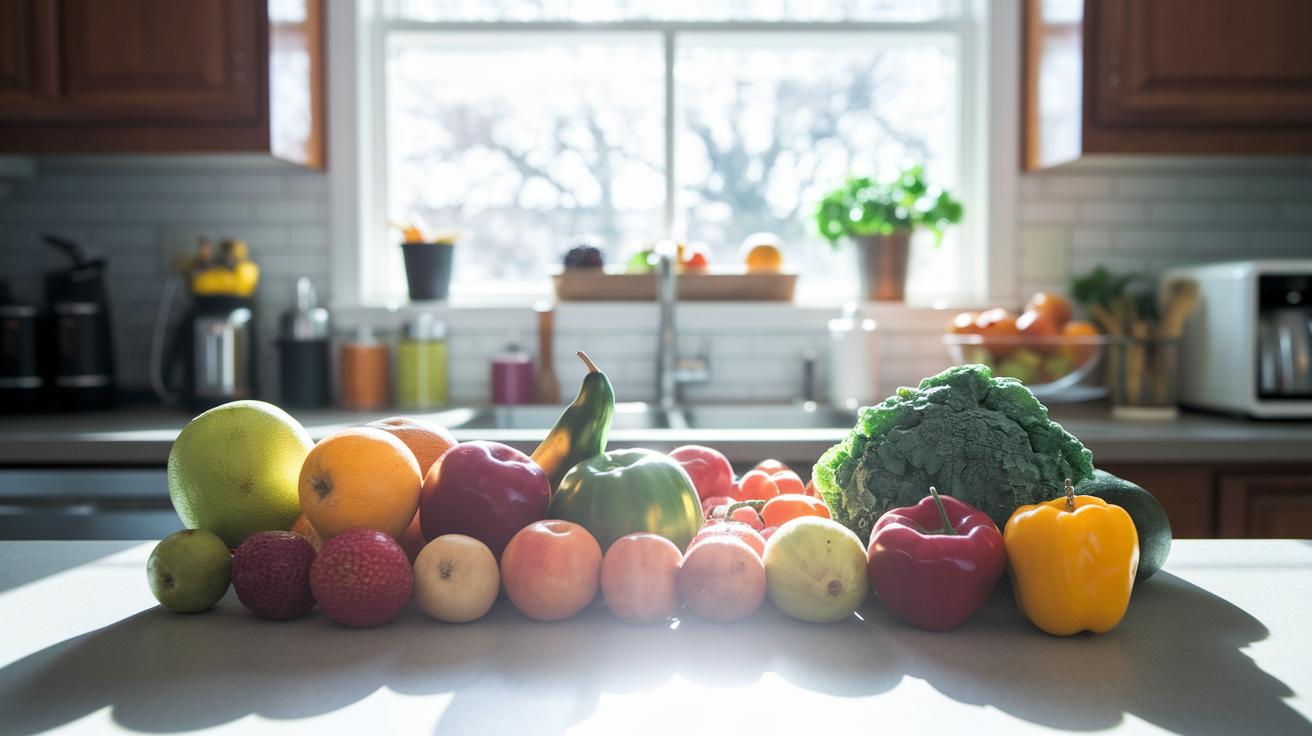
Eating well even when money is tight comes down to making smart choices that help both your health and your wallet. A balanced diet means enjoying foods full of fiber and natural goodness like antioxidants (substances that help protect your cells) and things that reduce inflammation. Think of everyday items like fruits, vegetables, and whole grains. Planning a bit ahead can really help; checking what you already have in your pantry, fridge, and freezer can stop you from wasting food or buying the same items twice. What is a balanced diet
Before you head out to shop, try having a small snack. When you aren’t shopping on an empty stomach, you’re less tempted to grab extra stuff you don’t need. A well-thought-out meal plan makes it easier to include all the food groups without overspending, keeping meals both delicious and affordable. Holistic diet
- Check your kitchen for what you already have before you shop
- Eat a light snack beforehand to avoid impulse purchases
- Choose a variety of colorful fruits, vegetables, and whole grains
- Look into help programs like SNAP for extra support
It’s important to mix up the foods you eat so your body gets plenty of vitamins and minerals. Try to fill your plate with a rainbow of colors and look for deals by buying in bulk or picking up seasonal produce. For older adults, budget-friendly options like non-fat dried milk powder or large tubs of plain, low-fat yogurt can really help stretch your dollars. Even if you have an average SNAP benefit of about $188 a month, a little careful planning can lead you to eating well while keeping your spending in check.
Smart Grocery Shopping for a Balanced Diet on a Budget
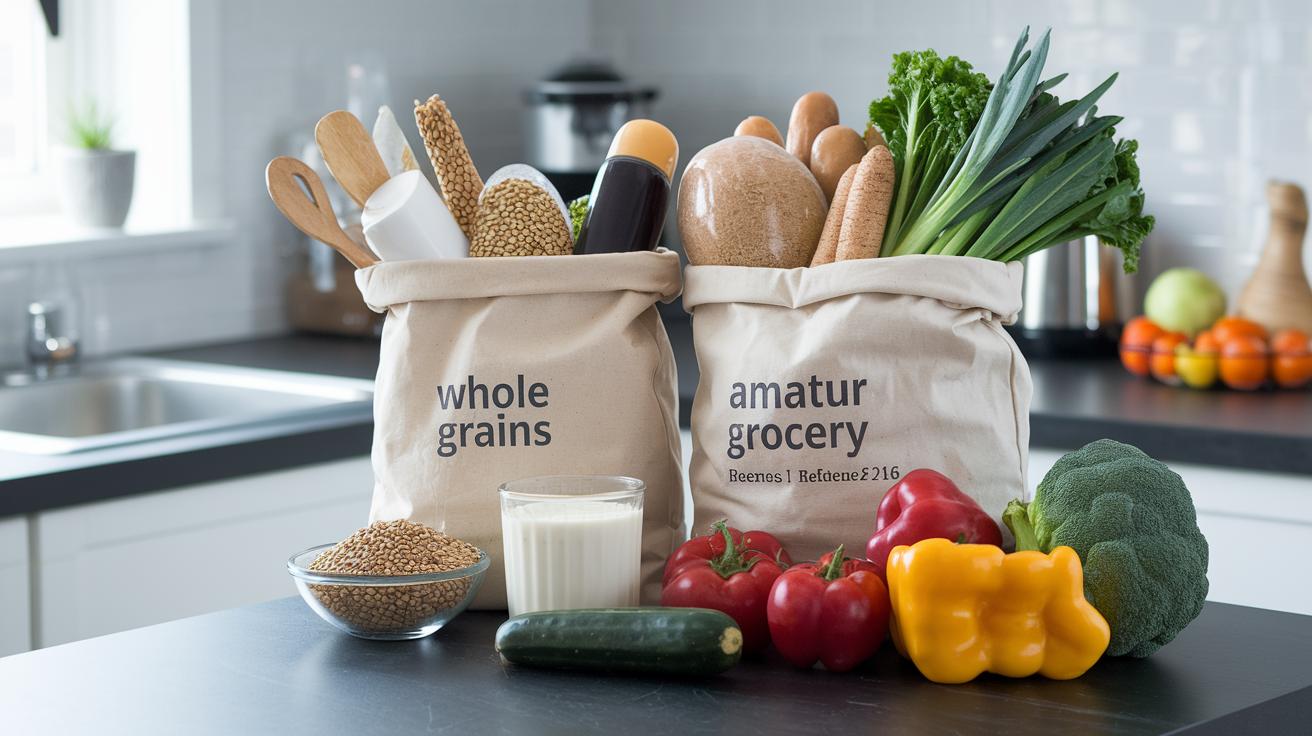
When you're planning your next grocery trip, think about picking foods that pack a nutritional punch without emptying your wallet. Try to grab whole grains like brown rice, barley, millet, oats, and whole-wheat pasta when they are on sale. These items even freeze well, so you can keep them around for longer. Dairy can be budget-friendly too, choose nonfat dried milk powder or a big container of plain, low-fat yogurt for a healthy dose of nutrients. And don’t forget beans! Both dried and canned versions offer lean, affordable protein. Fresh fruits and vegetables are great for vitamins and minerals, and their frozen forms can save you money during off-peak times.
Planning ahead is key to avoiding those impulse buys that can sneak up on you. Before you head out, take a moment to check what you already have in your kitchen so you only buy what you really need. A little snack before your shopping trip can help curb hunger, keeping you focused on your budget-friendly list. When you compare prices and buy in bulk where possible, you're setting up a pantry full of nutrient-packed basics that support a balanced diet. This smart approach not only boosts your health but also makes each dollar count, ensuring every grocery trip leaves you feeling satisfied in more ways than one.
| Food Category | Budget-Friendly Option | Primary Benefit |
|---|---|---|
| Grains | Brown rice, barley, millet, oats, whole-wheat pasta | High fiber and versatility |
| Dairy | Nonfat dried milk powder; plain low-fat yogurt | Nutrient density and cost savings |
| Protein | Dried and canned beans | Lean protein at low cost |
| Produce | Seasonal fresh fruits & vegetables, frozen alternatives | Fresh vitamins and extended shelf life |
| Snacks | Bulk nuts and seeds, popcorn kernels | Healthy energy and affordability |
Low-Budget Meal Prep Ideas for Balanced Nutrition
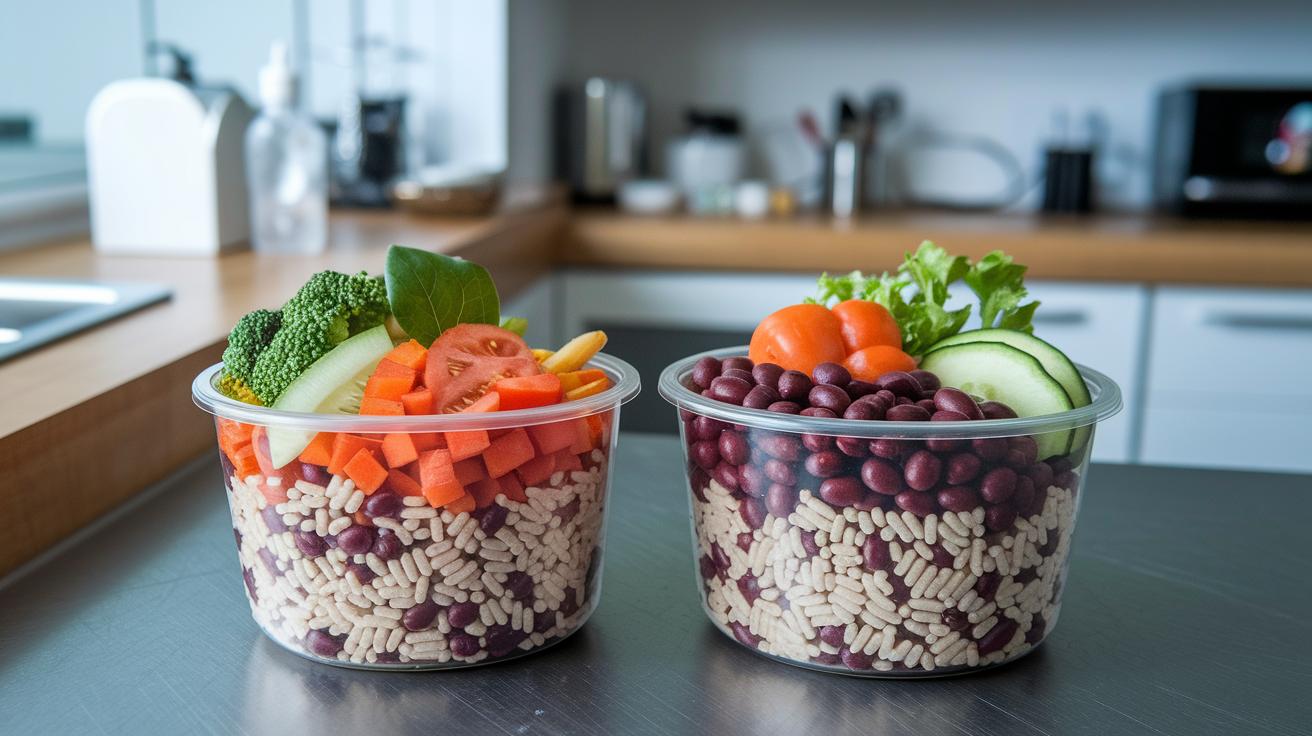
Meal prepping on a tight budget can be fun and straightforward. It’s all about planning meals that are both good for you and friendly to your wallet. When you cook in big batches using everyday ingredients, you can enjoy a mix of balanced meals all week long and cut down on food waste. One great dish to try is Rice and Beans Salad, where you use 1½ cups of uncooked brown rice, canned beans, and whatever seasonal veggies you have on hand.
Batch Cooking Basics
Start by cooking large recipes that can be split into smaller servings. When you prepare a whole pot of your favorite stew or rice dish, you save time and money. It’s a simple trick: measuring your ingredients carefully not only helps with keeping portions in check but also minimizes waste. Consider setting aside a few days a week just for reheating leftovers. This way, each meal gets its moment to shine while keeping your diet balanced.
Versatile Ingredient Swaps
Look around for wallet-friendly ingredient alternatives that don’t skimp on nutrition. For example, instead of pricier meats, try using beans or lentils. Frozen vegetables work well too, especially when fresh ones are off-season. These simple swaps can turn a basic recipe into something both creative and satisfying. By adding a spoonful of plain low-fat yogurt or a side of fermented veggies, you boost both flavor and healthy benefits without spending a lot.
Storing Meals Safely
Keeping your prepped meals fresh is key. Use airtight containers to store your portions and remember to label each one with the date. Items you plan to eat in a few days should go in the fridge, and larger batches that need to last longer can be frozen. This method keeps your meals tasty and nutritious, ensuring you always have a healthy option ready to grab while keeping waste and costs low.
Affordable Balanced Meals: Sample Budget-Friendly Meal Plans
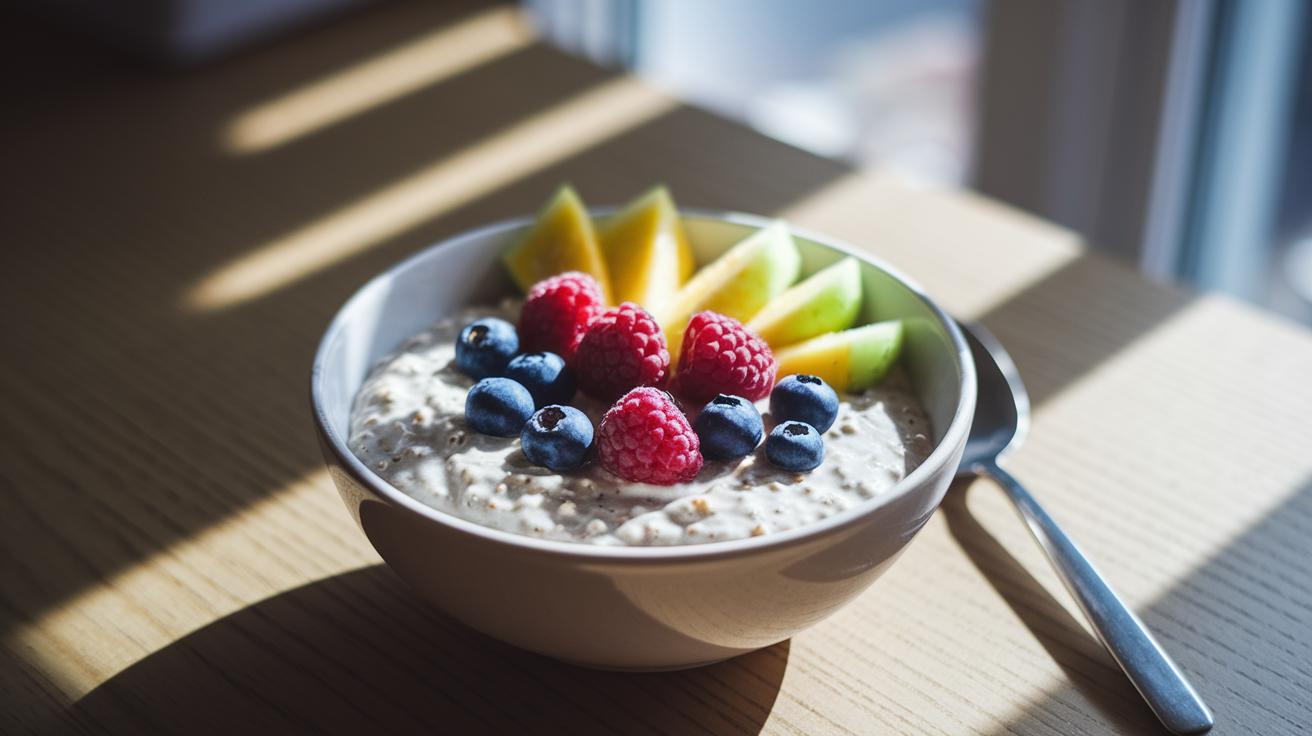
Imagine starting your day with a satisfying breakfast that fuels your body without emptying your wallet. For instance, try a bowl of overnight oats mixed with fresh fruit. This combo gives you hearty whole grains and a natural, sweet kick. At lunch, a veggie-packed grain bowl featuring mixed greens, quinoa, and a light splash of olive oil fills you with vitamins while helping to keep cholesterol in check and blood pressure steady. Dinner can be both nourishing and budget-friendly. Picture a warm bowl of bean soup paired with whole-grain bread, offering lean protein and a good dose of fiber. For more daily ideas, check out this Balanced Diet Meal Plan that shows simple swaps to cut costs while keeping nutrition high.
In another affordable menu, smart ingredient swaps let you enjoy new flavors without overspending. For example, you might replace pricier meats with protein-packed beans or choose frozen veggies during off-peak seasons. A breakfast of overnight oats can be made creamier and richer with a spoonful of plain yogurt, adding extra protein without a higher price tag. At lunch, create a colorful grain bowl using seasonal produce and a handful of nuts for crunch. Dinner could feature a soup loaded with bulk-buy legumes and served with whole-grain bread to help lower inflammation and boost heart health. Each meal idea combines fruits, vegetables, whole grains, lean proteins, and dairy in a simple, effective way that makes healthy eating both fun and affordable.
Frugal Eating Strategies to Maintain a Balanced Diet on a Budget

Turning everyday grocery trips into money-saving adventures is easier than you might think. Start by clipping coupons and picking generic brands, these often give you the same nutrients as name-brand items but without the high cost. For example, generic canned beans or store-brand whole grains can lower your grocery bill a lot. And when you buy things on sale, plan your meals around those deals. It’s like piecing together a puzzle: each sale item fits in to create a nutritious meal plan. Buying in bulk, freezing extras, or joining a loyalty program are all smart moves to make your budget go further.
Another great trick is to lean into home cooking and even try growing a few basics. Packing your own lunch and cooking at home not only keeps your meals balanced but also cuts down on expensive restaurant bills. Imagine planting a small garden with tomatoes or lettuce; it’s fun, gives you fresh veggies, and you get the satisfaction of making your own food. These habits help you eat well and live a healthier, more budget-friendly life.
Building a Budget-Conscious Pantry for a Balanced Diet
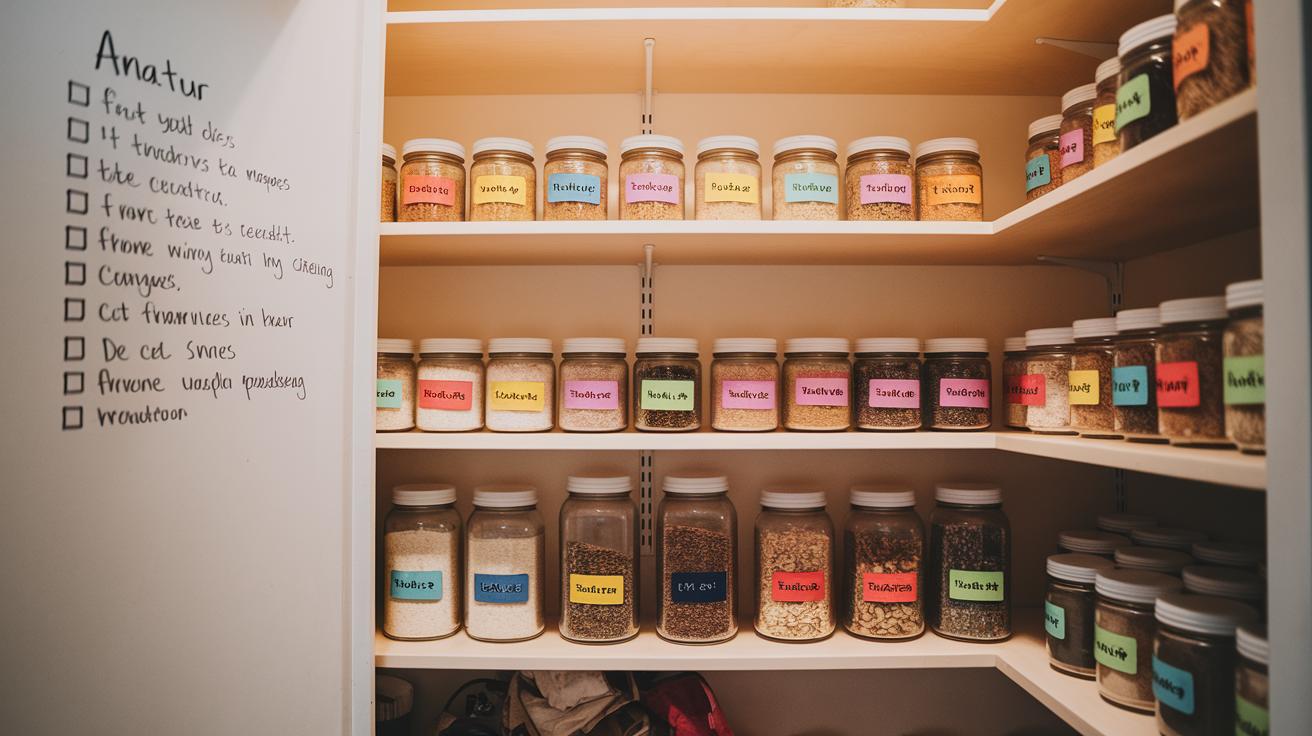
Keep your pantry neat by using a simple list to track what you have and when items expire. You could use a basic spreadsheet or even a handwritten checklist that you update after every shopping trip. Write down foods you need to use soon and set a weekly reminder to check your supplies. This way, you avoid buying too much and keep everything in order.
Try using a "first in, first out" method to make sure you use up the items before they spoil. Label your shelves with the dates you bought the items, and use different colors to highlight foods that are close to expiring. For example, if you notice a colored tag on a jar of beans, plan a meal that includes them. This simple trick helps save money and cuts down on food waste.
Final Words
In the action, this article has laid out key principles for enjoying smart grocery shopping, meal prep ideas, sample menus, frugal eating habits, and pantry tips. It highlighted ways to plan your meals, plan ahead and reduce waste while keeping meals nutritious and exciting.
By using tools like inventory checks and creative swaps, you can build a balanced diet on a budget that fits your lifestyle and boosts daily vitality. Embrace these steps and feel confident with every bite.
FAQ
What balanced diet on a budget template or PDF is available?
The balanced diet on a budget template or PDF outlines simple meal ideas with affordable ingredients, helping you plan nutritious meals without overspending.
How do I eat cheap and healthy for a week?
Eating cheap and healthy for a week means planning meals ahead, using affordable staples and seasonal produce to create balanced dishes that support your nutrition and energy needs.
How can I eat healthy on a budget, lose weight, and plan meals efficiently?
Healthy meal plans and grocery lists offer clear steps to choose smart, low-cost foods that control portions and support weight loss while keeping your diet balanced.
What is the cheapest balanced diet?
The cheapest balanced diet centers on basic whole grains, seasonal fruits, vegetables, lean proteins, and low-cost dairy, giving you essential nutrients without a high expense.
How do I eat a well-balanced diet on a budget?
Eating a well-balanced diet on a budget means planning ahead, checking your pantry, and choosing a mix of affordable nutrient-rich foods that cover all food groups.
What is the 50/25/25 rule diet?
The 50/25/25 rule diet divides your meal into roughly 50% carbohydrates, 25% proteins, and 25% fats to help you meet nutrient needs in a balanced way.
What are the 7 key elements of a balanced diet?
A balanced diet includes fruits, vegetables, whole grains, lean proteins, dairy or alternatives, healthy fats, and plenty of water to help keep your body in top shape.

