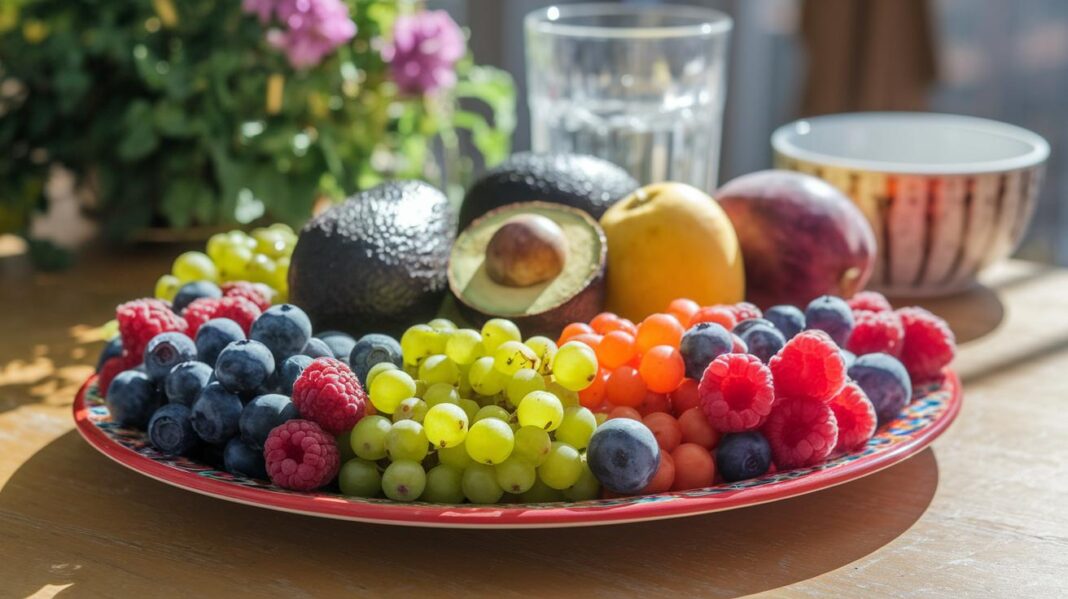
Have you ever wondered if the food you eat really makes you healthy?
A good diet isn’t just another meal plan. It’s about filling your body with natural foods that keep you feeling energized and great. In this guide, we break down the basics and show you how fresh foods can boost your energy while cutting out extra calories from processed meals.
Let’s explore how every bite can lead to a healthier, happier you.
Achieving a Balanced Diet: Core Principles Explained
Eating well means giving your body the right mix of nutrients to work its best. It involves choosing foods rich in vitamins, minerals, and other great nutrients. For more information, check out What Is a Balanced Diet. Picking these nourishing foods each day helps you stay energized, supports healthy growth, and keeps you feeling good overall.
Fresh, whole foods like fruits, veggies, whole grains, and lean proteins pack a real punch. They keep your energy steady and even boost your immune system. In contrast, processed foods often come loaded with additives and don’t offer as many essential nutrients. By choosing fresh ingredients, every meal turns into a little boost for your body, helping it work better day by day.
Calories are simply a measure of the energy your body gets from food. Whether you’re walking, thinking, or even just breathing, your body uses these calories to power itself up. By keeping an eye on how much energy you’re taking in, you can enjoy eating while staying balanced and not overdoing it.
Nutrient Breakdown for a Balanced Diet: Macronutrients and Micronutrients
Macronutrients
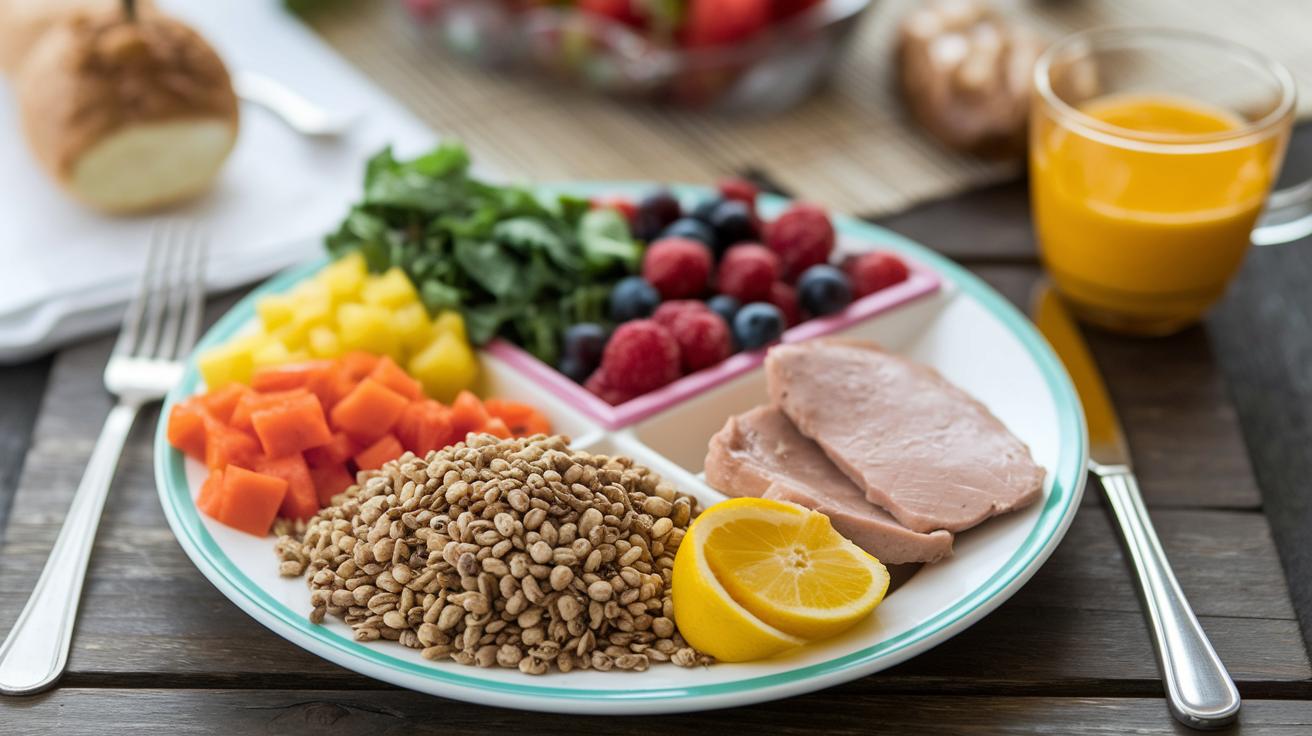
Macronutrients are the big groups of nutrients that keep our bodies running: carbs, proteins, and healthy fats. Carbs give you energy and help your digestion work right, especially when you choose fiber-rich options like whole grains and fruits. Proteins help fix muscles and build important parts of your body, like enzymes. Whether you choose beans, nuts, or lean meats, proteins come with extra benefits like fiber and extra nutrients. Fats are key for keeping your cells healthy and fueling your energy. Think of olive oil and a handful of nuts as great ways to add healthy fats. A balanced meal might look like a plate filled mostly with carbs, a bit of protein, and a small portion of fats. Imagine starting your morning with a warm bowl of oatmeal, sprinkled with berries and a few almonds, each spoonful gives you energy and feels just right.
Micronutrients
Micronutrients are the vitamins and minerals that you need in smaller amounts but are super important for keeping you strong and feeling good. Vitamins like A, C, and D do jobs like helping you see well, protecting your cells, and keeping your bones tough. Minerals such as iron help move oxygen through your blood, and calcium keeps your bones strong. Eating a mix of colorful fruits and veggies is a tasty way to get these essential nutrients. Picture a bright salad with red bell peppers, spinach, and juicy orange slices, each bite packs a different kind of healthy boost that keeps you feeling your best. If your body doesn’t get enough of these micronutrients, you might feel more tired and get sick easier.
| Nutrient | Role | Food Sources |
|---|---|---|
| Carbohydrates | Energy, fiber | Whole grains, fruits |
| Proteins | Muscle repair, enzymes | Lean meats, beans, nuts, soy |
| Fats | Cell health, energy | Olive oil, nuts |
Portion Control Methods Within a Balanced Diet
The USDA MyPlate guide shows how you can set up your plate to keep your energy up all day. Imagine your plate split into easy parts: half of it filled with bright fruits and veggies, one-quarter with whole or enriched grains, and the last quarter with lean protein. A serving of dairy, like a cup of milk or a small bowl of yogurt, and a little bit of healthy oil, such as olive or avocado oil, complete the meal.
This method keeps things simple. It stops overeating and gives you a slow release of energy, which can really help you feel steady throughout the day. Try to measure out grains, proteins, dairy, and oils using standard portions. This way, your meals keep a good balance that supports steady energy and healthy habits.
Here's a quick look at the ideal setup:
| Plate Section | What to Include |
|---|---|
| 50% | Colorful fruits and vegetables |
| 25% | Whole or enriched grains |
| 25% | Lean protein |
| Additional | Dairy serving (like low-fat yogurt or milk) |
| Added Sparingly | Healthy oils (olive, avocado) |
Keeping your portions in check is a tried-and-true way to manage weight and build healthy eating habits day in and day out. It’s a simple trick that can make a big difference in keeping your energy and well-being on track.
Meal Planning Tips for a Complete Guide to Balanced Diet
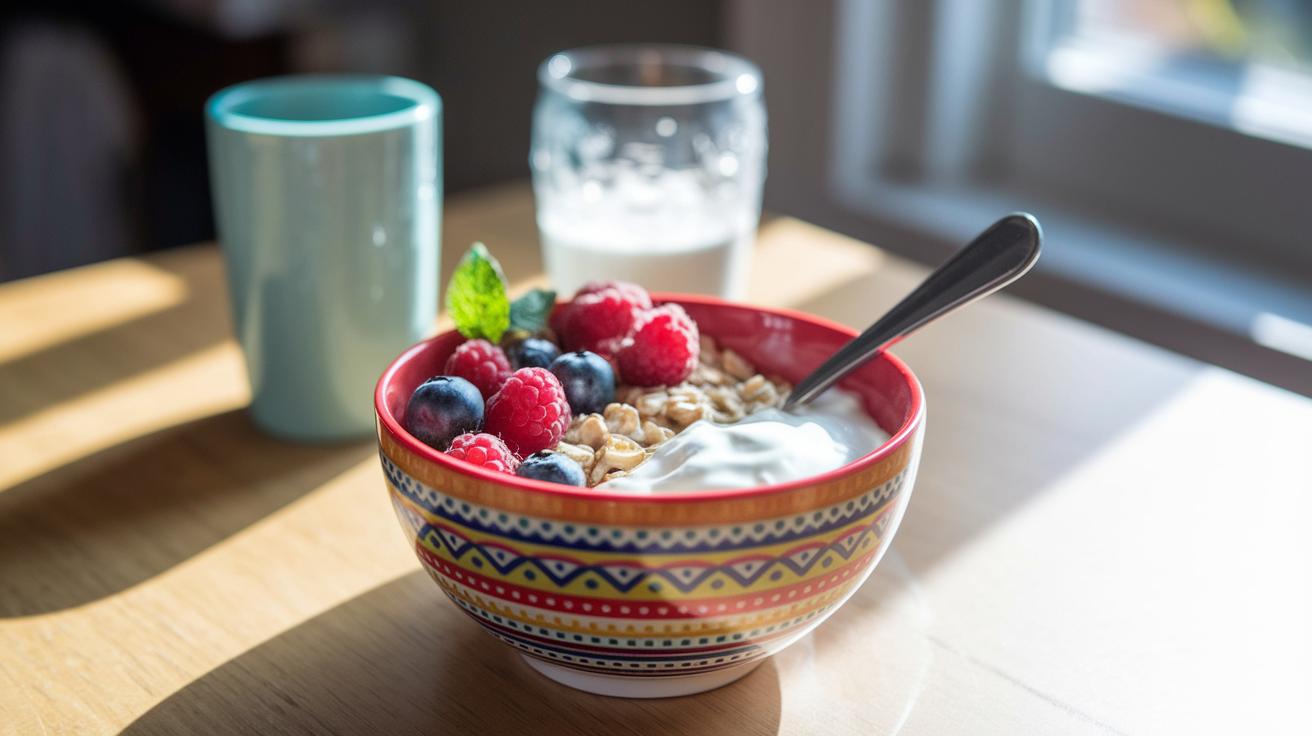
Creating a balanced menu means putting together foods that work well together to fuel you throughout the day. It’s about planning meals and snacks that mix fruits, vegetables, proteins, whole grains, and even dairy or healthy fats. Every bite you take gives your body a little extra boost. Imagine starting your morning with a bowl of oatmeal, a handful of berries, and a side of yogurt – each part naturally adds up to keep your nutrient goals on track.
A great tip to try is the rule of threes. This means including at least three food groups in each meal. Picture a lunch with a lean protein like grilled tofu or chicken, a wholesome grain such as quinoa or brown rice, and a colorful mix of vegetables. This way, you cover your essential nutrients while keeping things interesting and filling. Small swaps, like choosing fresh fruit over a processed snack, can help build healthier habits over time.
For planning your week, set aside time for grocery shopping and mapping out your meals. Write a list that mirrors your balanced meal ideas, and don't forget to include budget-friendly choices. Keep your plan flexible so you can allow for a little treat here and there. Try new recipes that adjust to your changing tastes, making healthy eating a practical and enjoyable part of your day.
Seasonal and Locally Sourced Produce Benefits
Did you know that fruits and veggies grown in season can taste better and pack more nutrients? In fact, during peak harvest, tomatoes grown locally might offer up to 25% more vitamin C than their imported cousins. That means each bite is fresher and healthier.
Eating produce from nearby farms supports your local community. It helps local farmers thrive and cuts down on the time food spends traveling, keeping it crisp and full of natural flavor.
Choosing seasonal and local produce isn’t just good for your body, it also builds a stronger community and reduces waste. It’s a simple way to enjoy food at its best while giving back to the neighborhood.
Sustainable Practices and Myth Busting in a Balanced Diet
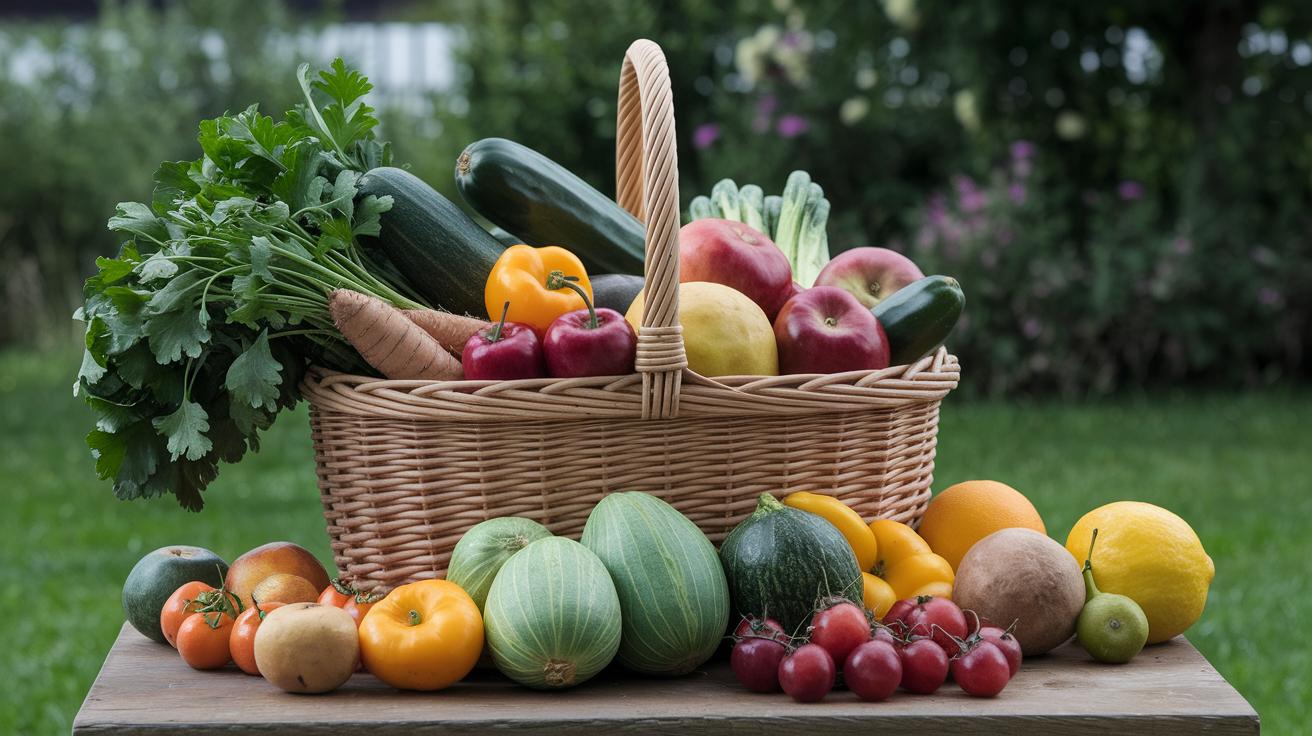
When you shop in an eco-friendly way, try to pick seasonal, local, and organic produce whenever you can. This simple choice cuts down on the energy used during transportation and gives you whole, minimally processed foods. It’s like choosing foods that are good for your health and kind to the planet.
A lot of people think there's one magic diet that works for everyone or that counting every single calorie is the secret sauce for good health. But the truth is, no single diet fits all, and what really matters is the richness of the nutrients you get, not just calories. And, while some assume organic always comes with a high price tag, flexible and sustainable eating habits show that clean eating can be both affordable and practical.
Sticking with this balanced, sustainable approach can really pay off over time. A diet packed with whole foods may help ward off chronic diseases and keep your energy steady. In the end, these sustainable practices support your overall well-being in a real, lasting way.
Final Words
In the action of balancing healthy meals, we broke down nutrient roles, portion control, meal planning, and whole food benefits that power our bodies. Eco-friendly practices and myth busting gave fresh insights into lasting well-being.
Using our complete guide to balanced diet, readers now have easy steps to embrace balanced choices and track key health metrics. Every bite makes a positive impact on daily vitality and long-term wellness.
FAQ
What is a balanced diet food list?
The balanced diet food list means including fruits, vegetables, whole grains, lean proteins, healthy fats, and water, which together provide essential nutrients for overall health.
What does a balanced diet chart look like?
The balanced diet chart outlines proper portions for fruits, vegetables, grains, proteins, and dairy, serving as a guide for creating well-rounded meals at home or even for a school project.
What does a complete guide to a balanced diet for adults cover?
The complete guide to a balanced diet for adults explains meal planning, proper portion sizes, and nutrient breakdowns, highlighting whole food choices that boost energy, immunity, and overall wellness.
How would you define a balanced diet with an example?
The balanced diet is defined by including a mix of food groups; for instance, a meal may feature grilled fish, brown rice, steamed vegetables, and a side of fruit.
What is a 7-day healthy eating plan for a balanced diet?
A 7-day healthy eating plan organizes meals by ensuring each day includes a mix of fruits, vegetables, whole grains, lean proteins, and healthy fats to maintain steady energy and nutrition.
What are the 7 things you need in a balanced diet?
The 7 key components are fruits, vegetables, whole grains, lean proteins, dairy, healthy fats, and water, all working together to build a nutrient-rich diet.
What is the 80/20 rule for eating?
The 80/20 rule for eating means that 80% of your diet should come from nutrient-dense whole foods, while the remaining 20% can include occasional treats to keep eating enjoyable.
What is the #1 healthiest food in the world?
The designation of the #1 healthiest food varies, but many experts praise leafy greens like spinach for their abundant vitamins, fiber, and antioxidants that support overall health.

