
Did you ever think a little cough could turn into a big problem? One tiny droplet from someone sick can start a chain reaction that touches many lives.
In this post, we chat about simple habits that help keep us healthy. Using real-time health checks, getting your shots, washing your hands, wearing masks, and keeping a bit of space all work together. And when we share clear, easy-to-understand advice, it stops germs from spreading out of control.
Taking care early can stop bigger outbreaks later. It’s amazing how little changes can make a big difference in our everyday health. Read on to see how these small steps can really add up.
infectious disease outbreak prevention: Proactive care
An outbreak happens when sickness in a community goes beyond what we normally expect. A single cough can send tiny droplets into the air, quickly infecting people nearby. This clear reminder shows why even small signs of illness need our attention before they turn into a bigger problem.
We build our plan around five simple steps: real-time tracking of illnesses, mass vaccination programs, good community hygiene and clean spaces, basic safety measures like masks, distancing, and quarantine, and clear crisis communication.
These steps work together to keep outbreaks under control. Real-time tracking uses modern digital tools to spot illnesses as they start. For example, by combining lab results, clinic reports, and community data, health workers get early warnings about a rising trend. In simple words, even a small change in the numbers gets noticed so action can be taken fast.
Mass immunization is another strong piece of our plan. When lots of people are vaccinated, the disease finds it much harder to spread, it's like building a protective wall around everyone. This is why vaccines are so important for stopping diseases like measles or cholera.
Keeping our communities clean also matters a lot. When we improve water and sanitation systems, we reduce the places where harmful germs can thrive, making it tougher for diseases to take hold.
Simple safety measures like wearing masks, keeping a little distance, and properly using quarantine can slow down the spread right away. And when emergencies hit, straightforward and friendly communication helps build trust and guides everyone on what to do.
A single cough can disperse droplets that quickly infect several bystanders, proving even small symptoms need careful attention. Modern tools, like wearable technology that aids early preventive care, add an extra layer of digital monitoring to help us catch issues before they grow.
Strengthening Disease Surveillance for Early Outbreak Prevention

Modern systems now integrate advanced computational models and geospatial data analysis to forecast outbreak hotspots. AI-powered methods process epidemiological data alongside detailed location mapping, offering precision beyond standard lab reports and clinical data. For example, during the Ebola outbreak, refined geospatial techniques and machine learning pinpointed concentrated risk zones before conventional methods signaled concern.
Integrated Outbreak Analytics Systems
Advanced computational models now isolate subtle shifts in spatial patterns to predict hot zones. Start with a surprising fact – "In one instance during the Ebola response, an AI model processed geotagged infection data to forecast a concentrated outbreak area months ahead of traditional signals." This technical approach refines resource allocation and pinpoints intervention zones with greater accuracy.
Digital Alert Platforms
New digital alert systems incorporate AI to automatically differentiate significant signals from data noise. Imagine receiving an alert that highlights a high-risk area, flagged through a blend of geospatial analytics and real-time computation. These refined digital tools provide health authorities with prioritized insights that extend beyond mere data monitoring.
| Case Study | Technical Approach |
|---|---|
| Ebola Outbreak | AI-assisted geospatial analysis forecasted hotspot zones before standard systems detected rising cases. |
| Emerging Infections | Machine learning models distinguished critical patterns from routine fluctuations to trigger early alerts. |
Optimizing Vaccination Campaigns for Outbreak Prevention
Large vaccination drives really work when it comes to cutting down on outbreaks. For instance, MSF’s efforts have helped lower cholera cases and measles incidents. Did you know that measles claimed 128,000 lives in 2021, mostly affecting kids under five? In one rural campaign, MSF’s team managed to drop cholera cases in just a few weeks, keeping whole communities safe.
Keeping vaccines cold is key. They need to be refrigerated from the moment they’re sent until they’re used. If the vaccines aren’t kept at the right temperature, they lose their strength and the whole campaign can suffer. Also, building trust with local people is super important. Working closely with local leaders and healthcare workers can help clear up worries and false information, especially in tough areas where poverty and displacement are common.
Another important part of the puzzle is policy support. Take the Access Campaign from 1999, for example. It changed vaccine policies and brought in funding so more people could get vaccinated. When officials and community members join forces, vaccination efforts can reach many more people and make a big impact on public health.
Real-life stories show that combining careful planning, community involvement, and strong policy changes is the secret to a successful vaccination campaign.
Community Hygiene Protocols and Biosecurity in Outbreak Prevention
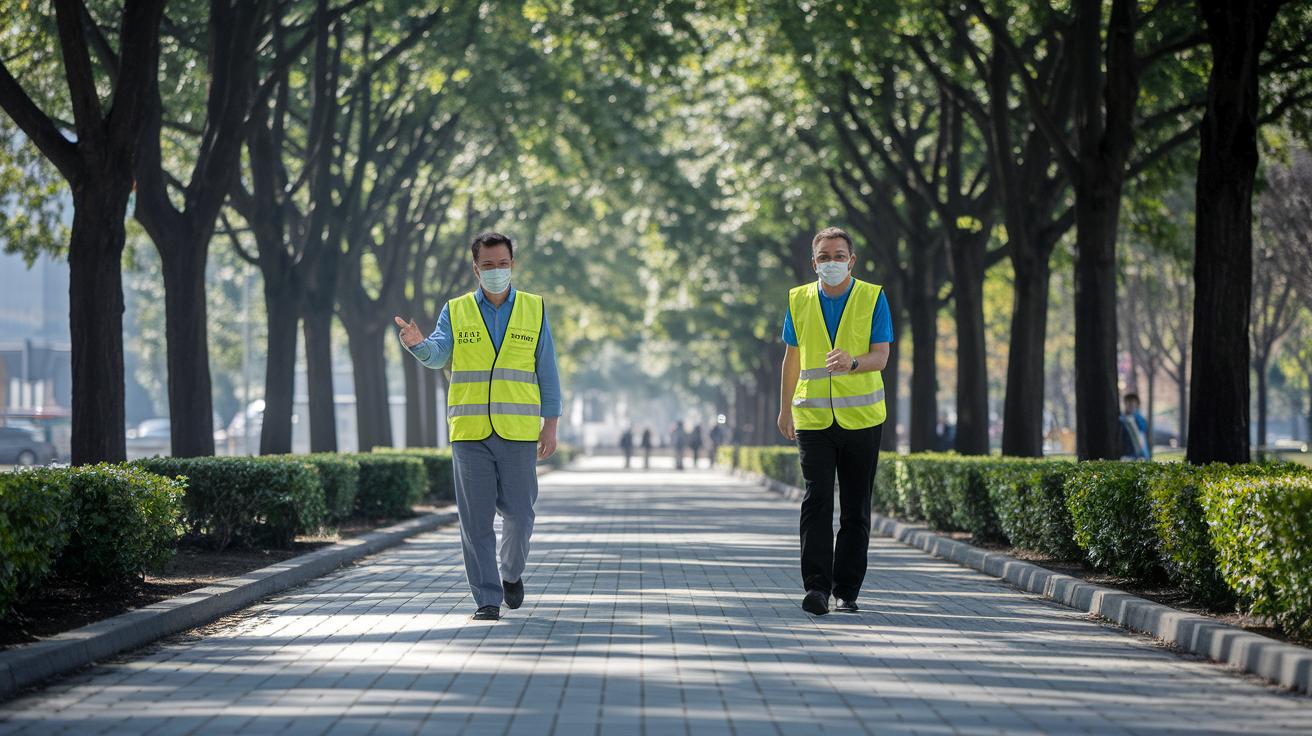
Community biosecurity does more than just keeping things clean. Today, local health teams are training volunteers from the neighborhood to check on everyday sanitation. These helpers look at water quality, waste management, and whether public spaces are tidy. One team member might say, "Stay alert, stay safe, real-time info helps us catch risks before they spread." This method works alongside usual steps like wearing masks, keeping distance, and quarantining when needed, but adds a community vibe that spots issues early.
Communities are also taking extra steps. They clean shared places regularly, offer training on safely handling germs, and hold education sessions that make it easy to understand how protecting your space can lower infection risks. In these workshops, you might hear a simple reminder like, "Clean spaces mean healthy places." These sessions help everyone go beyond just the basics to really cut down on infections.
| Protocol | Key Benefit |
|---|---|
| Local Volunteer Training | Quick checks that spot issues early |
| Routine Disinfection Programs | Reduces germs on surfaces |
| Community Education Workshops | Builds strong habits for cleanliness and safety |
This approach also tackles hurdles to getting the care you need (see "barriers to preventive care": https://medsfax.com?p=796).
Risk Assessment and Modeling in Infectious Disease Outbreak Prevention
Risk assessment models help health teams get ready to stop infections from spreading. Experts use these tools to mix information from genetics, the environment, and social factors to predict when a disease might break out. One example is the Swiss Cheese Model, which shows how small holes in many layers of protection can line up and let an infection slip through. Even one tiny weak spot can sometimes start a bigger outbreak.
The Convergence Model takes this idea a step further. It breaks down the factors leading to an outbreak into four key groups. By looking at everything from our genetic makeup to local conditions, experts can see how different risks add up. These insights help teams refine their strategies and make sure they have the right resources ready if an outbreak happens.
Simulation drills, like those for Ebola and MERS-CoV, put these models to the test. These hands-on exercises let responders practice their plans, find weak links, and work better with one another. In real-world settings, these drills turn theory into action, boosting overall readiness.
| Model | Type | Application |
|---|---|---|
| Swiss Cheese Model | Layered defense | Highlights how small gaps can add up to cause outbreaks |
| Convergence Model | Multifactorial approach | Breaks down risk factors into four main groups |
| Simulation Drills | Practical exercises | Tests emergency plans and improves teamwork |
Healthcare Infrastructure and Rapid Response for Outbreak Prevention

Putting money into better hospitals and emergency care systems builds the safety net we rely on during health outbreaks. Take the Marburg outbreak in Tanzania as an example, teams focused on strong case management and basic safety steps to slow down the spread of the disease. This real-world work shows that planning and getting our health facilities ready makes a big difference.
Rapid response teams are super important when emergencies strike. When every minute counts, having a well-trained group ready to go means people get treated faster, and infections are kept in check. For instance, 90% of MSF funding comes from individual donors. This flexible support lets them quickly move staff and supplies across more than 70 countries, proving that being able to shift resources fast is key.
Planning for sudden surges means setting up extra critical care spaces, stocking up on protective gear, and having quick-buy channels ready. This way, when a crisis hits, hospitals can quickly expand their services to care for more patients without getting overwhelmed.
In simple terms, clear funding plans and smart resource moves help prepare our health systems for unexpected spikes in demand. That preparation leads to better care and stronger protection for our communities. For more details on how funding and resource planning boost system readiness, see access to preventive care.
Crisis Communication and Community Engagement for Outbreak Prevention
Clear, steady messages matter a lot when handling outbreaks. Health teams work hand-in-hand with local leaders to shape messages that truly resonate with a community’s culture and language. Imagine getting a quick, friendly reminder from a neighbor during an emergency, that’s exactly how simple and clear these messages should be. When everyone has the facts, rumors simply fade away.
Take the 2015 MERS-CoV incident in South Korea as an example. Officials shared transparent updates that quickly addressed rumors before they could grow, cutting through the confusion. This kind of clear communication not only informs us but also builds trust. When people know exactly what steps to take, they stick together and don’t feel isolated. A good plan might include set talking points, community gatherings, and regular check-ins to be sure the message is landing well.
Key parts of a strong crisis communication plan include:
| Key Element | Description |
|---|---|
| Real-Time Updates | Sharing news that directly addresses what the community cares about |
| Local Leaders Involvement | Having trusted voices tailor the messages to fit local needs |
| Ongoing Dialogue | Keeping an open conversation with health professionals and residents |
| Coordinated Strategies | Working together with various public services for a unified response |
Drawing on the WHO Risk Communication and Community Engagement guidelines, experts agree that blending efforts across different groups makes the overall response much stronger. When local community groups and health authorities join forces, it creates a shared purpose. With everyone on the same page, communities are more likely to stick to safety measures and help reduce the spread of infections. In truth, clear and heartfelt communication turns a challenging moment into a chance for united, confident action.
Managing Antimicrobial Resistance and Pathogen Mutation in Outbreak Prevention

Drug-resistant bacteria use smart tricks like special proteins and enzymes that help them stick to things or break down barriers, making it even tougher to stop outbreaks. Consider this surprising fact: since 1980, 65% of new pathogens are RNA viruses from animals, and zoonoses make up 61% of human diseases. This shows how important it is to watch not only bacteria but also fast-changing viruses.
Genomic surveillance is key here. By checking the DNA and RNA sequences of these bugs, doctors and scientists can spot early signs of change. They use these clues to see if a virus might spread more easily. Plus, because many new illnesses jump from animals to people, teams keep a close watch on both animals and human cases.
Understanding how these bugs change helps researchers create better ways to keep them in check. When scientists learn about the genetic shifts and resistance traits, they can adjust treatments before an outbreak gets worse. This involves strategies like:
- Keeping track of genetic changes in real time
- Watching how diseases move in animals and people
- Changing treatment plans when resistance shows up
These steps give healthcare workers a head start in stopping dangers and protecting our communities.
Final Words
In the action we explored the building blocks of infectious disease outbreak prevention. We broke down early warning systems, vaccination efforts, and simple hygiene steps that help keep outbreaks in check. We even looked at how clear communication and strong health facilities shape our safety. These steps show that careful planning and teamwork can make a big difference in protecting our communities. It’s encouraging to see how a clear, data-driven approach can help everyone feel safer and more empowered.
FAQ
Frequently Asked Questions
What are some ways to prevent diseases and communicable infections?
Preventing diseases involves practices like hand washing, vaccination, using masks, maintaining good hygiene, and practicing social distancing, all of which help reduce the spread of infections.
How do we prevent and control infectious diseases?
Preventing and controlling infections relies on early detection, mass immunization, strong community hygiene practices, proper use of personal protection, and clear communication to reduce transmission.
How can one write an essay about preventing infectious diseases?
An essay on disease prevention explains the importance of surveillance, vaccination programs, hygiene practices, and public communication, offering real-life examples and clear, actionable strategies.
What are key principles of infection prevention and control?
Infection control relies on real-time tracking, mass immunization, proper hygiene protocols, correct use of masks and distancing, and effective crisis communication to limit the spread of pathogens.
What information does an infection prevention and control PDF usually include?
Such documents typically cover guidelines on hand hygiene, proper use of personal protective equipment, environmental sanitation, and steps for early detection and response to infectious threats.
How can outbreaks of infectious diseases be prevented and controlled?
Outbreak prevention requires early detection through surveillance, mass immunization, community hygiene measures, practical infection controls, and coordinated communication to quickly manage and contain spread.
What are the four types of treatments for infectious diseases?
Treatments include supportive care to relieve symptoms, antimicrobial therapy to target bacteria, antiviral medications to counter viruses, and immunotherapy to boost natural defenses.
How do governments stop outbreaks of infectious diseases?
Governments act by enforcing public health policies, funding disease surveillance and vaccination campaigns, investing in healthcare resources, and ensuring effective communication to limit outbreaks.

