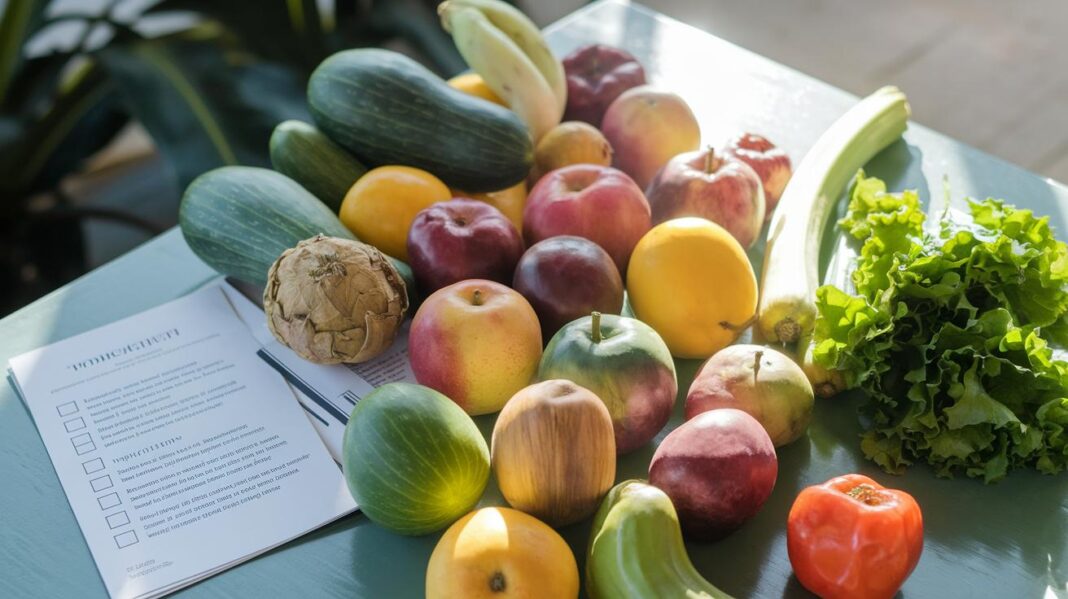
Ever glanced at your plate and wondered if you’re truly giving your body the fuel it needs? Picture this: a simple checklist that guides you toward a balanced diet. In this piece, we break down how combining fruits, vegetables, grains, proteins, dairy, and the right fats can work like teamwork for your health. Each food group plays a role, helping you stay strong, alert, and ready to take on the day. Curious how a few small tweaks might boost your energy? Let’s dive in together.
Balanced Diet Checklist: Fuel a Healthy Life
A balanced diet gives your body the fuel it needs so you can feel great every day. It’s all about enjoying a mix of food from six main groups: fruits, vegetables, grains, proteins, dairy, and fats. Each group offers its own positive benefits. For example, fruits and vegetables brighten up your plate and pack in essential vitamins, minerals, and fiber. A simple tip? Try to fill half your plate with fruits and veggies for a boost of diverse nutrients.
Serving sizes refer to the standard amounts set by nutrition experts, like 1 cup of broccoli. But what you actually scoop onto your plate may vary with your hunger. Think of it this way: make grains and proteins each take up about one-quarter of your plate. Choose whole grains when possible and enjoy proteins from either animals or plants. Meanwhile, dairy and healthy oils should be measured carefully so you get important nutrients like calcium and good fats without overdoing it.
Curious to learn more about why a balanced diet is key for your health? Check out What is a Balanced Diet.
| Food Group | Recommended Daily Serving |
|---|---|
| Fruits | 1.5-2 cups |
| Vegetables | 2-3 cups |
| Grains | 6 oz-equivalents |
| Proteins | 5 oz-equivalents |
| Dairy | 3 cups |
| Fats | Use sparingly |
Balanced Diet Checklist for Fruits and Vegetables
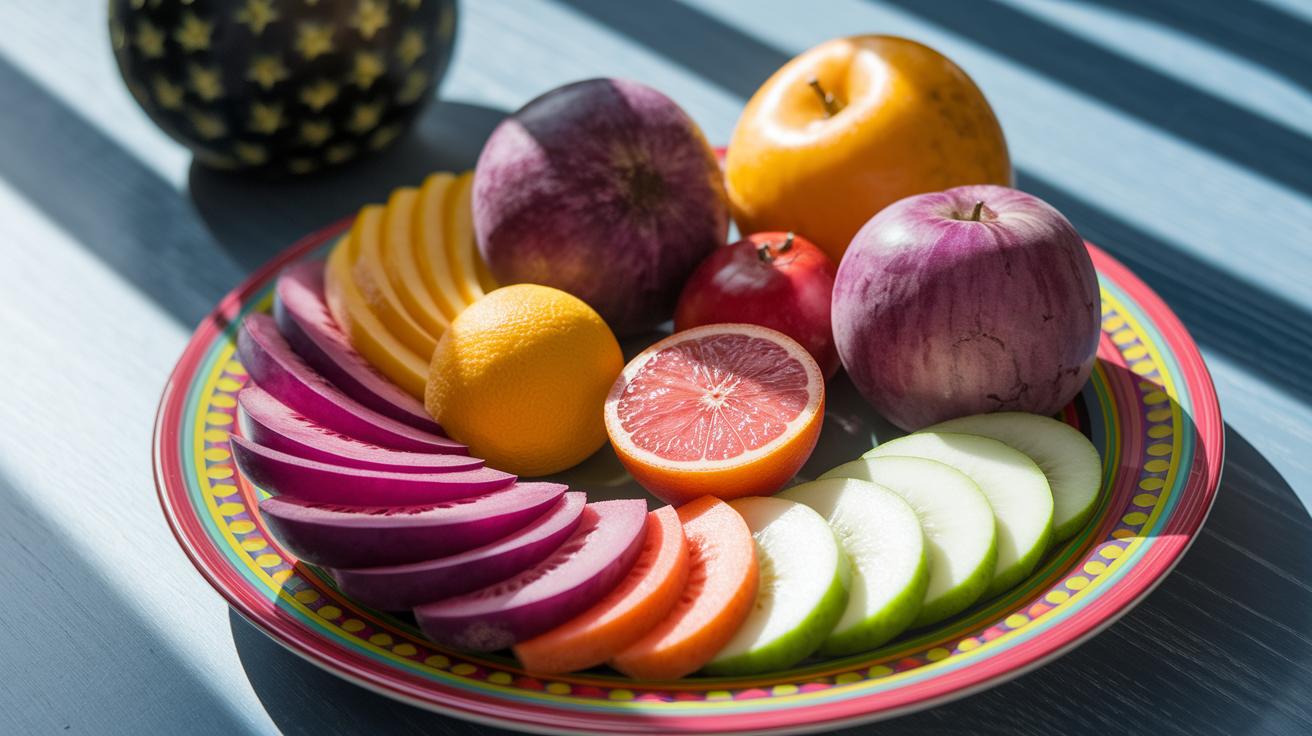
Fruits and vegetables bring a burst of color to your plate and pack essential vitamins, minerals, and antioxidants that help you feel great. They add natural sweetness and a satisfying crunch to your meals, serving as a fun checklist for a balanced diet.
Vegetables offer a hearty dose of fiber that keeps your digestion running smoothly and provide key nutrients to strengthen your immune system. Try to get at least five servings of fruits and veggies each day. This simple goal ensures you enjoy plenty of antioxidants and savor the freshest seasonal produce.
Plan your meals like you’re creating a little rainbow on your plate. Mix crisp greens with bright berries or add a splash of citrus with crunchy carrots. Enjoy the unique flavors each season offers, making every meal both exciting and nourishing.
Grains and Protein in the Balanced Diet Checklist
Grains pack a real punch of energy and offer key B vitamins that keep you going throughout the day. When you’re planning meals, try to pick whole-grain choices like brown rice or whole wheat bread instead of refined grains that lack extra fiber and nutrients. Plus, whole grains add a hearty texture and rich flavor to your plate, imagine a warm bowl of brown rice powering your afternoon.
Proteins are essential for building muscles and helping with healing. You can mix it up with plant-based sources like beans, soy, or seafood, and even lean animal proteins such as skinless poultry, lean beef, and low-fat dairy. This blend gives you the special nutrients needed for growth and repair.
A simple way to plan your plate is to fill one-quarter with grains and another quarter with proteins. For someone on a 2,000-calorie diet, that means aiming for about 6 oz of grains and 5 oz of protein every day. And if you’re more active, you might tweak these amounts to suit your needs.
- Track your carbohydrate intake.
- Monitor your protein sources.
Using a balanced diet checklist makes it easier to manage your food groups. This way, you stay energized and give your body all the right fuel it needs, day by day.
Dairy, Fats & Oils for a Balanced Diet Checklist
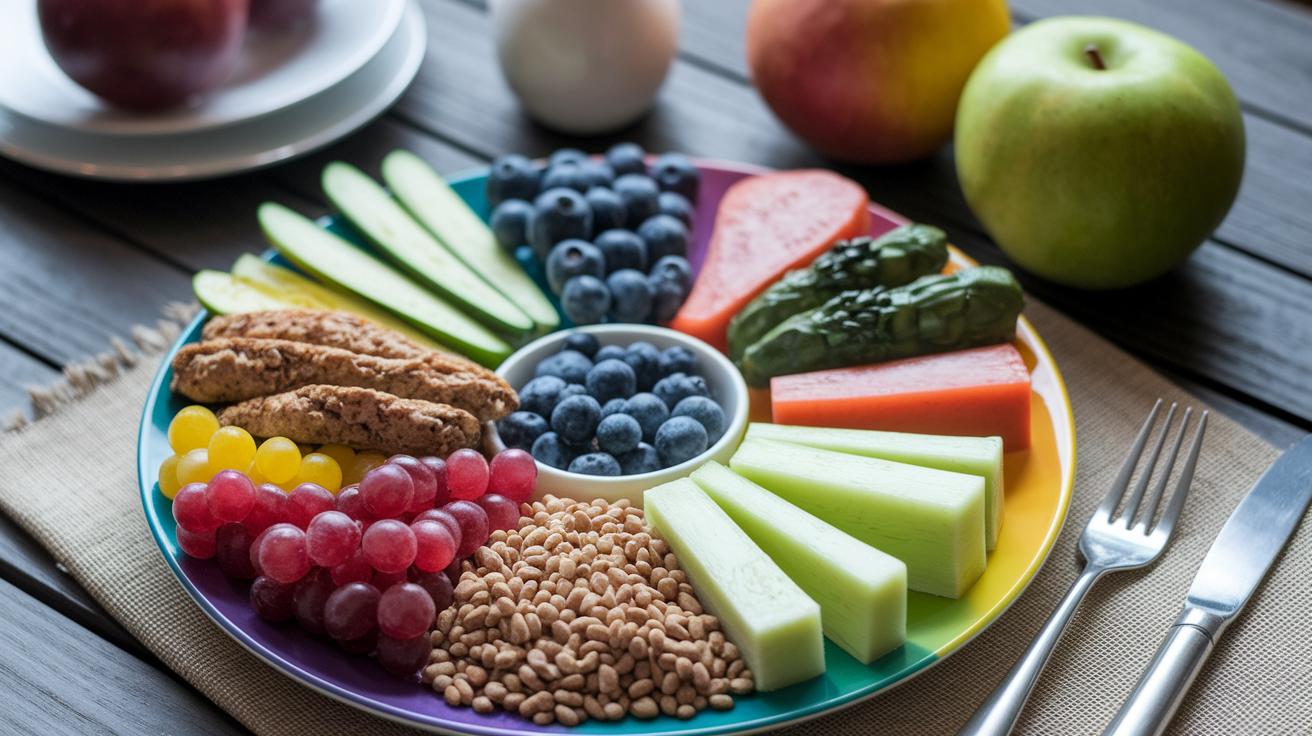
Dairy gives you important calcium and vitamin D to support strong bones, but it can also bring in unwanted saturated fat. For a healthier option, choose low-fat or fat-free milk, yogurt, and cheese. This way, you enjoy the benefits without too many extra calories. Think about it like swapping heavy cream for a splash of low-fat milk – you still get a rich, creamy sauce without all the extra calories.
Oils and fats play a crucial role in building cell membranes and giving you energy. When you cook, opt for unsaturated fats like olive oil, avocados, nuts, and seeds instead of solid fats. These choices add a nice richness to your meals and help keep your heart healthy. Picture yourself drizzling olive oil over a fresh salad – it’s a simple trick to boost both flavor and nutrition.
Watch your saturated fat intake by keeping it under 10% of your total daily calories. This small change can help you manage your weight while lowering the risk of heart issues, making your diet even more balanced and effective.
Implementing Your Balanced Diet Checklist in Meal Planning
When it comes to meal planning, a simple trick is to divide your plate into parts. Fill half your plate with fresh fruits and veggies, a quarter with whole grains, and the rest with lean proteins. You can use a food scale or measuring cups to help keep your portions just right, kind of like setting a timer so you don’t lose track while cooking.
Try to plan for three main meals during the day with one or two healthy snacks in between. This steady routine can help keep your blood sugar balanced and your energy steady. Sometimes, a small handful of nuts or a bowl of fruit between meals is all you need to feel full and energized.
When you write your grocery list, stick to the basics: fresh fruits and vegetables, whole grains like brown rice, lean proteins (think skinless chicken or beans), low-fat dairy, and healthy oils like olive oil. Keeping these staples on hand makes it easier to follow your balanced diet checklist and steer clear of processed foods.
- Make a weekly meal plan that outlines every meal and snack.
- Keep kitchen tools handy to help measure portions.
- Set reminders for when it’s time to plan meals and prep food.
Mixing these easy ideas with a little mindful planning can turn your daily cooking routine into a fun way to take care of your health for the long run.
Final Words
In the action, we broke down each core element, emphasizing fruits, vegetables, grains, protein, dairy, and healthy fats. We touched on how serving sizes and portions work, offering easy tips for daily planning. Small steps like using a balanced diet checklist help you take control of your meals and boost overall well-being. Every healthy choice builds on the last, paving the way for better daily vitality and informed lifestyle decisions. Enjoy making your meals a meaningful part of your healthier life.
FAQ
Balanced diet checklist pdf
A balanced diet checklist pdf offers a quick reference that lists food groups and serving sizes. It serves as a tool to help you organize meals for proper nutrient intake each day.
7-day healthy eating plan
A 7-day healthy eating plan provides a week’s menu featuring balanced servings of fruits, vegetables, whole grains, proteins, and dairy. It helps simplify meal planning so you can enjoy varied, nutrient-rich foods.
Balanced diet checklist for adults
A balanced diet checklist for adults lays out recommended daily servings from all key food groups. It helps guide your meal choices by emphasizing nutrient-rich foods and proper portion sizes for overall well-being.
Define balanced diet with example
A balanced diet, with an example, includes meals where half your plate is filled with fruits and vegetables, one quarter with whole grains, and one quarter with lean proteins, complemented by dairy and healthy fats for a complete meal.
Balanced diet checklist for weight loss
A balanced diet checklist for weight loss focuses on low-calorie, nutritious foods in proper portions. It emphasizes lean proteins, whole grains, fruits, and vegetables to help you lose weight while staying full and energized.
Example of balanced diet
An example of a balanced diet features a plate with half filled by fruits and vegetables, one quarter with whole grains, and one quarter with protein, along with moderate portions of dairy and healthy fats throughout the day.
Balanced diet plate
A balanced diet plate is a visual tool that divides your plate into segments—half for fruits and vegetables, a quarter for grains, and a quarter for proteins. This helps you see at a glance how to structure your meal.
Healthy diet plan for women
A healthy diet plan for women includes balanced servings of fruits, vegetables, lean proteins, whole grains, and low-fat dairy. It is designed to support nutritional needs unique to women at various stages of life.
What are the 7 things you need in a balanced diet?
The seven things you need in a balanced diet are fruits, vegetables, grains, proteins, dairy, healthy fats, and fiber. These components work together to deliver essential nutrients that keep your body functioning well.
What is the 5 4 3 2 1 diet plan?
The 5 4 3 2 1 diet plan assigns specific portion guidelines for different food groups throughout your day. It offers a structured approach to ensure you meet your nutritional needs, though details vary among sources.
What should I eat daily for a balanced diet?
What you should eat daily for a balanced diet includes a variety of fruits, vegetables, whole grains, lean proteins, and low-fat dairy. This mix supplies steady energy and the essential nutrients your body needs.
What is the 60 20 20 rule diet?
The 60 20 20 rule diet splits your daily calories into 60% carbohydrates, 20% fats, and 20% proteins. This guideline helps balance your macronutrient intake to support overall health.

