
Ever wonder how your neighborhood can boost your health? Local programs make it easier by bringing care straight to nearby parks, schools, and community centers.
One town saw health scores jump by 30% when fun exercise groups and simple nutrition classes were added. It’s amazing how a few small changes can make a big difference.
These community efforts give clear support, from free check-ups to hands-on wellness classes that help you catch problems early. They’re like friendly neighbors offering a helping hand when you need it.
This blog shows how everyday tools in our own backyards can lift our well-being and bring us closer together. Isn't it cool how local care can help us all live better?
Essential Community Health Interventions for Disease Prevention
Community health programs do more than provide medical care, they build safe spaces where people can really thrive. They bring healthcare right into our neighborhoods, schools, and workplaces while also teaching us what causes diseases and how to stop them. For instance, some communities hold wellness workshops in familiar local spots or set up routine health check-ups at local centers.
Before its official launch, one small town saw a 30% improvement in health numbers simply by adding local exercise groups and nutrition classes into daily routines. Really, this shows how simple, community-driven actions can lead to big changes.
Take the example from 2020 when a group called Residents in Action in Jackson, MI reached out to help unhoused people by connecting them with much-needed medical care and emergency shelters. Then in 2024, the Shelby County Health Department in Memphis, TN organized a big health fair. This event offered free HIV testing, vaccinations, and education to help prevent tobacco-related illnesses. These stories remind us that easy access to health services can empower everyone in a community.
| Intervention Example | Key Details |
|---|---|
| Residents in Action (2020) | Helped unhoused individuals get medical care and shelter |
| Shelby County Health Department (2024) | Provided free HIV testing, vaccinations, and tobacco prevention education |
These practical steps combine personal care with changes to our surroundings. They show that when communities work together, real and positive change happens in public health and disease prevention.
Health Education and Outreach Programs for Population Risk Reduction
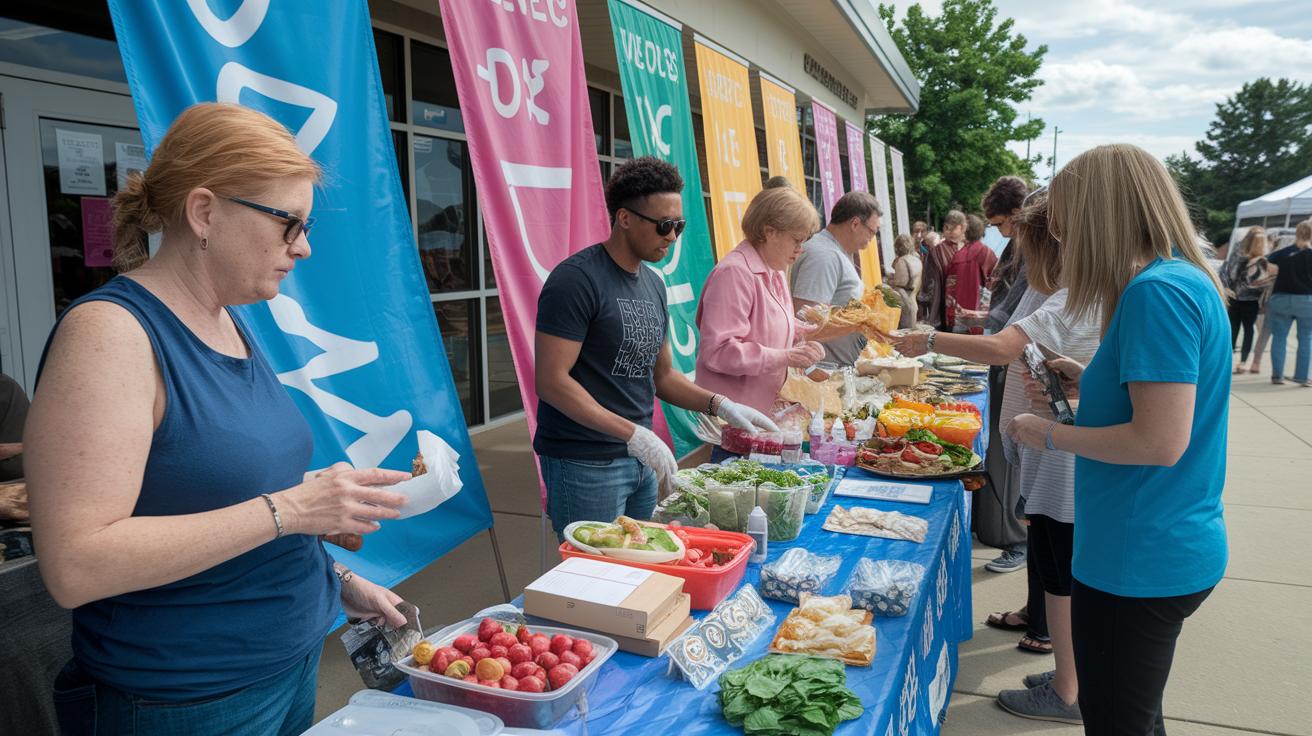
Health education campaigns share clear, practical info on spotting diseases, understanding why they happen, and ways to avoid them. They mix large events like health fairs with in-person and online classes that turn everyday actions into easy-to-measure facts. For example, a class on smoking might kick off with a surprising stat that nearly 40% of people smoked in some areas before a ban led to change.
Working with local schools, businesses, and church groups, these programs tailor information to fit each community. Local events can include hands-on fairs about nutrition and exercise, simple workshops that break down healthy recipes, or interactive sessions that explain how the air around us affects our health.
Grassroots Screening Drives and Immunization Campaigns in Neighborhood Health Campaigns
Community health events are a real game-changer. They offer quick, local screenings and vaccine drives without long waits or tricky appointments. Take the Shelby County Health Department’s 2024 event, for instance, it provided free HIV tests and vaccinations that made a big impact.
Now, some places even use mobile units packed with easy-to-use digital tools. Imagine a little mobile booth where a digital screening picks up on early signs of high cholesterol in under five minutes, and a health professional is right there to offer advice.
These fresh approaches help neighborhoods reach more people quickly, putting early detection and prevention front and center.
Promoting Healthy Lifestyles: Nutrition and Physical Activity Promotion
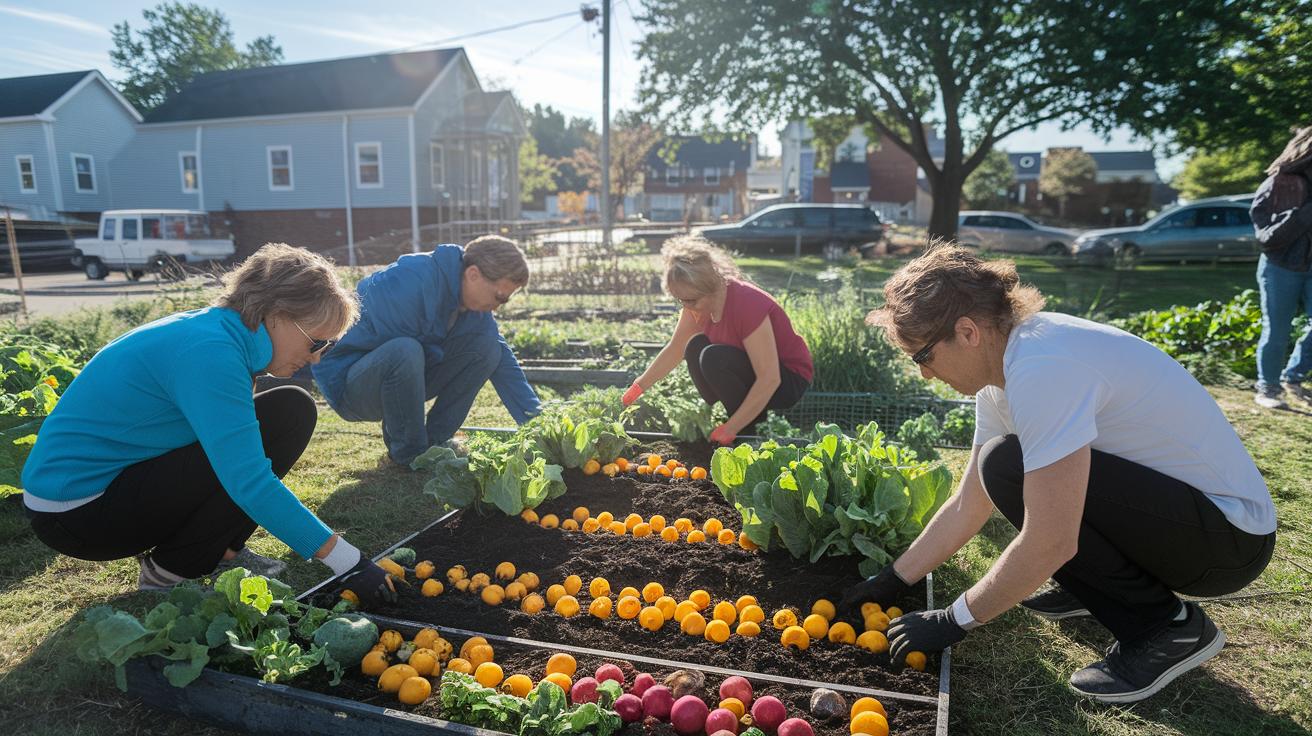
Community programs are putting a real focus on eating well, teaching about good nutrition, and encouraging active living to help lower the chances of heart disease, high blood pressure, and type 2 diabetes. In many neighborhoods, community gardens let folks learn to grow fresh fruits and vegetables, and cooking demos show that simple ingredients can turn into wholesome meals. It’s all about those small everyday moments that make choosing healthy foods easier.
There’s also a big push to get moving. Neighborhood walking clubs bring people together to enjoy group exercise, and local schools have started using toolkits from Oregon Healthy Schools to boost active play during recess and in everyday classes. One cool fact: in one area, just a 15-minute daily walk helped lower blood pressure for many participants, proving that tiny steps can lead to big health wins. Plus, these activities mix fun with fitness by adding a social twist to exercise.
Many events now blend nutrition education with physical activity. Wellness sessions offer practical cooking tips alongside easy exercise routines, making it simple for everyone to pick up healthier habits. These public health initiatives empower people to fight chronic conditions by combining clear, data-driven advice with local community support. In the end, mixing good food choices and regular activity helps create a neighborhood that’s active, health-focused, and ready to thrive.
Collaborative Care Projects and Policy Reform for Equity Promotion
Local groups are coming together, schools, small businesses, and places of worship, to make it easier for everyone to access health services that fit their culture and community. When these community leaders team up, they build programs that help close gaps in healthcare. For example, some partnerships offer programs much like the Diabetes Association of Atlanta’s, where you can learn to manage your health and get preventive check-ups that support not just your body, but your mind and wallet too. It’s all about sharing the load so that no single group has to face these challenges alone.
Policy changes are also a big part of this effort. Simple fixes like longer clinic hours and lower fees can make a huge difference for people who might otherwise struggle to get care. These changes not only open up healthcare to more folks right away, but they also help build trust in the community. When policy updates and local projects work together, they can reach far more people and offer help that really makes a difference.
Local businesses are pitching in too. One great example is when companies combine health services with their employee wellness programs, kind of like what you’d see in a model that focuses on preventive care in the workplace. These creative moves show just how powerful it can be when different parts of the community join forces. By aligning policy changes with community projects, everyone wins, and it paves the way for a healthier, more welcoming environment for every community member.
Monitoring, Evaluation, and Evidence‐Based Prevention Models

Regular health screenings and surveys are the heart of tracking health day by day. Community programs collect key numbers and insights that show if their actions are working. Health experts go over these results to spot early signs of illness and check how often issues pop up. This routine check helps paint a clear picture of the community’s overall well-being.
Surveys and feedback from community members offer really useful insights. For instance, program managers can look at responses from lifestyle seminars to see if they made a difference. This kind of feedback also points out which areas need more attention, so changes can be made for even better outcomes.
Besides everyday checks, programs also learn from studies done by successful models, like the ones used by the Diabetes Association of Atlanta. These studies provide simple guidelines that help local teams use data to prevent health issues effectively. Tools that track outcomes and measure impact help teams see patterns and adjust their plans as needed. New tools in preventive care, like those discussed at https://medsfax.com?p=662, also support early detection while making sure improvements are based on solid evidence.
Overcoming Implementation Challenges in Community Health Interventions
Many communities can face big challenges like being far from services, not having enough money, or not having enough health workers. This is especially true in rural areas and busy inner cities. When these hurdles exist, simple, practical solutions are key to making sure everyone gets the care they need.
One smart idea is using mobile clinic initiatives. These clinics on wheels travel to neighborhoods and offer health screenings and vaccinations, so people who can’t easily make it to a clinic still get help. Another helpful strategy is task-shifting, where trained locals handle basic health tasks, lightening the load on professional staff. And telehealth is proving very useful too. By connecting patients with experts online, it cuts down on long trips and saves time for both patients and providers.
Local stories show that progress is possible, even when resources are low. In Jackson, MI, Residents in Action managed to bring together care and shelter for people in need through community teamwork. The Shelby County Health Department has also shown how community events can bring together many services, even when funds are tight.
When different community groups work together, they build strong support networks that mix local know-how with new technology. These partnerships create plans that really improve access to care. For more on the smart technologies and approaches used, see challenges and solutions in delivering preventive care in rural areas.
Final Words
In the action, we explored how practical community programs, clear health education, early screening drives, lifestyle initiatives, and collaborative projects together drive better wellness outcomes. We saw examples that highlight how simple steps, from local health fairs to policy changes, help tackle challenges and make data work for healthier communities.
These community health interventions for disease prevention remind us that every small effort counts toward a more vibrant, healthier future. Keep appreciating each step and enjoy the progress along the way.
FAQ
What is secondary prevention?
The concept of secondary prevention means identifying diseases early through screenings and check-ups to keep conditions under control and prevent complications.
What are examples of health promotion and disease prevention?
The examples of health promotion and disease prevention include community health fairs, nutrition education, vaccination events, and campaigns encouraging physical activity and wellness.
What is tertiary prevention?
The concept of tertiary prevention means managing chronic illnesses with rehabilitation, ongoing care, and support services to reduce further health decline and improve quality of life.
Where can I find a PDF on health promotion and disease prevention?
The availability of health promotion and disease prevention PDFs is found through trusted health organization websites that supply accessible guides and educational resources.
What are examples of community health interventions for mental health?
The examples of community health interventions for mental health include outreach workshops, supportive group sessions, and educational seminars designed to raise awareness and promote mental wellness.
How can communities be involved in disease prevention?
The involvement of communities in disease prevention means partnering with local groups and organizations to conduct screenings, organize educational campaigns, and create accessible care initiatives.
What are 5 strategies for preventing disease?
The five strategies for preventing disease include conducting early screenings, organizing immunization drives, hosting health education events, promoting healthy lifestyles, and implementing supportive policies.
What are examples of community-based prevention programs?
The examples of community-based prevention programs include neighborhood screening events, grassroots immunization campaigns, local health fairs, and programs that support exercise and nutritional education.

