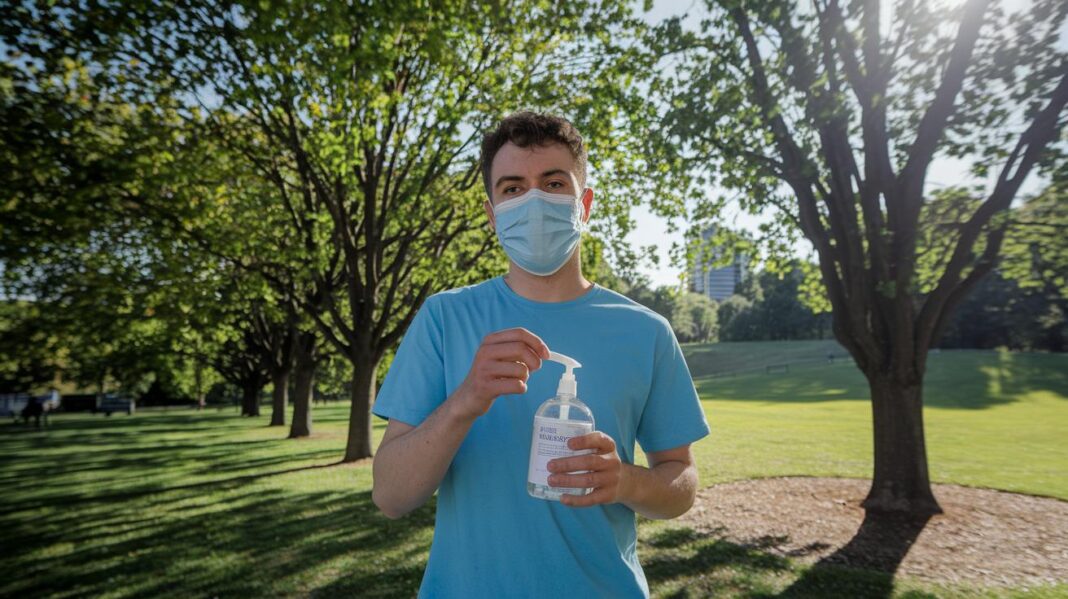
Have you ever wondered how to protect yourself from a rare but serious virus? Monkeypox might seem like something distant, yet its impact shows that a few simple steps now can really make a difference.
Staying healthy is as simple as keeping up with your vaccines, washing your hands well, and making smart everyday choices. Picture it like putting on a raincoat when a sudden shower hits, you may only add up small layers, but they protect you when it matters most.
Curious to learn more? Keep reading for easy tips that help you stay safe and live a healthier life.
Comprehensive Monkeypox Prevention Overview
Monkeypox is an illness caused by a virus that is closely related to smallpox. It usually takes about 6 to 13 days before you start noticing any symptoms. At first, you might feel a fever and aches, and soon after, a rash appears. This skin change starts off as red spots, moves to a clear stage, and then turns into yellow bumps over the course of 2 to 4 weeks. Remember the outbreak in Nigeria in 2017? There were nearly 500 suspected cases and 200 confirmed ones, which shows that monkeypox can be serious.
The first line of defense is vaccination. The smallpox vaccine gives you roughly 85% protection against monkeypox. The CDC advises that if you’ve been exposed, you should get vaccinated within 4 days to try and stop the infection. If you miss that window, getting the vaccine within 14 days might help reduce how bad the illness gets. Think of it like putting on a raincoat when you see dark clouds, it shields you from getting soaked. For a simple introduction on why this works, check out what is preventive care.
Good hygiene is also very important. Regular handwashing, keeping a safe distance from anyone or any animal that might be sick, and being careful about how your food is prepared (for example, avoiding undercooked meat) all help slow the spread of the virus. When you combine vaccination, proper hygiene, and careful behavior, you build a strong defense to help you stay safe and live a healthier life.
Understanding Monkeypox Transmission to Prevent Infection
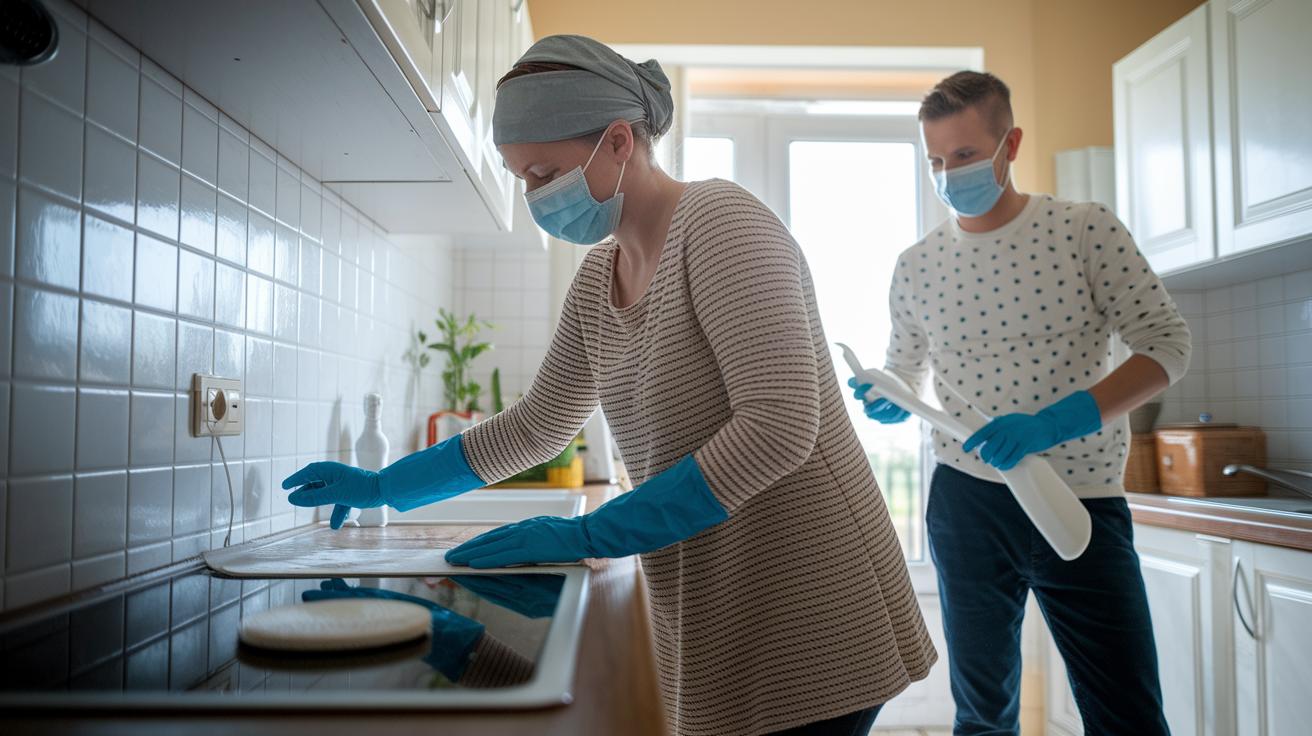
Monkeypox is a virus that can jump from animals to people and even spread between humans. The virus often comes from contact with animals like rodents, squirrels, or monkeys. Think of it like handling raw chicken without being careful. When you come into contact with an infected animal’s blood, secretions, or open wounds, you might catch the virus, so it’s important to be cautious.
It’s not just animals that are a risk. Monkeypox can spread from person to person, too. When someone with the virus breathes out tiny droplets over a long period, especially in crowded spaces, you could inhale these droplets and get sick. Direct contact with the sores or blisters from an infected person is another way the virus can be passed along. Even items like bedding, clothing, or towels used by someone with monkeypox might carry the virus.
Here are some everyday tips to help keep you safe:
- Stay away from people showing symptoms like unexplained rashes, fever, or swollen lymph nodes.
- Avoid sharing personal items if someone might be infected.
- Be careful around animals, especially if they seem ill or have had any exposure.
- Handle items like used bandages or linens with care, and always wash your hands afterward.
Some experts also note that monkeypox might spread through sexual contact, as lesions can appear in the genital area. Additionally, there have been cases where a mother has passed the virus to her baby. Knowing these ways the virus can spread means you can protect yourself by keeping a safe distance, using protective gear, and following good hygiene practices consistently.
Vaccination Guidelines for Monkeypox Prevention
Today’s vaccination plan involves getting two smallpox vaccine shots under the skin, spaced 28 days apart. You start to build up your protection about 14 days after the second shot, reaching around 80–85% effectiveness. Think of it like building a wall brick by brick; every dose adds another layer of defense. Picture it like opening an umbrella just as dark clouds roll in, this quick action can lessen the impact of a storm.
The CDC advises that if you’ve been exposed, you should get vaccinated within 4 days to help stop the infection. And if that window is missed, getting the shot within 14 days can still make the illness less severe.
Vaccination is an important part of preventive care (preventive care services definition). In tougher cases, there is also tecovirimat, an antiviral approved by the EMA in 2022, but keep in mind that its supply is limited.
Hygiene and Disinfection Measures Against Monkeypox
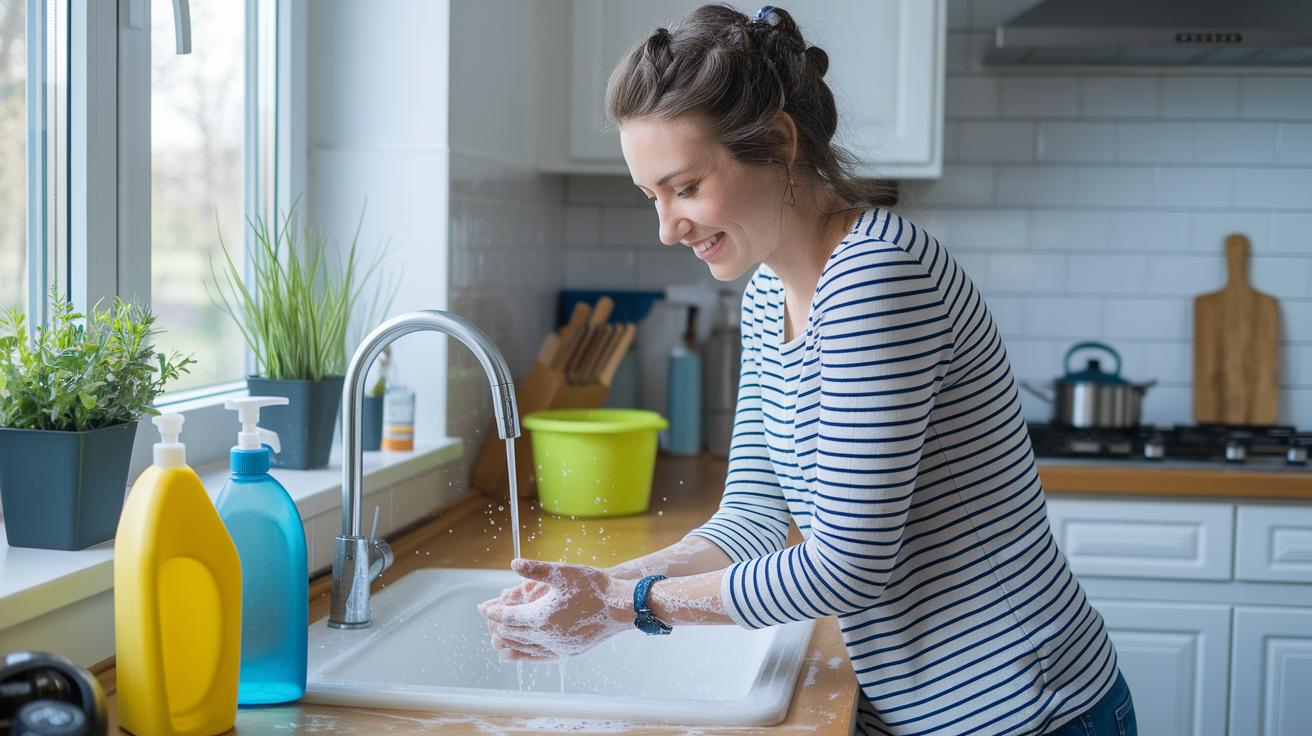
Keeping your surroundings clean is a smart way to lower your chance of catching an infection. It starts with something as simple as washing your hands often with soap and water or using an alcohol-based sanitizer. Regularly wiping down surfaces in your home or public areas can help remove any lingering germs. And being extra careful with your own items and things you share with others stops the virus from moving from person to person.
Here are some simple steps to keep yourself and your area safe:
- Wash your hands often with soap and water or use an alcohol-based sanitizer.
- Don’t share personal items like towels, utensils, or clothing.
- Clean surfaces every day using EPA-approved cleaning products.
- Use gloves when handling items that might have touched lesions.
- Make sure not to eat meat that hasn’t been cooked enough if the animal could carry the virus.
These simple habits protect you and the people around you by cutting off the ways monkeypox can spread. A little extra care, like regular handwashing, not sharing personal items, and daily cleaning, can make a huge difference in preventing an outbreak. By keeping your space neat and safe, you’re taking an important step to reduce your risk every day.
Social and Behavioral Practices to Thwart Monkeypox Spread
Here are a couple of key tips that go a bit further than the usual advice.
-
If you've had any exposure, keep to yourself for 21 days. Every day, set a little reminder to check your temperature and look out for any unusual spots.
-
When you’re planning to travel, stick with the latest advice and complete any health checks if areas report monkeypox cases. Before booking your trip, take a moment to review current travel guidelines so you can stay safe.
Protective Protocols for Healthcare Workers Against Monkeypox
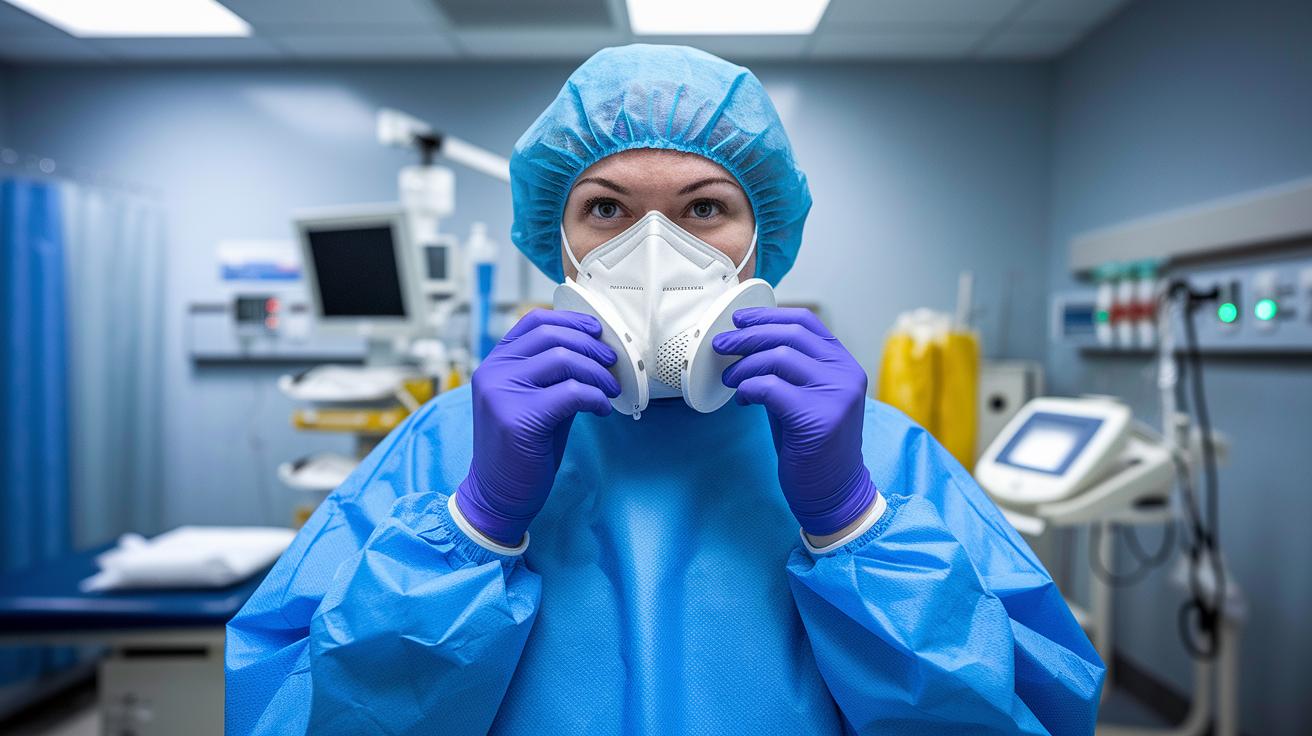
Healthcare workers play a vital role in battling monkeypox. They need all the protection they can get. Always wear your personal protective gear when you're in a clinic or hospital. This includes gloves, gowns, eye protection, and N95 masks. Think of it like this: before stepping into a high-risk area, every piece of protection you wear acts as an extra shield against hidden dangers.
It’s wise to limit any procedures that might create aerosols. And if possible, put patients in negative-pressure rooms to keep the virus from spreading. Remember to follow the CDC guidelines for patient care and waste management to keep you and your team safe.
Key steps every medical facility should take include:
- Wearing full PPE – gloves, gowns, eye protection, and N95 masks.
- Reducing aerosol-generating procedures.
- Isolating infected patients in negative-pressure rooms.
- Offering post-exposure vaccination to any staff exposed within 4 days.
By sticking to these steps, we build a safer environment for both healthcare workers and patients.
Household Isolation and Contact Management for Monkeypox Prevention
If someone at home shows signs of monkeypox, it’s important to act fast. Set up a private room just for them and, if possible, a separate bathroom. This helps keep the virus from spreading to the rest of the family. Pick one person to take care of the sick, and make sure they wear the right protective gear. Avoid mixing personal items and keep the infected person’s bedding and clothes separate. Also, clean frequently touched surfaces every day.
Now, follow these steps:
- Isolate the sick person in a separate room.
- Use a dedicated bathroom, if possible.
- Assign one caregiver who wears protective gear.
- Wash bedding and clothes separately.
- Disinfect surfaces every day.
Keep an eye on everyone in your household for 21 days. Watch for signs like fever, rash, or swollen lymph nodes. This helps catch symptoms early while keeping your family and neighbors safe. Stay alert and take care every day.
Public Health Resources and Guidelines for Monkeypox Prevention
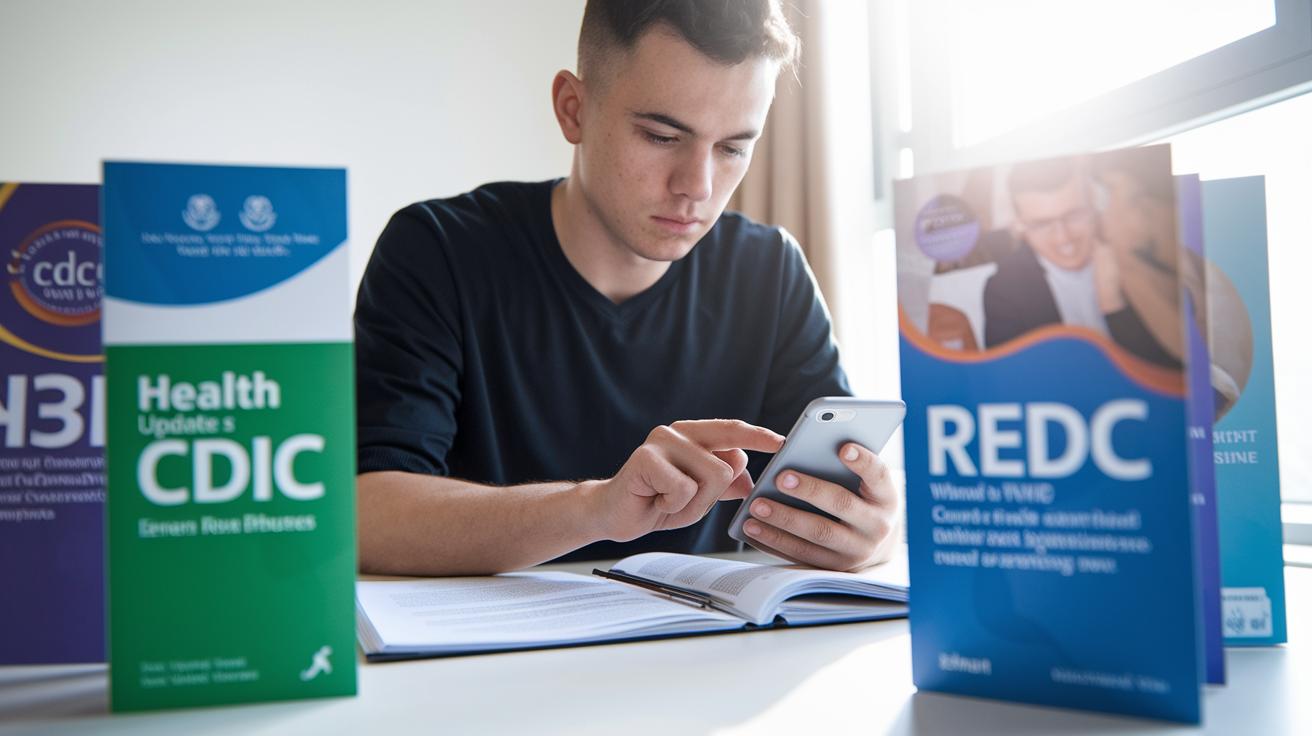
Staying informed is your best defense against monkeypox. Make sure you check in often with trusted sources like the CDC. They explain what counts as a case, how to report it, and what to do if you've been around someone who might be infected. The CDC also tells you when a vaccine might be a smart call. Plus, the World Health Organization offers global advice so that all countries are on the same page when fighting the outbreak.
It helps a lot to keep up with your local health department updates too. Subscribing to local alerts or regional dashboards can give you fresh news about any changes in the outbreak. Many well-known journals and reliable websites also share real-time counts and advice about new trends and hotspots. Staying on top of these updates can guide you to make safer choices about your day-to-day plans and travels.
- Check out the CDC monkeypox pages for clear prevention steps.
- Look at the WHO outbreak guidelines for global best practices.
- Follow your local health department for the latest public alerts and virus updates.
Final Words
In the action, we reviewed key strategies to protect against infection. We discussed vaccination, proper hygiene, and safe social practices along with guidance for healthcare settings and households. Each section showed clear steps to help you use reliable data and practical tips in your daily routine.
This guide gives you a simple, empowering snapshot on how to prevent monkeypox while keeping health management straightforward and effective. Stay positive and keep making smart moves every day.
FAQ
Monkeypox treatment
Monkeypox treatment includes supportive care and sometimes antivirals like Tecovirimat for severe cases. Early detection and proper care help manage symptoms while the body works to fight off the virus.
Monkeypox symptoms
Monkeypox symptoms start with fever, headache, and body aches, followed by the appearance of a rash. Recognizing these signs early can prompt timely action and reduce further spread.
How do you get monkeypox
You can get monkeypox through close personal contact with an infected person, touching contaminated objects, or inhaling droplets during lengthy face-to-face interactions. Practicing good hygiene reduces this risk.
Monkeypox transmission
Monkeypox transmission occurs when the virus spreads from an infected person or animal through bodily fluids, respiratory droplets, or contact with lesion materials. Avoiding close contact can help lower your risk.
Monkeypox vaccine
The monkeypox vaccine uses a smallpox vaccine that offers about 80–85% protection. It is recommended after exposure, ideally within 4 days, to reduce the chance of infection or lessen its severity.
What are the first signs of monkeypox
The early signs of monkeypox include fever, muscle aches, and swollen lymph nodes, followed by a rash. Spotting these signs quickly is key to getting proper care and protecting others.
Monkeypox rash pictures
Monkeypox rash pictures typically show lesions that evolve from red spots to clear bumps and then to yellow pustules. Familiarizing yourself with these images can help you identify potential symptoms.
Is monkeypox curable
Monkeypox is usually managed with supportive care, which helps most people recover naturally. While antiviral treatments may be used for severe cases, early intervention is important for better outcomes.
How can I protect my skin from monkeypox?
Protect your skin from monkeypox by avoiding direct contact with infected skin or lesion materials, washing your hands regularly with soap or sanitizer, and using gloves to handle contaminated items.
What makes you high risk for monkeypox?
You are at high risk for monkeypox if you have close contact with infected people or animals, share personal belongings, or work in healthcare settings. Taking extra precautions can help keep you safe.
How is monkey pox transmitted?
Monkeypox is transmitted by coming into contact with the virus through close personal interactions, contaminated objects, or respiratory droplets during prolonged contact. Recognizing these paths helps you take protective measures.

