
Ever notice how your energy sometimes fades before the game ends? Many players find it tough to keep up their stamina during long matches. Cardio workouts for basketball can help boost your energy by copying the fast pace you experience during a game. These drills teach your body to handle quick bursts and then recover, just like the real game. It’s a smart way to build strength and keep a clear focus on the court. Ready to see how these workouts can change your play?
Court-Ready Cardio Drills for Basketball Endurance
Basketball drills that mirror game movements help you train like you play. These drills boost explosive power, speed, and endurance needed for a full 48-minute game. You'll often work at about 60% of your maximum heart rate for 10–20 minutes, very similar to on-court action.
By practicing these game-like drills, you also build agility and quick cut-reactions for smooth transitions. Experts recommend 3–4 cardio sessions per week, and the specific moves give you a real feel for how your body recovers in fast bursts. This method usually includes HIIT, where you go all out for 20–30 seconds, then take 60–90 seconds of active recovery.
- Full-court suicides (5 reps, 20–30s rest)
- Zigzag defensive slides (3× 30 seconds)
- 5-spot sprint circuits (4 laps, 60s rest)
- Corner-to-corner shuttle runs (6 reps, 30s rest)
- Layup-to-baseline sprints (8 reps, 20s rest)
You can easily make these drills tougher as your fitness improves by shortening rest breaks or adding more reps. Adjusting these factors gradually boosts the workout intensity and gets you closer to real game strength advances.
Integrating HIIT and Steady-State Cardio into Basketball Training
Steady-state cardio sets the stage for lasting energy on the court. It means working out at a gentle, constant pace for about 30 to 60 minutes, usually three times a week. Aim for your heart to beat at 60–70% of its maximum speed to help build your endurance without overworking your body. Think of it like riding your bike at a steady speed to build stamina slowly and surely.
HIIT, on the other hand, cranks up the intensity with short bursts of full effort. Try giving 20 to 30 seconds of your all-out energy followed by 60 to 90 seconds of active recovery. This pattern mimics the quick sprints and sudden stops you experience in a game. Imagine dashing across the court at full speed for a few seconds and then quickly catching your breath, just like in basketball.
Switching between these two types of workouts gives you a nice mix of endurance and power. You might even add activities like riding an assault bike or rowing to mix things up while easing the stress on your joints. Spacing out your sessions and taking enough rest helps keep you sharp and ready for every play.
On-Court Agility and Speed Drills for Basketball
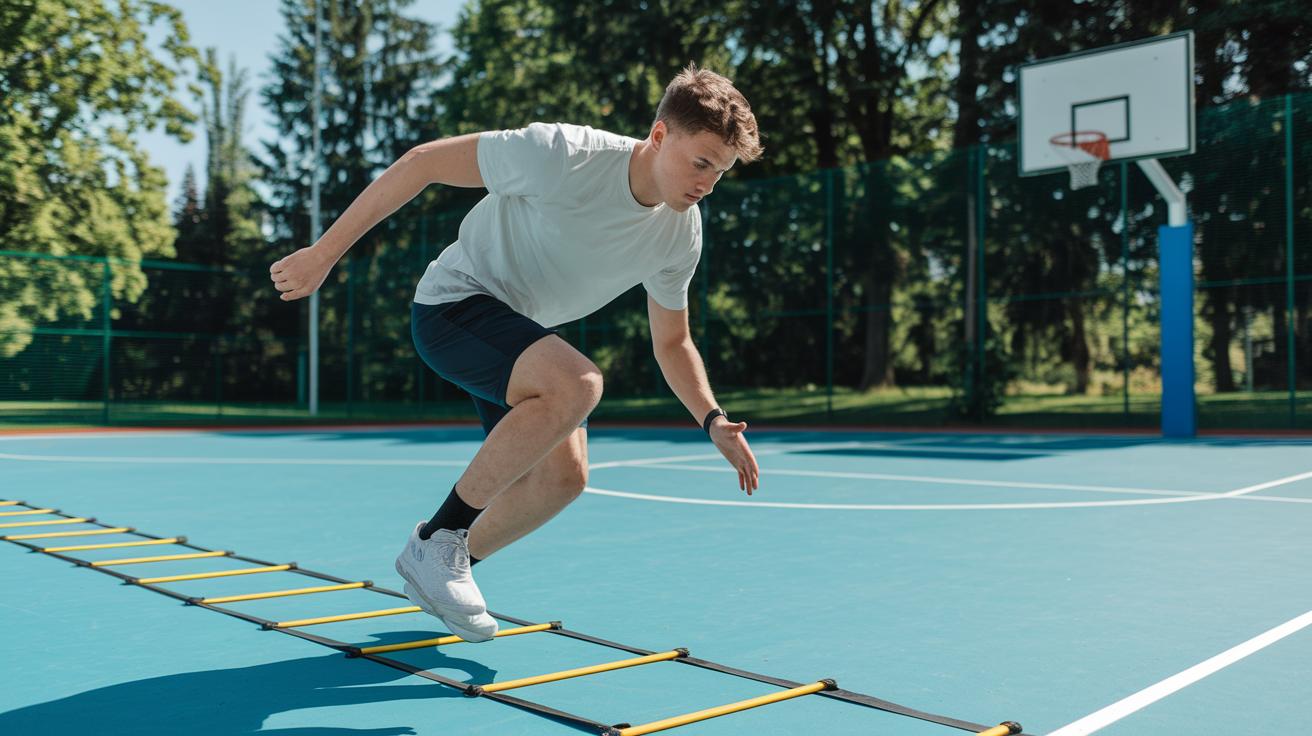
Agility ladder drills and cone exercises can really help boost your foot speed, coordination, and quick reaction skills. Try placing an agility ladder on your court and practice quick steps and side-to-side moves. For example, you can run through the ladder using different step patterns. Then, move on to a cone drill, like the popular 4-cone drill. Each round takes about 5 to 8 seconds, and you should repeat it three times. It’s a great way to mimic game movements and train your feet to turn quickly.
Hill sprints are also a strong choice for building speed endurance. Run up a hill as fast as you can for about 20 seconds, and then take a brisk walk back down to catch your breath. Keep going with this cycle for 15 to 20 minutes. This exercise not only builds explosive power but also gets your body used to recovering quickly, just like the short bursts of speed during a game.
On-court shuttle runs are another fun drill to improve your burst of speed and recovery. Set up markers for short sprints of about 20 yards and run back and forth as fast as possible. Begin with a set number of repetitions, and then gradually add more or cut the rest time between sprints. Be mindful of your starting technique and avoid leaning too far forward. This helps you maintain good form and get the most benefit from each drill.
Plyometric and Contrast Workouts for Basketball Power
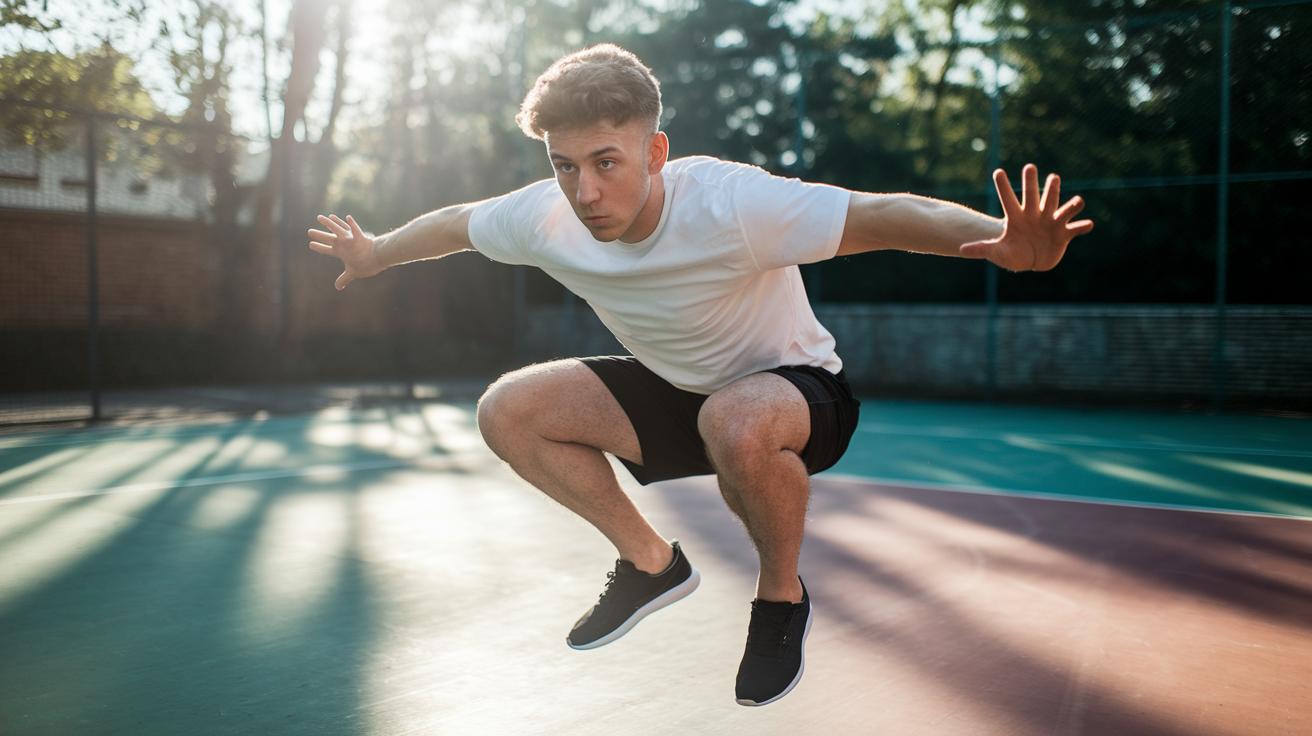
Contrast Jump Circuits
Get ready to feel the burst of energy with contrast jump circuits. Start by doing five low squat jumps right away followed by five high box jumps. This combo mirrors the quick bursts you need during a game. Give yourself a 60-second break between sets and aim for 3 to 4 rounds. These moves build both speed and strength while preparing your body for sudden shifts in power.
Unilateral Jump Endurance
Focus on building stability and balance with unilateral jump intervals. Stand on one leg and hop continuously for 30 seconds, then switch sides. Complete 3 rounds per leg with a 45-second rest in between. This drill strengthens each leg to support those quick moves on the court. Remember, keeping your form perfect makes all the difference.
Explosive Plyometric Combinations
Mix up a series of plyometric moves to give your whole body a power boost. Combine tuck jumps, depth jumps, and lateral bounds until you complete 10 to 12 reps total. This variety not only builds explosive power but also gets your muscles ready for the unpredictable actions in a game. Enjoy the challenge and watch your performance soar!
Structuring a Weekly Basketball Cardio Program
| Day | Workout Type | Duration/Details | Intensity |
|---|---|---|---|
| Monday, Wednesday, Friday | Steady-State Cardio | 30–45 minutes | 60–70% HRmax |
| Tuesday, Thursday | HIIT Intervals | 15–20 minutes (20–30s work/60–90s rest) | Maximal bursts |
| Saturday | Plyometric/Agility Circuit | 4 drills, 3 rounds | Explosive and dynamic |
| Sunday | Active Recovery/Rest | Dynamic stretching included | Low intensity |
Imagine this weekly basketball cardio plan as a friendly guide to getting your heart pumping while giving your body the perfect mix of work and rest. On Monday, Wednesday, and Friday, you’ll enjoy a gentle cardio session that lasts about 30 to 45 minutes. This steady routine helps you build a strong foundation by keeping your heart working around 60 to 70% of its maximum speed.
Then, on Tuesday and Thursday, mix it up with some HIIT intervals. Here, you sprint for 20 to 30 seconds, think of it like those quick bursts on the court, and then take 60 to 90 seconds to catch your breath. It’s a fun way to work on your explosive energy for game time.
On Saturday, challenge yourself with a circuit of plyometric and agility drills. You’ll do four different drills over three rounds. This workout is all about fast, powerful moves that help improve your coordination and quickness.
Finally, take it easy on Sunday with some active recovery. Enjoy dynamic stretching and light movement to let your muscles relax and heal.
Every four weeks, you might want to adjust your routine a bit. Perhaps shorten the rest periods, add an extra round of drills, or extend your steady cardio a few more minutes. Always listen to your body, if you’re too sore, it’s okay to hold off on increasing the intensity until you feel stronger.
And don’t skip your cool-down! Spending 15 to 30 seconds stretching each muscle group will help your body recover and get ready for your next workout.
Warm-Up, Cool-Down, and Recovery for Basketball Cardio Performance
Start your workout with a lively warm-up to get your heart pumping and your muscles ready. Try moving stretches like leg swings and arm circles to boost blood flow. Keep an eye on your heart rate so you stay in your safe training zone. For example, you might do arm circles for about 30 seconds to feel your heartbeat speed up, setting you up for better performance on the court.
Once your cardio is done, take time to cool down and let your body recover. Do static stretches that focus on your hamstrings, quads, and calves, holding each stretch for 15 to 30 seconds. This cool-down phase is key to easing muscle tension and helping you relax. On your off days, consider doing light recovery sessions so your muscles get 24 to 72 hours to repair. This simple routine keeps you fit and ready to give your best during your next game.
Final Words
In the action, the post broke down court-ready drills, from explosive sprint drills to dynamic plyometric moves, to boost endurance and agility. It showed how basketball-specific drills can beat generic routines by mimicking game demands.
The article also offered a detailed weekly plan, warm-up tactics, and recovery tips. Staying consistent with cardio workouts for basketball can really boost your performance and make sports fun.
FAQ
What defines cardio workouts for basketball players?
Effective cardio workouts for basketball players focus on drills that mimic game conditions. They include sprints, shuttle runs, and HIIT sessions that build endurance, speed, and agility all while maintaining a high level of in-game energy.
How can I perform basketball conditioning workouts at home or in the gym?
Basketball conditioning workouts at home or in the gym use drills like suicides, sprint circuits, and shuttle runs. These routines build endurance and quickness with minimal equipment and can easily be adjusted for space and intensity.
What is the best cardio for basketball players?
The best cardio for basketball players blends game-like drills with HIIT intervals. Such sessions elevate the heart rate to 60–70% of maximum, replicating game intensity and enhancing stamina and recovery during play.
How do basketball players incorporate running and drills into their conditioning?
Basketball players combine running drills, such as shuttle runs and suicides, with agility exercises. This mix improves overall stamina and reaction time, ensuring they can maintain high performance throughout a 48-minute game.
How do elite players like Steph Curry and LeBron train their cardio?
Elite players use diverse methods including HIIT, on-court sprint drills, and steady-state running. Their routines simulate real-game scenarios and focus on rapid recovery, helping them stay competitive and energized every game.

