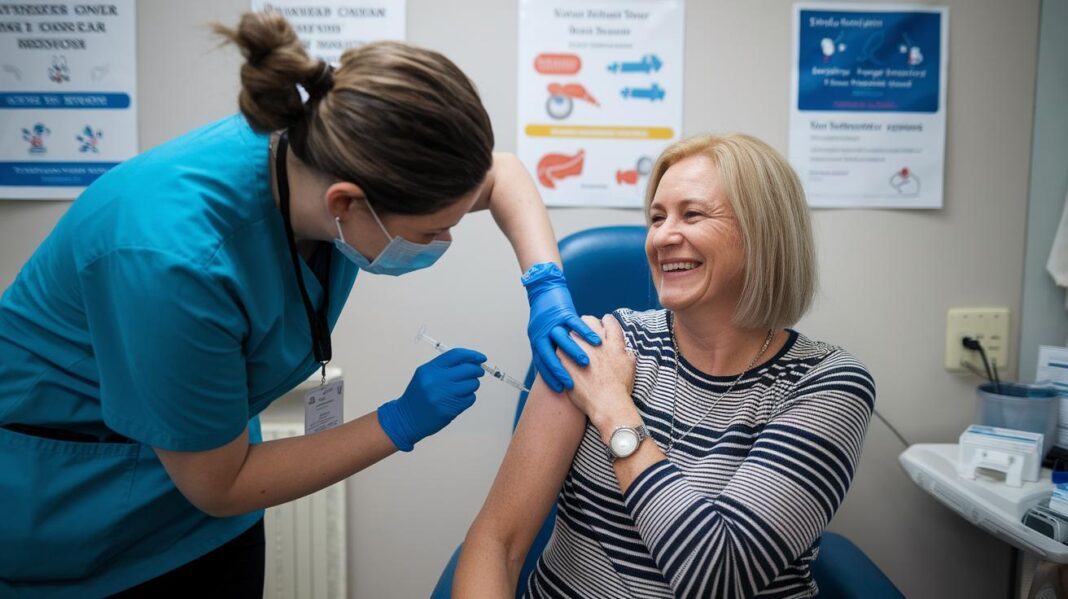
Ever wondered if one small shot might stop a dangerous outbreak? Vaccines work like a practice run for your immune system. They teach your body how to fight off infections before they even start. Back in the early 1900s, regular shots nearly wiped out smallpox, showing that a simple injection can protect a whole community. In this post, we explore how different vaccines work together to boost public health and keep us safe. It’s amazing how one small act can lead to big benefits for everyone.
Vaccines for Communicable Diseases Boost Public Health
Vaccines for communicable diseases are vital tools that help our bodies get ready to fight off infections. They work by giving our immune systems a practice run using a weakened or inactivated version of the germ. Ever wonder how your body stays ready for an attack? It’s a bit like rehearsing before the big game, preparing for the real challenge ahead. In fact, back in the early 1900s, repeated safe exposures through smallpox vaccines nearly wiped out the disease.
Immunization is one of our best bets against spreading infections. Research shows that vaccines have played a key role in stopping outbreaks for over a hundred years. Each year, doctors recommend that everyone aged 6 months and older get a flu shot by the end of October to help fend off seasonal flu. And there’s the MMR vaccine, which guards against measles, mumps, and rubella. One shot protects about 93% of people, and with two, that climbs to 97%, an impressive defense that also helps avoid complications like encephalitis.
Over the years, vaccines have also cut down cases of polio, rotavirus, and meningococcal disease, saving countless lives in the process. Their ongoing success continues to boost public health around the world.
Types of Vaccines in Communicable Disease Prevention
Vaccine development has come a long way in the past century. We started with vaccines that used whole organisms, and now science offers many different types that help our immune systems stay strong in their own ways. Thanks to ongoing research and new technologies, we now have live attenuated vaccines, inactivated vaccines, toxoid vaccines, recombinant vaccines, and mRNA vaccines. Each type helps to keep our communities safe in its own unique way.
Live Attenuated Vaccines
Live attenuated vaccines work by using a weakened form of a virus or bacteria. This approach lets your immune system learn to recognize and fight the real germ without causing the full-blown illness. Take the MMR vaccine, for example, it uses weakened forms of the measles, mumps, and rubella viruses, giving your body long-lasting protection.
Inactivated Vaccines
Inactivated vaccines contain germs that have been killed by heat or chemicals. Even though the germs can’t multiply, they still trigger your immune system to build defenses. The inactivated polio vaccine (IPV) is a great example. It uses a harmless version of the poliovirus to help protect you without any risk of an actual infection.
Toxoid Vaccines
Toxoid vaccines target illnesses caused by toxins a germ produces, not the germ itself. They work by introducing a harmless version of the toxin so your body can learn to fight off the real thing. Vaccines for diseases like diphtheria and tetanus fall in this group, helping to neutralize the toxins that cause harm during infections.
Recombinant Vaccines
Recombinant vaccines use proteins that have been specially made in a lab to kick-start your immune system. Experts isolate only the parts of the germ that you need to recognize, making these vaccines safe and effective. Hepatitis B and human papillomavirus (HPV) vaccines are well-known examples that use this method to protect you.
mRNA Vaccine Technologies
mRNA vaccines mark a real breakthrough in our fight against diseases. They work by using a tiny piece of genetic code to tell your cells to make a protein that then sparks an immune response. This quick and adaptable technology was a key player during the COVID-19 pandemic and holds promise for tackling future health challenges.
| Vaccine Platform | How It Works | Example Disease |
|---|---|---|
| Live Attenuated | Uses a weakened germ so your body practices fighting it | MMR |
| Inactivated | Uses a killed germ that cannot cause disease | IPV |
| Toxoid | Uses an inactivated toxin to build immunity | Diphtheria |
| Recombinant | Uses lab-made proteins to spark an immune response | Hepatitis B |
| mRNA | Uses genetic instructions to prompt protein production | COVID-19 |
Scheduling Protocols for Communicable Disease Vaccines
Timing is key in vaccine programs. Getting your shots when recommended helps your body build a strong defense and keeps the community healthy. Sticking to the schedule makes the vaccines work better, so kids and grown-ups get the best protection from each dose.
- Varicella: 12–15 months and 4–6 years
- MMR: 12–15 months and 4–6 years
- DTaP/Tdap: a series in infancy, a booster at 11–12 years, then every 10 years
- Hepatitis B: at birth, then 1–2 months, and again at 6–18 months
- Hepatitis A: first shot at age 1, then six months later
- Influenza: every year for those 6 months and older, usually by October
Worldwide, groups like the WHO give us clear rules on when to get vaccinated. These guidelines shape programs for both kids and adults. For example, getting your booster for DTaP/Tdap helps keep your own immunity strong and also protects others. Health experts believe that following these schedules is a smart way to stop diseases from spreading. When everyone follows the plan, it keeps outbreaks at bay and helps safeguard our well-being.
Effectiveness Metrics of Vaccines for Communicable Diseases
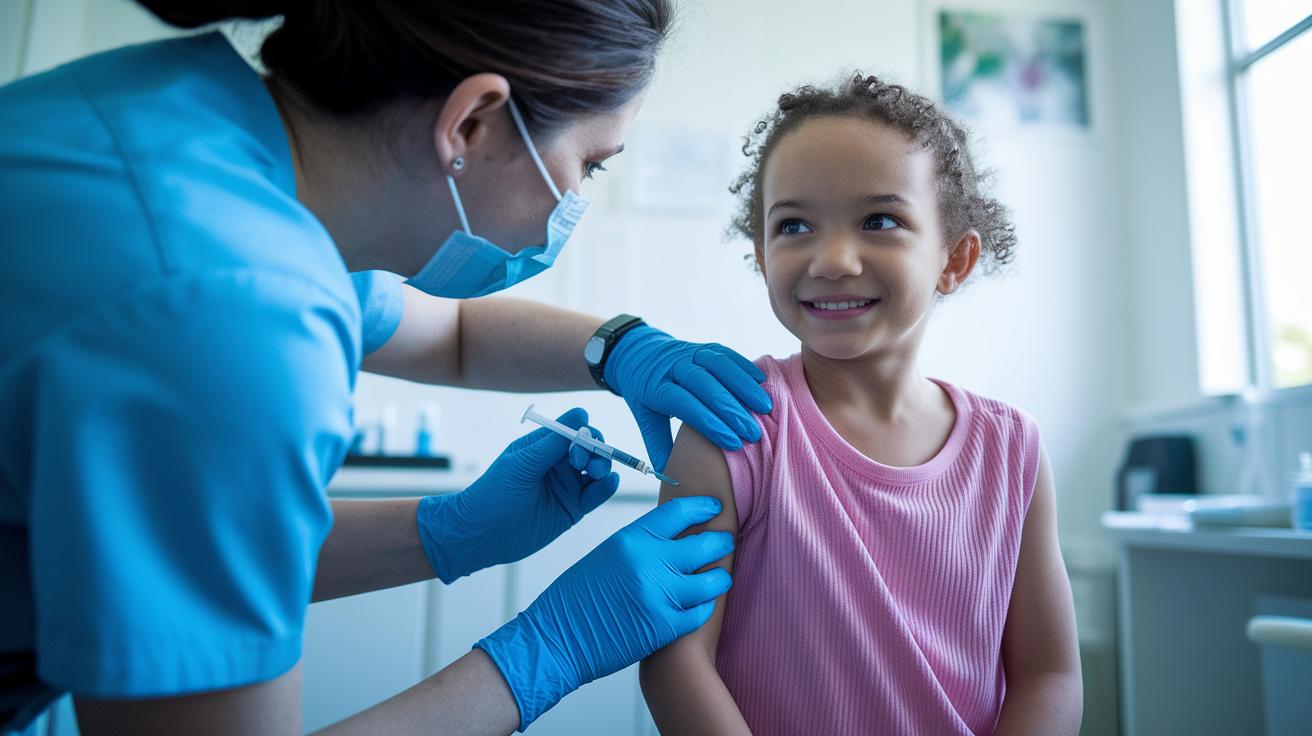
When children receive two doses of the varicella vaccine, nine out of ten are well-protected against chickenpox. The MMR vaccine is also quite effective, one dose gives about 93% protection, and two doses boost that to roughly 97%. This means that after getting vaccinated, kids have a strong defense against serious diseases. Imagine a child whose risk of catching chickenpox drops to nearly zero after completing the vaccine series.
Vaccination doesn’t just help one person. When many people are vaccinated, it creates a community shield that stops diseases from spreading easily. This idea, called herd immunity, works because germs have fewer people to infect. It’s like having a wall in your neighborhood that keeps the bad bugs out for everyone.
Research confirms that when lots of people are vaccinated, diseases like measles and rubella become much less common. Immunization programs show a clear drop in these illnesses, proving that following the vaccine schedule really pays off. Stick with your community’s vaccine plan, and you help keep everyone safer.
Safety and Monitoring of Communicable Disease Vaccines
Every day, systems like VAERS and other networks keep a close eye on any signs of unusual reactions to vaccines. Health experts watch for small issues, like a bit of soreness at the shot site or a mild fever, to make sure these events stay rare and easy to handle. Even a tiny report, such as a bit of redness on the arm, is noted and reviewed so that our safety picture is always current.
Public reports make the whole process even clearer. Medical providers share event details openly, giving both patients and officials the latest facts right at hand. This honest sharing helps everyone feel sure about getting vaccinated.
Extra checks also build trust in vaccines. Health agencies and manufacturers follow strict rules to stay on track and quickly clear up any concerns. For example, studies show that DTaP/Tdap vaccines are safe even for pregnant women during weeks 27–36. Quick, careful reviews make sure every issue is handled in an open way. This steady care reassures our communities and boosts confidence in our shared goal of keeping everyone protected.
Global Availability and Distribution of Vaccines for Communicable Diseases

Getting vaccines from where they're made to your local clinic isn’t always easy. Many vaccines need to be kept very cold to work properly, and even a small break in that cold chain can weaken them. This means countries must plan carefully how to store and deliver vaccines so everyone gets a safe, strong dose. Long shipping routes, harsh weather, and limited storage spots can slow things down or affect how well vaccines work.
Countries are working hard to get better at managing their vaccine supplies. Health agencies use smart planning and tracking tools to know how many vaccines are in stock and where extra doses are needed. These methods cut delays and help prevent shortages, keeping both kids’ and adult immunization programs on track. In short, the aim is to make sure vaccines are ready and waiting when they’re most needed.
Working together with other countries is another big part of the solution. Nations and global health groups team up to share data and resources. By pooling their information and supplies, they can fix regional hiccups and ensure everyone gets a fair chance at vaccines. For example, they might join forces to improve the cold chain or share clever ideas on managing supplies better, all to help everyone around the world stay protected.
Community Strategies to Enhance Vaccination Uptake
Community education is one of the simplest ways to help more people get vaccinated. Local health centers often run friendly education events where experts explain how vaccines work like a safety shield that helps your body fight off sickness. For example, one speaker might say, "Think of your immune system getting suit up in protective armor, this is what a vaccine does."
Clear, friendly messages also make a big difference. Town meetings and social media posts answer everyday questions and ease worries about vaccine safety. They often share easy-to-understand facts, like "One shot protects you and your neighbors," so that everyone feels informed.
Building trust is really important too. Community leaders and healthcare workers take time to talk openly about possible side effects, share real-life stories of how vaccines helped, and invite people to ask questions. This honest conversation makes people feel listened to and comfortable, encouraging more to join in vaccination efforts.
Local drives, such as pop-up clinics in neighborhoods or vaccination days at schools, take these messages directly to where people are, making it easier for everyone to get vaccinated.
Future Directions and Research in Vaccines for Communicable Diseases
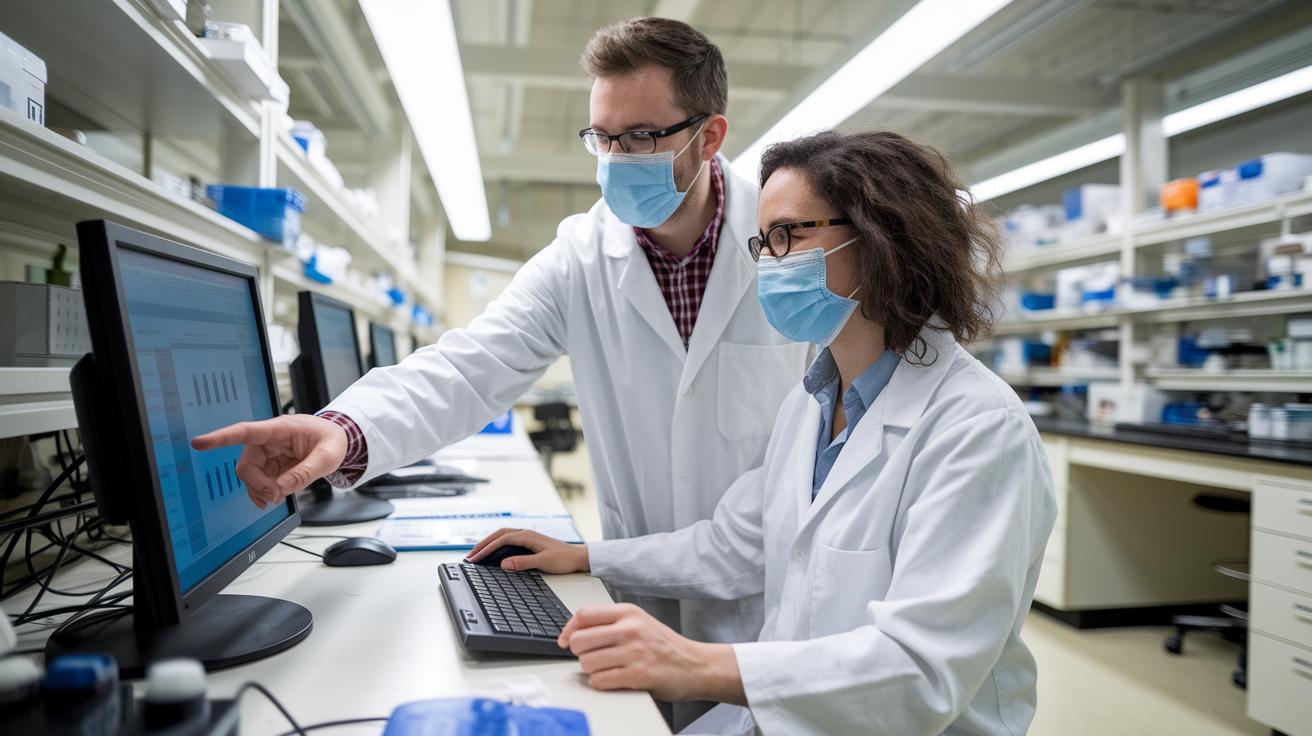
It’s an exciting time in vaccine research. New clinical trials are giving us a peek at how tomorrow’s vaccines might work better. Scientists are testing fresh mRNA methods that essentially teach our cells how to fend off infections more easily. In simple terms, these next-generation shots could quickly adjust when new virus variants pop up – like tweaking a favorite recipe until it’s just right.
Researchers are also exploring innovative tech platforms and smart ways to fund their ideas. With support coming from both public and private groups, labs are getting the freedom to experiment with bold new concepts. One researcher said seeing a new vaccine outperform early expectations really lifts everyone’s spirits in the field.
On top of that, scientists are busy examining how these cutting-edge vaccines might change public health over time. They’re looking closely at real-life results and figuring out how better vaccines can lower disease rates. This hands-on learning helps shape future research and guides policymakers in making decisions that keep our communities healthier, one step at a time.
Final Words
In the action, we explored how vaccines for communicable diseases have helped protect communities for over a century. We looked at how different types, from live attenuated to mRNA, work, and broke down schedules and safety data.
We also reviewed the impact of these vaccines on stopping outbreaks and improving daily health routines. The discussion of global access and community health efforts shines a light on our promising future. Keep a positive outlook and let the insights guide better everyday choices for improved well-being.
FAQ
What is the list of diseases and their vaccines?
The list of diseases and their vaccines includes common infectious illnesses with corresponding vaccines, available as detailed charts or PDFs that outline the vaccine names and targeted diseases.
What are some examples of vaccine-preventable diseases and key immunizable conditions?
The vaccine-preventable diseases range from measles and mumps to polio and hepatitis, with resources often highlighting top lists such as the top 10 preventable diseases or even focusing on 7 immunizable conditions.
What vaccines are available for communicable diseases and can they prevent them?
Vaccines available for communicable diseases, such as MMR, IPV, and more, work to build immunity and have proven effective in substantially reducing the spread of infections.
What is a 5 disease vaccine?
The 5 disease vaccine is a combination immunization that protects against five common diseases, offering convenience by reducing the number of separate injections needed.
Do vaccines prevent non-communicable diseases?
Vaccines are specifically developed to protect against infections caused by pathogens and are not designed to prevent non-communicable diseases like diabetes or cancer.
What is the immunization schedule?
The immunization schedule outlines specific timing for vaccines, such as starting in infancy and including boosters later in childhood and adulthood, to ensure optimal protection.

