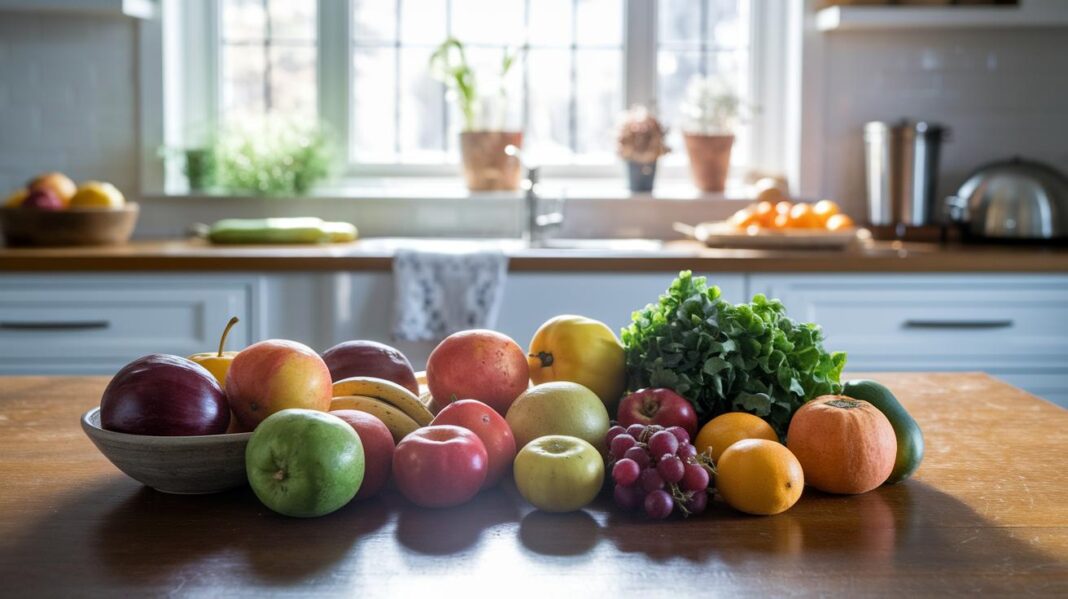
Ever think that a balanced diet might start with eating seasonal foods? Picture biting into a tomato warmed by the summer sun or enjoying a crisp winter apple that bursts with flavor.
When fruits and vegetables are in season, they're full of extra vitamins and minerals that can really boost your meals. Plus, you might even save some money and give back to the earth by keeping things local.
Today, we're taking a closer look at how choosing seasonal produce can add a fresh, tasty boost to your health, and make every bite a win for both you and the planet.
Building a Balanced Diet with Seasonal Foods
Fruits and veggies picked at their best burst with color, flavor, and extra nutrients. When produce ripens naturally, it reaches its peak in vitamins, minerals, and antioxidants. Every bite of a juicy summer tomato or crisp winter apple brings a fresh boost to your meals.
Eating seasonally is a fun way to mix up your diet. Choosing in-season fruits and vegetables means you get a wide mix of nutrients naturally. For example, root vegetables like carrots and beets pack in beta-carotene and fiber, oranges give you a dose of vitamin C, and leafy greens add vitamin K and iron. Plus, local seasonal foods usually cost less because they don’t travel long distances, making your meal planning both fun and budget-friendly.
Opting for seasonal produce also helps take care of our planet. Buying locally cuts down on fuel use and lowers carbon emissions. This approach not only makes your diet healthier by keeping it fresh and nutritious, but it also supports a sustainable lifestyle where you care for both your body and the environment.
Seasonal Produce and Nutrient Profiles by Season
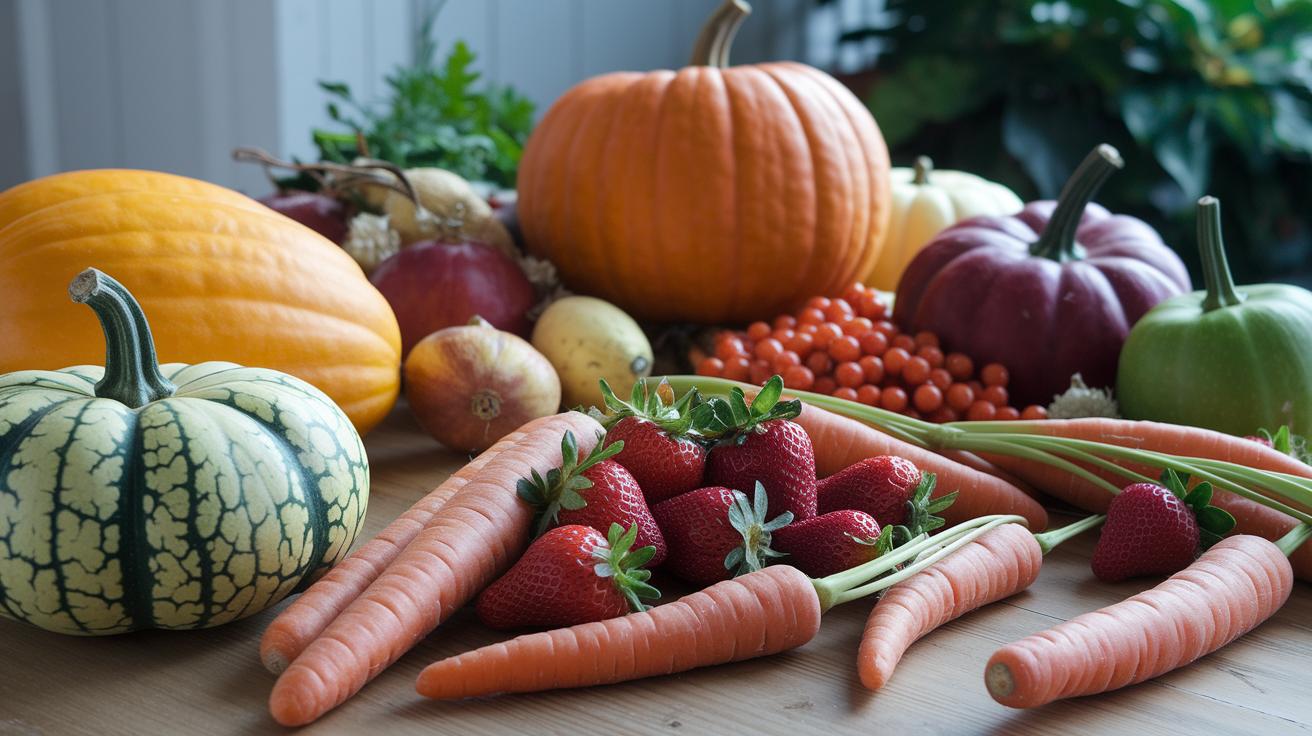
Eating seasonal foods not only boosts your meals with great taste but also packs in the best natural nutrients. In winter, think about dishes featuring root veggies like carrots, beets, and parsnips that are full of beta-carotene. And don’t forget citrus fruits like oranges and grapefruits which bring a big dose of vitamin C. Adding dark leafy greens can give your plate an extra punch of vitamin K and iron.
Spring brings in fresh flavors with tender asparagus, sweet peas, and juicy strawberries. These foods are rich in folate, vitamin C, and antioxidants, perfect for waking up your taste buds after the colder months.
During summer, you can count on water-rich fruits and veggies such as melon, tomatoes, and cucumbers to keep you refreshed. Plus, berries pack anthocyanins, the antioxidants that help your overall health stay in balance.
When fall rolls in, enjoy the crisp taste of apples, pears, and pumpkins. These fruits are excellent sources of fiber, pectin, and vitamin A, while different types of squash offer complex carbohydrates and various vitamins to nicely round out your diet.
| Season | Key Produce | Primary Nutrients |
|---|---|---|
| Winter | Carrots, Beets, Parsnips, Oranges, Grapefruits, Dark leafy greens | Vitamin C, Beta-carotene, Vitamin K, Iron |
| Spring | Asparagus, Peas, Strawberries | Folate, Vitamin C, Antioxidants |
| Summer | Melon, Tomatoes, Cucumbers, Berries | Hydration, Electrolytes, Anthocyanins |
| Fall | Apples, Pears, Pumpkins, Squash | Fiber, Pectin, Vitamin A, Complex Carbohydrates |
Enjoying local, in-season produce means you can craft meals that change with nature’s rhythm. Imagine a cozy root vegetable stew in winter, a light strawberry and pea salad in spring, a refreshing tomato-cucumber gazpacho in summer, or a warm apple and squash bake in fall. Each seasonal bite offers a fresh boost, keeping your diet balanced and exciting.
When you choose seasonal foods, you're not just nourishing your body, you’re also connecting with nature’s own calendar. Cooking with ingredients that are harvested locally makes every meal a story of community and sustainability. So, as you try new recipes that celebrate the best of each season, you'll likely see improvements in your energy, taste satisfaction, and overall well-being. Enjoy the varied textures and flavors that each season brings, and make your meals a delightful and healthy experience.
Meal Planning Techniques for Seasonal Balanced Diets
When planning your meals each week, try to align them with the time when local harvests are at their peak. This means choosing recipes that let fresh, seasonal ingredients take center stage. For example, imagine a warm soup made with winter root vegetables and dark leafy greens. It’s both filling and budget-friendly, all while supporting your local food community.
Switch up your dishes as the seasons change to keep your diet interesting and well-rounded. In the spring, you might enjoy a light, crisp salad featuring asparagus and peas. In the summer, refreshing grain bowls with tomatoes, cucumbers, and berries are perfect. And as fall arrives, savor the taste of roasted vegetables or fruit-based salads with apples or pumpkins. Changing your menu like this not only gives you a variety of nutrients but also keeps mealtime fun and never boring.
Consider using meal prep and batch cooking to make the most of seasonal produce. When you’re at your local market, chop extra vegetables and store them for later use in soups, stews, or grain bowls on busy days. This approach helps keep your food fresh and reduces waste. By planning your meals around the season’s best crops, you blend practical, sustainable habits with tasty, everyday wellness.
Recipe Inspirations Highlighting Seasonal Foods
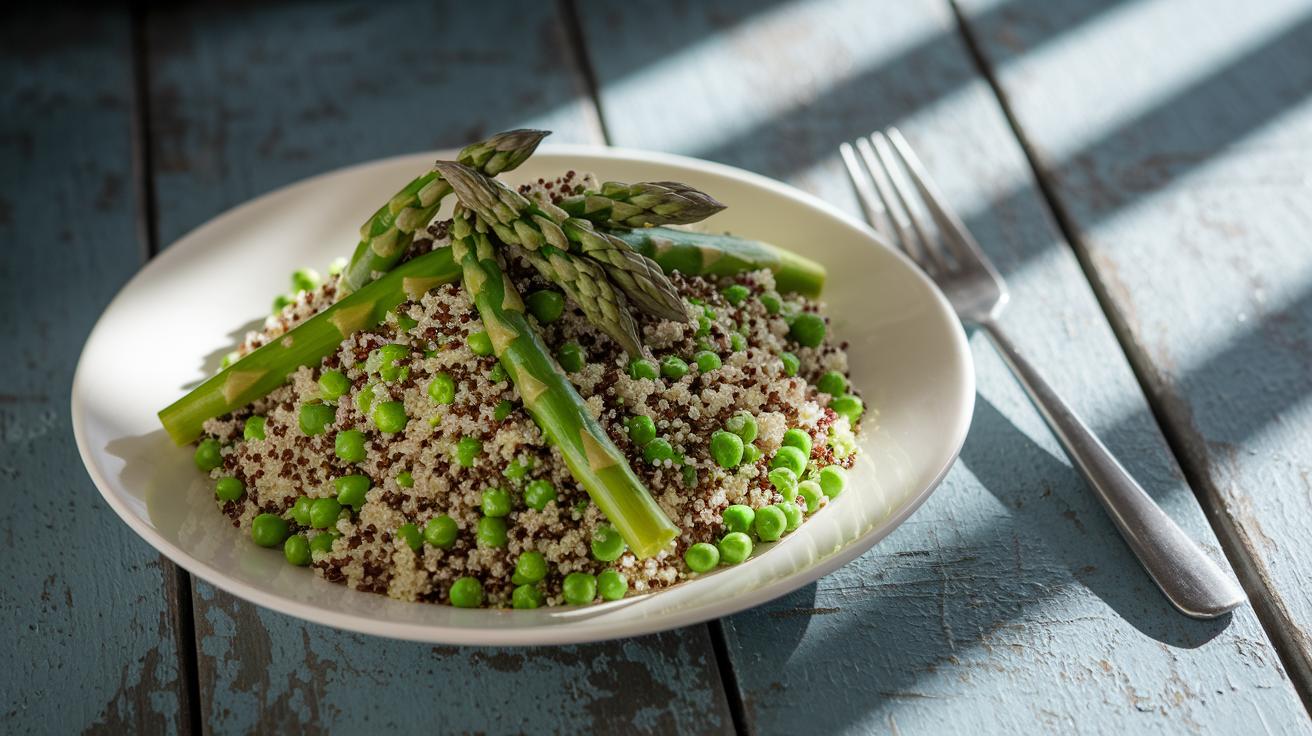
Spring is a great time to try something new. Enjoy a light quinoa salad mixed with softly steamed asparagus, peas, and spinach, all drizzled with a zesty mint dressing. This meal gives you a boost of vitamin K and B vitamins to help you start the day right. For example, mix 1 cup of quinoa with steamed veggies and a dash of lime, it’s tasty and energizing.
When the weather heats up, cool treats are a must. Imagine a chilled cucumber berry salad with crisp cucumbers, juicy blueberries, and chopped tomatoes, all sprinkled with a bit of feta and a squeeze of lime juice. This recipe is packed with antioxidants and vitamin C, perfect for keeping you refreshed. For example, toss sliced cucumbers and berries with a little olive oil and a pinch of sea salt for a cool, crisp summer bite.
Fall is all about warm, comforting flavors. Try a roasted root vegetable medley featuring beets, carrots, and parsnips drizzled with olive oil and a hint of thyme, served over hearty farro. This dish is great for fiber and antioxidants, supporting good digestion and a feeling of fullness. For example, roast your bite-sized veggies until tender and serve them warm over farro for a satisfying meal.
When winter sets in, hearty meals become extra special. A citrus lentil soup with vibrant orange segments, fennel, and warming spices is just what you need. This soup serves up vitamin C and plant protein to keep you cozy on chilly days. For example, simmer your lentils with fennel and a few orange slices to create a soup that warms both body and spirit.
| Season | Recipe | Nutrient/Meal Tip |
|---|---|---|
| Spring | Spring Garden Quinoa Salad | Rich in vitamin K and B vitamins |
| Summer | Chilled Cucumber Berry Salad | High in antioxidants and vitamin C |
| Fall | Roasted Root Vegetable Medley | Boosts fiber and antioxidants |
| Winter | Citrus Lentil Soup | Packed with vitamin C and plant protein |
Sustainable Sourcing and Storage for Seasonal Ingredients
When you store seasonal fruits and veggies the right way, you keep their nutrients intact. For root vegetables like carrots or beets, a cool, dark spot helps hold onto their vitamins. Leafy greens like kale and spinach do best when chilled in the fridge so they stay crisp. And if you blanch and freeze berries quickly, you lock in both flavor and antioxidants.
Here's a simple tip: keep your carrots in a cool pantry where they won’t face direct sunlight to preserve their natural nutrients.
| Produce Type | Storage Method | Example |
|---|---|---|
| Root Vegetables | Cool, dark place | Carrots, beets |
| Leafy Greens | Refrigerator | Kale, spinach |
| Berries | Blanch then freeze | Blueberries, raspberries |
Overcoming Seasonal Gaps: Preservation and Substitution Strategies
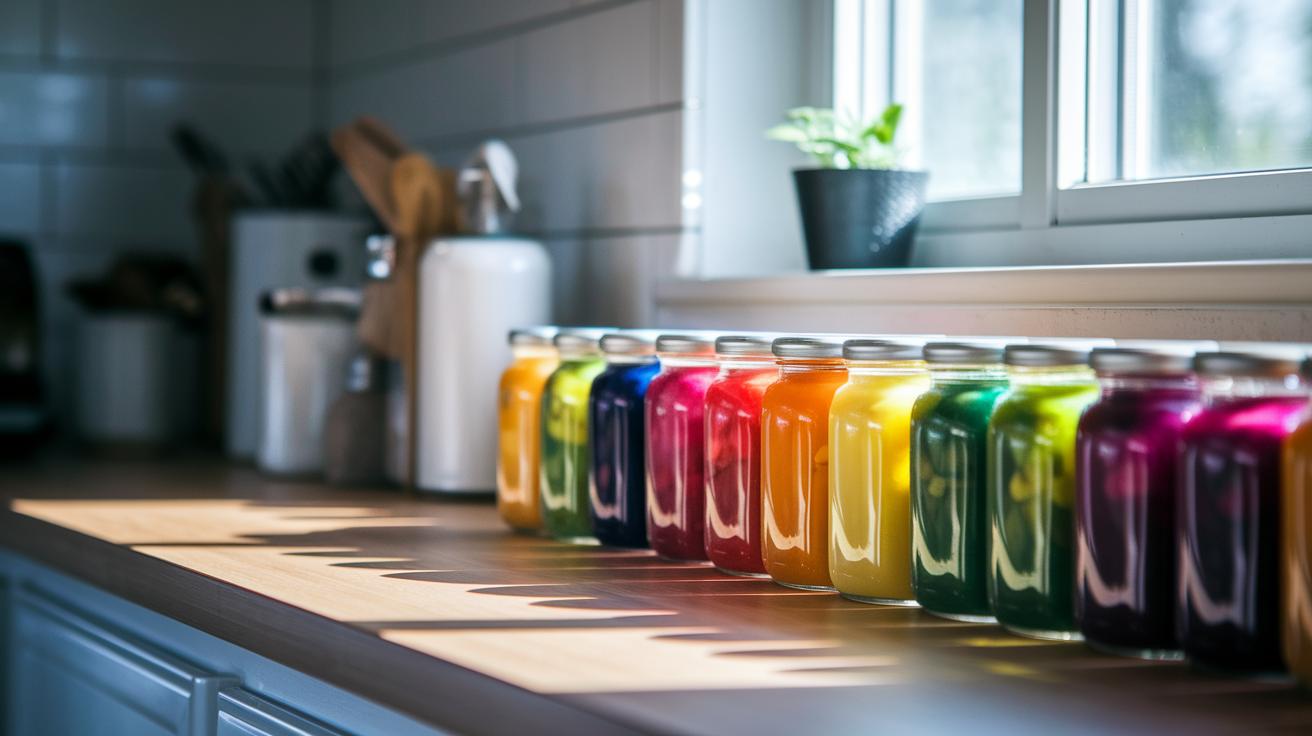
When fresh fruits and vegetables are hard to come by, preserving them when they're at their best helps keep your meals full of nutrients. Frozen or canned options, without extra sugars or preservatives, are a smart way to hold on to important vitamins and minerals. For example, using frozen spinach in place of fresh ones still gives you iron and folate, making sure your meals pack a nutritional punch even when certain items are out of season.
Home canning or pickling during peak harvest times is another handy trick to lock in flavors and essential nutrients. When you can preserve your own produce with safe canning methods, you control the ingredients, which means healthier and more sustainable meals all year long.
If you find that some ingredients are out of reach, try simple swaps that offer similar nutrients. Canned pumpkin, for example, can stand in for fresh squash, and frozen berries work great when fresh ones aren’t available. These small changes help keep your diet balanced while still giving you plenty of natural nutrients. Plus, it keeps your meals healthy without hurting your budget.
Final Words
In the action, this article broke down how fresh, local produce peaks in nutrition and flavor across every season. We covered nutrient-rich selections, smart meal planning, and handy storage tips to keep your pantry vibrant. Simple, creative recipes and savvy ingredient swaps keep your meals healthful even when certain foods are scarce. The discussion shows that a balanced diet with seasonal foods can boost your daily vitality. Every idea shared helps you take small steps toward feeling better and enjoying the wholesome goodness of nature’s best offerings.
FAQ
What is a healthy seasonal diet?
A healthy seasonal diet means eating foods available during their natural harvest, ensuring they are packed with maximum nutrients and flavor, often supporting cost savings and local food systems.
How does a balanced diet with seasonal vegetables, fruits, and other produce support weight loss?
A balanced diet with seasonal produce supports weight loss by offering lower-calorie, fiber-rich foods that boost nutrition and help manage hunger, making it easier to maintain a healthy weight.
What benefits come from eating seasonally?
Eating seasonally offers benefits like enhanced flavor, peak nutrient levels, cost savings, support for local farms, and an environmentally friendly approach, which together create a more diverse nutrient intake.
What does a seasonal food chart show?
A seasonal food chart shows which fruits and vegetables are at their peak during each season, guiding you to select ingredients that naturally offer optimal taste and nutritional content.
What is an example of seasonal eating?
An example of seasonal eating is preparing meals with spring asparagus, summer tomato salsa, fall apple-based dishes, and winter citrus salads, each aligning with the season’s best produce choices.
Is eating seasonally better for your health?
Eating seasonally may be better for your health since it provides fresher, nutrient-dense foods that support your body naturally and help reduce environmental impacts through shorter food supply chains.

