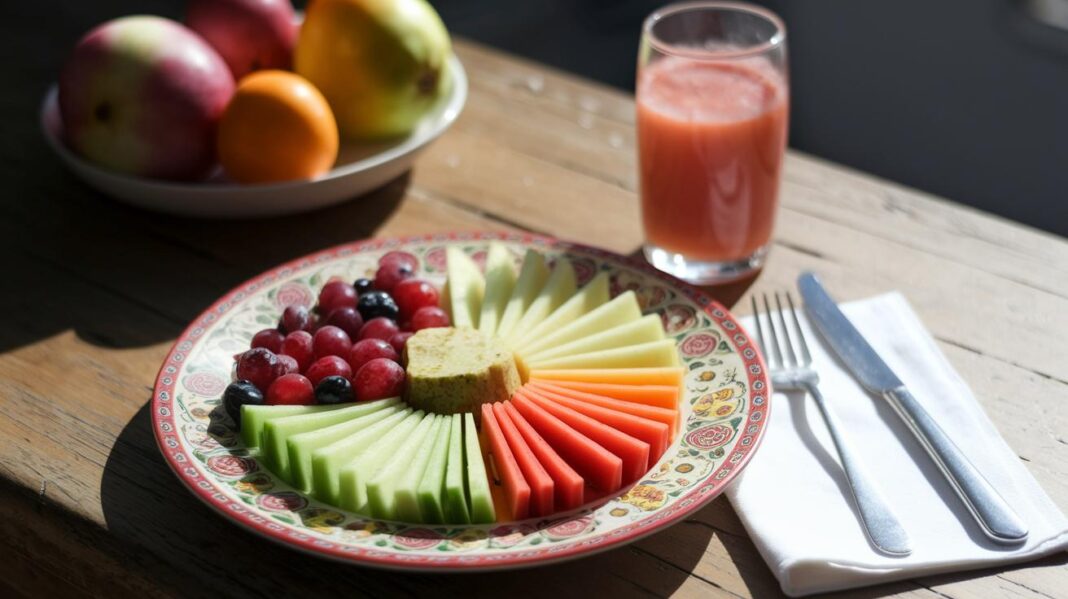
Ever notice how some meals leave you feeling energized while others can slow you down? It’s not about following a strict diet plan; it’s about choosing foods that work well together to boost your body’s energy.
Think of your plate like an artist’s palette filled with lean proteins, fresh veggies, and whole grains in just the right amounts. With a few easy tips on eating mindfully and managing portions, you can power up your day and feel your best.
Balanced Diet and Portion Control Essentials
Portion control isn’t about following a strict, no-excuses plan, it’s a friendly way to approach eating. Instead of cutting out food groups, try to include three main types: vegetables, lean proteins, and whole grains, with a little fruit or dairy on the side if you like. Think of it like creating a colorful meal where your plate is a palette of health and balance.
A good rule of thumb? Fill half your plate with non-starchy veggies, one-quarter with lean protein (about the same size as a deck of cards), and one-quarter with whole grains. It’s an easy visual guide that reminds you to keep your meals balanced and diverse with all the nutrients your body needs.
Mindful eating is another great trick to add to your routine. Slow down and savor every bite; this gives your body time to send out those natural fullness signals. Ever notice how a slow, mindful bite of your favorite salad lets you enjoy every crunch? This simple habit can help you stop eating before you feel overly stuffed.
Making meals at home with whole foods gives you full control over your portions. You can measure each ingredient precisely, so every serving is just right to boost your energy and well-being. Simple tools like measuring cups or even using a smaller plate can go a long way in keeping your portions in check, paving the way for a healthier everyday routine.
Nutrient Meal Planning within Balanced Diet and Portion Control
Using a meal template can really take the guesswork out of making balanced dishes. It’s all about keeping simple foods on your plate, try including fresh vegetables, lean proteins, and whole grains at every meal. For example, you might choose steamed carrots, a small serving of grilled turkey, and a side of quinoa.
A handy tip is to prep your ingredients ahead of time and measure your servings. This not only simplifies your cooking but also keeps your meals balanced from the start. Next, consider using a tool like Meal Planner for Healthy Eating to design a plan that fits your lifestyle.
Imagine this: you work with pre-cut vegetables, toss in lean protein, and mix in whole grains. You store these in separate, measured containers, so when you’re short on time, you have a ready-to-eat, balanced meal waiting for you.
Optimal Food Group Ratios in Balanced Diet and Portion Control
Imagine a plate that’s not just pretty to look at but is designed using real nutritional science. Fill half your plate with non-starchy veggies like broccoli or spinach. These veggies are packed with fiber and antioxidants, which help you feel full and keep your tummy happy.
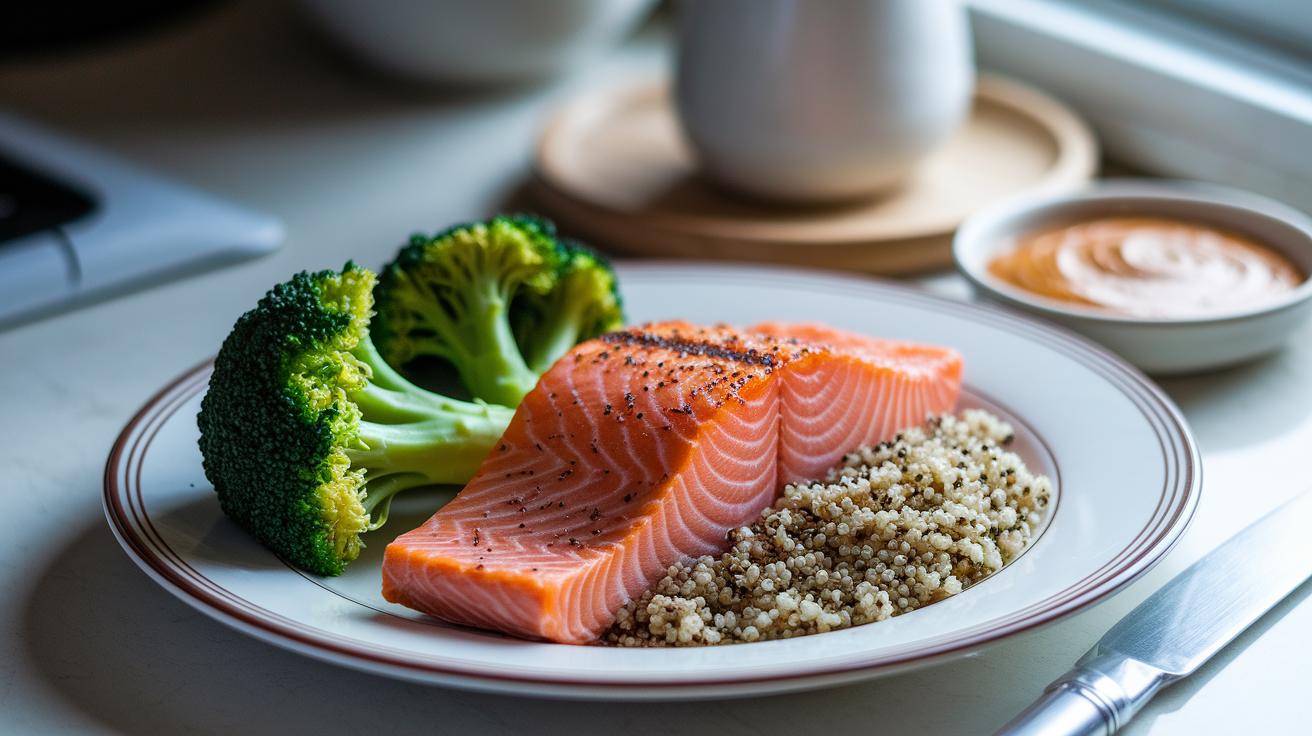
Add a serving of lean protein that's about the size of a deck of cards, roughly 3 ounces. This protein gives you the building blocks you need for muscle repair after a busy day. Then, fill a quarter of your plate with whole grains, which have complex carbs that provide steady energy. For example, a plate with steamed broccoli, a small piece of grilled salmon, and a side of quinoa helps keep blood sugar levels balanced.
If you need to adjust your diet, you can tweak these portions. After a workout, you might want to add more protein to help your muscles recover. Or, you could swap whole grains for legumes to get extra fiber and plant-based protein. Fun fact: That deck-of-cards-sized serving of lean protein is a simple way to build the base for strong muscles and lasting energy.
Practical Portion Management Techniques for Balanced Diet and Portion Control
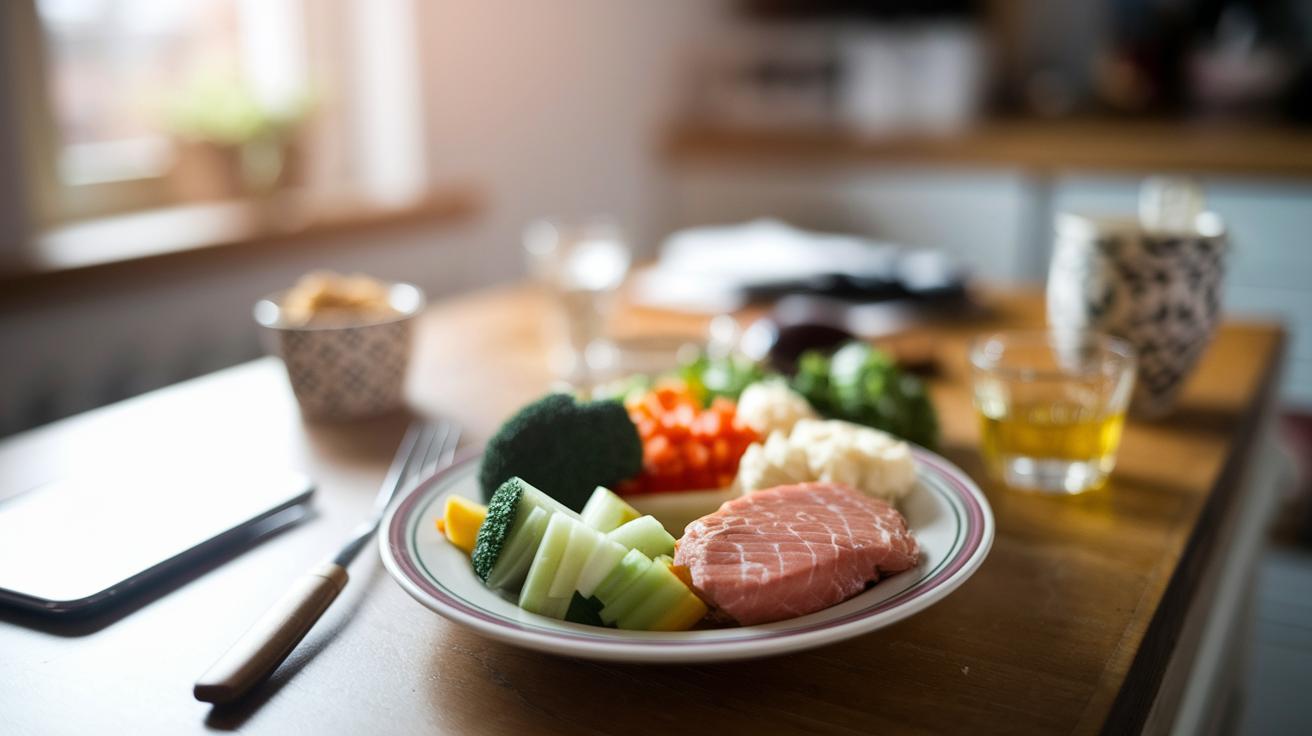
Getting a handle on your meal portions can be simple and effective. Try using a smaller plate, it might just trick your brain into feeling satisfied with less food. You can also use everyday tools like measuring cups, spoons, or even your hand. For example, your fist is roughly one cup of carbohydrates, while your palm can give you a good idea of a protein serving. This visual trick makes it easier to keep your meals balanced without the hassle of counting every calorie.
Another cool tip is to serve only half of the amount you think you want. This gives your body time to tell you when it's full. And if you are still hungry later, you can always have a bit more. When eating out, ask for a to-go container right away. This way, you pack away half your meal immediately, preventing you from overloading your plate.
Here are a few practical ideas to try:
- Use a smaller dish for each course.
- Measure out your food with cups, spoons, or by using your hand.
- Start with half your portion first and wait to see if you're really hungry.
These small habits can stop overeating and make eating well feel natural. For extra help on building a grocery plan that keeps your portions in check, visit Grocery List for Healthy Eating.
Calorie Balancing Strategies in Balanced Diet and Portion Control
Keeping an eye on your calories is simpler than you might think. Research shows that we tend to gain weight when we either overeat or don’t get moving enough. By keeping a simple food diary or using an app, you can easily track your daily calorie intake and enjoy a steady boost of energy throughout the day.
One great way to start is by measuring your food and writing down everything you eat. Fun fact: many people don’t realize that even a small snack can add up to hundreds of extra calories over time. This little step helps you see just how much energy you’re putting into your body, making it easier to stick to a daily calorie goal.
Here are some friendly suggestions:
- Write down your meals and snacks every day.
- Use measuring cups or even your hand to get quick estimates.
- Check your calorie goal regularly and adjust your portions if needed.
Sticking with these tips can help prevent those sudden energy dips and support better weight management. When you balance your food portions consistently, your body gets the right amount of fuel it needs to keep you active and content all day long.
Smart Serving Size Tips for Balanced Diet and Portion Control
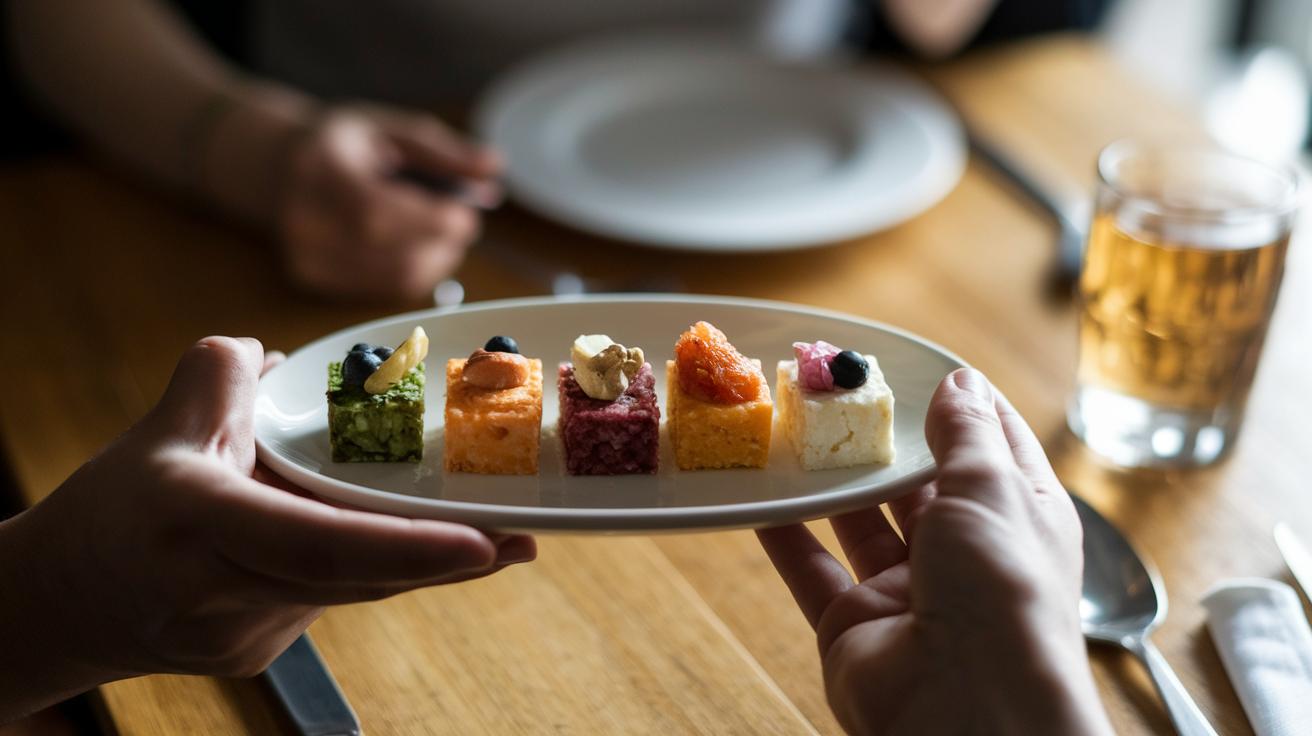
Ever try sitting down, taking five bites, and then pausing? You might be surprised to find that you feel full sooner than you expected. This little trick helps you notice your fullness before you finish your meal.
There are other easy ways to keep your eating in check too. Eating slowly or using a smaller plate are great examples, and you can read more about these ideas in our sections on Practical Portion Management and Calorie Balancing Strategies.
Here’s how this unique tip works in action:
| Snack Tip | Description |
|---|---|
| Sit, Bite, and Pause | Take five bites slowly and then pause to see how hungry you really are. |
Monitoring Progress in Balanced Diet and Portion Control
Tracking your meals gets even more useful when you note details beyond just calorie counts. Try using food journals or apps that let you record your mood and stress with every meal. For example, an app might ask, "How did you feel before and after this meal?" This simple question can help you see if stress makes you grab bigger portions.
Some tools let you log sleep quality along with your meals. This shows you how a good or bad night’s sleep might influence your serving sizes. One reader noticed that on nights with poor sleep, tiredness pushed her to take larger portions, which led her to rethink her sleep routine and meal timing.
Regular check-ins with little notes on your energy or mood can make a big difference in your eating habits. These insights help you spot small changes that support a balanced diet and better portion control.
Final Words
In the action, we explored how a balanced diet and portion control can shape healthy eating habits. We broke down nutrient meal planning, optimal food group ratios, simple portion management techniques, and calorie balancing strategies into easy steps. Using smart serving size tips and tracking progress with food diaries can make mealtime decisions clearer and more satisfying.
Stick to these fundamentals and see how small changes lead to lasting improvements. Positive everyday steps make achieving well-being a more enjoyable process.
FAQ
What is a balanced diet and portion control PDF?
The balanced diet and portion control PDF provides clear visual guides that outline proper meal portions and ideal food group ratios for maintaining a nutritious, well-balanced diet.
What are the seven importance of portion control?
The seven importance of portion control include managing calorie intake, ensuring balanced nutrient distribution, promoting mindful eating habits, supporting weight management, aiding digestion, boosting energy levels, and reducing the risk of overeating.
What is a balanced diet and portion control meal plan?
The balanced diet and portion control meal plan organizes meals by clearly dividing vegetables, proteins, and whole grains, making it easier to enjoy nutrient-rich foods while keeping portions in check.
How does a portion control diet plan designed for females work?
The portion control diet plan for females tailors serving sizes to suit individual energy needs, balancing nutrient intake and taste while encouraging effective weight management and overall well-being.
What is included in a food serving sizes chart?
The food serving sizes chart offers visual references for typical amounts in each food group, helping you quickly estimate portions to maintain a balanced diet and avoid overeating.
How does the portion control chart guide healthy eating?
The portion control chart gives simple visual markers and measurement tips that help you estimate serving sizes accurately, keeping meals balanced and supporting calorie management.
How can a food portion guide help with weight loss?
The food portion guide for weight loss provides measurement tips and clear serving suggestions that help control calorie intake, supporting weight management while ensuring meals remain nutrient-rich.
What are examples of using portion control?
Examples of using portion control include using smaller plates, measuring foods with cups or spoons, pre-plating meals, and keeping a food diary—all simple ways to promote balanced eating.
How does portion control contribute to a balanced diet?
Portion control contributes to a balanced diet by ensuring that each meal has the right amount of nutrients, preventing overeating, and supporting steady energy levels throughout the day.
What is the 5532 rule?
The 5532 rule is an eating guideline that suggests dividing your plate into specific portions to promote balanced meals. It offers a clear method to portion food groups and aid overall meal planning.
What are five methods of portion control?
Five methods of portion control include using smaller plates, measuring servings with cups or spoons, pre-plating meals, tracking food in a diary, and practicing mindful eating to prevent overeating.
What is the 90 10 rule for eating healthy?
The 90 10 rule for healthy eating means that 90% of your meal should come from nutrient-dense, unprocessed foods, leaving 10% for occasional treats to maintain balance without overindulgence.

