
Ever wonder if you can keep your heart working strong even while you nurse a broken foot? A little injury might slow down your usual workout, but it doesn’t mean your cardio plans have to stop. Today, we’re sharing friendly advice on how to stay active without putting stress on your foot.
You’ll discover gentle exercises you can do in water or while sitting down, moves that help you protect your injury and support your heart’s health. Stick with us as we guide you on an easy, careful path to recovery and staying fit.
Safe Cardio Strategies for a Broken Foot
Did you know that even a little pain in your foot might mean a bigger problem? It’s true. Before you jump into any exercise, it’s important to see a doctor and get an X-ray. Your doctor might advise waiting 4 to 8 weeks or until you get the okay before starting any workout that involves a broken foot.
Keeping your heart strong is key while you heal. A healthy heart makes recovery smoother. When your foot is hurt, steer clear of exercises like running or jumping that put too much pressure on it. Instead, try non–weight-bearing activities. For example, you might do a gentle seated workout to keep your heart pumping without stressing your foot.
Think about setting up an exercise plan that protects your foot. You could use water-based activities like gentle swimming or aqua jogging. Using a flotation belt can help you move without putting weight on your foot. Additionally, low-impact cardio machines can take the load off, and even a modified HIIT session might work if you adapt it for safety. If you’re ready for an upper-body challenge, seated routines with resistance bands or dumbbells can give your heart a good workout, too.
Take it slow and steady. Start at a light pace and gradually increase your effort as you heal. Keeping your heart active during recovery not only supports your overall health but also helps prevent other problems. Stay patient and let your body guide you through each step.
Seated and Upper-Body Cardio Workouts
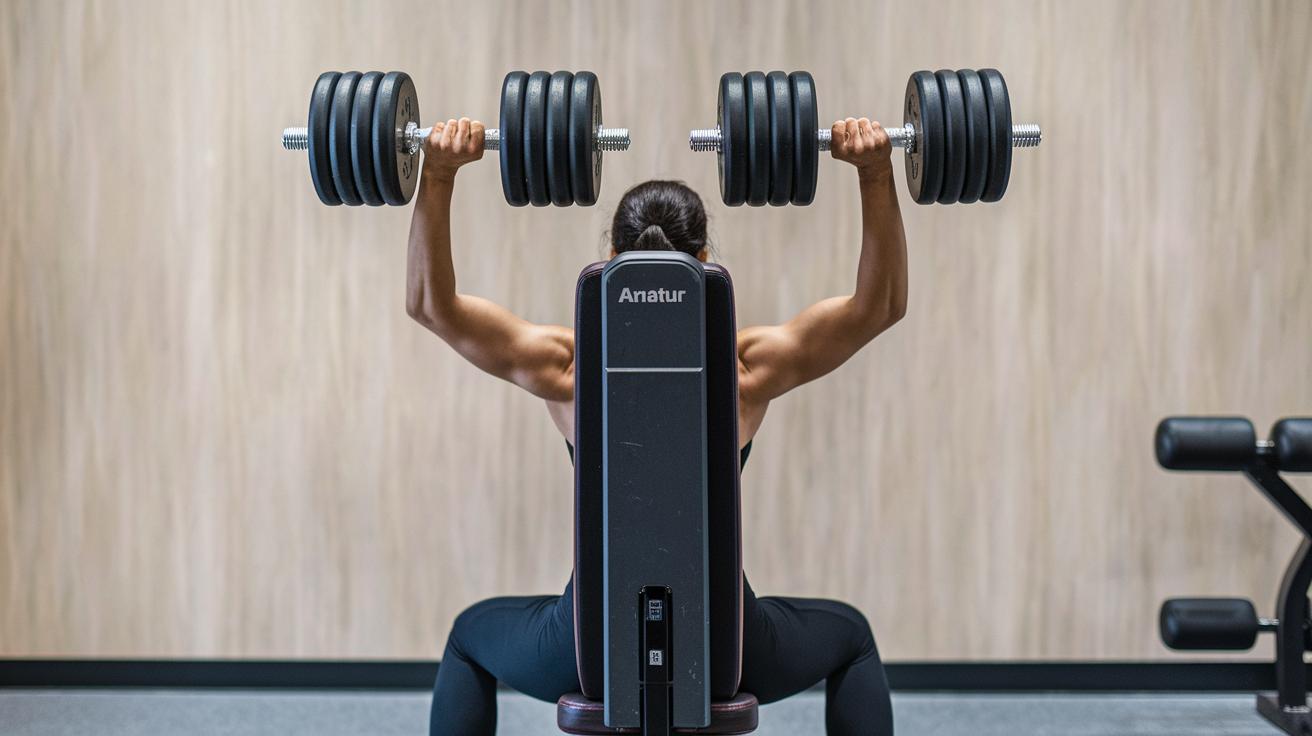
When your foot needs a break, you can still keep your heart pumping by focusing on your upper body and seated exercises. These moves help boost your heart while giving your injured foot a rest. Think of it like doing a push-up using your arms instead of your legs, it gets your heart rate up safely. Simple exercises, like seated dumbbell circuits or resistance-band rows, can really make a difference. Even hand-cycle ergometer sessions can challenge you by increasing your oxygen intake; just adjust the seat so you're comfy and set the resistance to a level you can handle for 15 to 30 minutes.
Here are six effective exercises that help keep your heart healthy and build strength in your upper body during recovery:
- Seated dumbbell shoulder press
- Resistance-band seated row
- Battle-rope alternating waves
- Seated medicine-ball slams
- Hand-cycle ergometer intervals
- Seated boxing punches
These workouts let you focus on strengthening your arms and core without stressing your injured foot. Try mixing in a couple of these exercises during every session. For example, you could start with a few minutes on the hand-cycle and then switch to some seated boxing punches. This way, your workouts remain fun and effective as you continue to heal.
Water-Based Cardio Options with Minimal Foot Pressure
Imagine getting your heart pumping without putting pressure on your injured foot. Water exercises let you do just that. When you swim in water that reaches your waist or chest, each stroke helps you move while keeping your foot safe. It’s like the water holds you up so you can work out without any worry.
Aqua jogging is another great way to stay active. With a flotation belt, you can run in the water without the usual impact. Start with a 10-minute session, and try using pool noodles or water-shoes for extra grip. As you feel more at ease in the water, you can slowly extend your time to around 30 minutes. Some clinics even offer a cool option called ActivArmor, a 3D-printed waterproof cast that lets you dive right into your water workout.
Mix it up by alternating between swimming and aqua jogging. This way, you get a balanced mix of cardio that boosts your endurance. Plus, you can enjoy the cool, refreshing feel of the water while keeping your foot relaxed and secure. Start slowly, listen to your body, and let the water support you on your path to recovery.
Low-Impact Machine Cardio Alternatives

If you're healing from a broken foot, it's still important to keep your heart active while taking care of your injury. Using machines is a safe way to build endurance without putting extra pressure on your foot. One friendly option is the stationary bike. Adjust the seat so your knee holds a gentle bend, set the resistance between 1 and 3, and plan for a workout that lasts around 20 to 30 minutes. You might even start with just 15 minutes at an easy pace and then slowly add more time as your foot heals.
Another great choice is the elliptical trainer. Its flat design and slight incline mean that you can exercise without stressing your foot. Keeping things slow and steady helps raise your heart rate without causing strain.
A rowing machine is also worth considering. With secure foot straps and a comfy seat, you can focus on a pull-based workout that works your upper body. This lets you maintain your cardiovascular health while giving your injured foot the break it needs. Always make sure the machine is set up comfortably and safely for you.
| Machine | Setup Tips | Foot Stress Level |
|---|---|---|
| Stationary Bike | Adjust seat for a slight knee bend; use resistance level 1-3; target 20-30 minutes | Low |
| Elliptical Trainer | Flat foot platform; minimal incline; work at a slow pace | Low |
| Rowing Machine | Use secure foot straps and a seat cushion; focus on pulling with your upper body | Low |
Structuring Your Post-Fracture Cardio Recovery Plan
In the first two weeks, focus on gentle movements that help keep your joints moving while you let your foot rest. Picture yourself slowly moving your foot in a circle to ease any stiffness. These easy exercises set the stage for more active sessions later.
Next, during weeks three and four, you can try water workouts and a hand-cycle session. Start with aqua jogging in waist-deep water while wearing a flotation belt, keeping your heart rate at around 50-60% of its maximum. You might also try using a hand cycle for 15 to 20 minutes, adjusting the resistance as needed. Imagine yourself in a supportive pool environment where you gradually boost your heart rate without stressing your foot.
By weeks five to eight, it’s time to transition to low-impact machines like a stationary bike or an elliptical that has a flat foot platform. Work on steadily increasing your effort so that your heart rate reaches between 60-75% of its maximum. Sessions can last up to 30 minutes, allowing you to slowly build your stamina as your foot keeps healing.
After week eight, you can start adding partial weight-bearing exercises. This phase might include modified HIIT intervals with short bursts that push your heart rate to 70-80% of its max, interspersed with rest periods. With a well-planned routine and advice from your physiotherapist, you can adjust based on how your body feels. Think of each stage as a stepping stone that builds your recovery strength while keeping your healing foot safe.
Safety Tips and Expert Guidelines for Cardio with a Broken Foot

Before you begin any workout, get written permission from your orthopedist or physiotherapist. It’s important to have their OK so you can safely work out and protect your foot, even while keeping your heart healthy. For instance, if you feel a little pain during a light seated workout, take a pause and let your body settle before you continue.
Here are some friendly reminders to keep your exercise routine safe:
- Make sure you have written clearance from your orthopedist or physiotherapist.
- Watch out for extra pain, swelling, or bruises and stop your workout if you notice any of these signs.
- Avoid movements that twist or put impact on your foot until it heals completely.
- Use supports like crutches or handrails when you’re getting into or out of the pool.
Keep these guidelines handy and refer to them during your workouts. This way, you can enjoy a heart-healthy routine right at home while keeping your injured foot safe.
Final Words
In the action, we explored safe cardio strategies for a broken foot. The article covered seated and upper-body workouts, water-based routines, and low-impact machine options. It also laid out a clear, step-by-step recovery plan emphasizing professional guidance and gradual progress. These tips help maintain your heart health while protecting your injury. Remember, adapting your routine using cardio workouts with a broken foot can keep you active and vibrant during recovery. Keep moving with care and celebrate every small win along the way.
FAQ
Q: What full body cardio workouts are safe with a broken foot?
A: The full body cardio workouts with a broken foot emphasize seated routines, water-based options, and low-impact machines that keep your heart active while protecting the injured foot. Always follow professional advice.
Q: How can I perform cardio workouts for a broken foot at home?
A: The cardio workouts for a broken foot at home use seated dumbbell circles, arm-focused moves, and aquatic routines that boost heart health without stressing your foot. Professional clearance is essential.
Q: What HIIT workout options exist for a foot injury?
A: The HIIT workouts for a foot injury use modified, non-impact intervals and seated upper-body exercises to maintain a healthy heart rate while preventing further injury. Always adjust based on your comfort level.
Q: What non-weight bearing exercises help recover a broken foot and avoid using my feet?
A: The non-weight bearing exercises include hand-cycling, seated boxing, and water-based cardio that keep you active and protect the injured foot or toe while aiming to improve cardiovascular fitness.
Q: What cardio workouts can I do if I have a broken toe?
A: The cardio workouts with a broken toe are similar to those for a broken foot; they rely on low-impact machines, seated routines, and aquatic exercises designed to raise your heart rate without loading your toe.
Q: What is a 30 Minute HURT Foot Workout?
A: The 30 Minute HURT Foot Workout is a structured routine combining water-based, seated, and low-impact moves that help maintain your heart health while supporting safe foot recovery. Guidance from your doctor is advised.
Q: How can I stay in shape when recovering from a broken foot?
A: The approach to staying in shape with a broken foot involves engaging in safe, non-weight bearing cardio workouts, such as seated routines, aquatic exercises, and careful machine use, while monitoring pain and discomfort.

